The Olympic Games have evolved from a sporting event into a perceived catalyst for urban transformation, enabling host governments to pursue legacies that position cities as global hubs.
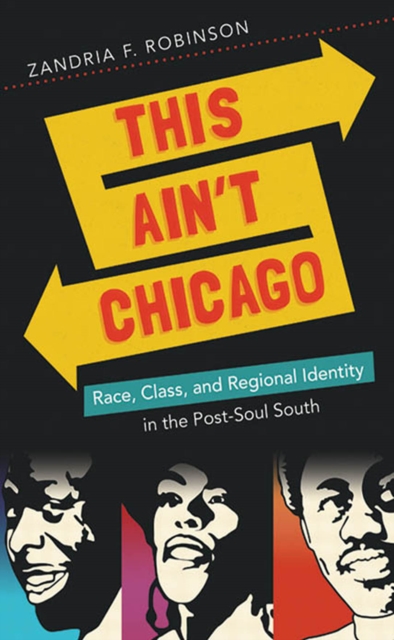
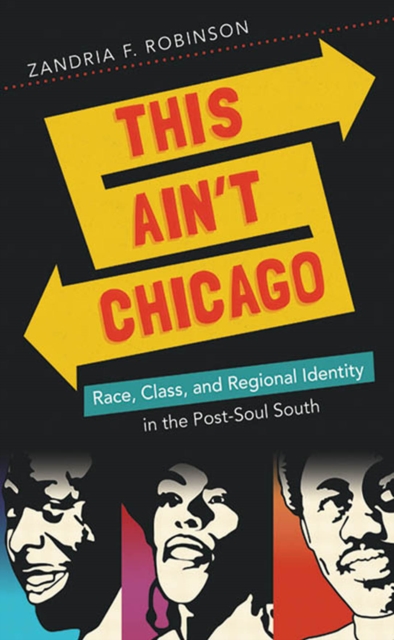
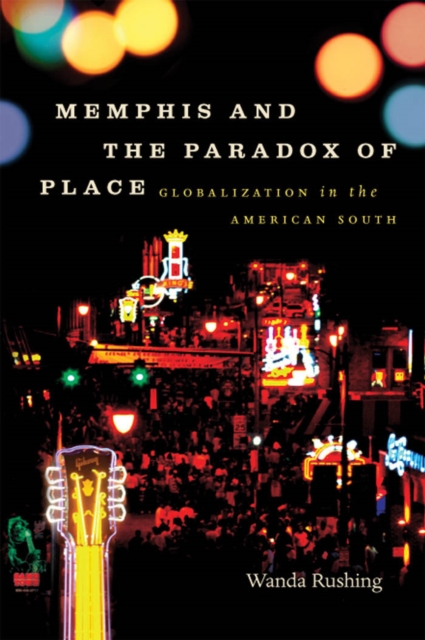
When Zandria Robinson returned home to interview African Americans in Memphis, she was often greeted with some version of the caution I hope you know this aint Chicago.
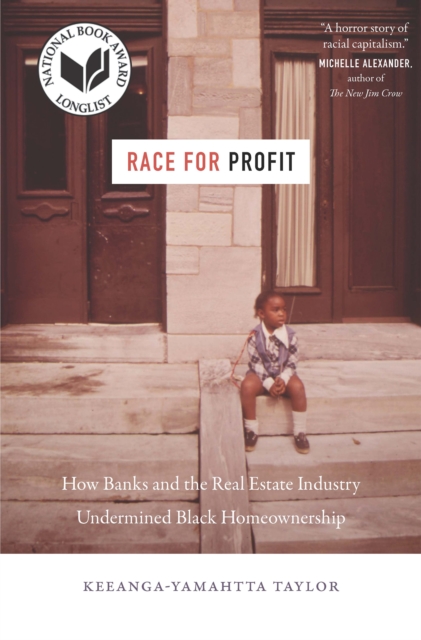
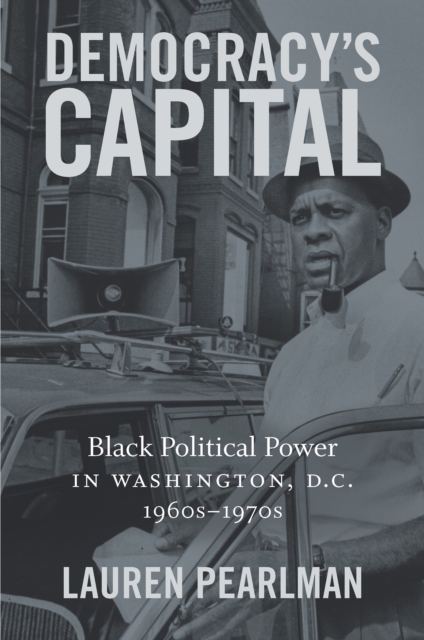
LONGLISTED FOR THE 2019 NATIONAL BOOK AWARDFINALIST, 2020 PULITZER PRIZE IN HISTORYBy the late 1960s and early 1970s, reeling from a wave of urban uprisings, politicians finally worked to end the practice of redlining.
When Zandria Robinson returned home to interview African Americans in Memphis, she was often greeted with some version of the caution I hope you know this aint Chicago.
The Great Migration of African Americans from the South to northern and western cities between 1915 and 1970 fundamentally altered the political, social, and cultural landscapes of major urban centers like New York, Chicago, Philadelphia, and Detroit, and changed the country as well.
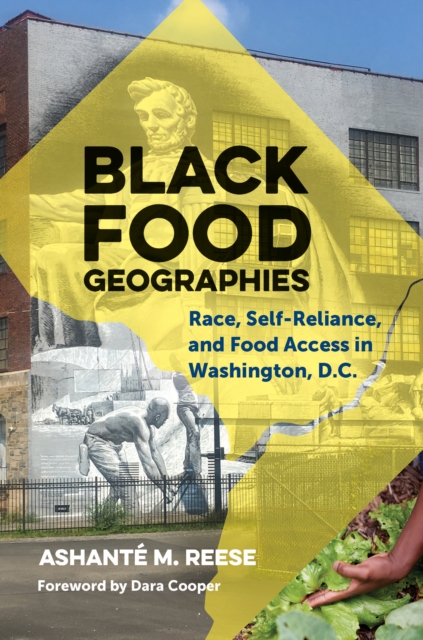
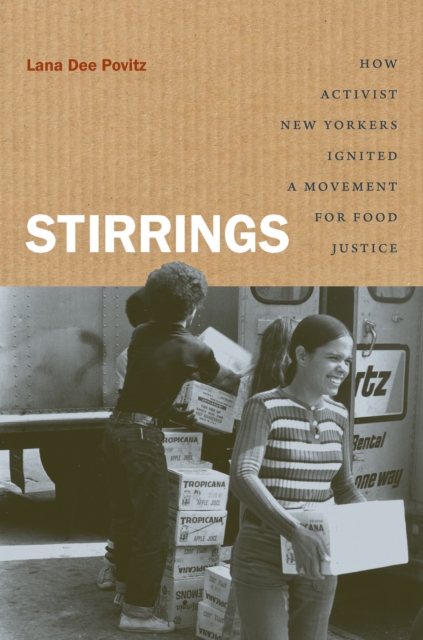
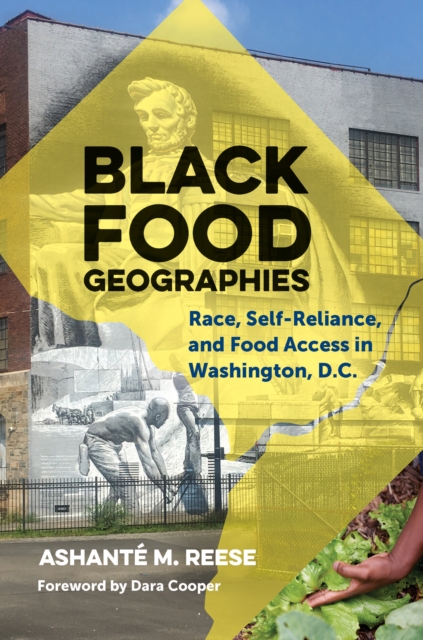
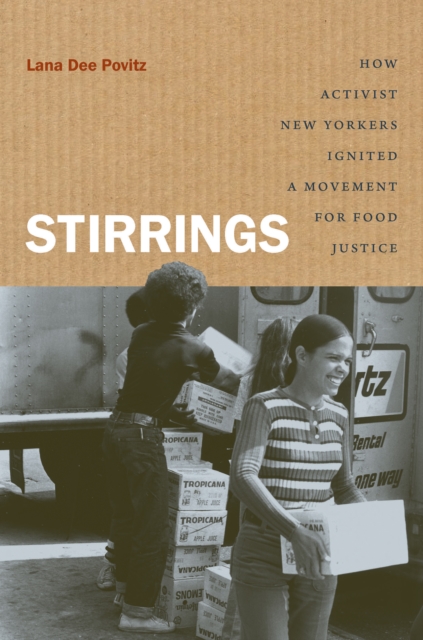
In the last three decades of the twentieth century, government cutbacks, stagnating wages, AIDS, and gentrification pushed ever more people into poverty, and hunger reached levels unseen since the Depression.
LONGLISTED FOR THE 2019 NATIONAL BOOK AWARDFINALIST, 2020 PULITZER PRIZE IN HISTORYBy the late 1960s and early 1970s, reeling from a wave of urban uprisings, politicians finally worked to end the practice of redlining.
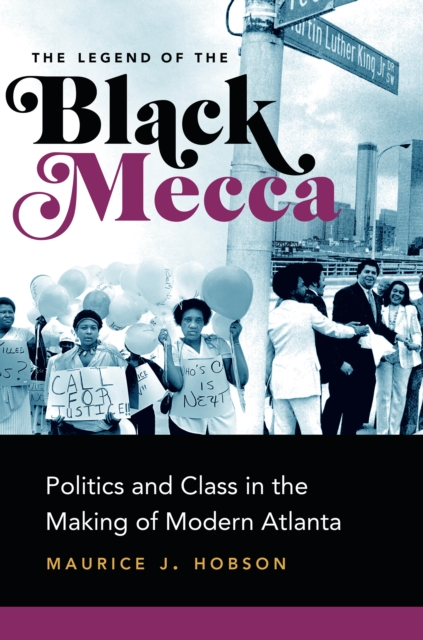
For more than a century, the city of Atlanta has been associated with black achievement in education, business, politics, media, and music, earning it the nickname the black Mecca.
When Zandria Robinson returned home to interview African Americans in Memphis, she was often greeted with some version of the caution I hope you know this aint Chicago.
When Zandria Robinson returned home to interview African Americans in Memphis, she was often greeted with some version of the caution I hope you know this aint Chicago.
For more than a century, the city of Atlanta has been associated with black achievement in education, business, politics, media, and music, earning it the nickname the black Mecca.
In the last three decades of the twentieth century, government cutbacks, stagnating wages, AIDS, and gentrification pushed ever more people into poverty, and hunger reached levels unseen since the Depression.
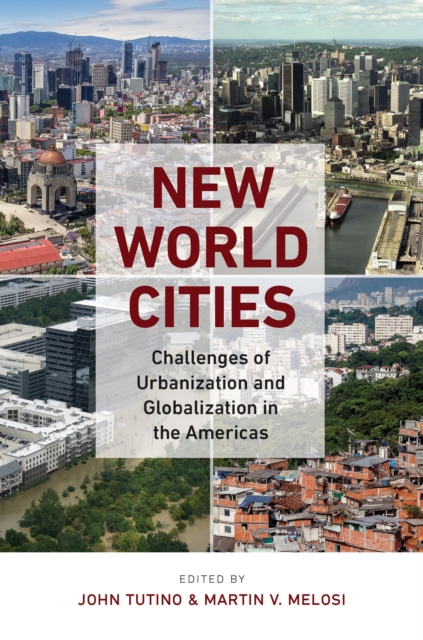
The volume brings together contributions by both leading scholars and young academics with a particular experience in the urban potential of the territory in situations not necessarily linked to the dense metropolis, its compact form or to city sprawl.
The Great Migration of African Americans from the South to northern and western cities between 1915 and 1970 fundamentally altered the political, social, and cultural landscapes of major urban centers like New York, Chicago, Philadelphia, and Detroit, and changed the country as well.
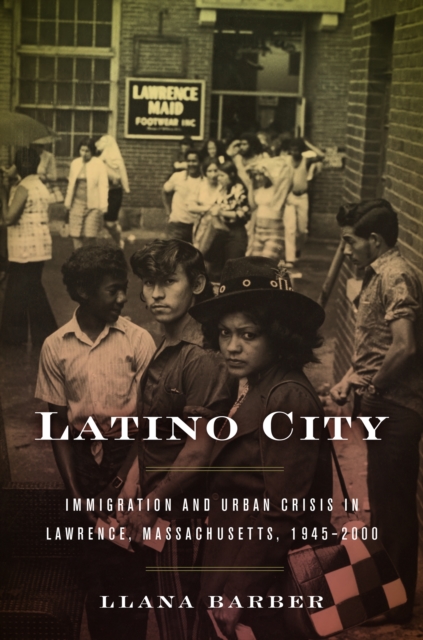
The cities of Lowell and New Bedford in Massachusetts, Jamestown in New York, and McKeesport in Pennsylvania have all undergone years of adversity and decline, their economic bases having been badly damaged by structural changes in the national economy, particularly in the manufacturing sector.
Focusing on urban development and the influence of urbanization on industrialization, this volume reflects a radical rethinking of the traditional approaches to the development of cities.
The Center of Mass: How Cities Create Power Beyond Office is a structural study of political influence, urban identity, and non-positional power, using Mumbai and Balasaheb Thackeray as its central historical case.
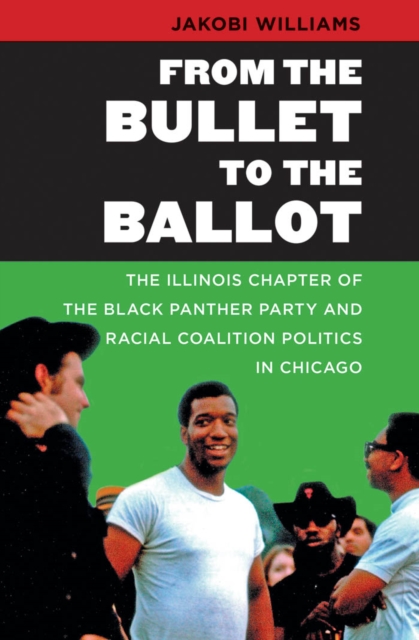
In this comprehensive history of the Illinois Chapter of the Black Panther Party (ILBPP), Chicago native Jakobi Williams demonstrates that the citys Black Power movement was both a response to and an extension of the citys civil rights movement.
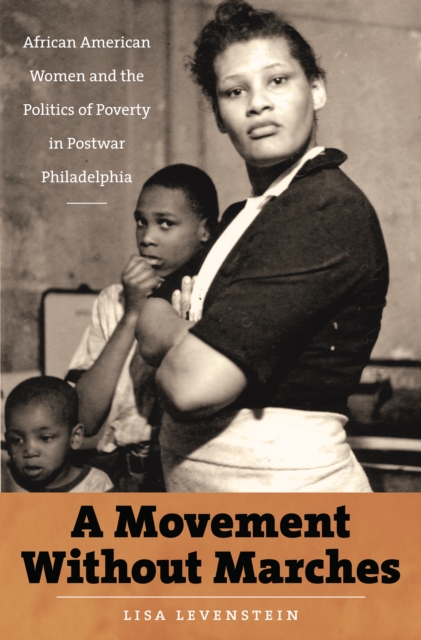
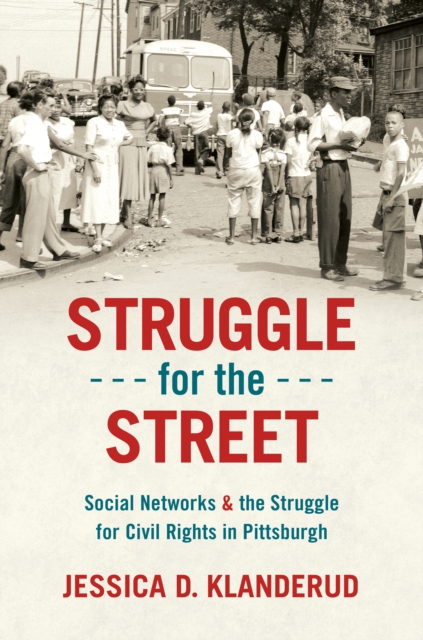
Lisa Levenstein reframes highly charged debates over the origins of chronic African American poverty and the social policies and political struggles that led to the postwar urban crisis.
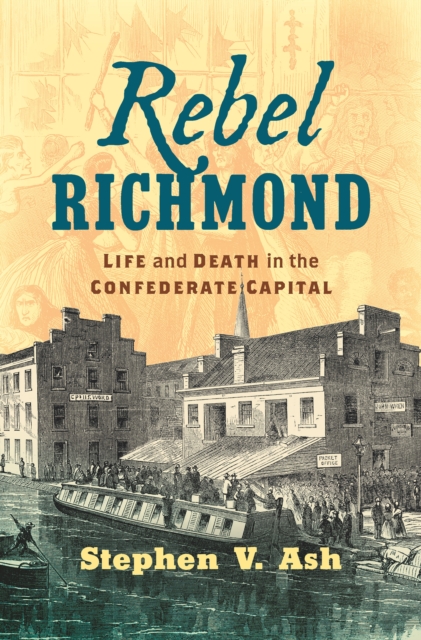
In the spring of 1861, Richmond, Virginia, suddenly became the capital city, military headquarters, and industrial engine of a new nation fighting for its existence.
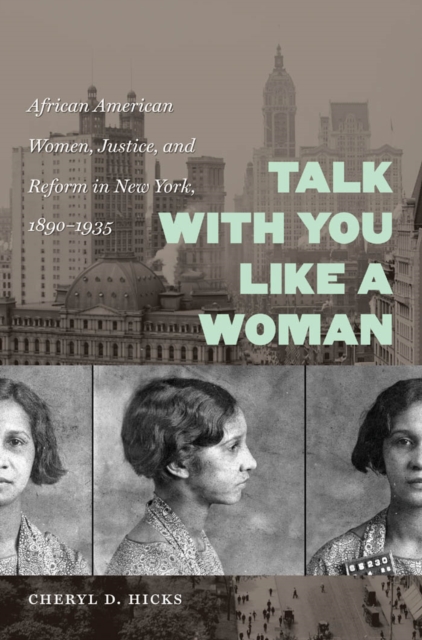
With this book, Cheryl Hicks brings to light the voices and viewpoints of black working-class women, especially southern migrants, who were the subjects of urban and penal reform in early-twentieth-century New York.
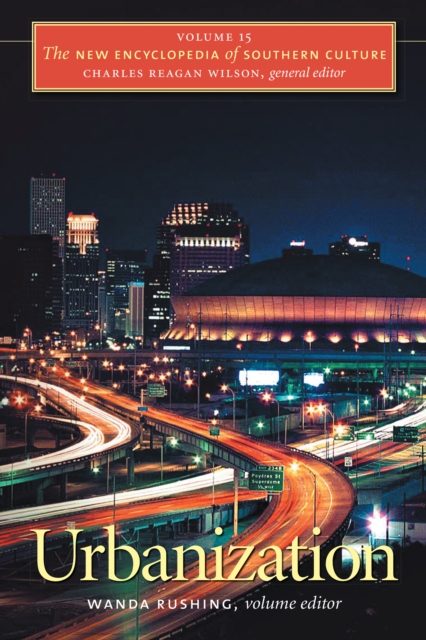
This volume of The New Encyclopedia of Southern Culture offers a current and authoritative reference to urbanization in the American South from the eighteenth century to the twenty-first, surveying important southern cities individually and examining the various issues that shape patterns of urbanization from a broad regional perspective.
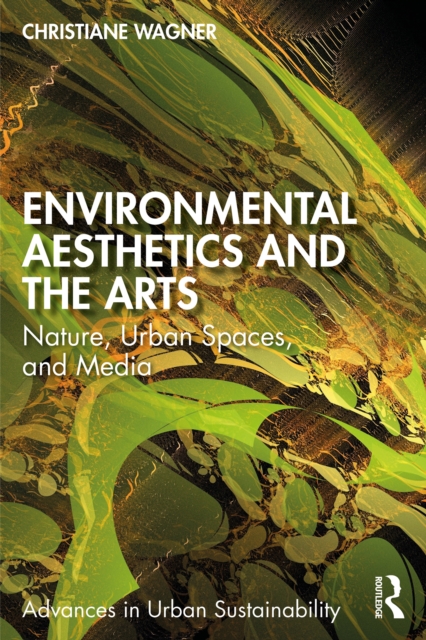
Integrating architecture, art, and design, this book presents a multidisciplinary perspective on aesthetics to address contemporary issues related to nature, urban spaces, and media environments.
In the last three decades of the twentieth century, government cutbacks, stagnating wages, AIDS, and gentrification pushed ever more people into poverty, and hunger reached levels unseen since the Depression.
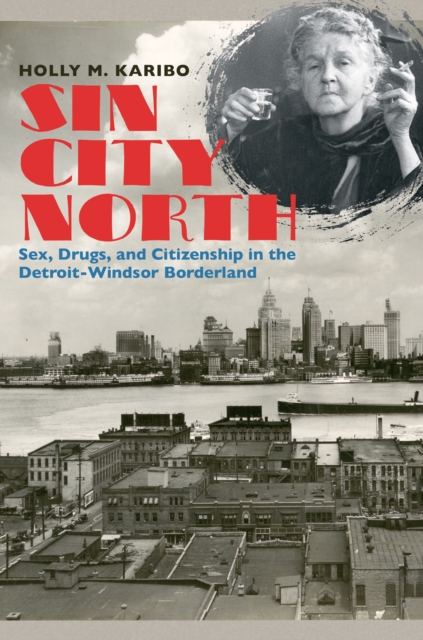
The early decades of the twentieth century sparked the Detroit-Windsor regions ascendancy as the busiest crossing point between Canada and the United States, setting the stage for socioeconomic developments that would link the border cities for years to come.
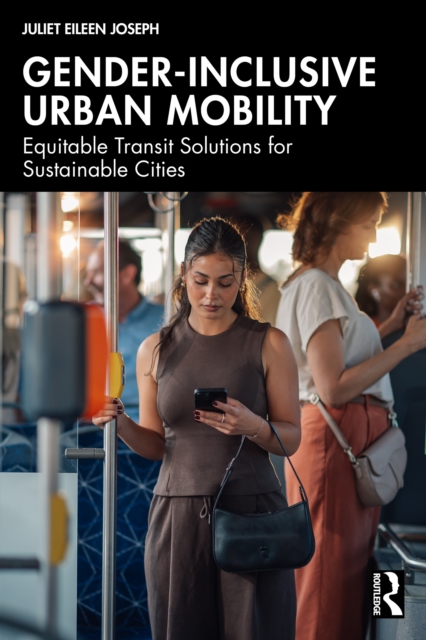
This book critically examines the intersection of gender, governance, and urban mobility through the lens of transit systems in postcolonial and developing countries.
The Great Recession punished American workers, leaving many underemployed or trapped in jobs that did not provide the income or opportunities they needed.
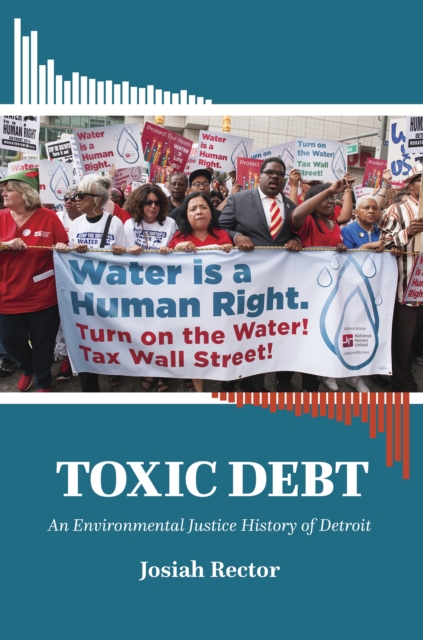
From the mid-nineteenth until the mid-twentieth century, environmentally unregulated industrial capitalism produced outsized environmental risks for poor and working-class Detroiters, made all the worse for African Americans by housing and job discrimination.