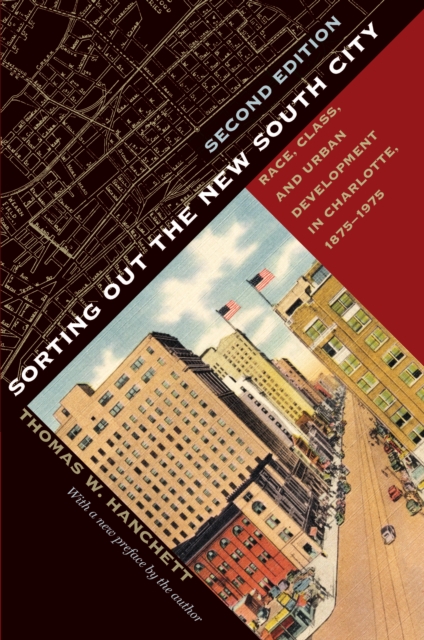
One of the largest and fastest-growing cities in the South, Charlotte, North Carolina, came of age in the New South decades of the late nineteenth and early twentieth centuries, transforming itself from a rural courthouse village to the trading and financial hub of Americas premier textile manufacturing region.
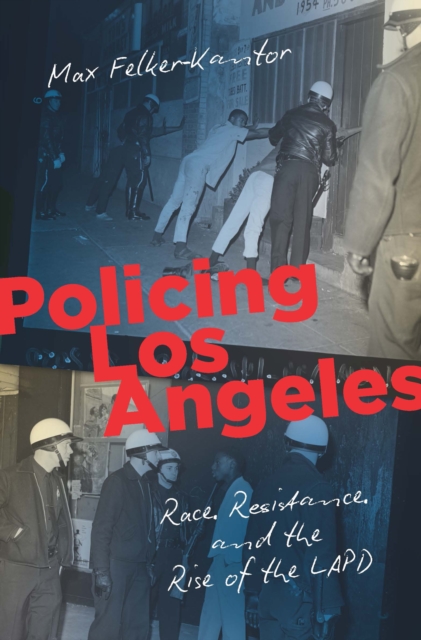
When the Los Angeles neighborhood of Watts erupted in violent protest in August 1965, the uprising drew strength from decades of pent-up frustration with employment discrimination, residential segregation, and poverty.
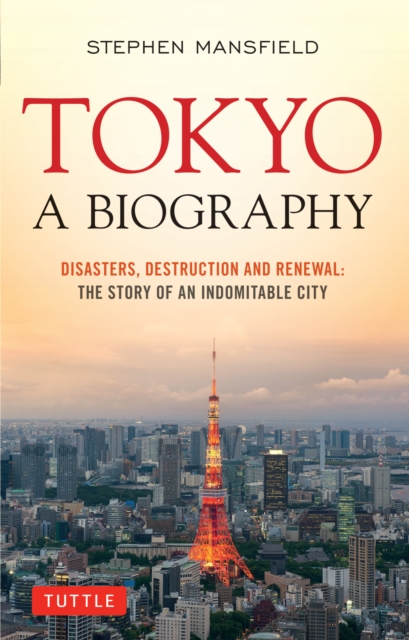
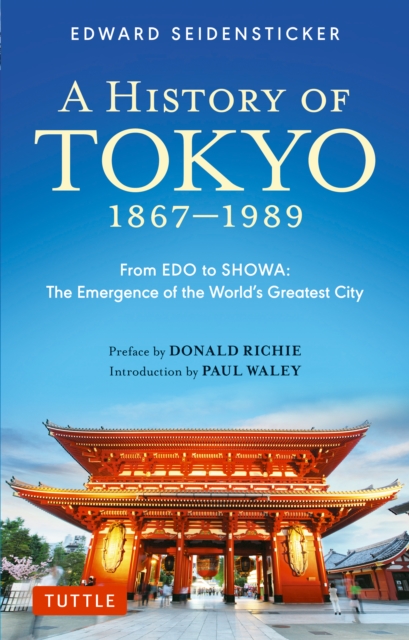
"e;This is a freaking great book and I highly recommend itif you are passionate about the history of 'the world's greatest city,' this book is something you must have in your collection.
"e;This is a freaking great book and I highly recommend itif you are passionate about the history of 'the world's greatest city,' this book is something you must have in your collection.
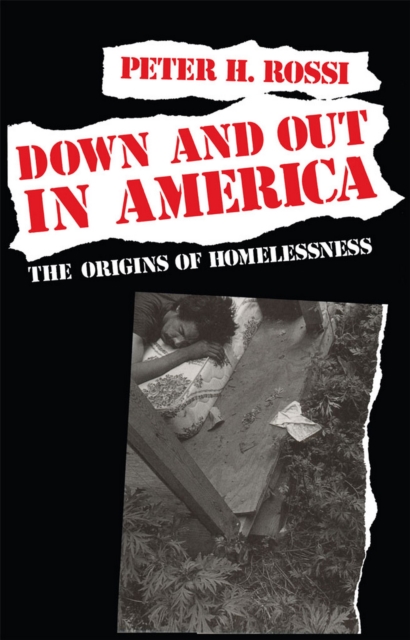
The most accurate and comprehensive picture of homelessness to date, this study offers a powerful explanation of its causes, proposes short- and long-term solutions, and documents the striking contrasts between the homeless of the 1950s and 1960s and the contemporary homeless population, which is younger and contains more women, children, and blacks.
By examining environmental change through the lens of conflicting social agendas, Andrew Hurley uncovers the historical roots of environmental inequality in contemporary urban America.
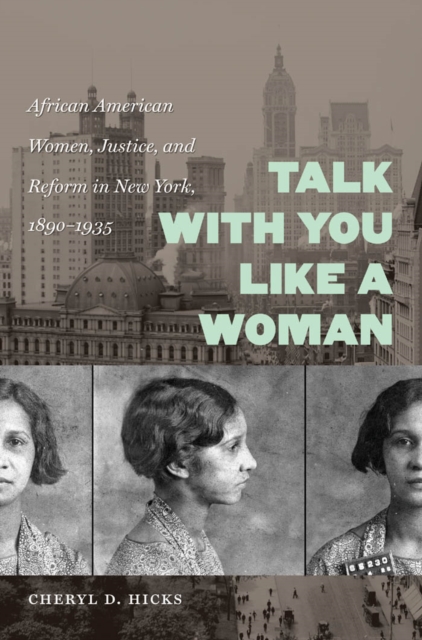
With this book, Cheryl Hicks brings to light the voices and viewpoints of black working-class women, especially southern migrants, who were the subjects of urban and penal reform in early-twentieth-century New York.
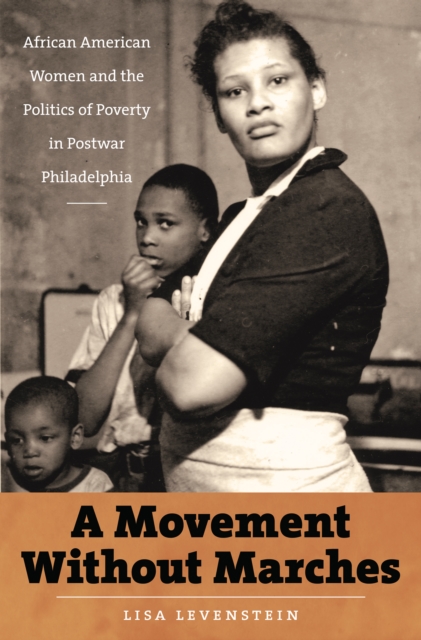
Lisa Levenstein reframes highly charged debates over the origins of chronic African American poverty and the social policies and political struggles that led to the postwar urban crisis.
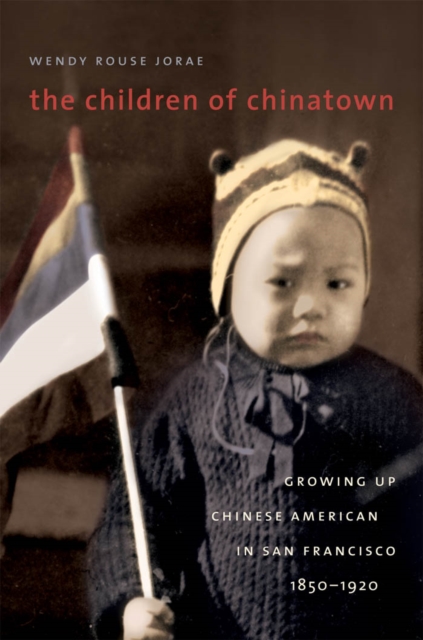
Revealing the untold stories of a pioneer generation of young Chinese Americans, this book places the children and families of early Chinatown in the middle of efforts to combat American policies of exclusion and segregation.
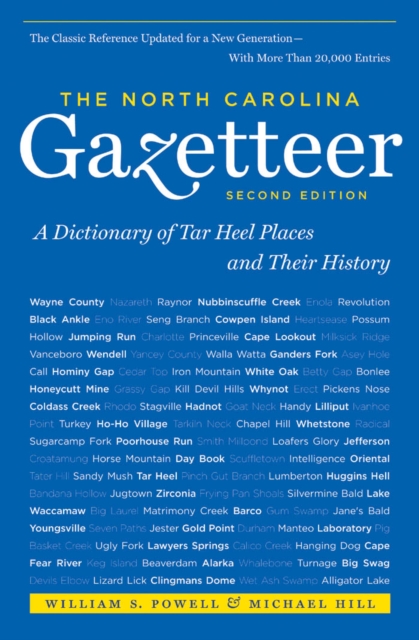
The North Carolina Gazetteer first appeared to wide acclaim in 1968 and has remained an essential reference for anyone with a serious interest in the Tar Heel State, from historians to journalists, from creative writers to urban planners, from backpackers to armchair travelers.
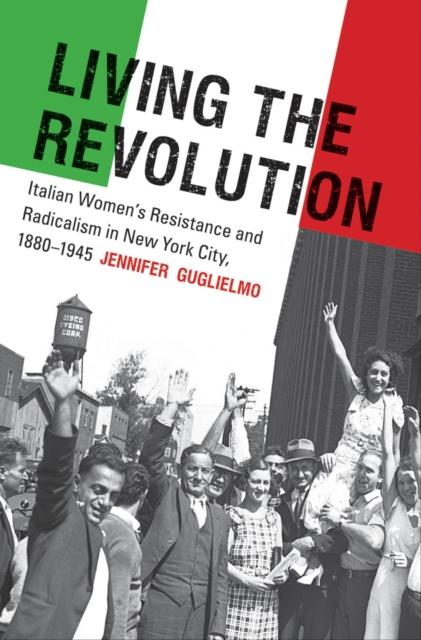
Italians were the largest group of immigrants to the United States at the turn of the twentieth century, and hundreds of thousands led and participated in some of the periods most volatile labor strikes.
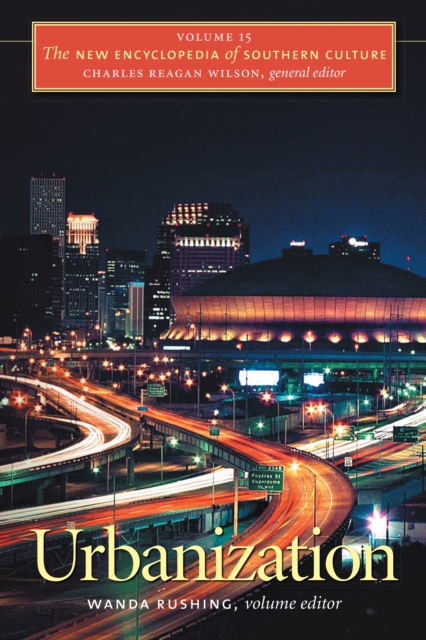
This volume of The New Encyclopedia of Southern Culture offers a current and authoritative reference to urbanization in the American South from the eighteenth century to the twenty-first, surveying important southern cities individually and examining the various issues that shape patterns of urbanization from a broad regional perspective.
Integrating architecture, art, and design, this book presents a multidisciplinary perspective on aesthetics to address contemporary issues related to nature, urban spaces, and media environments.
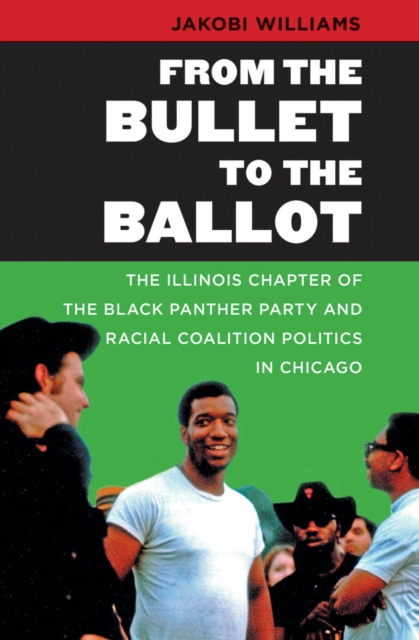
In this comprehensive history of the Illinois Chapter of the Black Panther Party (ILBPP), Chicago native Jakobi Williams demonstrates that the citys Black Power movement was both a response to and an extension of the citys civil rights movement.
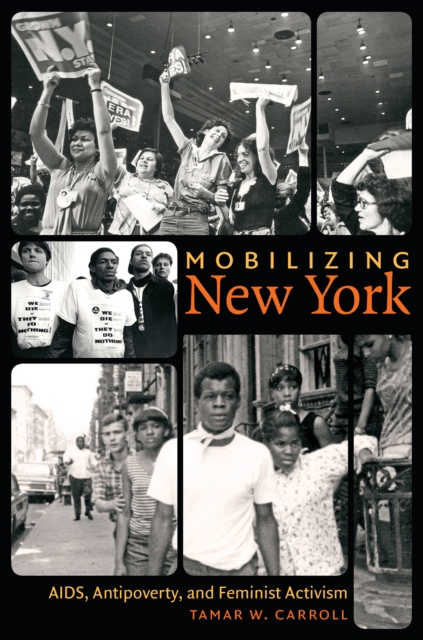
Examining three interconnected case studies, Tamar Carroll powerfully demonstrates the ability of grassroots community activism to bridge racial and cultural differences and effect social change.
This book critically examines the intersection of gender, governance, and urban mobility through the lens of transit systems in postcolonial and developing countries.
From the mid-nineteenth until the mid-twentieth century, environmentally unregulated industrial capitalism produced outsized environmental risks for poor and working-class Detroiters, made all the worse for African Americans by housing and job discrimination.
From the mid-nineteenth until the mid-twentieth century, environmentally unregulated industrial capitalism produced outsized environmental risks for poor and working-class Detroiters, made all the worse for African Americans by housing and job discrimination.
The Great Recession punished American workers, leaving many underemployed or trapped in jobs that did not provide the income or opportunities they needed.
Examining three interconnected case studies, Tamar Carroll powerfully demonstrates the ability of grassroots community activism to bridge racial and cultural differences and effect social change.
In this comprehensive history of the Illinois Chapter of the Black Panther Party (ILBPP), Chicago native Jakobi Williams demonstrates that the citys Black Power movement was both a response to and an extension of the citys civil rights movement.