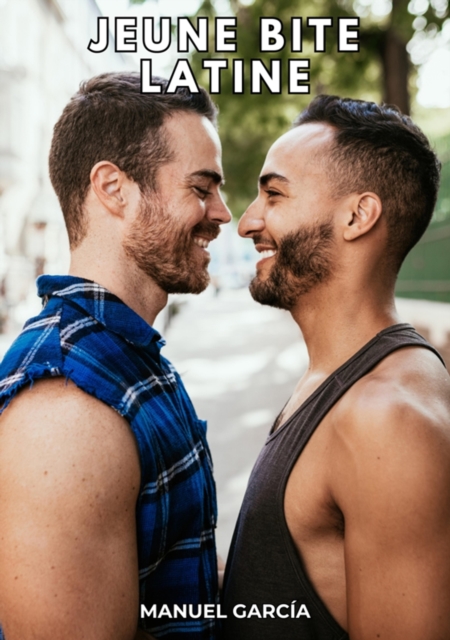
Ce livre est une création de Manuel Garcia, une véritable mine de plaisirs interdits et de rencontres passionnées, spécialement conçue pour satisfaire les appétits érotiques les plus audacieux des lecteurs gays adultes.
Susan Brownell Anthony (1820-1906) was an American social reformer and women's rights activist who played a pivotal role in the women's suffrage movement.
La disciplina historica y, en particular, la historia del arte colombiano han prestado una escasa atencion a la mujer y a su relacion con el campo artistico.
*Shortlisted for the British Academy Book Prize*'A powerful prescription for change' Observer, Book of the Week'An eye-opening contribution to the global discourse on women's health and a call for change' The Lancet'Important, timely, often fascinating' Sunday IndependentWe know the causes of death and disease among women all over the world.
Native Americans: 22 Books on History, Mythology, Culture & Linguistic Studies' emerges as a profound anthology encapsulating an array of perspectives on the rich tapestry of Native American life.
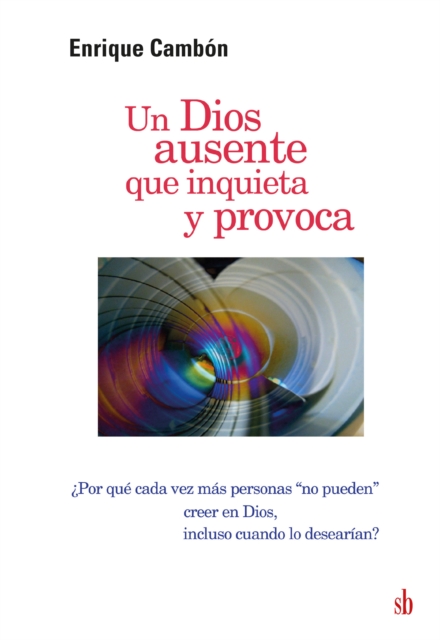
Esta obra aborda un interrogante que de modo cada vez mas intenso y urgente se hacen gran numero de personas: si Dios existe, por que no se hace presente de manera tangible, por que no actua e interviene de forma eficaz y evidente para suscitar cuanto de positivo desea promover en la humanidad?
Este libro es una creación de Manuel García, una auténtica mina de placeres prohibidos y encuentros apasionados, diseñada especialmente para satisfacer los apetitos eróticos más audaces de los lectores adultos homosexuales.
In dieser originell und wahrheitsgetreu nacherzählten Bibelgeschichte erfahren Kinder, wie Gott einen mürrischen Propheten in eine böse Stadt schickte.
How the Jewish people went from farmers to merchantsIn 70 CE, the Jews were an agrarian and illiterate people living mostly in the Land of Israel and Mesopotamia.
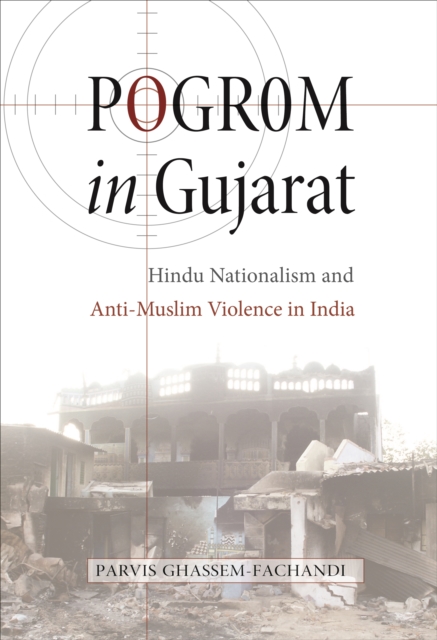
In 2002, after an altercation between Muslim vendors and Hindu travelers at a railway station in the Indian state of Gujarat, fifty-nine Hindu pilgrims were burned to death.
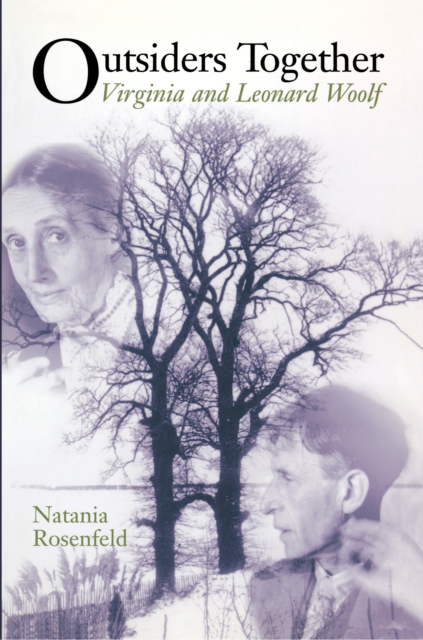
The marriage of Virginia and Leonard Woolf is best understood as a dialogue of two outsiders about ideas of social and political belonging and exclusion.
Race, ethnicity, nationality, religion, gender, sexuality: in the past couple of decades, a great deal of attention has been paid to such collective identities.
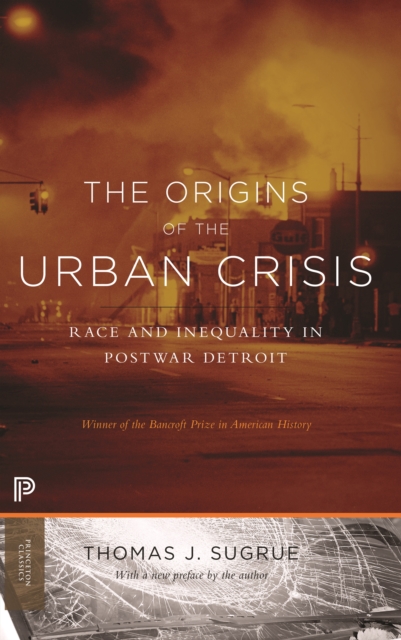
The reasons behind Detroit's persistent racialized poverty after World War IIOnce America's "e;arsenal of democracy,"e; Detroit is now the symbol of the American urban crisis.
A groundbreaking account of how religion made society possibleHow did human societies scale up from tight-knit groups of hunter-gatherers to the large, anonymous, cooperative societies of today-even though anonymity is the enemy of cooperation?
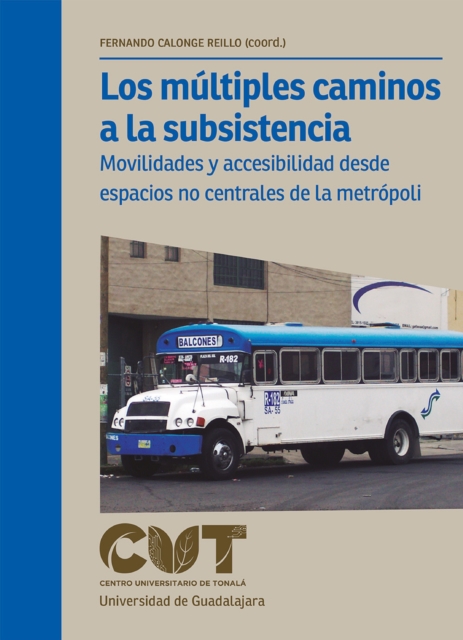
Cuando se piensa en la naturaleza de los territorios no centrales en una metrópoli, es necesario situar a las poblaciones y los espacios que no han recibido el foco principal de atención de las políticas y las inversiones urbanas.
This book considers in unprecedented detail one of the most confounding questions in American racial practice: when to speak about people in racial terms.
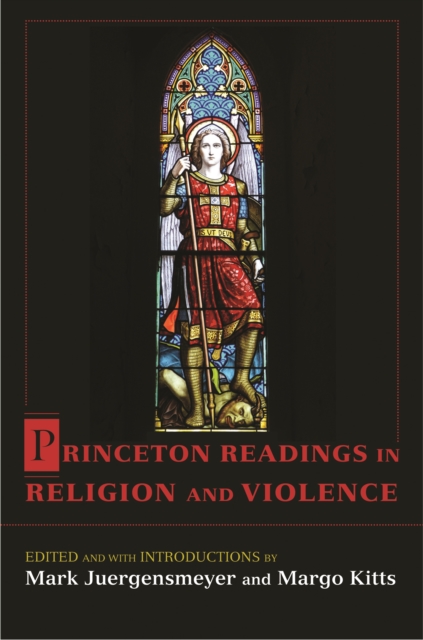
An anthology that examines the historical and contemporary relationship between religion and violenceThis groundbreaking anthology provides the most comprehensive overview for understanding the fascinating relationship between religion and violence-historically, culturally, and in the contemporary world.
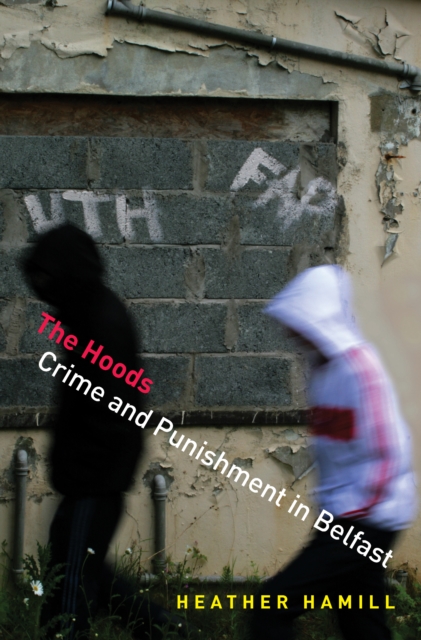
A distinctive feature of the conflict in Northern Ireland over the past forty years has been the way Catholic and Protestant paramilitaries have policed their own communities.