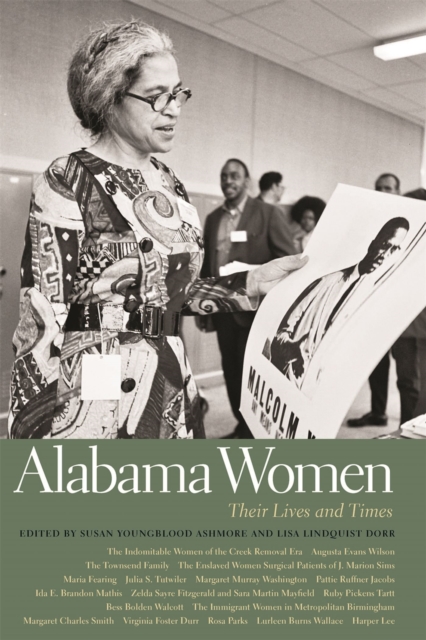
Another addition to the Southern Women series, Alabama Women celebrates women's histories in the Yellowhammer State by highlighting the lives and contributions of women and enriching our understanding of the past and present.
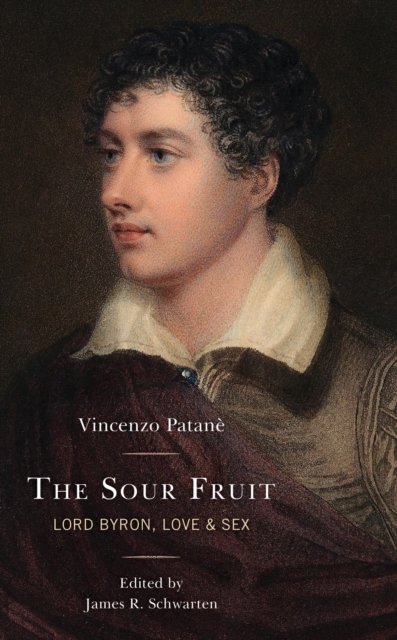
Byron's emotional and erotic life, which he indulged with an unstoppable energy, is a key element in understanding his powerful and passionate personality, as well as the society of his day, which was scandalised by his behaviour even while being conquered by his extraordinary charm.
Aside from Letters from Ireland and Endowed Schools of Ireland, Harriet Martineau wrote an additional thirty-eight articles about Ireland for London's Daily News between 1852 and 1866, plus another thirteen articles for Household Words, Atlantic Monthly, Once a Week, Westminster Review, and New York Evening Post.
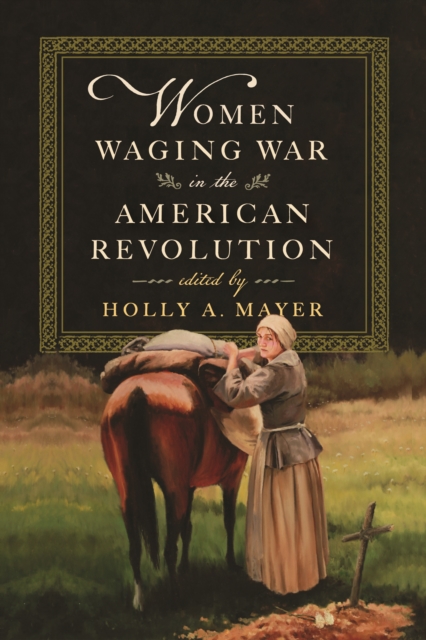
America's War for Independence dramatically affected the speed and nature of broader social, cultural, and political changes including those shaping the place and roles of women in society.
Help Your Child or Teen Get Back on Track offers specific self-help interventions and a wide-ranging, practical discussion of the types of professional help available for a child or adolescent with emotional and behavioral problems.
The story of men who are hurting-and hurting America by their absenceMan Out describes the millions of men on the sidelines of life in the United States.
The Unpopular Realism of Vincenzo Padula provides a microhistory of life in a Southern Italian province in the decade following Unificationand of Vincenzo Padula, who wrote single-handedly from March 1864 to July 1865 - a period when pro-Bourbon loyalists were attempting to exploit the discontent of the Region's poor masses by fomenting brigantry and reverse the Unification - Il Bruzio, a pro-Government periodical published in Cosenza.
Over the long nineteenth century, African-descended peoples used the uncertainties and possibilities of emancipation to stake claims to freedom, equality, and citizenship.
For American children raised exclusively in wartime-that is, a Cold War containing monolithic communism turned hot in the jungles of Southeast Asia-and the first to grow up with televised combat, Vietnam was predominately a mediated experience.
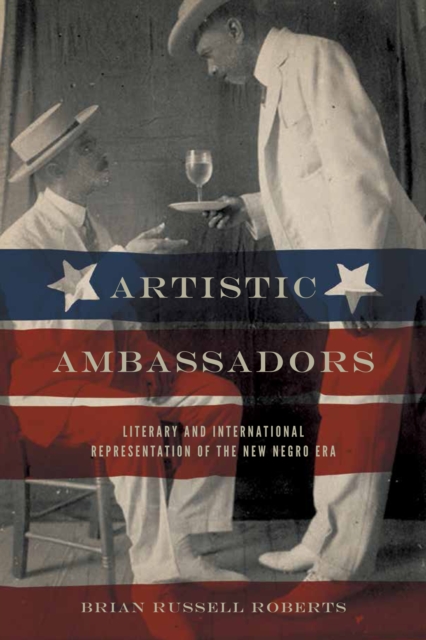
James Weldon Johnson (1871-1938) exemplified the ideal of the American public intellectual as a writer, educator, songwriter, diplomat, key figure of the Harlem Renaissance, and first African American executive of the NAACP.
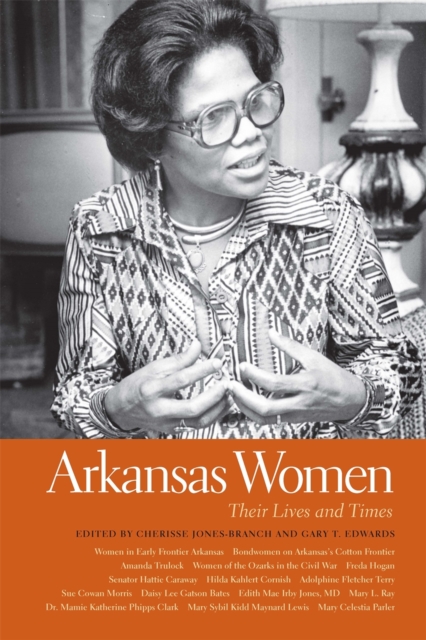
Following in the tradition of the Southern Women series, Arkansas Women highlights prominent Arkansas women, exploring women's experiences across time and space from the state's earliest frontier years to the late twentieth century.
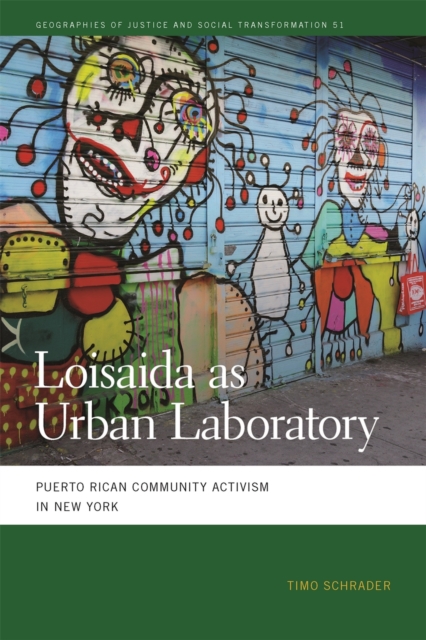
Loisaida as Urban Laboratory is the first in-depth analysis of the network of Puerto Rican community activism in New York City's Lower East Side from 1964 to 2001.
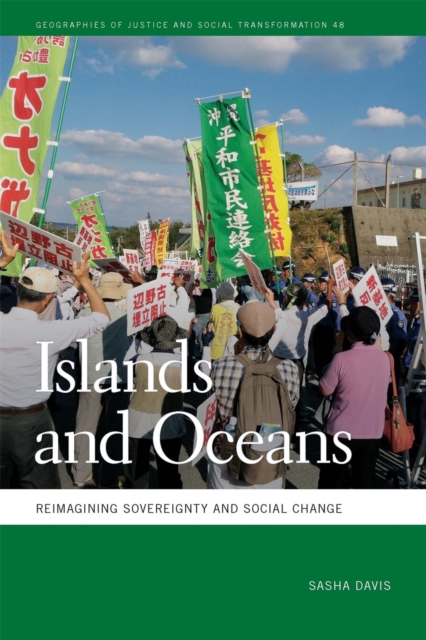
Sovereignty is a term used by stateless people seeking decolonization as well as by dominant social groups struggling to reassert their socially privileged positions.
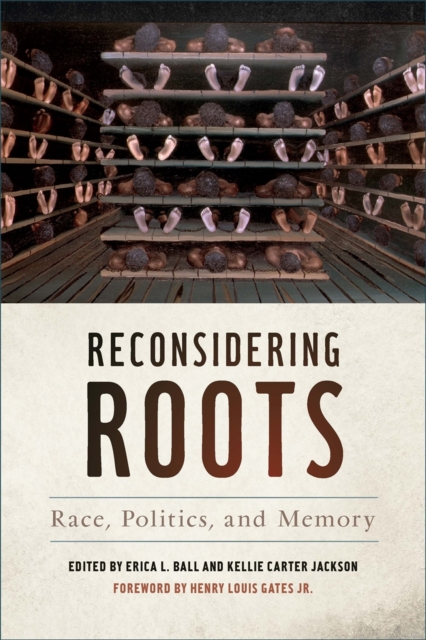
This wide-ranging interdisciplinary collection-the first of its kind-invites us to recon-sider the politics and scope of the Roots phenomenon of the 1970s.
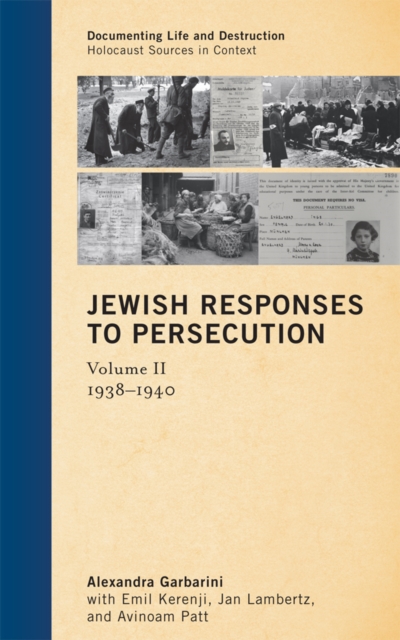
Published in association with the United States Holocaust Memorial MuseumJewish Responses to Persecution: Volume II, 1938-1940 is the second volume of the five-volume set within the series "e;Documenting Life and Destruction: Holocaust Sources in Context.
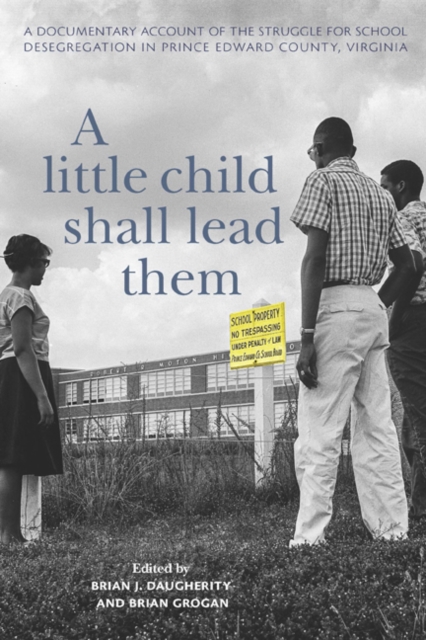
In the twentieth-century struggle for racial equality, there was perhaps no setting more fraught and contentious than the public schools of the American south.
To generate opportunities for transformative learning, educators must create learning environments that help students feel safe and encourage them to grapple with potentially difficult material.
Separating truth from hype, this book introduces readers to the topic of life extension in a holistic manner that provides scientific, historical, and cultural perspectives.
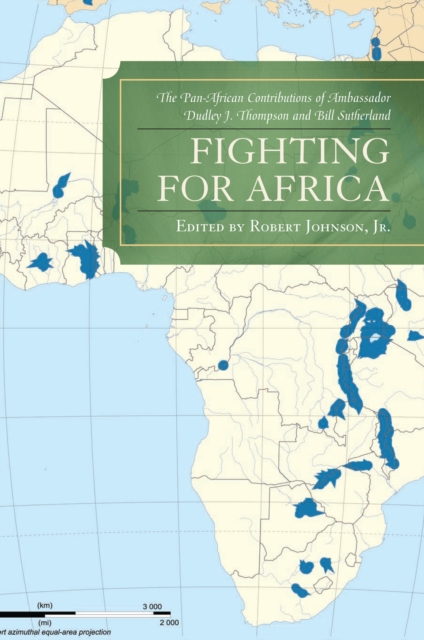
Fighting for Africa captures the commitment and contributions of two men who dedicated their lives to the fight to free Africa from colonialism and racism.
Those unfamiliar with the prehistory of North America have a general perception of the cultures of the continent that includes Native Americans living in tipis, wearing feathered headdresses and buckskin clothing, and following migratory bison herds on the Great Plains.
This ambitious work provides a unique statement on the question of place-based activism and its relationship to powerful forces of international capital.
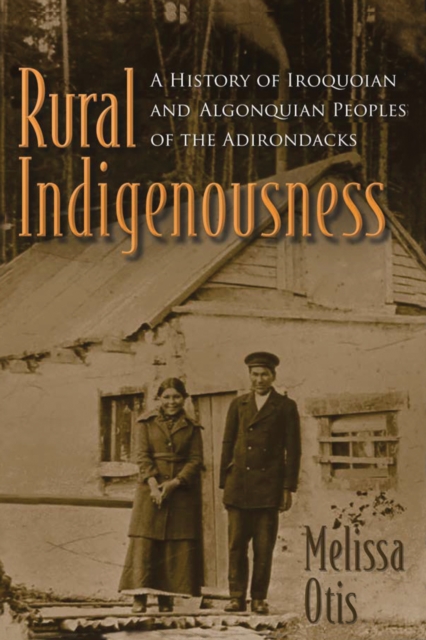
The Adirondacks have been an Indigenous homeland for millennia, and the presence of Native people in the region was obvious but not well documented by Europeans, who did not venture into the interior between the seventeenth and early nineteenth centuries.
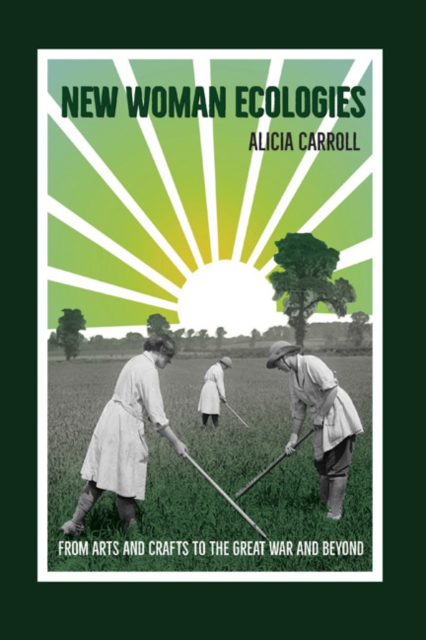
A transatlantic phenomenon of the late nineteenth and early twentieth centuries, the "e;New Woman"e; broke away from many of the constraints of the Victorian era to enjoy a greater freedom of movement in the social, physical, and intellectual realms.
This cutting-edge guide spotlights some of the most exciting emerging discoveries, trends, and research areas in LGBT psychology, both in science and therapy.
Updated with findings from the latest research, this contributed work on the psychology of women covers global initiatives, theories, and practical applications in various settings.
The concept of a single condition known as 'autism' is quickly becoming outdated, and is now understood to be an umbrella term for a variety of predominantly genetic conditions.
Punishing the Black Body examines the punitive and disciplinary technologies and ideologies embraced by ruling white elites in nineteenth-century Barbados and Jamaica.
The Punitive Turn explores the historical, political, economic, and sociocultural roots of mass incarceration, as well as its collateral costs and consequences.
Posthuman Blackness and the Black Female Imagination examines the future-oriented visions of black subjectivity in works by contemporary black women writers, filmmakers, and musicians, including Toni Morrison, Octavia Butler, Julie Dash, and Janelle Monae.
While the night has long been associated with crime and fear, over recent decades 'nightlife' has become increasingly associated with the creative economy, tourism, sociability, job growth, and urban regeneration.