In African American Folksong and American Cultural Politics: The Lawrence Gellert Story, scholar and musician Bruce Conforth tells the story of one of the most unusual collections of African American folk music ever amassed-and the remarkable story of the man who produced it: Lawrence Gellert.
Deflecting the attention from Hollywood, Stars in World Cinema fills an important gap in the study of film by bringing together Star Studies and World Cinema.
Although women have been teaching and performing music for centuries, their stories are often missing from traditional accounts of the history of music education.
Before the rise of private homes as we now understand them, the realm of personal, private, and local relations in England was the parish, which was also the sphere of poverty management.
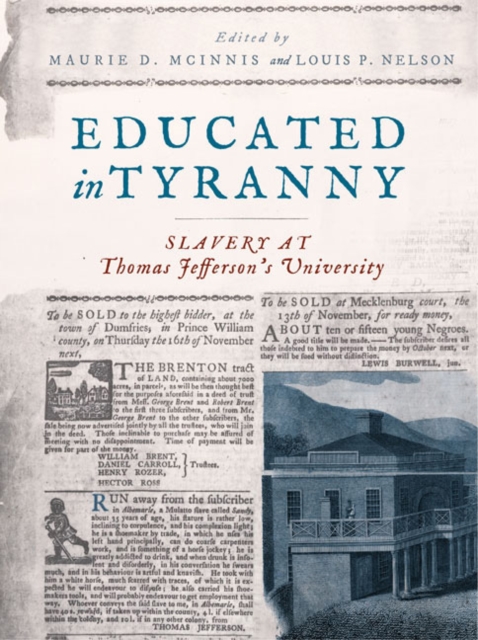
The American North's commitment to preventing a southern secession rooted in slaveholding suggests a society united in its opposition to slavery and racial inequality.
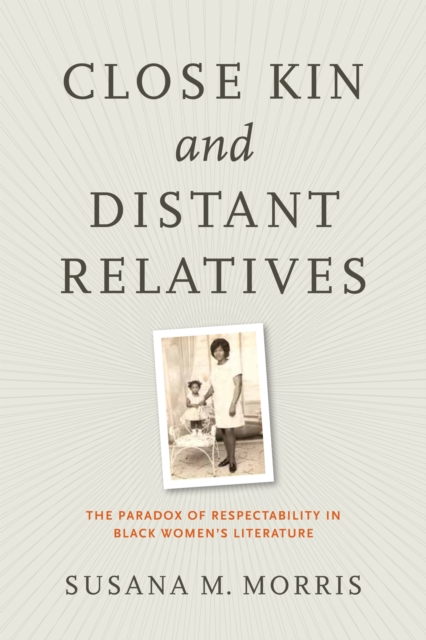
The "e;black family"e; in the United States and the Caribbean often holds contradictory and competing meanings in public discourse: on the one hand, it is a site of love, strength, and support; on the other hand, it is a site of pathology, brokenness, and dysfunction that has frequently called forth an emphasis on conventional respectability if stability and social approval are to be achieved.
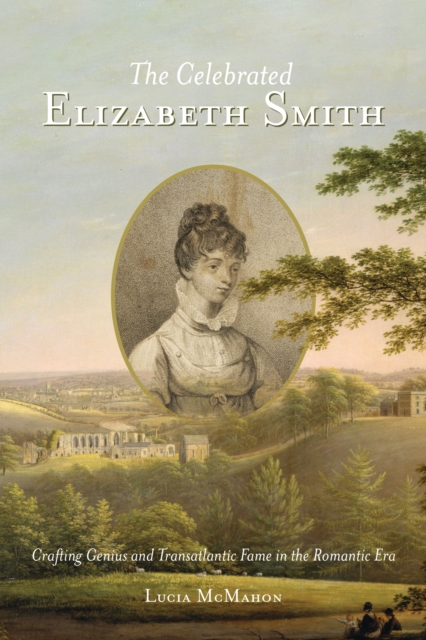
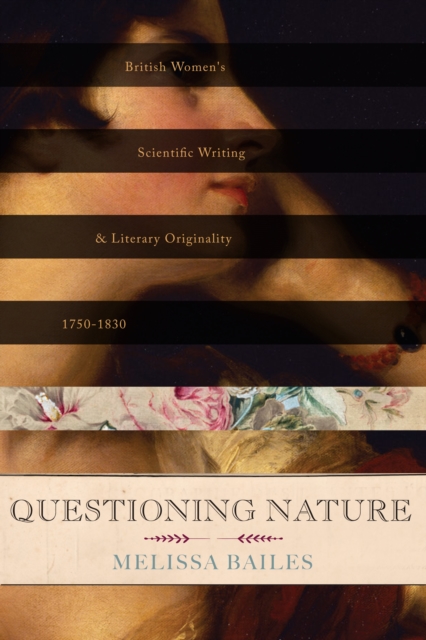
Elizabeth Smith, a learned British woman born in the momentous year 1776, gained transnational fame posthumously for her extensive intellectual accomplishments, which encompassed astronomy, botany, history, poetry, and language studies.
Political polarization and unrest are not exclusive to our era, but in the twenty-first century, we are living with seemingly unresolvable disagreements that threaten to tear our country apart.
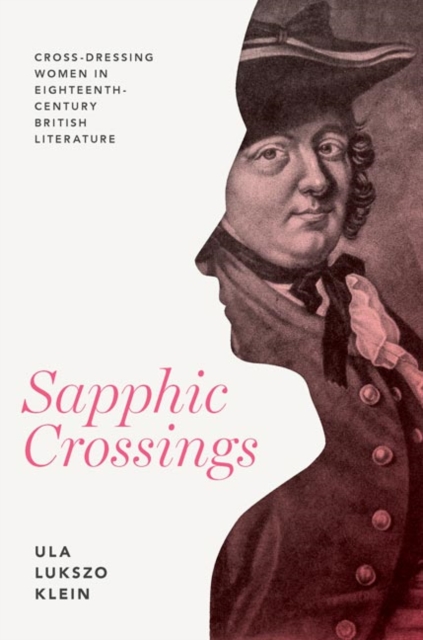
Across the eighteenth century in Britain, readers, writers, and theater-goers were fascinated by women who dressed in men's clothing-from actresses on stage who showed their shapely legs to advantage in men's breeches to stories of valiant female soldiers and ruthless female pirates.
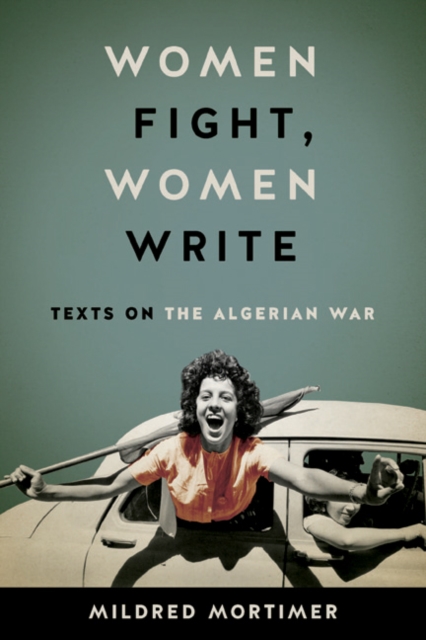
From Homer to Tim O'Brien, war literature remains largely the domain of male writers, and traditional narratives imply that the burdens of war are carried by men.
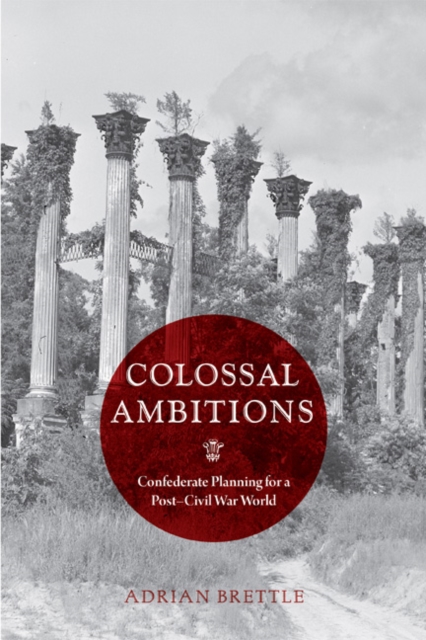
Leading politicians, diplomats, clerics, planters, farmers, manufacturers, and merchants preached a transformative, world-historical role for the Confederacy, persuading many of their compatriots to fight not merely to retain what they had but to gain their future empire.
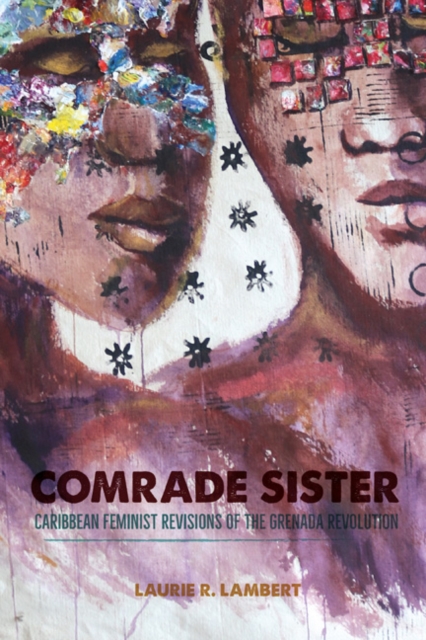
In 1979, the Marxist-Leninist New Jewel Movement under Maurice Bishop overthrew the government of the Caribbean island country of Grenada, establishing the People's Revolutionary Government.
The American North's commitment to preventing a southern secession rooted in slaveholding suggests a society united in its opposition to slavery and racial inequality.
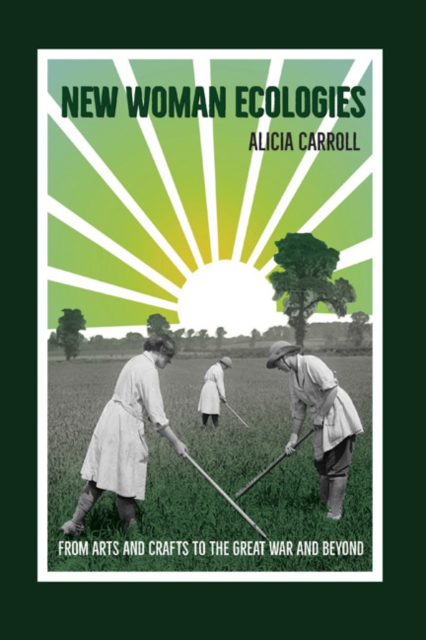
A transatlantic phenomenon of the late nineteenth and early twentieth centuries, the "e;New Woman"e; broke away from many of the constraints of the Victorian era to enjoy a greater freedom of movement in the social, physical, and intellectual realms.
Critics have long suggested that August Wilson, who called blues "e;the best literature we have as black Americans,"e; appropriated blues music for his plays.
Today, the "e;fight to write"e;-the struggle to become the legitimate chronicler of one's own story-is being waged and won by women across mediums and borders.
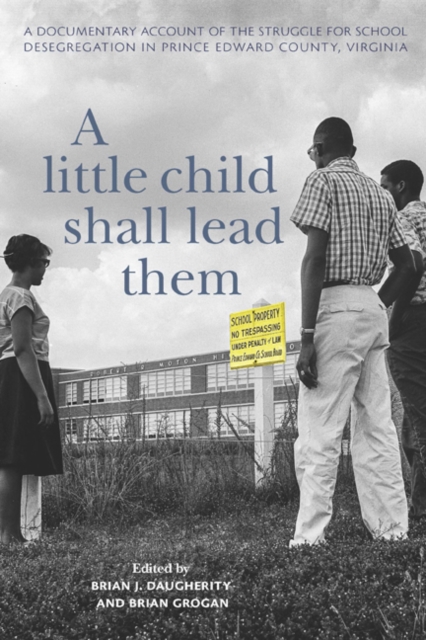
In the twentieth-century struggle for racial equality, there was perhaps no setting more fraught and contentious than the public schools of the American south.
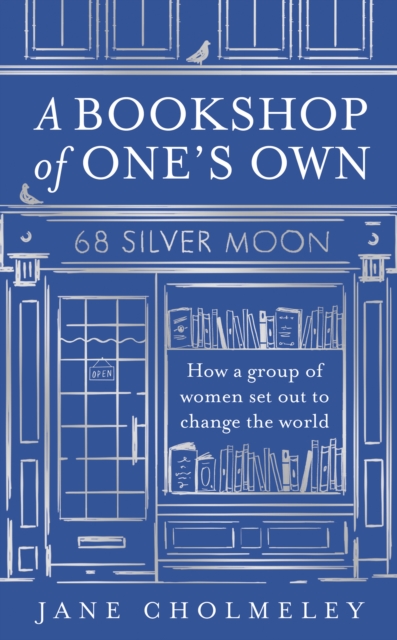
Shortlisted for the Indie Book Awards, Christopher Bland Prize and The People's Book PrizeA Waterstones Best Memoir of 2024An Independent and Stylist Best Non-Fiction BookThe captivating true story of an underdog business - a feminist bookshop founded in Thatcher's Britain - from a woman at the heart of the women's liberation movement.
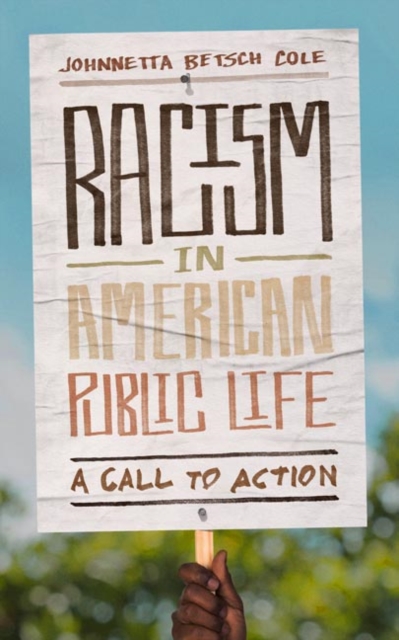
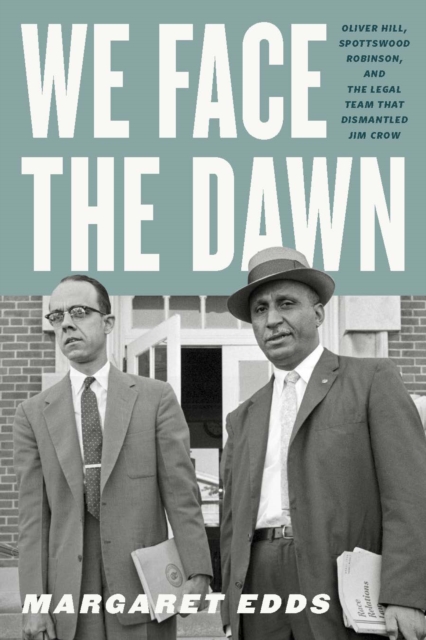
The decisive victories in the fight for racial equality in America were not easily won, much less inevitable; they were achieved through carefully conceived strategy and the work of tireless individuals dedicated to this most urgent struggle.
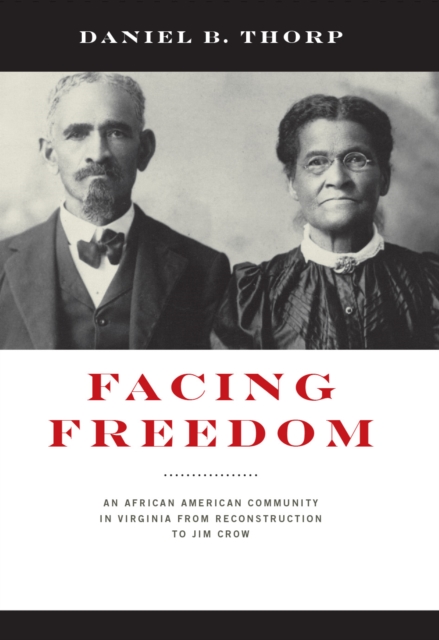
The history of African Americans in southern Appalachia after the Civil War has largely escaped the attention of scholars of both African Americans and the region.
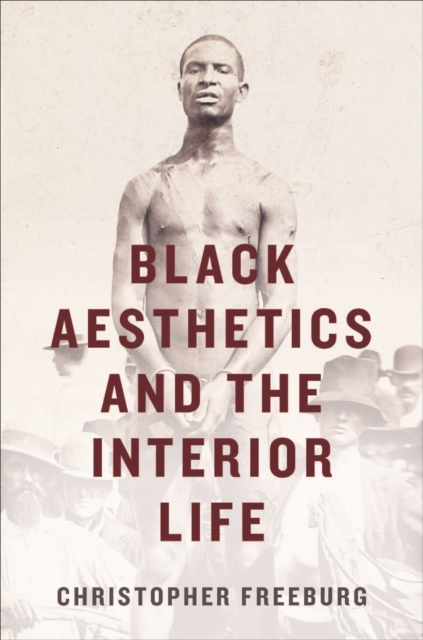
Christopher Freeburg's Black Aesthetics and the Interior Life offers a crucial new reading of a neglected aspect of African American literature and art across the long twentieth century.
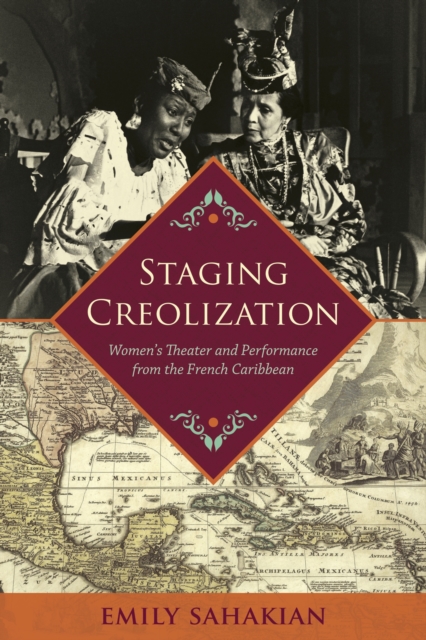
In Staging Creolization, Emily Sahakian examines seven plays by Ina Cesaire, Maryse Conde, Gerty Dambury, and Simone Schwarz-Bart that premiered in the French Caribbean or in France in the 1980s and 1990s and soon thereafter traveled to the United States.
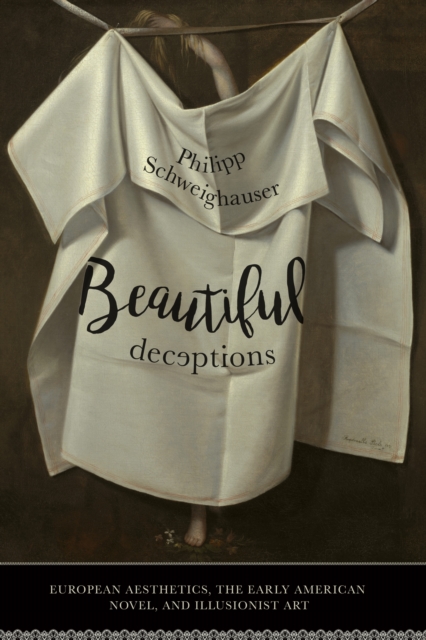
The art of the early republic abounds in representations of deception: the villains of Gothic novels deceive their victims with visual and acoustic tricks; the ordinary citizens of picaresque novels are hoodwinked by quacks and illiterate but shrewd adventurers; and innocent sentimental heroines fall for their seducers' eloquently voiced half-truths and lies.
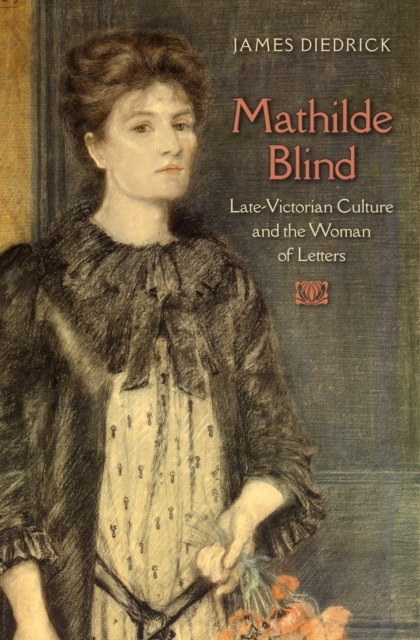
With Mathilde Blind: Late-Victorian Culture and the Woman of Letters, James Diedrick offers a groundbreaking critical biography of the German-born British poet Mathilde Blind (1841-1896), a freethinking radical feminist.
While many of its traditional elements, such as roads and utilities, do not change, urban infrastructure is undergoing a fascinating and necessary transformation in the wake of new information and communication technologies.
Offering a fresh look at interracial cooperation in the formative years of Jim Crow, The Uplift Generation examines how segregation was molded, not by Virginia's white political power structure alone but rather through the work of a generation of Virginian reformers across the color line who from 1900 to 1930 engaged in interracial reforms.
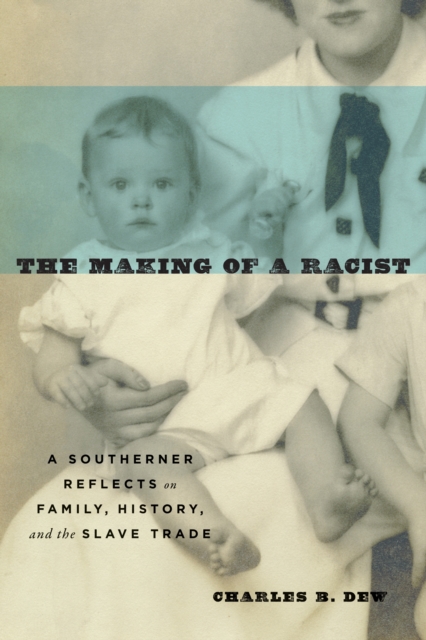
In this powerful memoir, Charles Dew, one of America's most respected historians of the South--and particularly its history of slavery--turns the focus on his own life, which began not in the halls of enlightenment but in a society unequivocally committed to segregation.
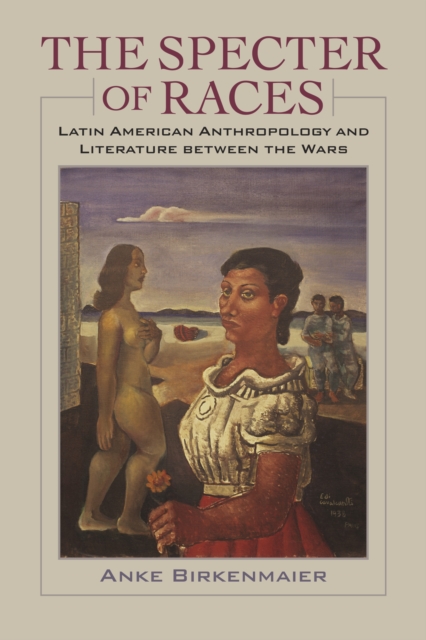
Arguing that race has been the specter that has haunted many of the discussions about Latin American regional and national cultures today, Anke Birkenmaier shows how theories of race and culture in Latin America evolved dramatically in the period between the two world wars.
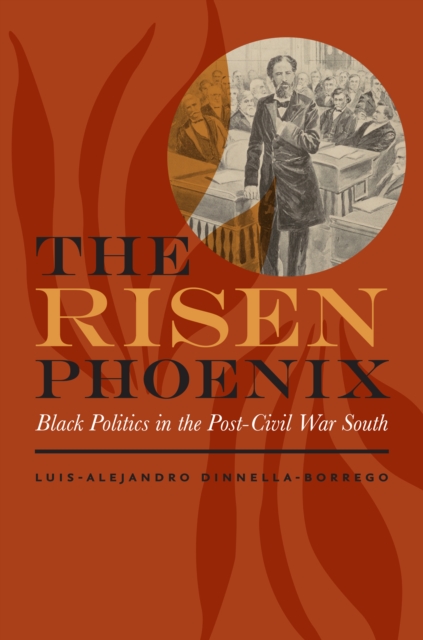
The Risen Phoenix charts the changing landscape of black politics and political culture in the postwar South by focusing on the careers of six black congressmen who served between the Civil War and the turn of the nineteenth century: John Mercer Langston of Virginia, James Thomas Rapier of Alabama, Robert Smalls of South Carolina, John Roy Lynch of Mississippi, Josiah Thomas Walls of Florida, and George Henry White of North Carolina.
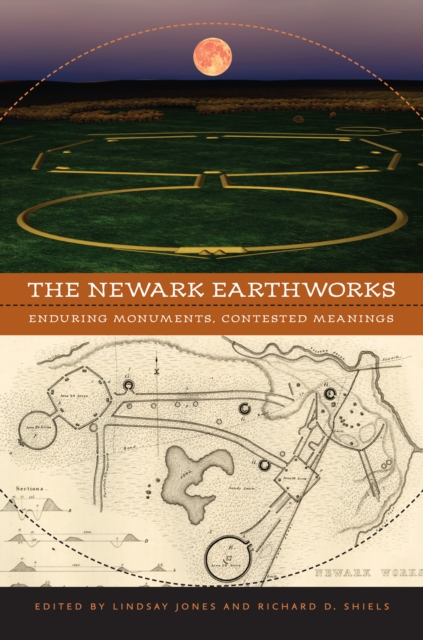
Considered a wonder of the ancient world, the Newark Earthworks-the gigantic geometrical mounds of earth built nearly two thousand years ago in the Ohio valley--have been a focal point for archaeologists and surveyors, researchers and scholars for almost two centuries.
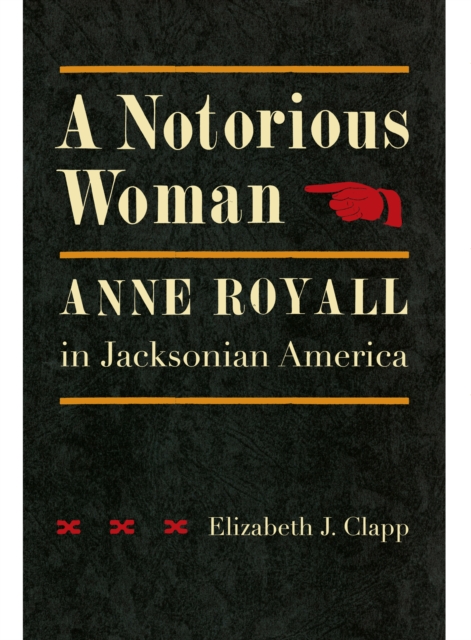
During her long career as a public figure in Jacksonian America, Anne Royall was called everything from an "e;enemy of religion"e; to a "e;Jackson man"e; to a "e;common scold.