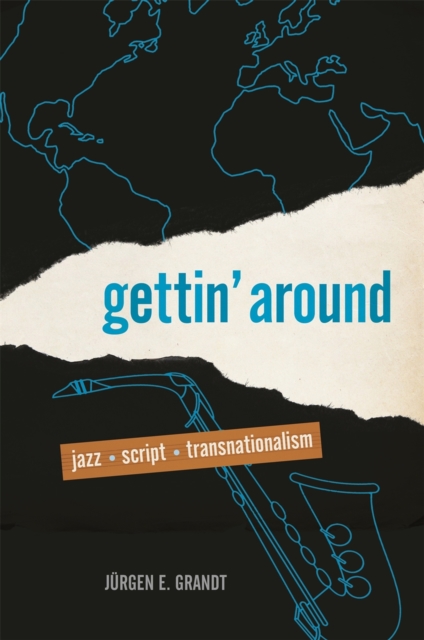
Gettin' Around examines how the global jazz aesthetic strives, in various ways, toward an imaginative reconfiguration of a humanity that transcends entrenched borders of ethnicity and nationhood, while at the same time remaining keenly aware of the exigencies of history.
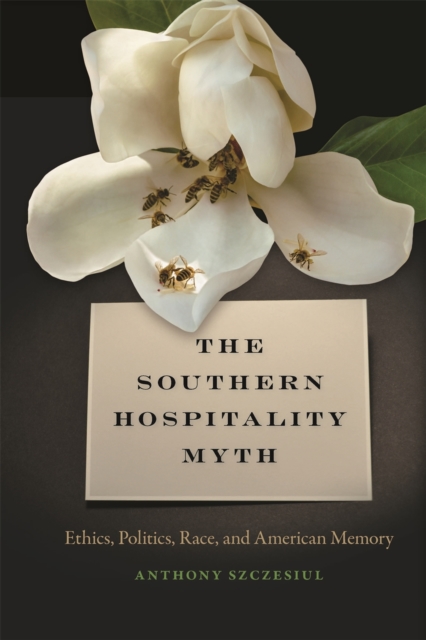
Hospitality as a cultural trait has been associated with the South for well over two centuries, but the origins of this association and the reasons for its perseverance of-ten seem unclear.
Growing Up America brings together new scholarship that considers the role of children and teenagers in shaping American political life during the decades following the Second World War.
However unthinkable child-soldiers may be within a generalized conception of childhood, they are not imaginary figures; rather, they are a constant in almost every armed conflict around the world.
As founding editor of Creative Nonfiction and architect of the genre, Lee Gutkind played a crucial role in establishing literary, narrative nonfiction in the marketplace and in the academy.
With a fresh interpretation of African American resistance to kidnapping and pre-Civil War political culture, Blind No More sheds new light on the coming of the Civil War by focusing on a neglected truism: the antebellum free states experienced a dramatic ideological shift that questioned the value of the Union.
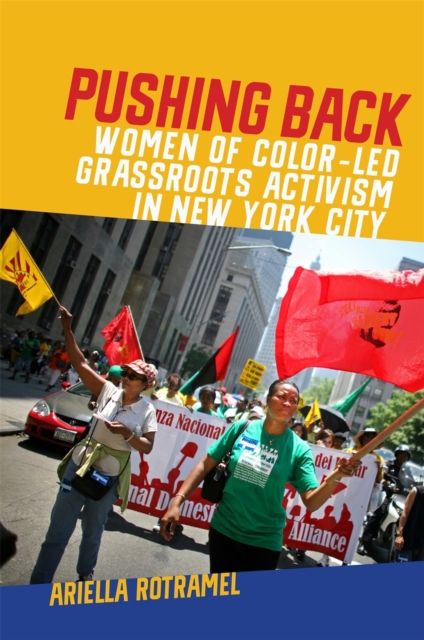
Loisaida as Urban Laboratory is the first in-depth analysis of the network of Puerto Rican community activism in New York City's Lower East Side from 1964 to 2001.
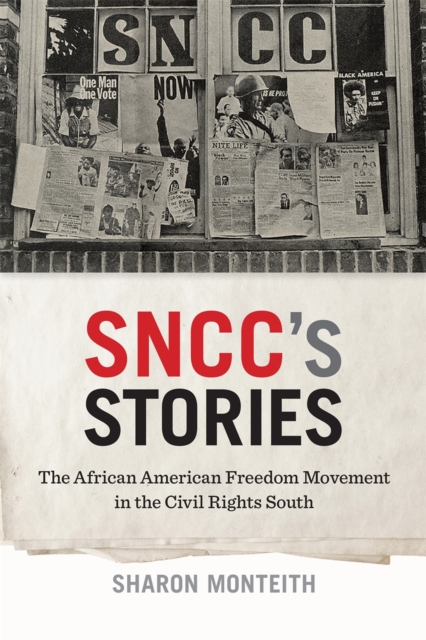
Formed in 1960 in Raleigh, North Carolina, the Student Non-violent Coordinating Committee (SNCC) was a high-profile civil rights collective led by young people.
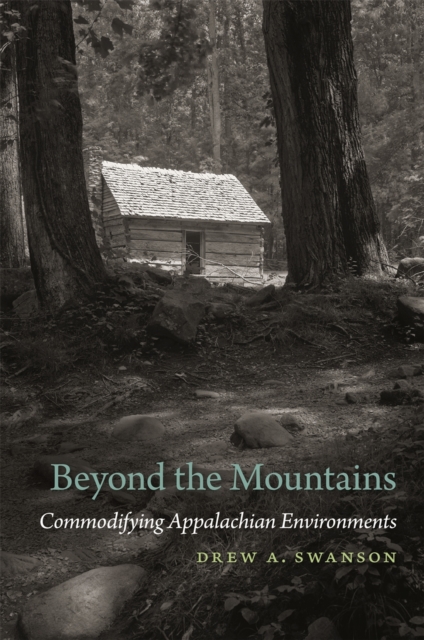
Beyond the Mountains explores the ways in which Appalachia often served as a laboratory for the exploration and practice of American conceptions of nature.
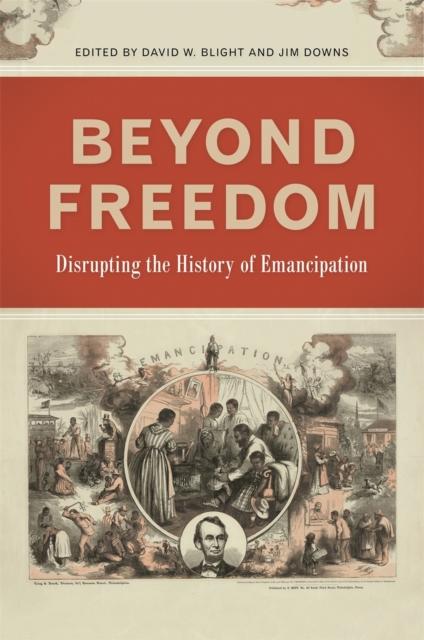
Over the long nineteenth century, African-descended peoples used the uncertainties and possibilities of emancipation to stake claims to freedom, equality, and citizenship.
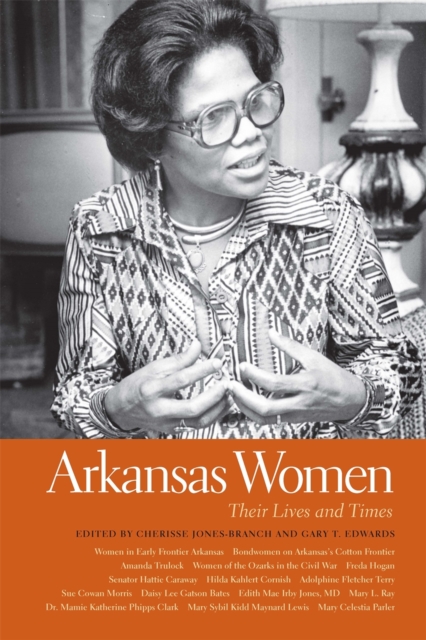
Following in the tradition of the Southern Women series, Arkansas Women highlights prominent Arkansas women, exploring women's experiences across time and space from the state's earliest frontier years to the late twentieth century.
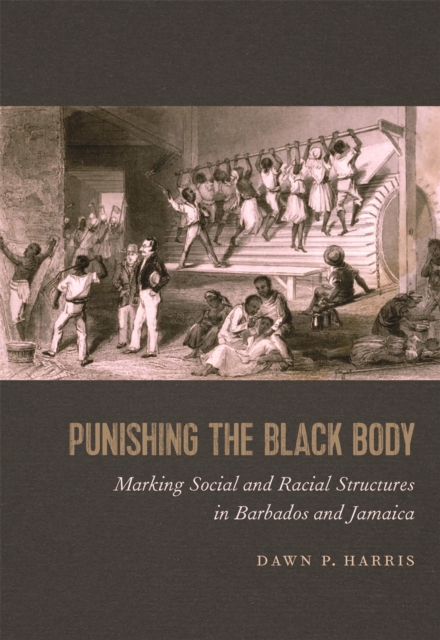
Punishing the Black Body examines the punitive and disciplinary technologies and ideologies embraced by ruling white elites in nineteenth-century Barbados and Jamaica.
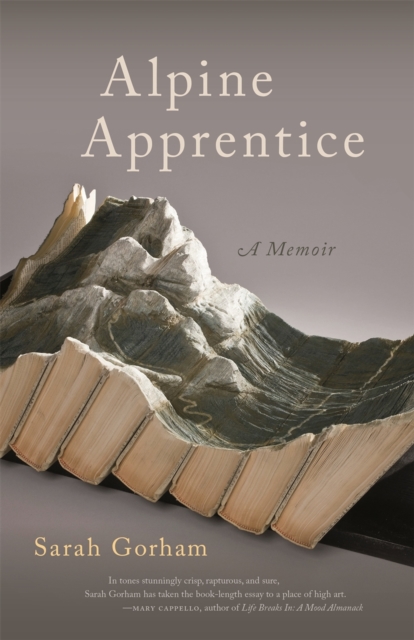
Sarah Gorham recounts her childhood education as a rebellious, insecure, angry girl shipped overseas to a tiny international school perched on a mountain shelf in Bernese-Oberland, Switzerland.
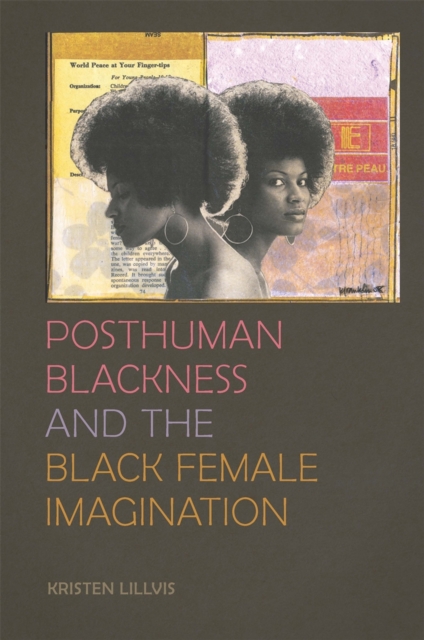
Posthuman Blackness and the Black Female Imagination examines the future-oriented visions of black subjectivity in works by contemporary black women writers, filmmakers, and musicians, including Toni Morrison, Octavia Butler, Julie Dash, and Janelle Monae.
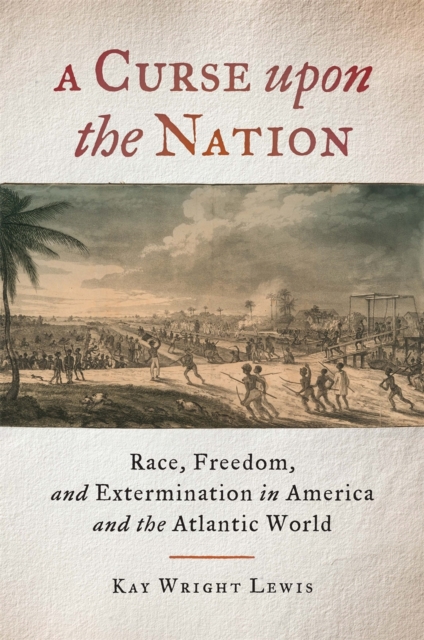
From the inception of slavery as a pillar of the Atlantic World economy, both Europeans and Africans feared their mass extermination by the other in a race war.
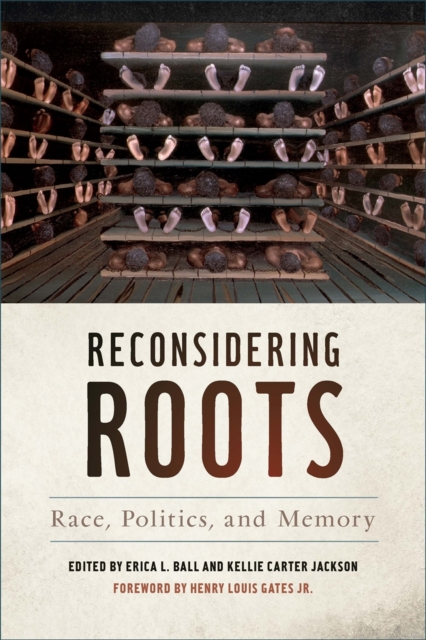
This wide-ranging interdisciplinary collection-the first of its kind-invites us to recon-sider the politics and scope of the Roots phenomenon of the 1970s.
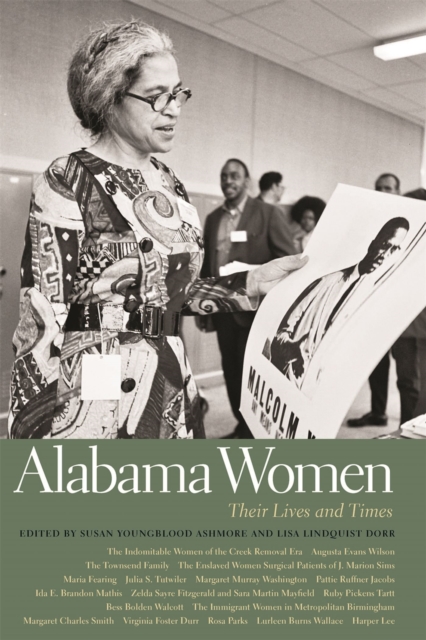
Another addition to the Southern Women series, Alabama Women celebrates women's histories in the Yellowhammer State by highlighting the lives and contributions of women and enriching our understanding of the past and present.
Hospitality as a cultural trait has been associated with the South for well over two centuries, but the origins of this association and the reasons for its perseverance of-ten seem unclear.
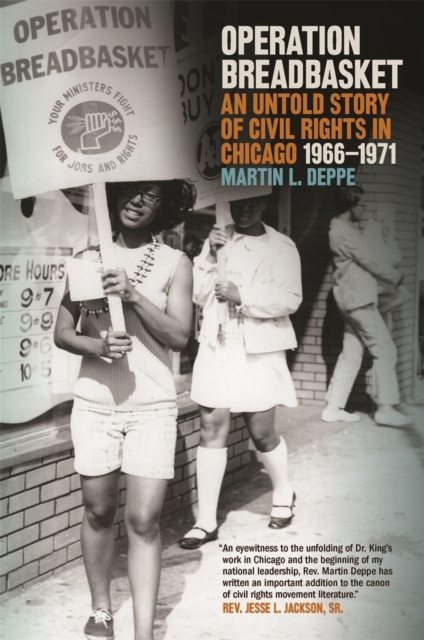
This is the first full history of Operation Breadbasket, the interfaith economic justice program that transformed into Jesse Jackson's Operation PUSH (now the Rainbow PUSH Coalition).
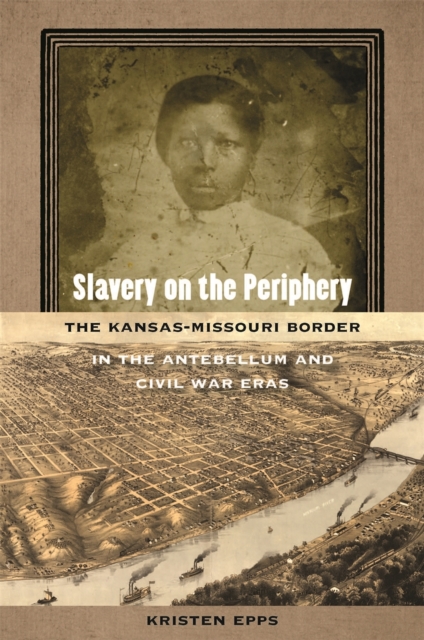
Slavery on the Periphery traces the rise and fall of chattel slavery on the Kansas-Missouri border from the earliest years of American settlement through the Civil War, exploring how its presence shaped life on this critical geographical, political, and social fault line.
Katharine Du Pre Lumpkin's 1946 autobiography The Making of a Southerner is considered a classic testament of a white southerner's commitment to racial justice in a culture where little was to be found.
For American children raised exclusively in wartime-that is, a Cold War containing monolithic communism turned hot in the jungles of Southeast Asia-and the first to grow up with televised combat, Vietnam was predominately a mediated experience.
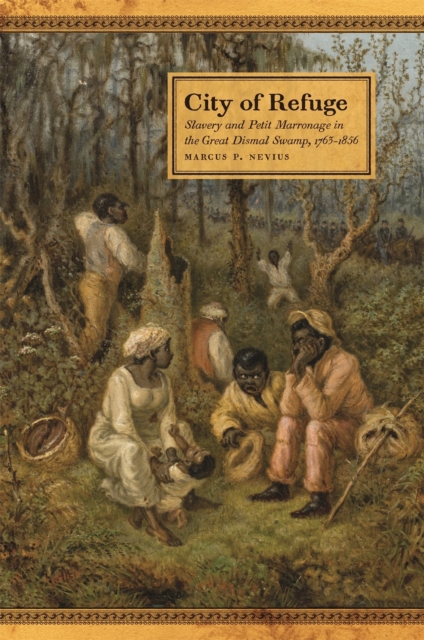
City of Refuge is a story of petit marronage, an informal slave's economy, and the construction of internal improvements in the Great Dismal Swamp of Virginia and North Carolina.
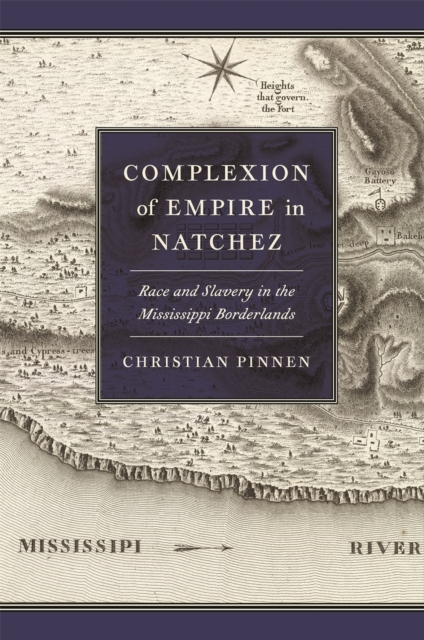
In Complexion of Empire in Natchez, Christian Pinnen examines slavery in the colonial South, using a variety of legal records and archival documents to investigate how bound labor contributed to the establishment and subsequent control of imperial outposts in colonial North America.