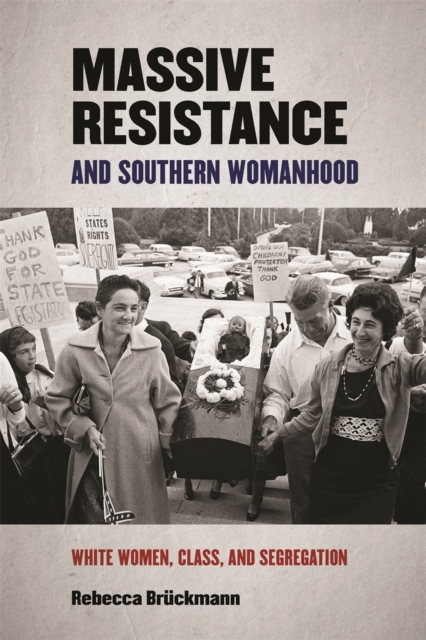
Massive Resistance and Southern Womanhood offers a comparative sociocultural and spatial history of white supremacist women who were active in segregationist grassroots activism in Little Rock, New Orleans, and Charleston from the late 1940s to the late 1960s.
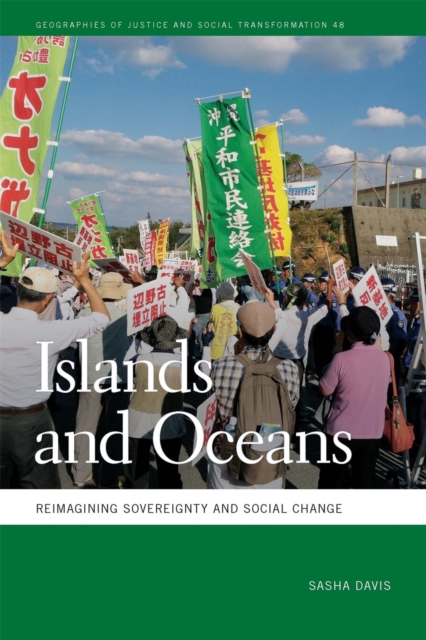
Sovereignty is a term used by stateless people seeking decolonization as well as by dominant social groups struggling to reassert their socially privileged positions.
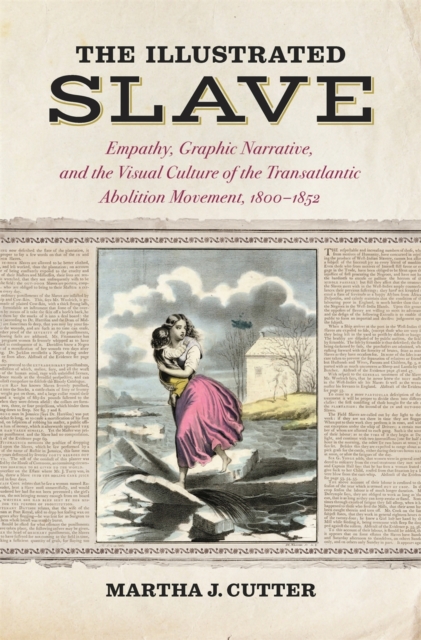
From the 1787 Wedgwood antislavery medallion featuring the image of an enchained and pleading black body to Quentin Tarantino's Django Unchained (2012) and Steve McQueen's Twelve Years a Slave (2013), slavery as a system of torture and bondage has fascinated the optical imagination of the transatlantic world.
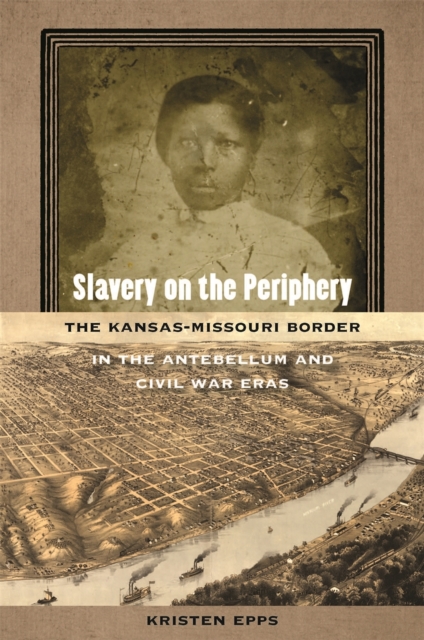
Slavery on the Periphery traces the rise and fall of chattel slavery on the Kansas-Missouri border from the earliest years of American settlement through the Civil War, exploring how its presence shaped life on this critical geographical, political, and social fault line.
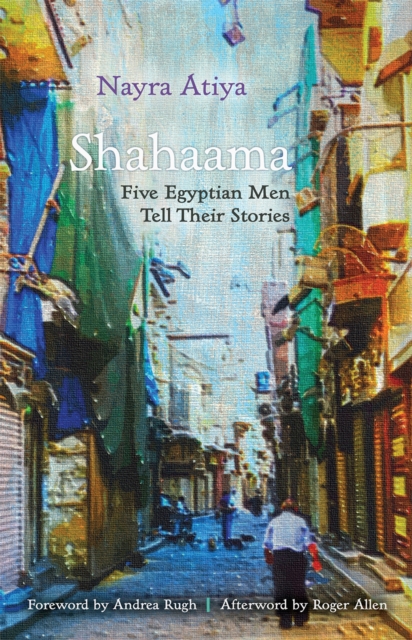
Between the late 1970s and the early 1980s, Nayra Atiya gathered the oral histories of five Egyptian men: a fisherman, an attorney, a scholar, a business- man, and a production manager.
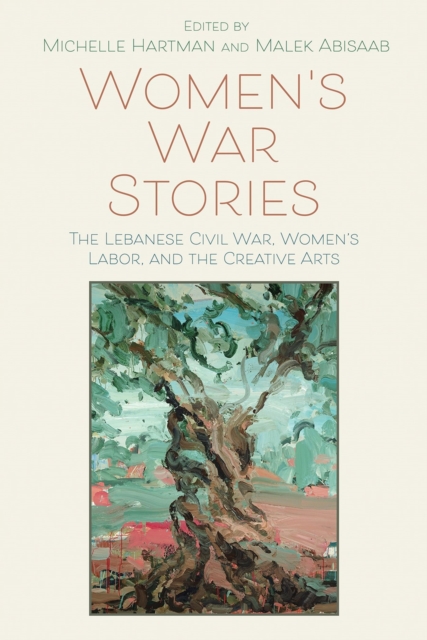
Women have consistently been left out of the official writing of Lebanese history, and nowhere is this more obvious than in writing on the Lebanese Civil War.
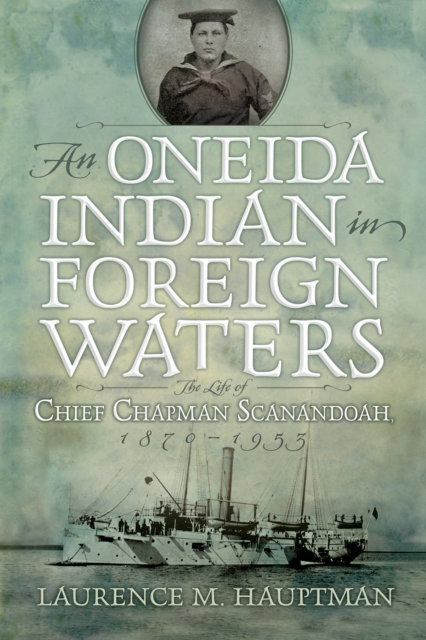
Chief Chapman Scanandoah (1870-1953) was a decorated Navy veteran who served in the Spanish-American War, a skilled mechanic, and a prize-winning agronomist who helped develop the Iroquois Village at the New York State Fair.
Since the establishment of the Northern Irish state in 1921, theatre has often captured and reflected the political, social, and cultural changes that the North has experienced.
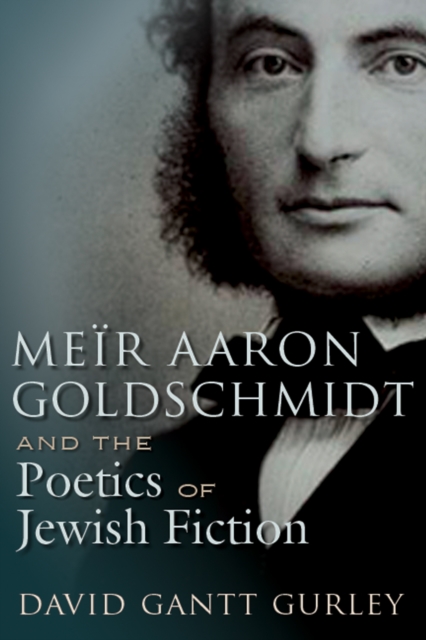
Meir Aaron Goldschmidt and the Poetics of Jewish Fiction presents a bold new reading of one of Denmark's greatest writers of the nineteenth century, situating him, first and foremost, as a Jewish artist.
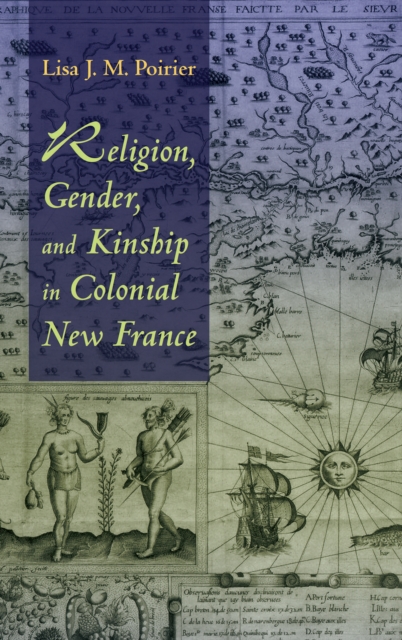
The individual and cultural upheavals of early colonial New France were experienced differently by French explorers and settlers, and by Native traditionalists and Catholic converts.
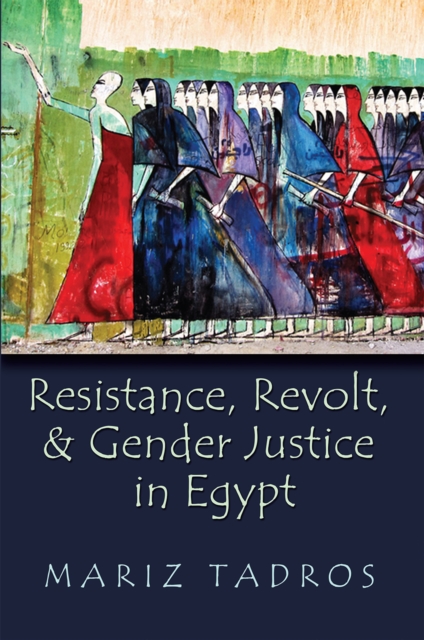
On December 20, 2011, Egyptian women of all ages and backgrounds-urban and rural, working class and upper class-came out in force to Cairo's Tahrir Square in one of the largest uprisings in the country's history.
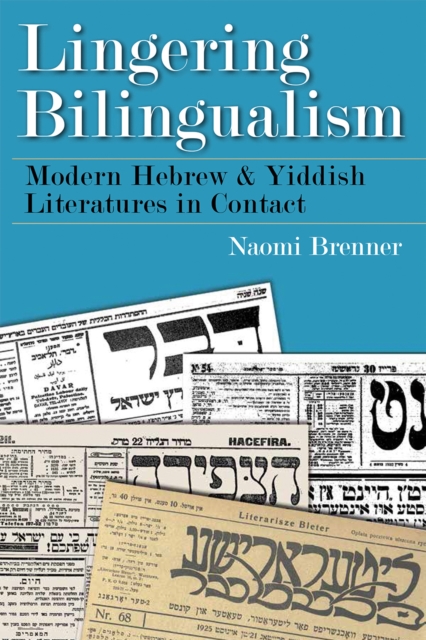
In a famous comment made by the poet Chayim Nachman Bialik, Hebrew-the language of the Jewish religious and intellectual tradition-and Yiddish-the East European Jewish vernacular-were "e;a match made in heaven that cannot be separated.
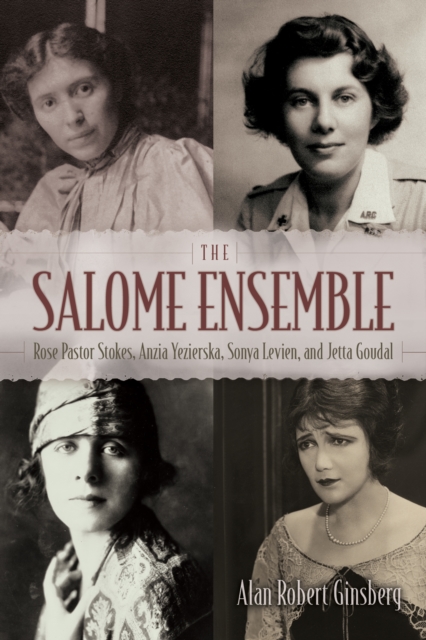
The Salome Ensemble probes the entangled lives, works, and passions of a political activist, a novelist, a screenwriter, and a movie actress who collaborated in 1920s New York City.
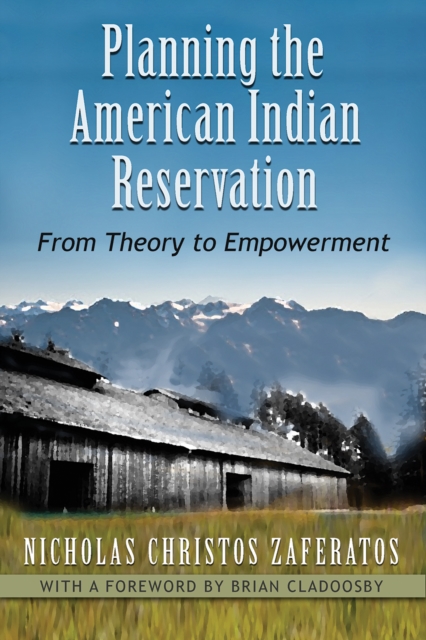
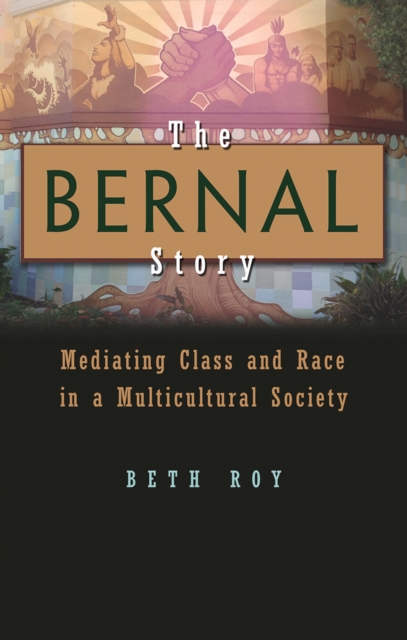
Although all advanced industrial societies have urban and regional development policies, such policy in the United States historically has taken on a very distinct form.
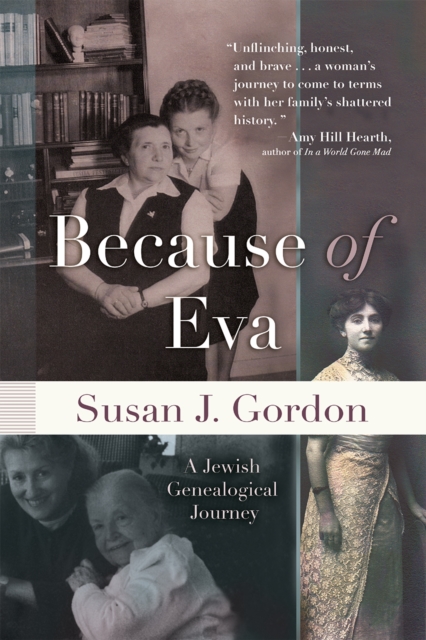
In Because of Eva, an American Jewish woman travels to Eastern Europe and Israel to solve mysteries in her family's past by delving into World War II and Holocaust history.
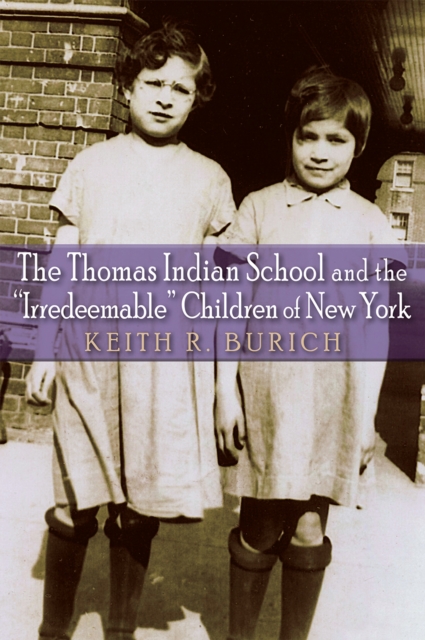
The story of the Thomas Indian School is the story of the Iroquois people and the suffering and despair of the children who found themselves trapped in an institution from which there was little chance for escape.
In the wake of recent upheavals across the Arab world, a simplistic media portrayal of the region as essentially homogenous has given way to a new though equally shallow portrayal, casting it as deeply divided along ethnic, linguistic, and religious lines.
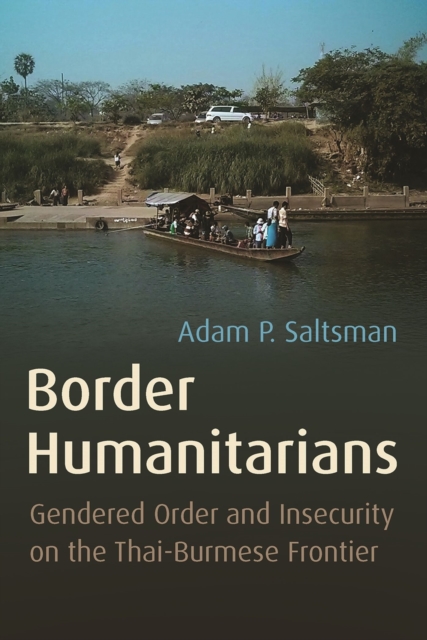
In rich ethnographic detail, Border Humanitarians explores the narratives of Burmese activists in exile who rely on transnational political and social networks to respond to gender violence among the hundreds of thousands of migrants living and working precariously on the Thai border with Myanmar.
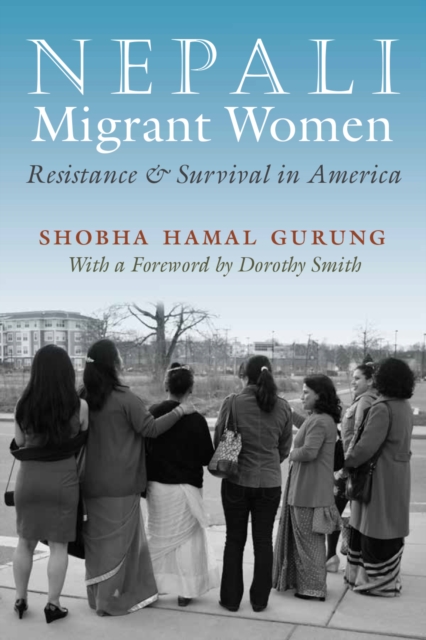
In this pathbreaking and timely work, Hamal Gurung gives voice to the growing number of Nepali women who migrate to the United States to work in the informal economy.
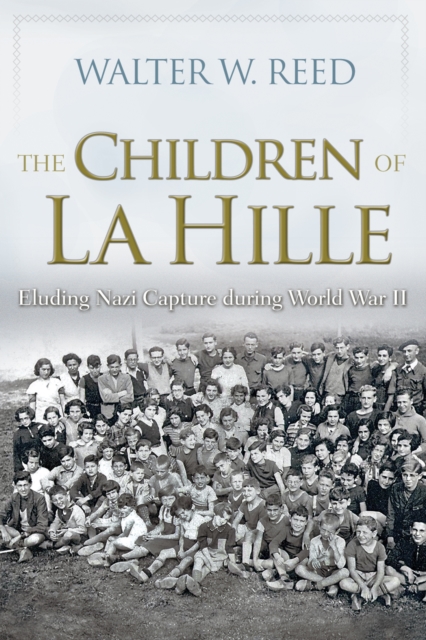
Following the horrors of Kristallnacht in November of 1938, frightened parents were forced to find refuge for their children, far from the escalating anti-Jewish violence.
Far from offering another study that bemoans Arab women's repression and veiling, Anxiety of Erasure looks at Arab women writers living in the diaspora who have translated their experiences into a productive and creative force.
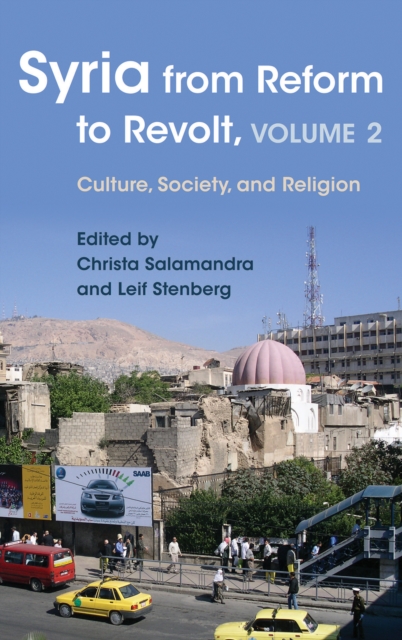
As Syria's anti-authoritarian uprising and subsequent civil war have left the country in ruins, the need for understanding the nation's complex political and cultural realities remains urgent.
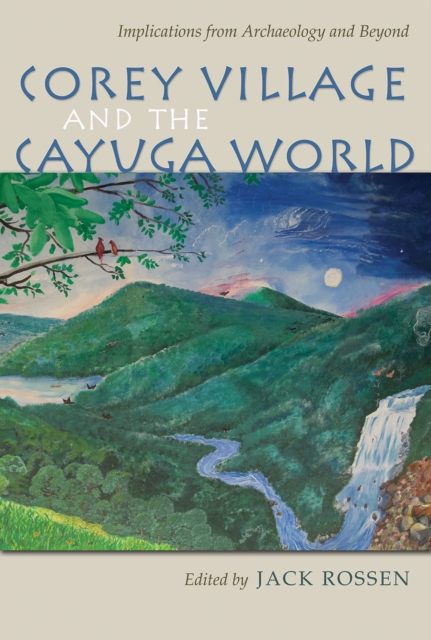
The Cayuga are one of the original five nations of the Haudenosaunee Confederacy, a powerful alliance of Native American tribes in the Northeast, inhabiting much of the land in what is now central New York State.
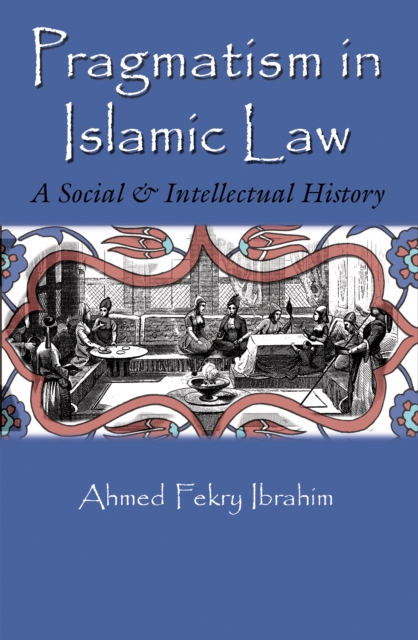
In Pragmatism in Islamic Law, Ibrahim presents a detailed history of Sunni legal pluralism and the ways in which it was employed to accommodate the changing needs of society.
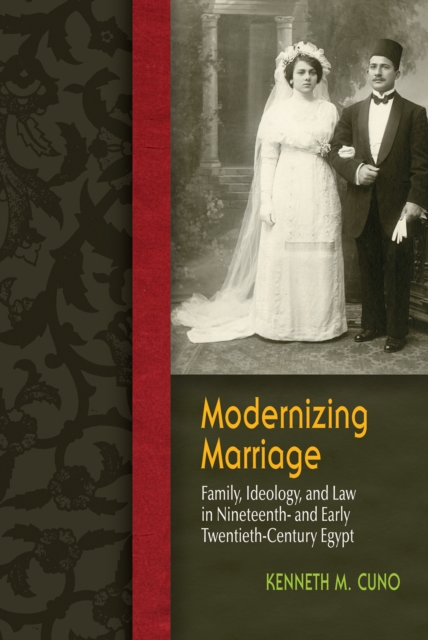
In 1910, when Khedive Abbas II married a second wife surreptitiously, the contrast with his openly polygamous grandfather, Ismail, whose multiple wives and concubines signified his grandeur and masculinity, could not have been greater.
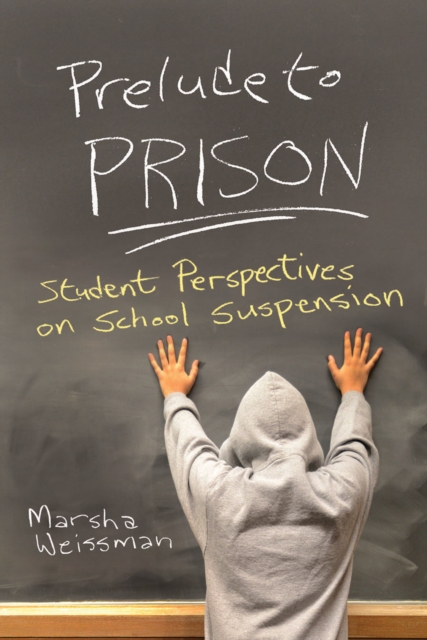
By the close of the twentieth century, the United States became known for its reliance on incarceration as the chief means of social control, particularly in poor communities of color.
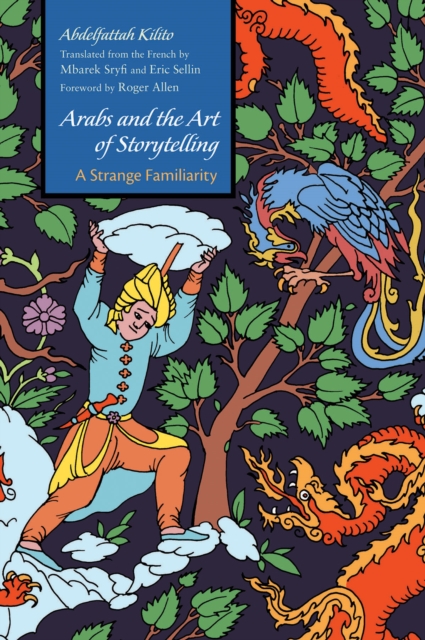
In Arabs and the Art of Storytelling, the eminent Moroccan literary historian and critic Kilito revisits and reassesses, in a modern critical light, many traditional narratives of the Arab world.
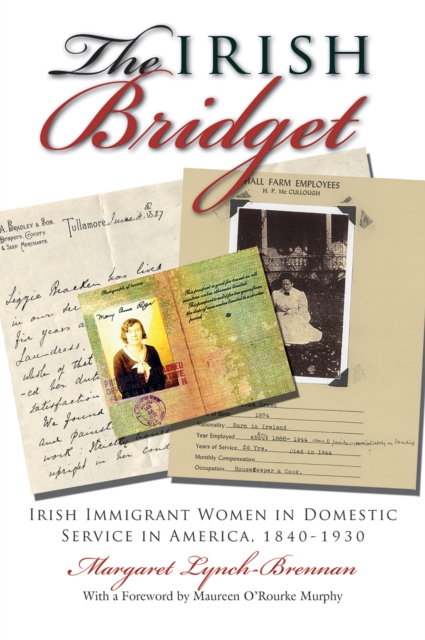
"e;Bridget"e; was the Irish immigrant servant girl who worked in American homes from the second half of the nineteenth century into the early years of the twentieth.