This vibrant book pulses with the beats of a new American South, probing the ways music, literature, and film have remixed southern identities for a postcivil rights generation.
As Deirdre Clemente shows in this lively history of fashion on American college campuses, whether its jeans and sneakers or khakis with a polo shirt, chances are college kids made it cool.
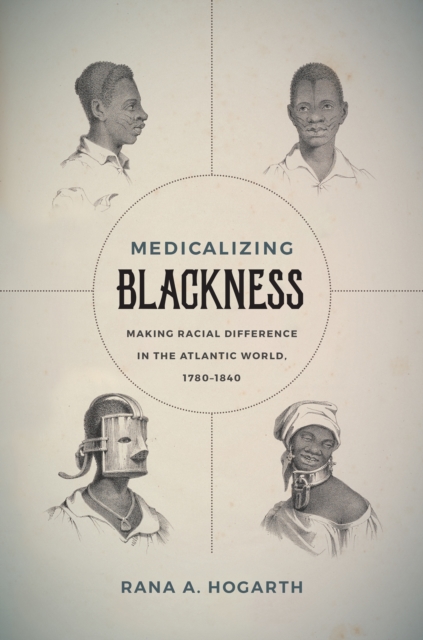
In 1748, as yellow fever raged in Charleston, South Carolina, doctor John Lining remarked, There is something very singular in the constitution of the Negroes, which renders them not liable to this fever.
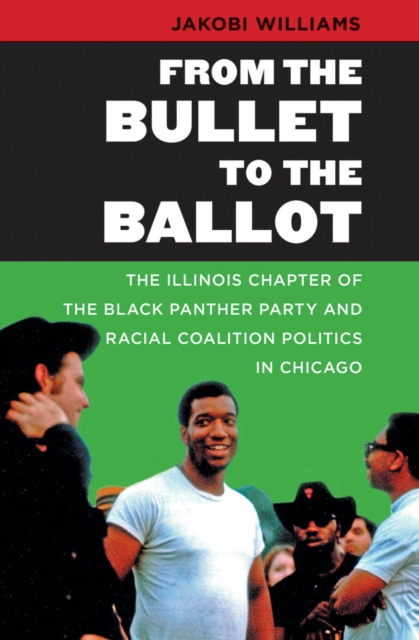
In this comprehensive history of the Illinois Chapter of the Black Panther Party (ILBPP), Chicago native Jakobi Williams demonstrates that the citys Black Power movement was both a response to and an extension of the citys civil rights movement.
Examining three interconnected case studies, Tamar Carroll powerfully demonstrates the ability of grassroots community activism to bridge racial and cultural differences and effect social change.
In this book, Sharada Balachandran Orihuela examines property ownership and its connections to citizenship, race and slavery, and piracy as seen through the lens of eighteenth- and nineteenth-century American literature.
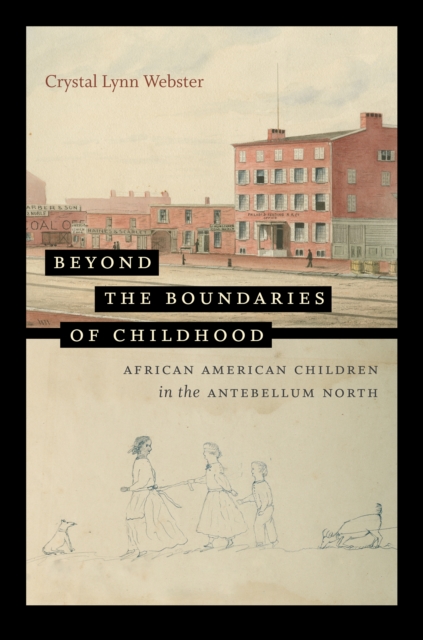
For all that is known about the depth and breadth of African American history, we still understand surprisingly little about the lives of African American children, particularly those affected by northern emancipation.
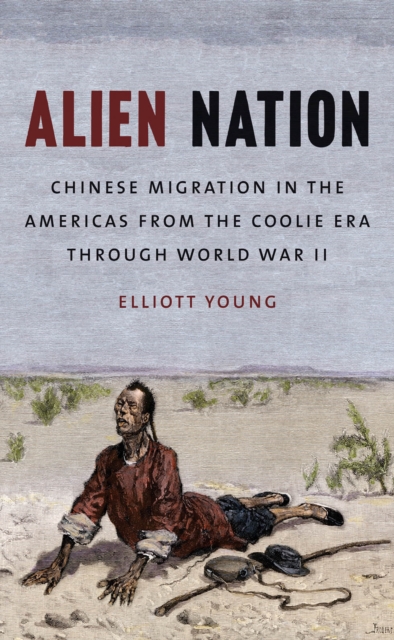
In this sweeping work, Elliott Young traces the pivotal century of Chinese migration to the Americas, beginning with the 1840s at the start of the coolie trade and ending during World War II.
Adas explores the relationship between millenarianism and violent protest by focusing on five case studies representing a wide range of social, political, and economic systems.
A pillar of radical activism in nineteenth-century America, Amy Kirby Post (180289) participated in a wide range of movements and labored tirelessly to orchestrate ties between issues, causes, and activists.
Irfan Ahmad makes the far-reaching argument that potent systems and modes for self-critique as well as critique of others are inherent in Islam indeed, critique is integral to its fundamental tenets and practices.
In 1932, the city of Natchez, Mississippi, reckoned with an unexpected influx of journalists and tourists as the lurid story of a local murder was splashed across headlines nationwide.
In this surprising new look at how clothing, style, and commerce came together to change American culture, Jennifer Le Zotte examines how secondhand goods sold at thrift stores, flea markets, and garage sales came to be both profitable and culturally influential.
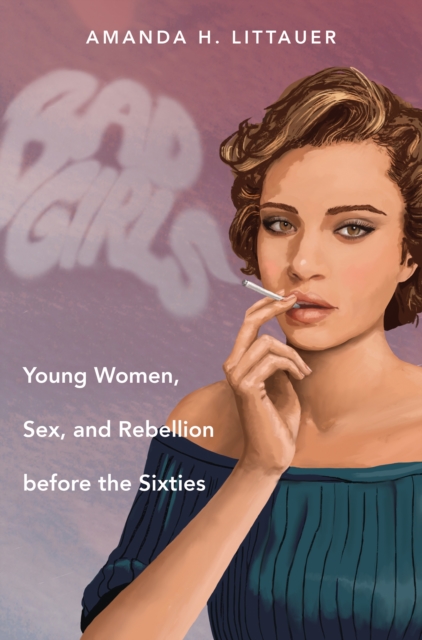
In this innovative and revealing study of midcentury American sex and culture, Amanda Littauer traces the origins of the sexual revolution of the 1960s.
Conceived at the same conference that produced the Student Nonviolent Coordinating Committee (SNCC), the Student Interracial Ministry (SIM) was a national organization devoted to dismantling Jim Crow while simultaneously advancing American Protestant mainline churches approach to race.
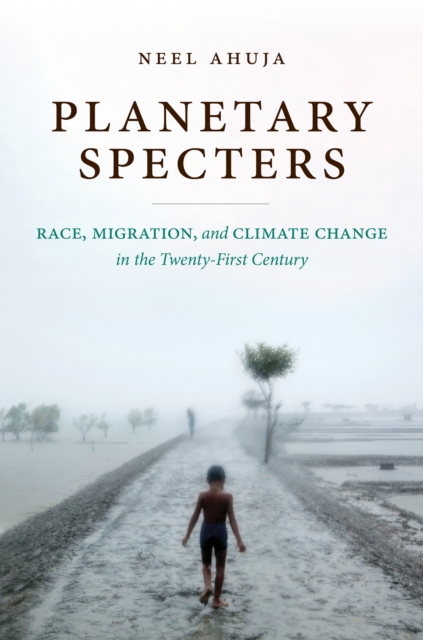
Neel Ahuja tracks the figure of the climate refugee in public media and policy over the past decade, arguing that journalists, security experts, politicians, and nongovernmental organizations have often oversimplified climate change and obfuscated the processes that drive mass migration.
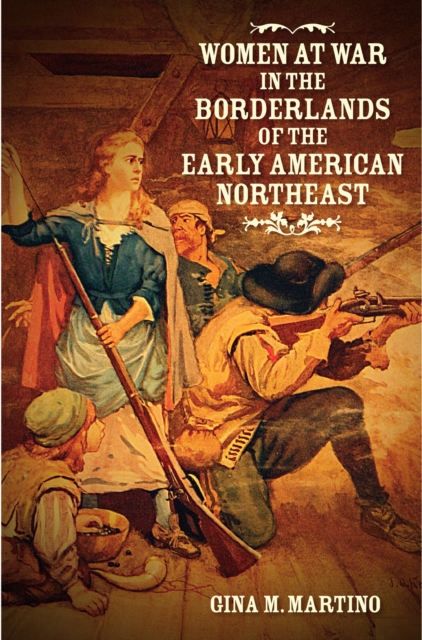
Across the borderlands of the early American northeast, New England, New France, and Native nations deployed women with surprising frequency to the front lines of wars that determined control of North America.
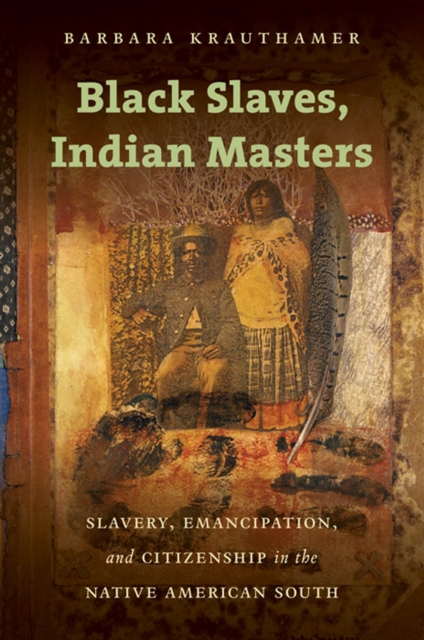
From the late eighteenth century through the end of the Civil War, Choctaw and Chickasaw Indians bought, sold, and owned Africans and African Americans as slaves, a fact that persisted after the tribes' removal from the Deep South to Indian Territory.