Over the past twenty years, DNA ancestry testing has morphed from a niche market into a booming international industry that encourages members of the public to answer difficult questions about their identity by looking to the genome.
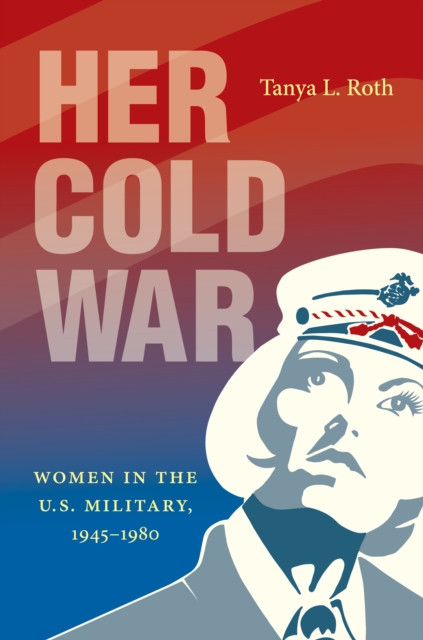
While Rosie the Riveter had fewer paid employment options after being told to cede her job to returning World War II veterans, her sisters and daughters found new work opportunities in national defense.
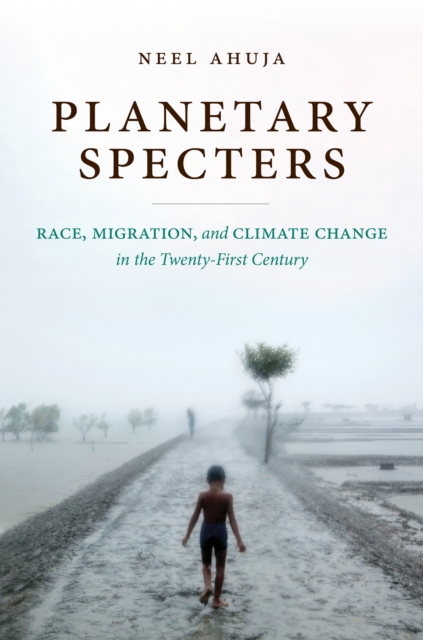
Neel Ahuja tracks the figure of the climate refugee in public media and policy over the past decade, arguing that journalists, security experts, politicians, and nongovernmental organizations have often oversimplified climate change and obfuscated the processes that drive mass migration.
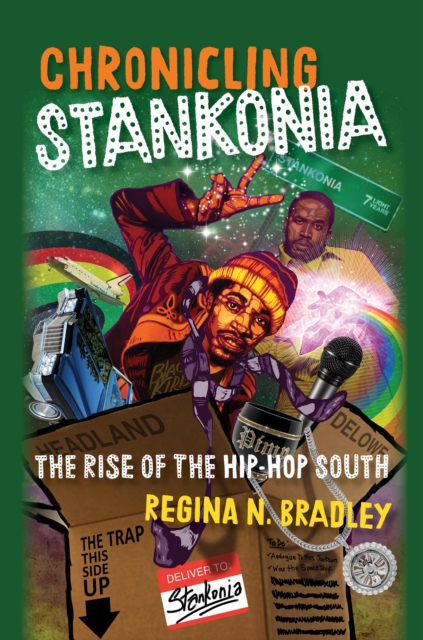
This vibrant book pulses with the beats of a new American South, probing the ways music, literature, and film have remixed southern identities for a postcivil rights generation.
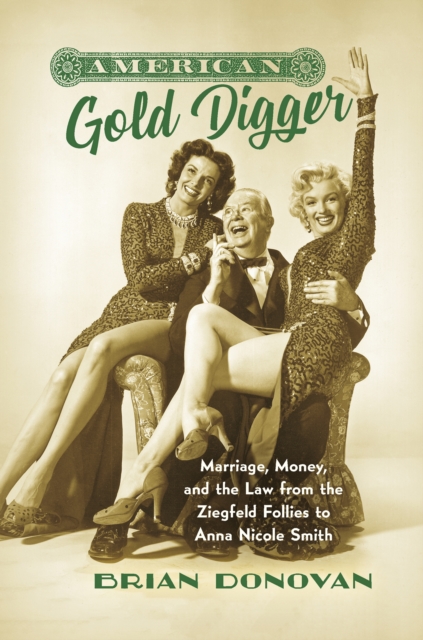
The stereotype of the gold digger has had a fascinating trajectory in twentieth-century America, from tales of greedy flapper-era chorus girls to tabloid coverage of Anna Nicole Smith and her octogenarian tycoon husband.
Americans responded to the deadly terrorist attacks on September 11, 2001, with an outpouring of patriotism, though all were not united in their expression.
As tourists increasingly moved across the United States in the late nineteenth and early twentieth centuries, a surprising number of communities looked to capitalize on the histories of Native American people to create tourist attractions.
With the publication of the 1619 Project by The New York Times in 2019, a growing number of Americans have become aware that Africans arrived in North America before the Pilgrims.
A social-developmental psychologist and a social anthropologist describe what is known and what needs to be investigated concerning the development of race and color concepts in young children.
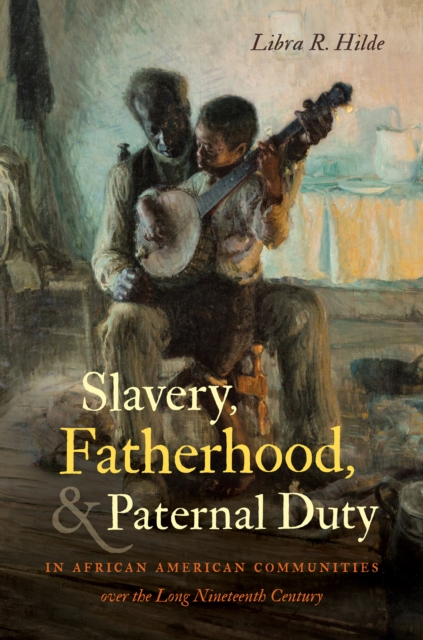
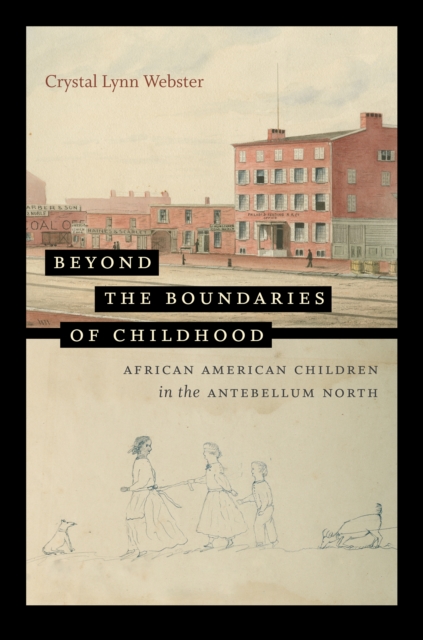
For all that is known about the depth and breadth of African American history, we still understand surprisingly little about the lives of African American children, particularly those affected by northern emancipation.
Over fifty years after her death, Simone Weil (1909-1943) remains one of the most searching religious inquirers and political thinkers of the twentieth century.
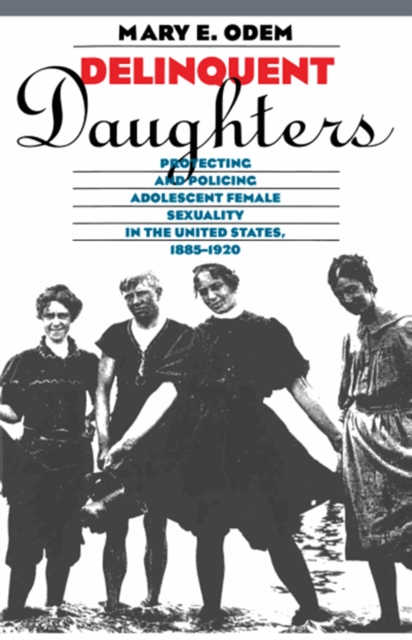
Delinquent Daughters explores the gender, class, and racial tensions that fueled campaigns to control female sexuality in late nineteenth- and early twentieth-century America.
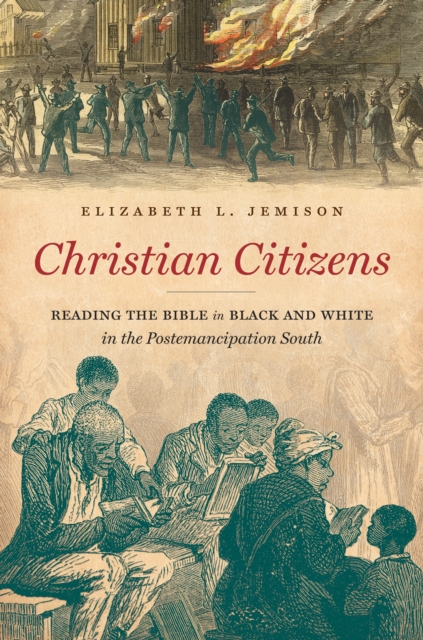
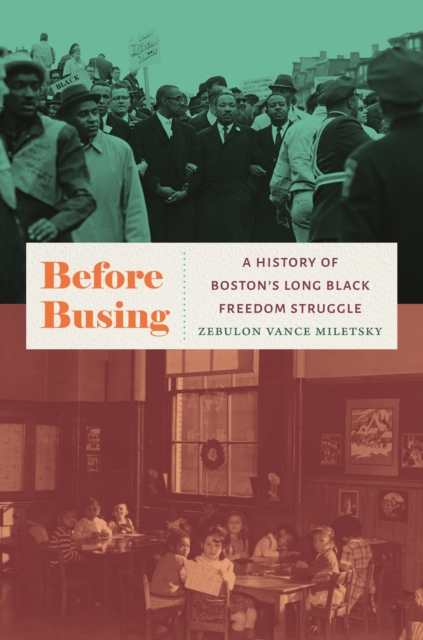
African American freedom is often defined in terms of emancipation and civil rights legislation, but it did not arrive with the stroke of a pen or the rap of a gavel.
This discerning and timely study revitalizes Webers ideas, applying them to welfare state redistributions and synthesizing them with major issues in political science, law, public administration, social welfare policy, and philosophy.
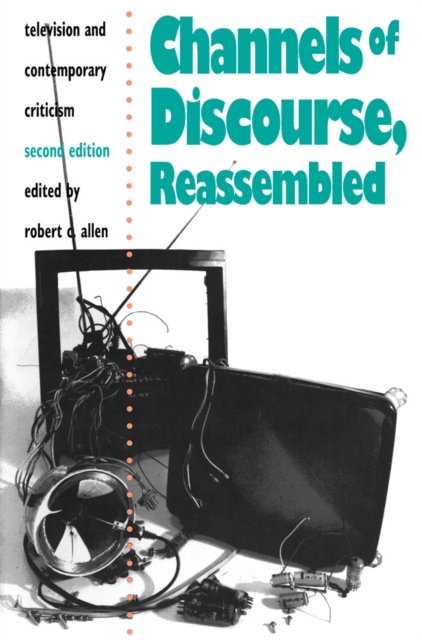
Since its original publication in 1987, Channels of Discourse has provided the most comprehensive consideration of commercial television, drawing on insights provided by the major strands of contemporary criticism: semiotics, narrative theory, reception theory, genre theory, ideological analysis, psychoanalysis, feminist criticism, and British cultural studies.
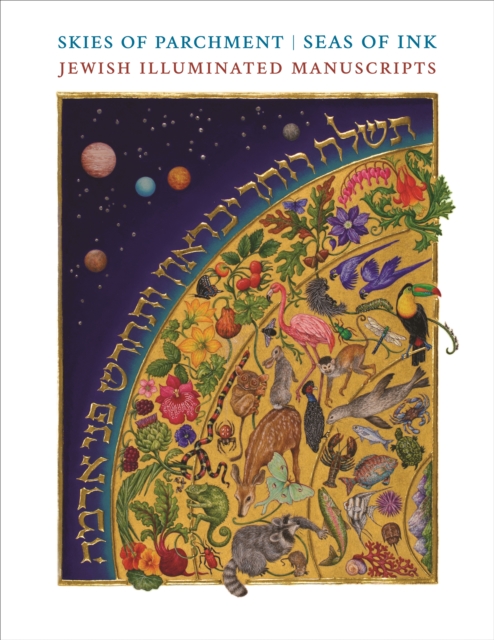
A superbly illustrated history of five centuries of Jewish manuscriptsThe love of books in the Jewish tradition extends back over many centuries, and the ways of interpreting those books are as myriad as the traditions themselves.
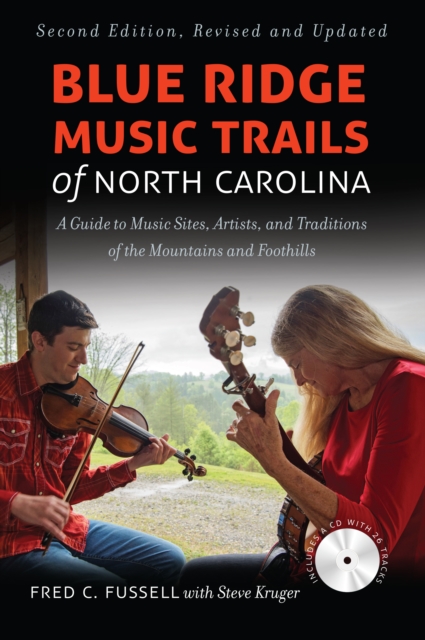
The Blue Ridge Mountains of North Carolina are the heart of a region where traditional music and dance are performed and celebrated as nowhere else in America.
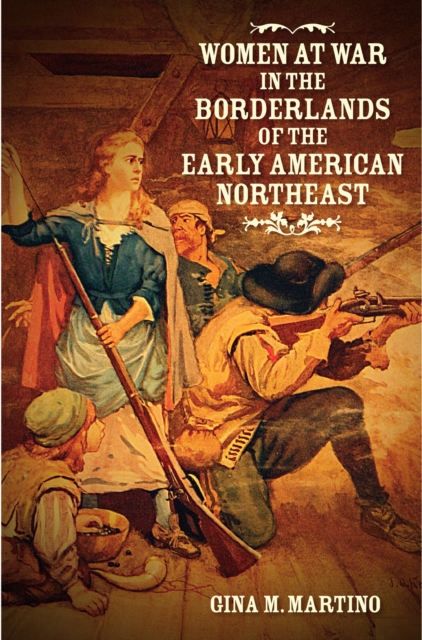
Across the borderlands of the early American northeast, New England, New France, and Native nations deployed women with surprising frequency to the front lines of wars that determined control of North America.
A pillar of radical activism in nineteenth-century America, Amy Kirby Post (180289) participated in a wide range of movements and labored tirelessly to orchestrate ties between issues, causes, and activists.
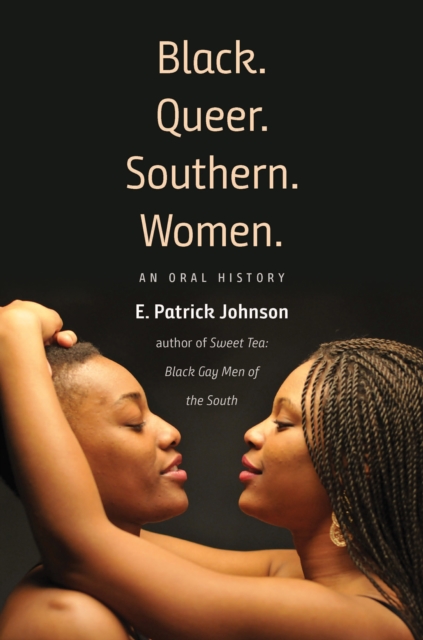
Drawn from the life narratives of more than seventy African American queer women who were born, raised, and continue to reside in the American South, this book powerfully reveals the way these women experience and express racial, sexual, gender, and class identities all linked by a place where such identities have generally placed them on the margins of society.
In this book, Sharada Balachandran Orihuela examines property ownership and its connections to citizenship, race and slavery, and piracy as seen through the lens of eighteenth- and nineteenth-century American literature.
The violence and radicalism connected with the Industrial Workers of the World textile strike of 1912 in Lawrence, Massachusetts, left the popular impression that Lawrence was a slum-ridden city inhabited by un-American revolutionaries.
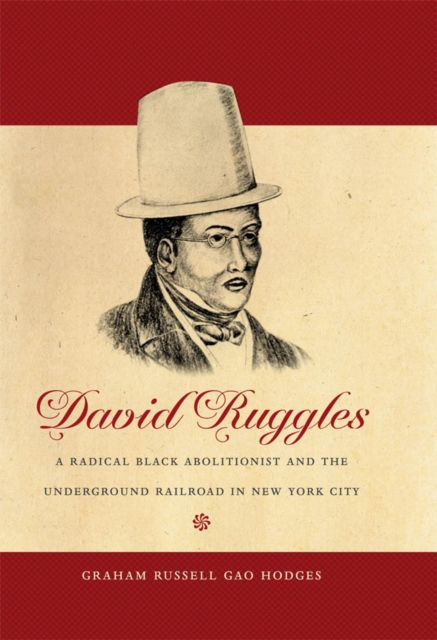
David Ruggles (18101849) was one of the most heroic and has been one of the most often overlooked figures of the early abolitionist movement in America.
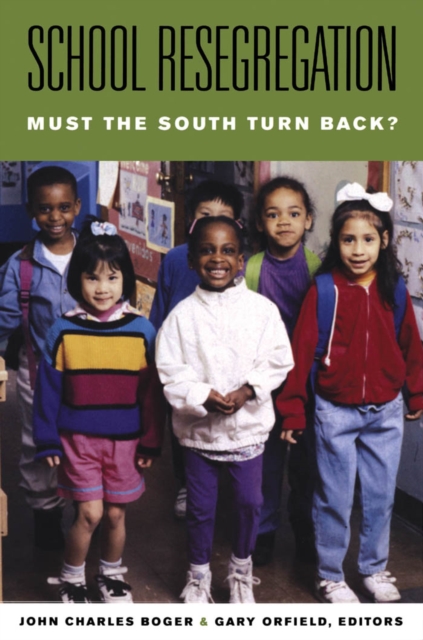
Confronting a reality that many policy makers would prefer to ignore, contributors to this volume offer the latest information on the trend toward the racial and socioeconomic resegregation of southern schools.
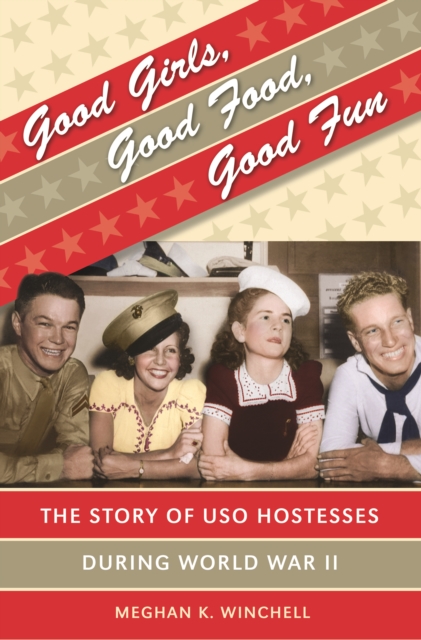
Throughout World War II, when Saturday nights came around, servicemen and hostesses happily forgot the war for a little while as they danced together in USO clubs, which served as havens of stability in a time of social, moral, and geographic upheaval.
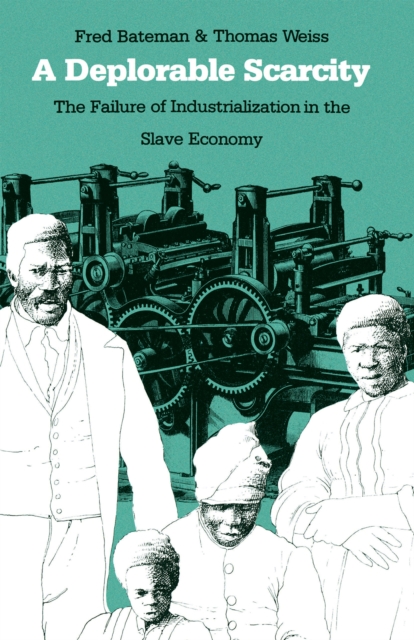
In this major reexamination of the southern industrial economy and its failure to progress during the antebellum period, Fred Bateman and Thomas Weiss show that slavery and its consequences were not alone in inhibiting industrialization.