Pursuing the meaning of gender in nineteenth-century urban American society, Ladies, Women, and Wenches compares the lives of women living in two distinctive antebellum cultures, Charleston and Boston, between 1820 and 1850.
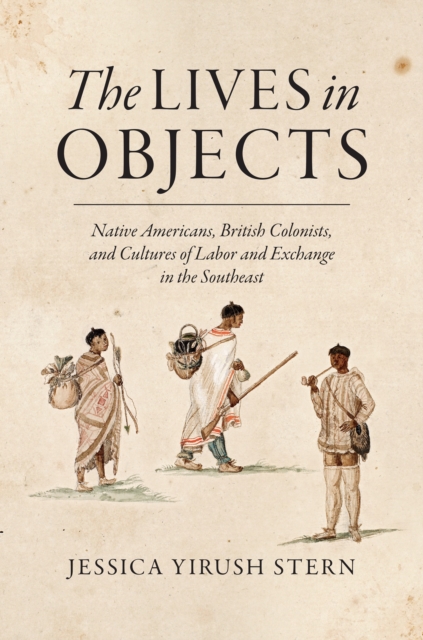
In The Lives in Objects, Jessica Yirush Stern presents a thoroughly researched and engaging study of the deerskin trade in the colonial Southeast, equally attentive to British American and Southeastern Indian cultures of production, distribution, and consumption.
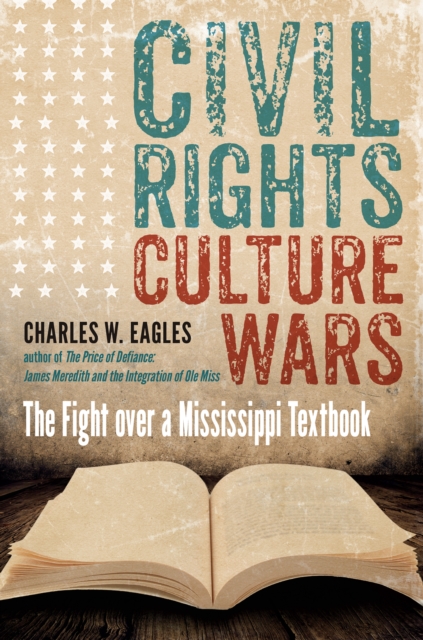
Just as Mississippi whites in the 1950s and 1960s had fought to maintain school segregation, they battled in the 1970s to control the school curriculum.
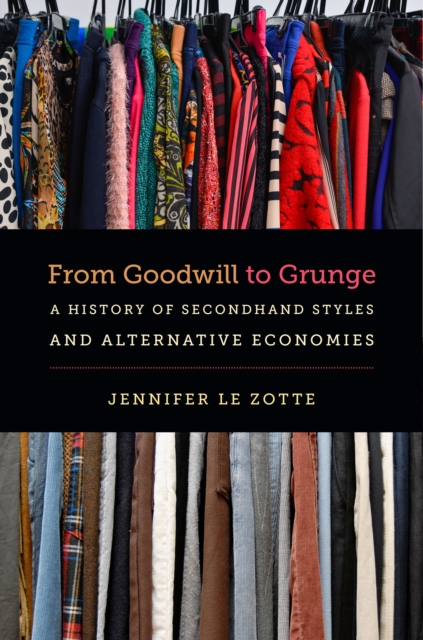
In this surprising new look at how clothing, style, and commerce came together to change American culture, Jennifer Le Zotte examines how secondhand goods sold at thrift stores, flea markets, and garage sales came to be both profitable and culturally influential.
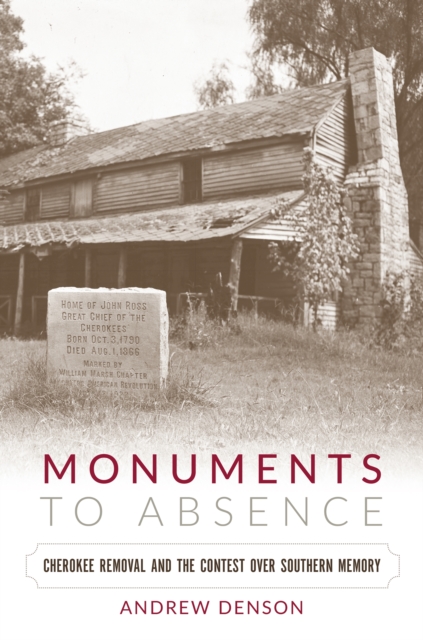
The 1830s forced removal of Cherokees from their southeastern homeland became the most famous event in the Indian history of the American South, an episode taken to exemplify a broader experience of injustice suffered by Native peoples.
In 1965, fed up with President Lyndon Johnsons refusal to make serious diplomatic efforts to end the Vietnam War, a group of female American peace activists decided to take matters into their own hands by meeting with Vietnamese women to discuss how to end U.
During the 1920s and 1930s, anthropologists and folklorists became obsessed with uncovering connections between African Americans and their African roots.
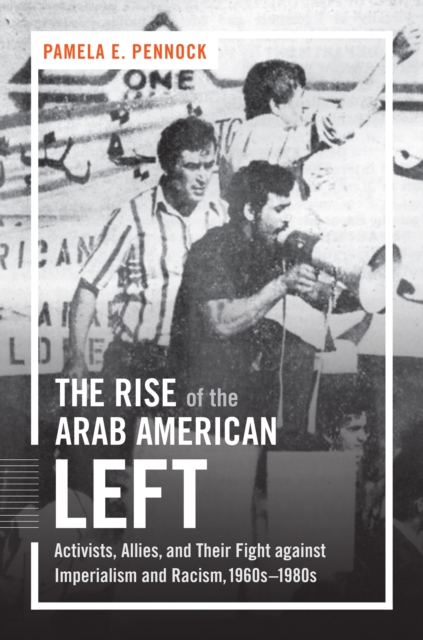
In this first history of Arab American activism in the 1960s, Pamela Pennock brings to the forefront one of the most overlooked minority groups in the history of American social movements.
Conceived at the same conference that produced the Student Nonviolent Coordinating Committee (SNCC), the Student Interracial Ministry (SIM) was a national organization devoted to dismantling Jim Crow while simultaneously advancing American Protestant mainline churches approach to race.
The Great Recession punished American workers, leaving many underemployed or trapped in jobs that did not provide the income or opportunities they needed.
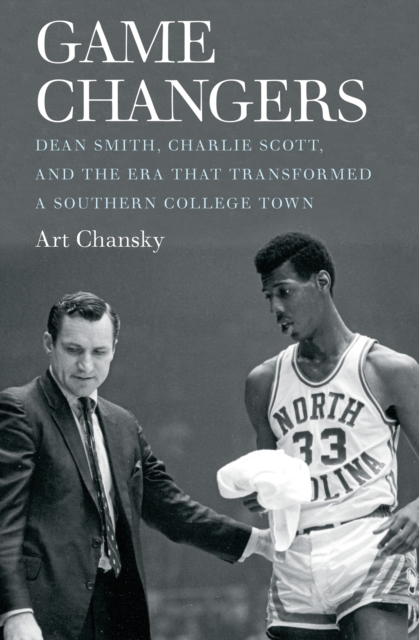
Among many legendary episodes from the life and career of mens basketball coach Dean Smith, few loom as large as his recruitment of Charlie Scott, the first African American scholarship athlete at the University of North Carolina at Chapel Hill.
At a moment when freedom of religion rhetoric fuels public debate, it is easy to assume that sex and religion have faced each other in pitched battle throughout modern U.
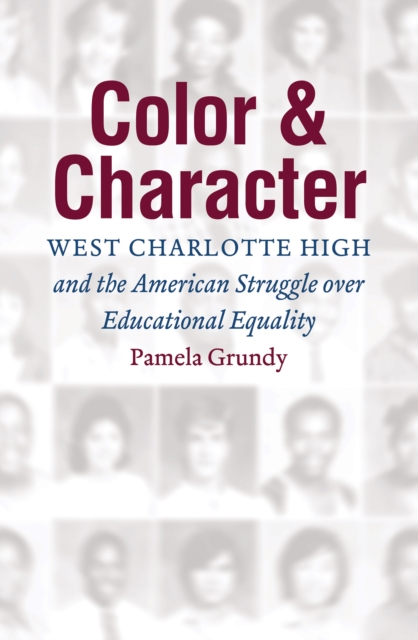
At a time when race and inequality dominate national debates, the story of West Charlotte High School illuminates the possibilities and challenges of using racial and economic desegregation to foster educational equality.
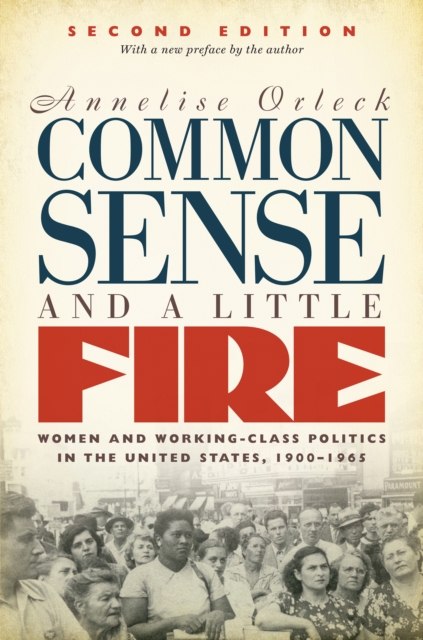
Over twenty years after its initial publication, Annelise Orlecks Common Sense and a Little Fire continues to resonate with its harrowing story of activism, labor, and womens history.
Irfan Ahmad makes the far-reaching argument that potent systems and modes for self-critique as well as critique of others are inherent in Islam indeed, critique is integral to its fundamental tenets and practices.
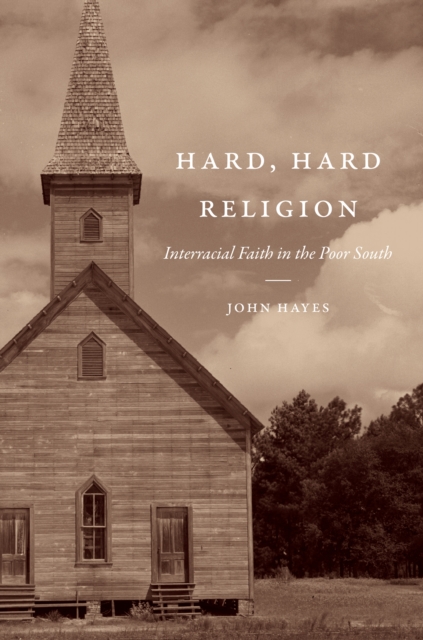
In his captivating study of faith and class, John Hayes examines the ways folk religion in the early twentieth century allowed the Souths poor both white and black to listen, borrow, and learn from each other about what it meant to live as Christians in a world of severe struggle.
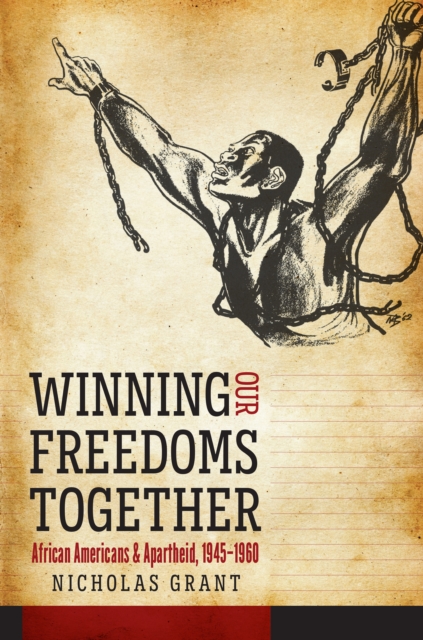
In this transnational account of black protest, Nicholas Grant examines how African Americans engaged with, supported, and were inspired by the South African anti-apartheid movement.
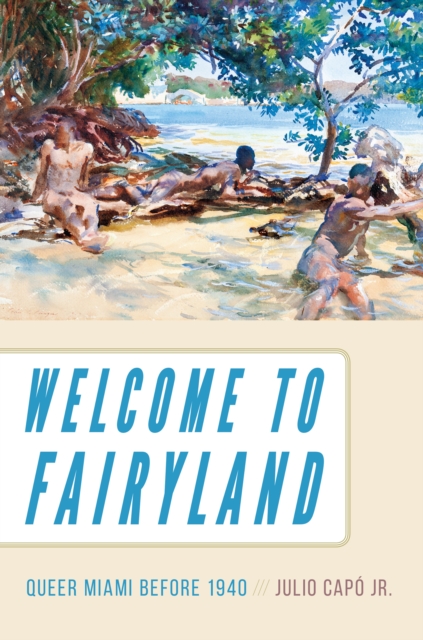
Poised on the edge of the United States and at the center of a wider Caribbean world, todays Miami is marketed as an international tourist hub that embraces gender and sexual difference.
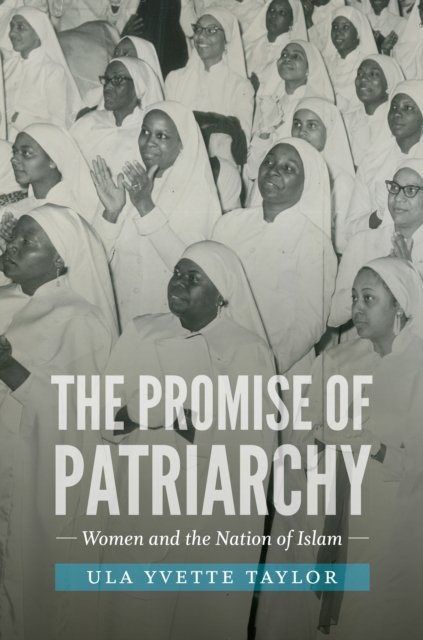
The patriarchal structure of the Nation of Islam (NOI) promised black women the prospect of finding a provider and a protector among the organizations men, who were fiercely committed to these masculine roles.
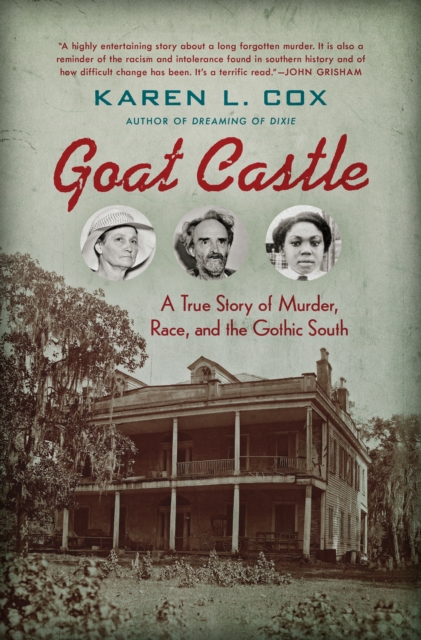
In 1932, the city of Natchez, Mississippi, reckoned with an unexpected influx of journalists and tourists as the lurid story of a local murder was splashed across headlines nationwide.
In this history of the social and human sciences in Mexico and the United States, Karin Alejandra Rosemblatt reveals intricate connections among the development of science, the concept of race, and policies toward indigenous peoples.
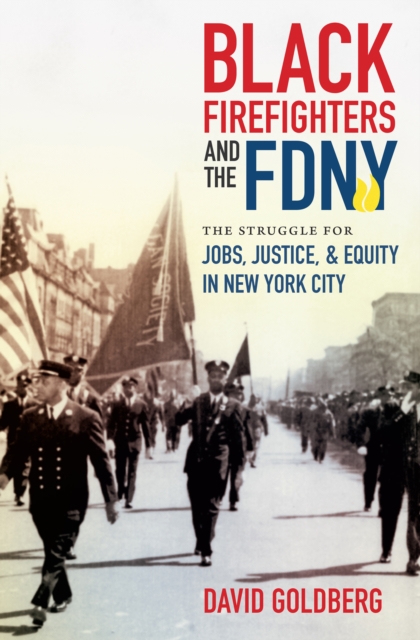
For many African Americans, getting a public sector job has historically been one of the few paths to the financial stability of the middle class, and in New York City, few such jobs were as sought-after as positions in the fire department (FDNY).