The nineteenth-century history of the Church of Jesus Christ of Latter-day Saints, Max Perry Mueller argues, illuminates the role that religion played in forming the notion of three original American racesred, black, and whitefor Mormons and others in the early American Republic.
In the Jim Crow South, Chinese, Filipino, Japanese, and, later, Vietnamese and Indian Americans faced obstacles similar to those experienced by African Americans in their fight for civil and human rights.
This new revised and expanded edition of Reality Radio celebrates todays best audio documentary work by bringing together some of the most influential and innovative practitioners from the United States, Canada, the United Kingdom, and Australia.
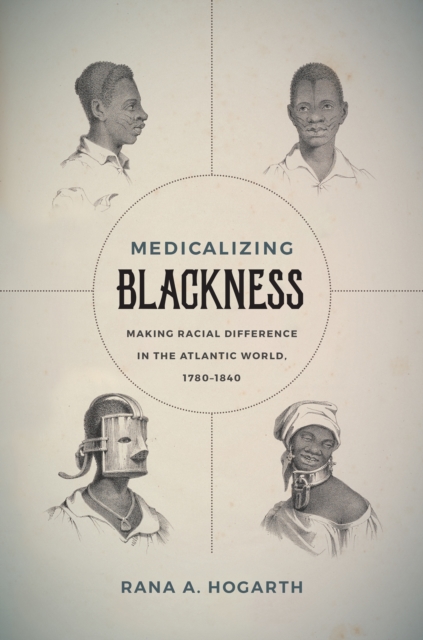
In 1748, as yellow fever raged in Charleston, South Carolina, doctor John Lining remarked, There is something very singular in the constitution of the Negroes, which renders them not liable to this fever.
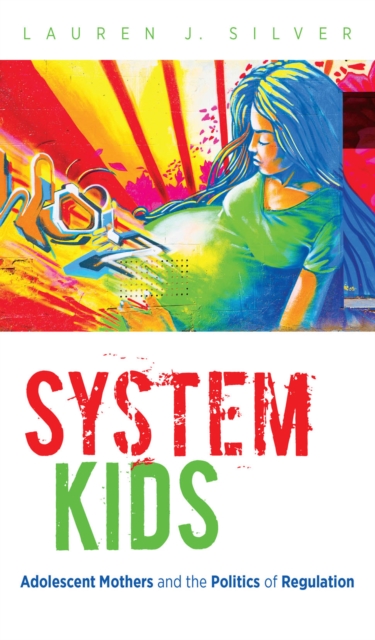
System Kids considers the daily lives of adolescent mothers as they negotiate the child welfare system to meet the needs of their children and themselves.
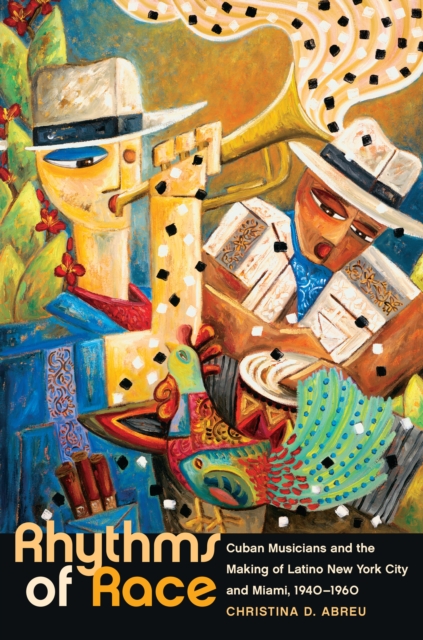
Among the nearly 90,000 Cubans who settled in New York City and Miami in the 1940s and 1950s were numerous musicians and entertainers, black and white, who did more than fill dance halls with the rhythms of the rumba, mambo, and cha cha ch.
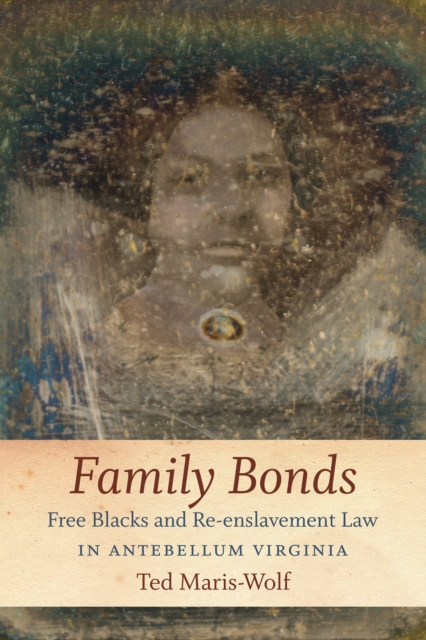
The 1850 Fugitive Slave Law, which mandated action to aid in the recovery of runaway slaves and denied fugitives legal rights if they were apprehended, quickly became a focal point in the debate over the future of slavery and the nature of the union.
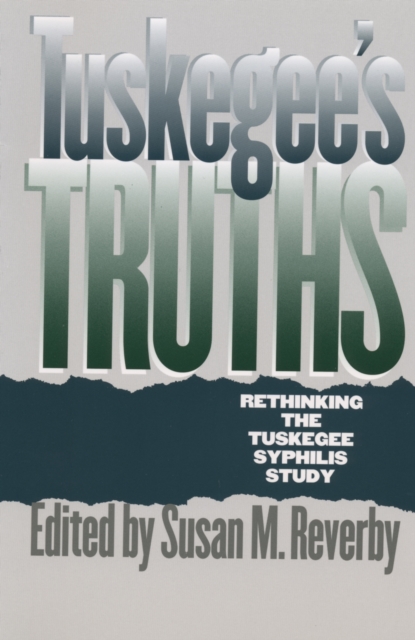
Between 1932 and 1972, approximately six hundred African American men in Alabama served as unwitting guinea pigs in what is now considered one of the worst examples of arrogance, racism, and duplicity in American medical research the Tuskegee syphilis study.
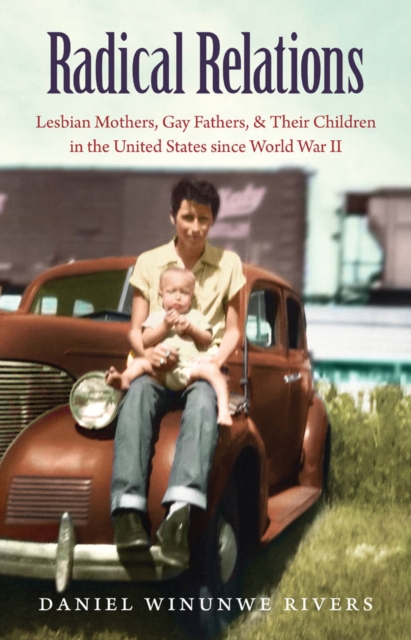
In Radical Relations, Daniel Winunwe Rivers offers a previously untold story of the American family: the first history of lesbian and gay parents and their children in the United States.
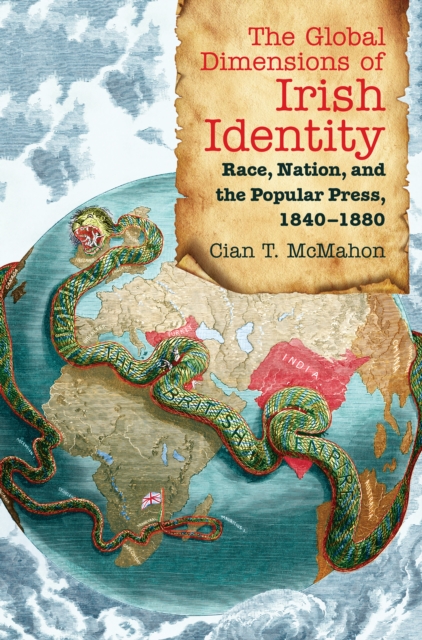
Though Ireland is a relatively small island on the northeastern fringe of the Atlantic, 70 million people worldwide including some 45 million in the United States claim it as their ancestral home.
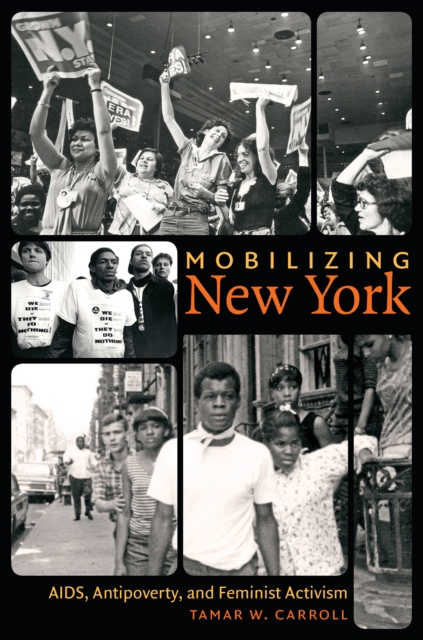
Examining three interconnected case studies, Tamar Carroll powerfully demonstrates the ability of grassroots community activism to bridge racial and cultural differences and effect social change.
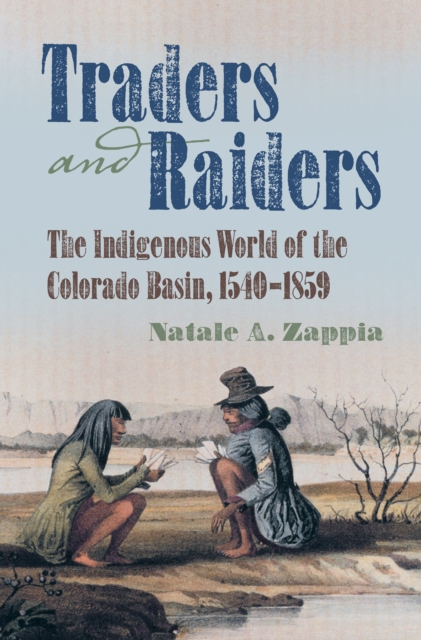
The Colorado River region looms large in the history of the American West, vitally important in the designs and dreams of Euro-Americans since the first Spanish journey up the river in the sixteenth century.
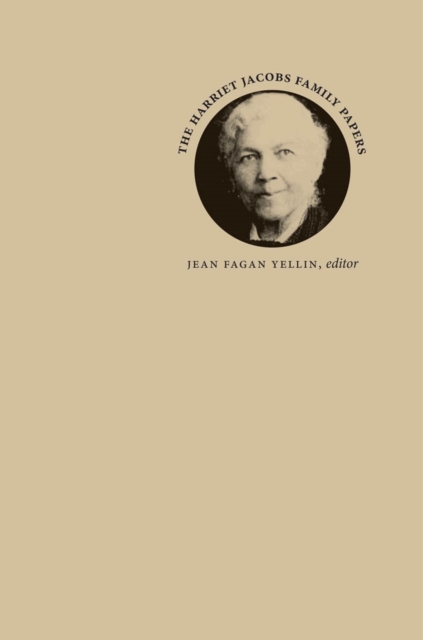
Although millions of African American women were held in bondage over the 250 years that slavery was legal in the United States, Harriet Jacobs (181397) is the only one known to have left papers testifying to her life.
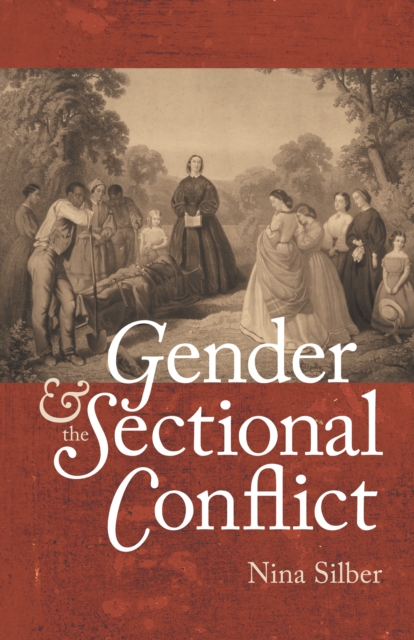
In an insightful exploration of gender relations during the Civil War, Nina Silber compares broad ideological constructions of masculinity and femininity among Northerners and Southerners.
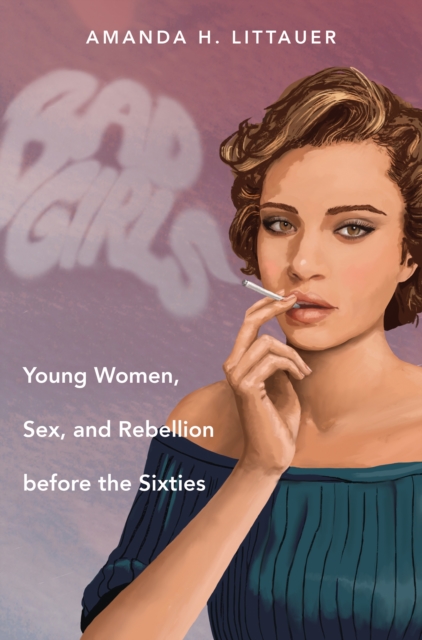
In this innovative and revealing study of midcentury American sex and culture, Amanda Littauer traces the origins of the sexual revolution of the 1960s.
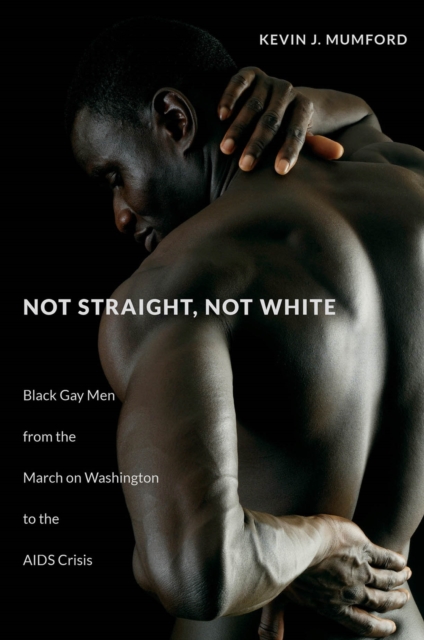
This compelling book recounts the history of black gay men from the 1950s to the 1990s, tracing how the major movements of the timesfrom civil rights to black power to gay liberation to AIDS activismhelped shape the cultural stigmas that surrounded race and homosexuality.
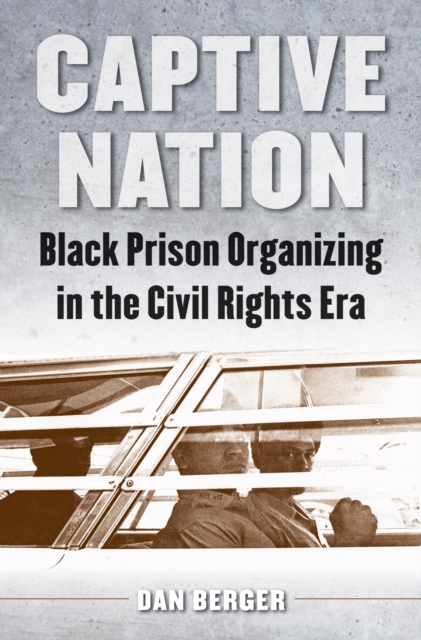
In this pathbreaking book, Dan Berger offers a bold reconsideration of twentieth century black activism, the prison system, and the origins of mass incarceration.
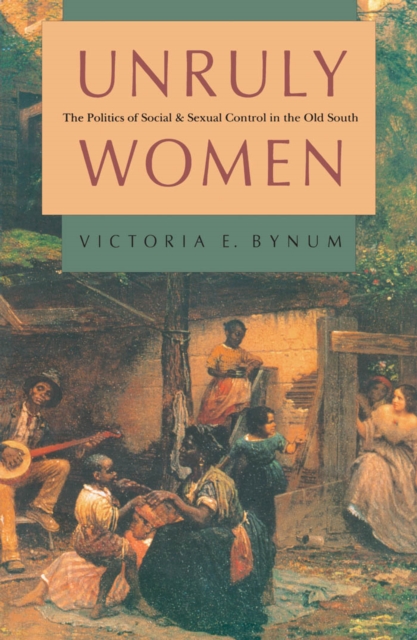
In this richly detailed and imaginatively researched study, Victoria Bynum investigates unruly women in central North Carolina before and during the Civil War.
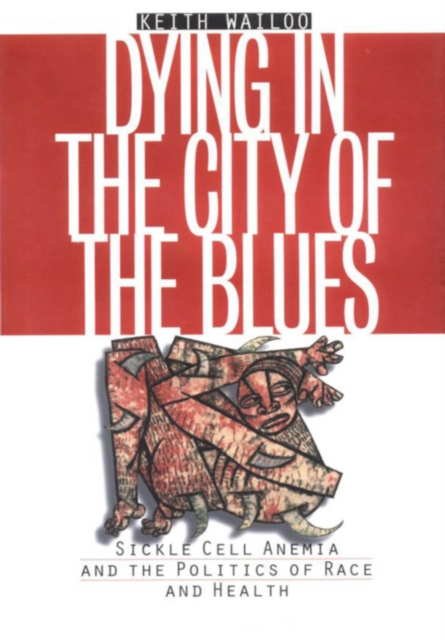
This groundbreaking book chronicles the history of sickle cell anemia in the United States, tracing its transformation from an invisible malady to a powerful, yet contested, cultural symbol of African American pain and suffering.
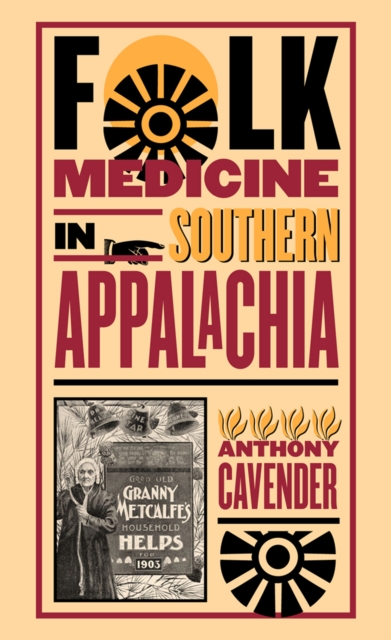
In the first comprehensive exploration of the history and practice of folk medicine in the Appalachian region, Anthony Cavender melds folklore, medical anthropology, and Appalachian history and draws extensively on oral histories and archival sources from the nineteenth century to the present.
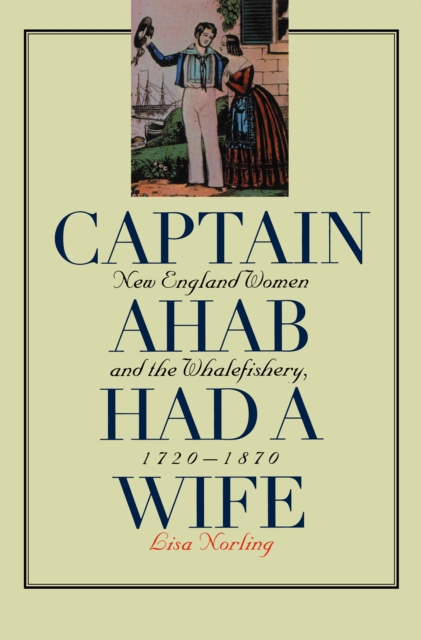
During the eighteenth and nineteenth centuries, the whaling industry in New England sent hundreds of ships and thousands of men to distant seas on voyages lasting up to five years.
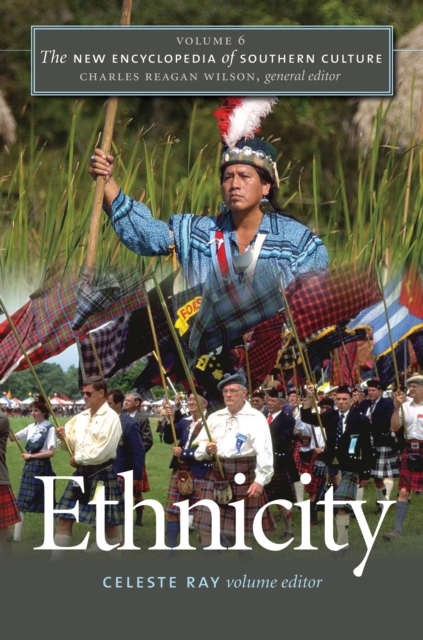
Transcending familiar categories of black and white, this volume of The New Encyclopedia of Southern Culture complicates and enriches our understanding of southernness by identifying the array of cultures that combined to shape the South.
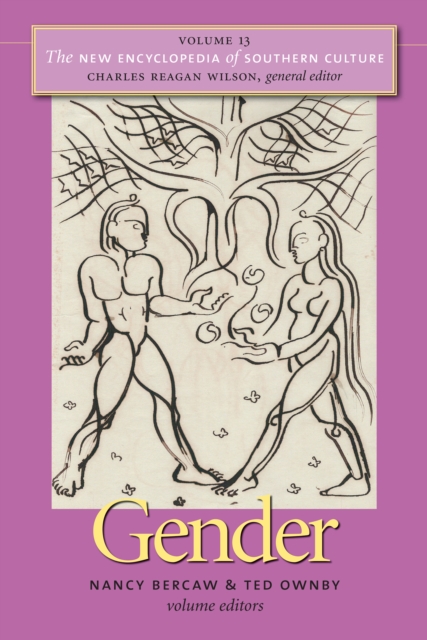
This volume of The New Encyclopedia of Southern Culture reflects the dramatic increase in research on the topic of gender over the past thirty years, revealing that even the most familiar subjects take on new significance when viewed through the lens of gender.
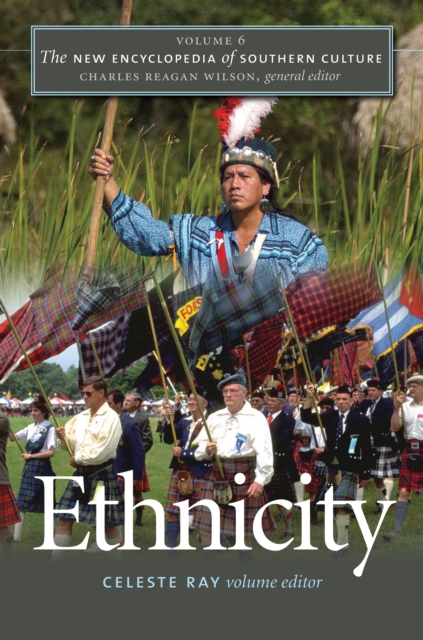
Transcending familiar categories of black and white, this volume of The New Encyclopedia of Southern Culture complicates and enriches our understanding of southernness by identifying the array of cultures that combined to shape the South.
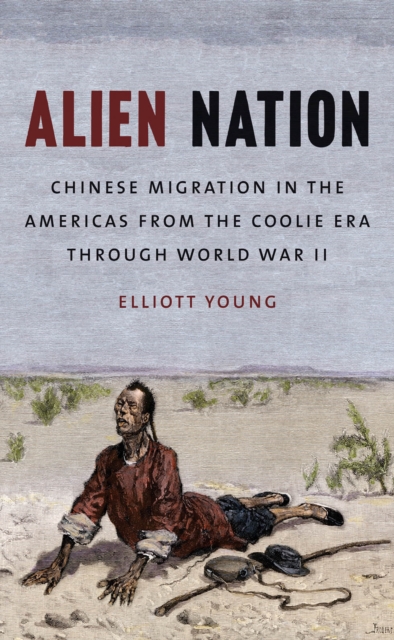
In this sweeping work, Elliott Young traces the pivotal century of Chinese migration to the Americas, beginning with the 1840s at the start of the coolie trade and ending during World War II.
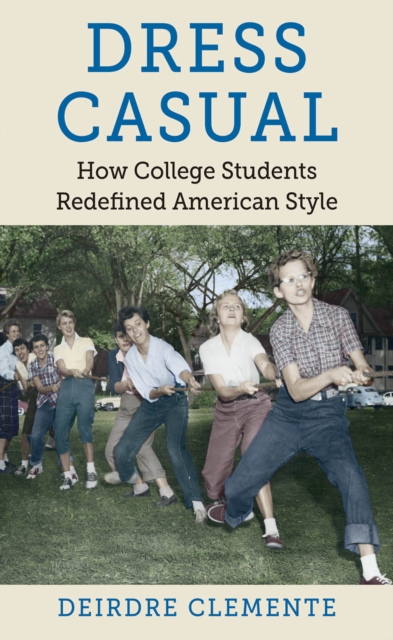
As Deirdre Clemente shows in this lively history of fashion on American college campuses, whether its jeans and sneakers or khakis with a polo shirt, chances are college kids made it cool.
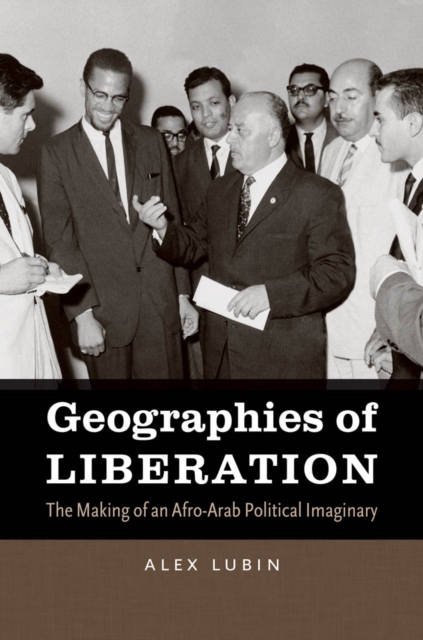
In this absorbing transnational history, Alex Lubin reveals the vital connections between African American political thought and the people and nations of the Middle East.
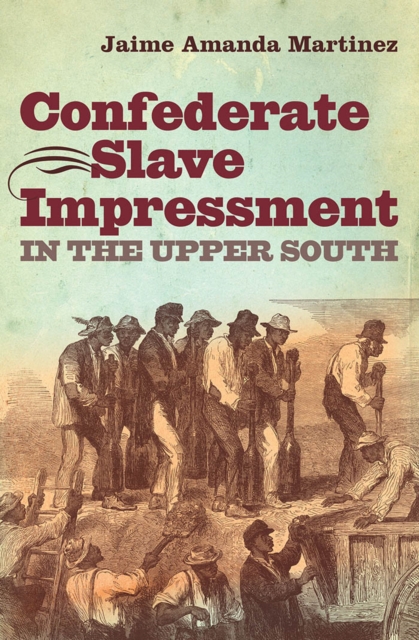
Under policies instituted by the Confederacy, white Virginians and North Carolinians surrendered control over portions of their slave populations to state authorities, military officials, and the national government to defend their new nation.
In the mid-1990s, residents of Anniston, Alabama, began a legal fight against the agrochemical company Monsanto over the dumping of PCBs in the citys historically African American and white working-class west side.