The 1850 Fugitive Slave Law, which mandated action to aid in the recovery of runaway slaves and denied fugitives legal rights if they were apprehended, quickly became a focal point in the debate over the future of slavery and the nature of the union.
In spite of Robert Frost's continuing popularity with the public, the poet remains an outsider in the academy, where more "e;difficult"e; and "e;innovative"e; poets like T.
Harvesting Coffee, Bargaining Wages offers an insightful scrutiny of rural market behavior and a convincing explanation of why farmers fail sometimes to manage their laborers in ways predicted by market models--and how power imbalances and social conditions can impair the ability of laborers to attain a fair market contract during lax labor market periods.
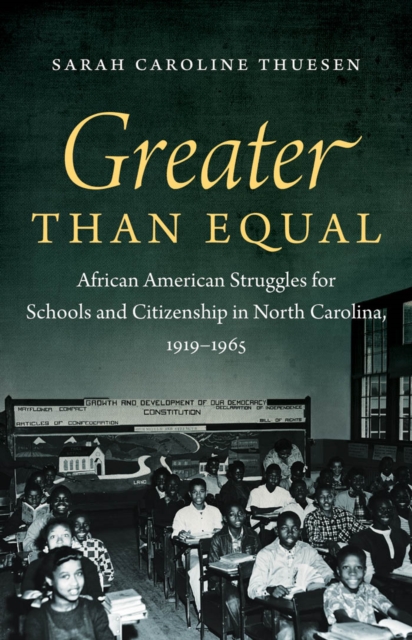
During the half century preceding widespread school integration, black North Carolinians engaged in a dramatic struggle for equal educational opportunity as segregated schooling flourished.
The authors identify the general symbol of the Mother Goddess as a common sanctified image, and they demonstrate some of the cultural variations in form or function of the symbol in specific sociocultural settings.
Adas explores the relationship between millenarianism and violent protest by focusing on five case studies representing a wide range of social, political, and economic systems.
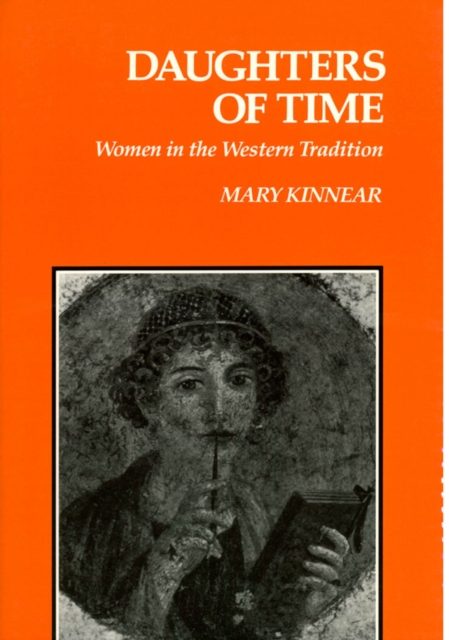
Daughters of Time: Women in the Western Tradition by Mary Kinnear offers a sweeping and insightful exploration of women's roles, identities, and achievements throughout the history of Western civilization.
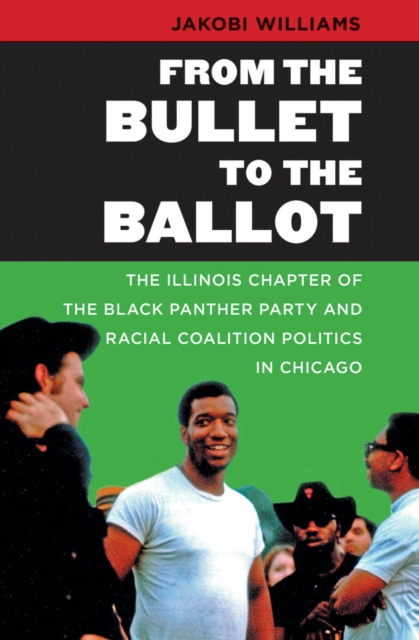
In this comprehensive history of the Illinois Chapter of the Black Panther Party (ILBPP), Chicago native Jakobi Williams demonstrates that the citys Black Power movement was both a response to and an extension of the citys civil rights movement.
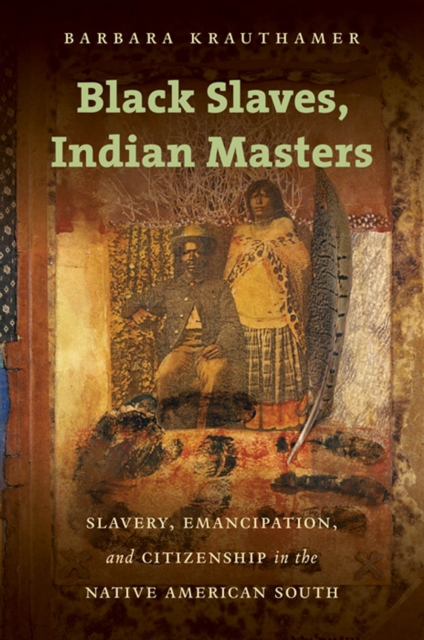
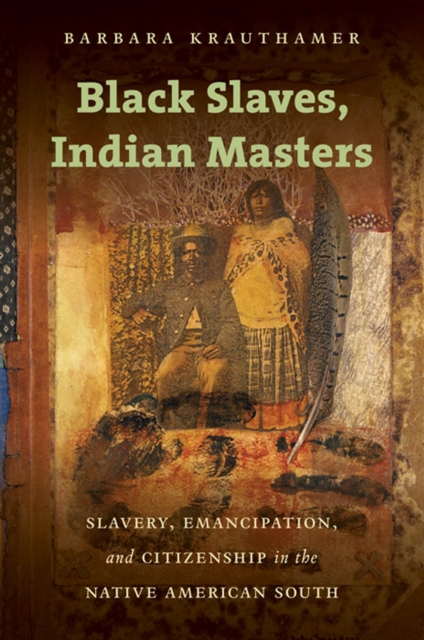
From the late eighteenth century through the end of the Civil War, Choctaw and Chickasaw Indians bought, sold, and owned Africans and African Americans as slaves, a fact that persisted after the tribes' removal from the Deep South to Indian Territory.
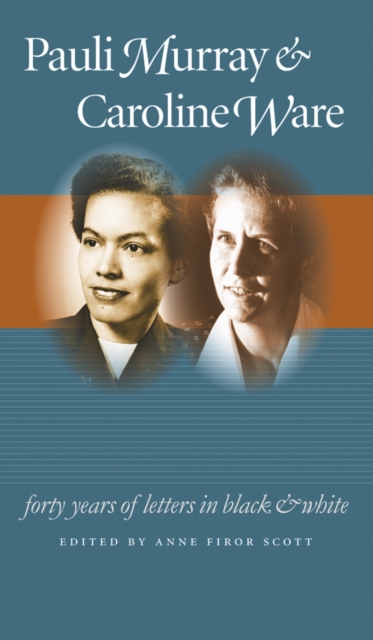
In 1942 Pauli Murray, a young black woman from North Carolina studying law at Howard University, visited a constitutional law class taught by Caroline Ware, one of the nation's leading historians.
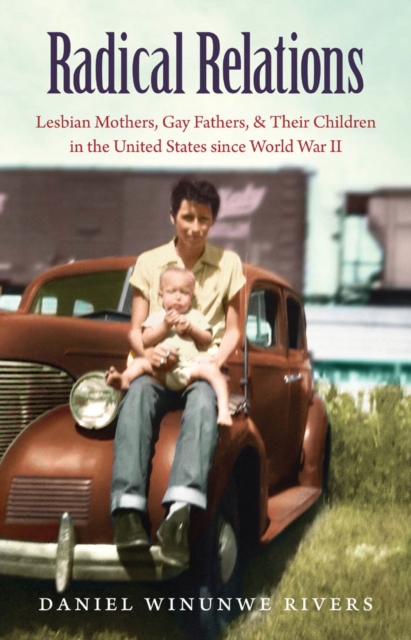
In Radical Relations, Daniel Winunwe Rivers offers a previously untold story of the American family: the first history of lesbian and gay parents and their children in the United States.
From the late eighteenth century through the end of the Civil War, Choctaw and Chickasaw Indians bought, sold, and owned Africans and African Americans as slaves, a fact that persisted after the tribes' removal from the Deep South to Indian Territory.
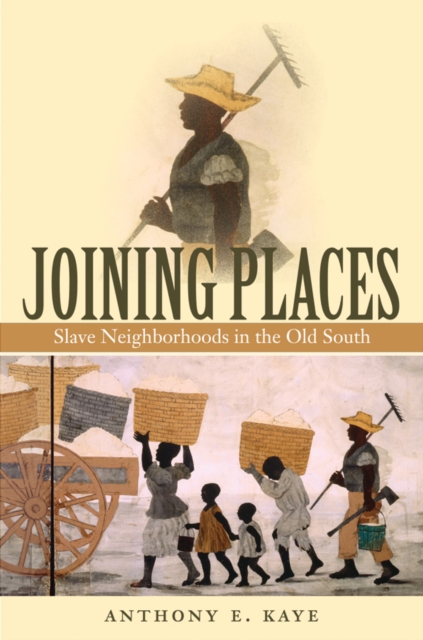
In this new interpretation of antebellum slavery, Anthony Kaye offers a vivid portrait of slaves transforming adjoining plantations into slave neighborhoods.
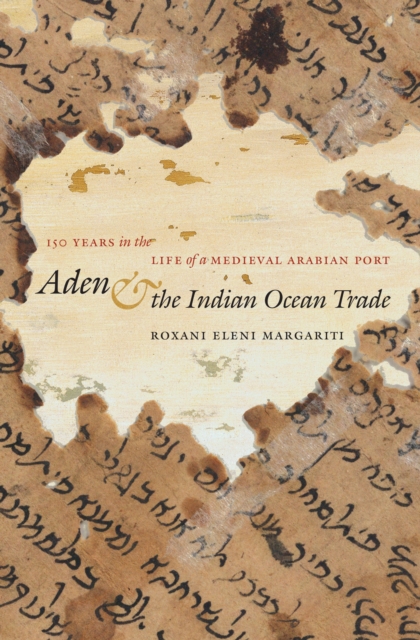
Positioned at the crossroads of the maritime routes linking the Indian Ocean and the Mediterranean Sea, the Yemeni port of Aden grew to be one of the medieval worlds greatest commercial hubs.
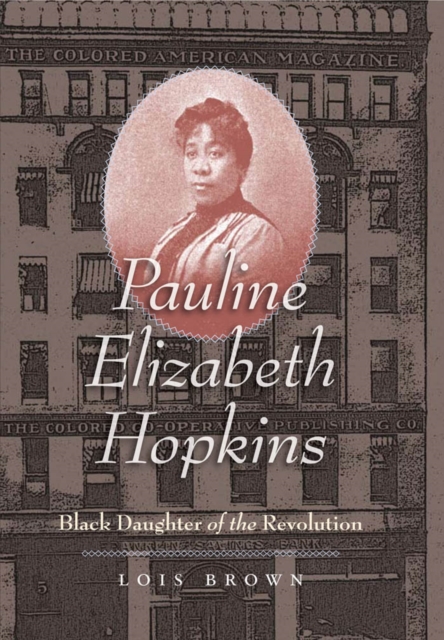
Born into an educated free black family in Portland, Maine, Pauline Elizabeth Hopkins (18591930) was a pioneering playwright, journalist, novelist, feminist, and public intellectual, best known for her 1900 novel Contending Forces: A Romance of Negro Life North and South.
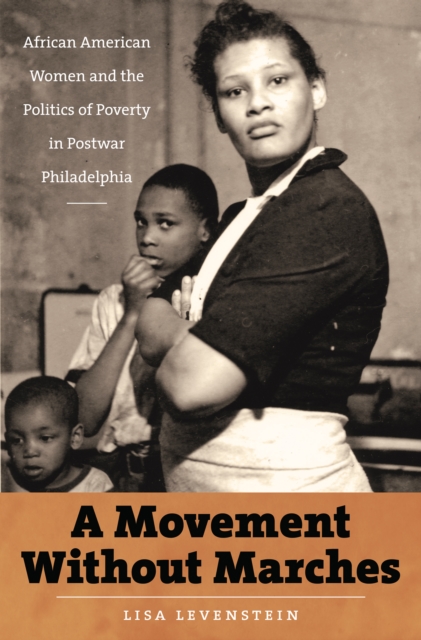
Lisa Levenstein reframes highly charged debates over the origins of chronic African American poverty and the social policies and political struggles that led to the postwar urban crisis.
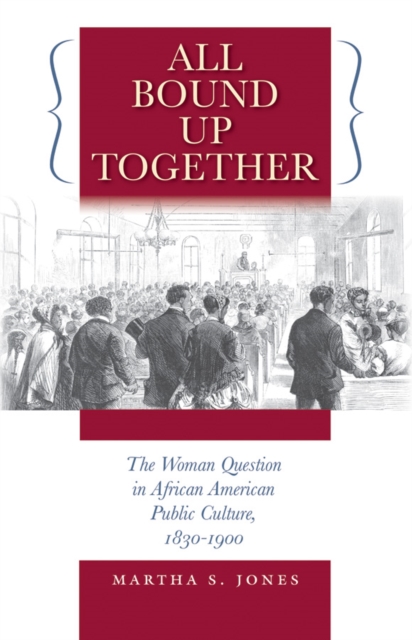
The place of womens rights in African American public culture has been an enduring question, one that has long engaged activists, commentators, and scholars.
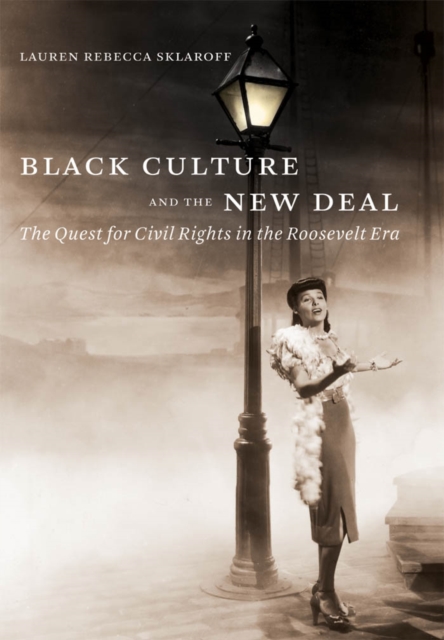
In the 1930s, the Roosevelt administration unwilling to antagonize a powerful southern congressional bloc refused to endorse legislation that openly sought to improve political, economic, and social conditions for African Americans.
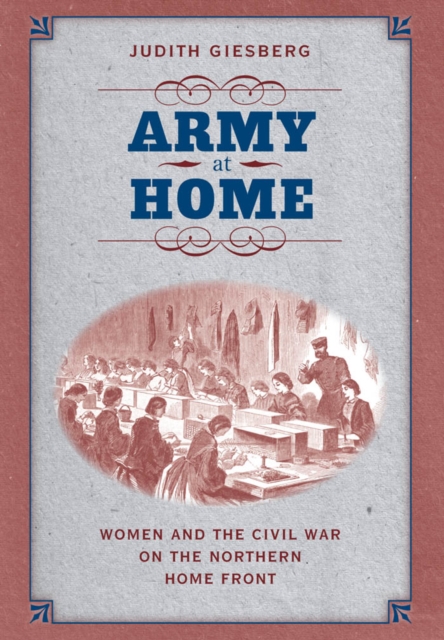
Introducing readers to women whose Civil War experiences have long been ignored, Judith Giesberg examines the lives of working-class women in the North, for whom the home front was a battlefield of its own.
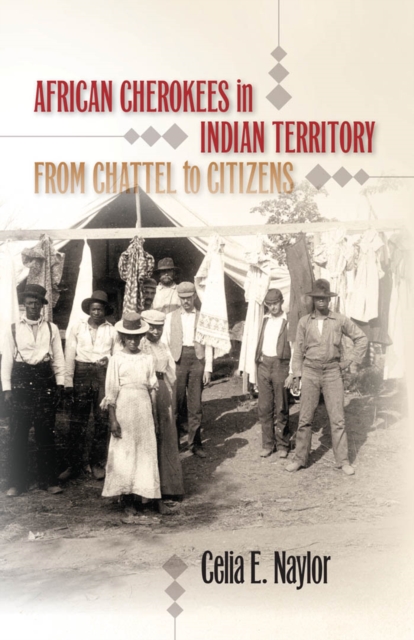
Forcibly removed from their homes in the late 1830s, Cherokee, Creek, Choctaw, and Chickasaw Indians brought their African-descended slaves with them along the Trail of Tears and resettled in Indian Territory, present-day Oklahoma.
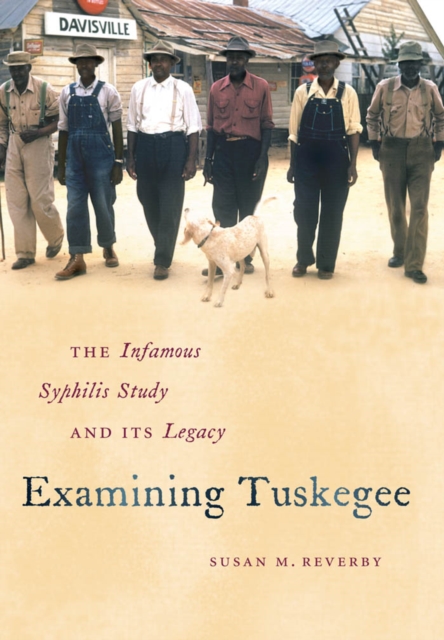
The forty-year Tuskegee Syphilis Study, which took place in and around Tuskegee, Alabama, from the 1930s through the 1970s, has become a profound metaphor for medical racism, government malfeasance, and physician arrogance.
Throughout the 1960s and 1970s, folklorist William Ferris toured his home state of Mississippi, documenting the voices of African Americans as they spoke about and performed the diverse musical traditions that form the authentic roots of the blues.
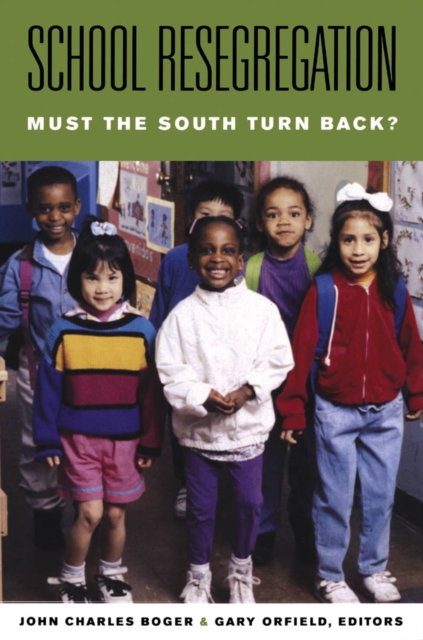
Confronting a reality that many policy makers would prefer to ignore, contributors to this volume offer the latest information on the trend toward the racial and socioeconomic resegregation of southern schools.
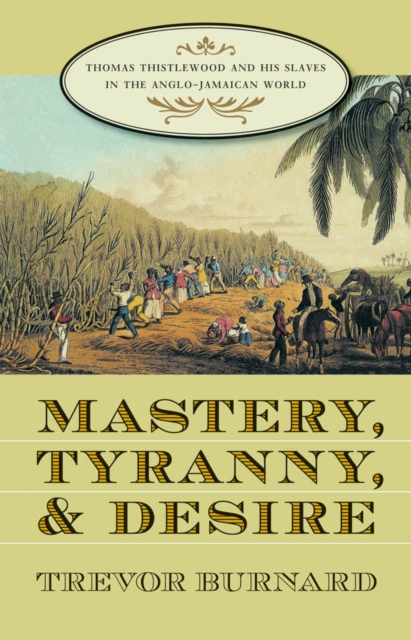
Eighteenth-century Jamaica, Britains largest and most valuable slave-owning colony, relied on a brutal system of slave management to maintain its tenuous social order.
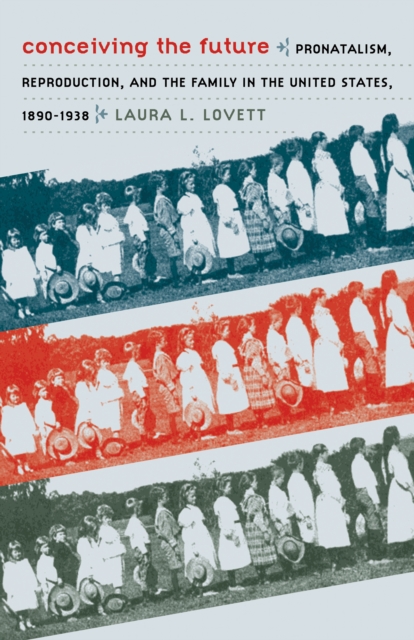
Through nostalgic idealizations of motherhood, family, and the home, influential leaders in early twentieth-century America constructed and legitimated a range of reforms that promoted human reproduction.
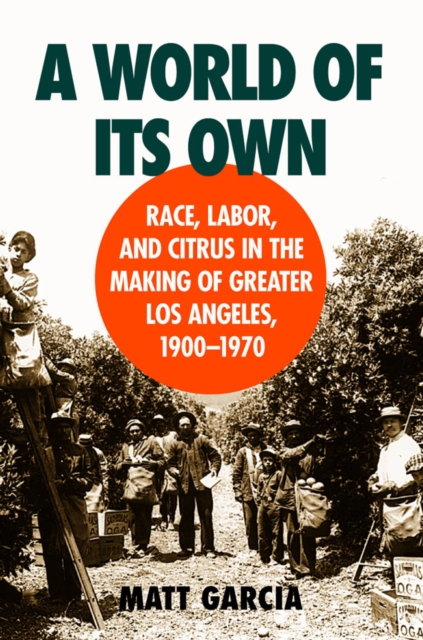
Tracing the history of intercultural struggle and cooperation in the citrus belt of Greater Los Angeles, Matt Garcia explores the social and cultural forces that helped make the city the expansive and diverse metropolis that it is today.
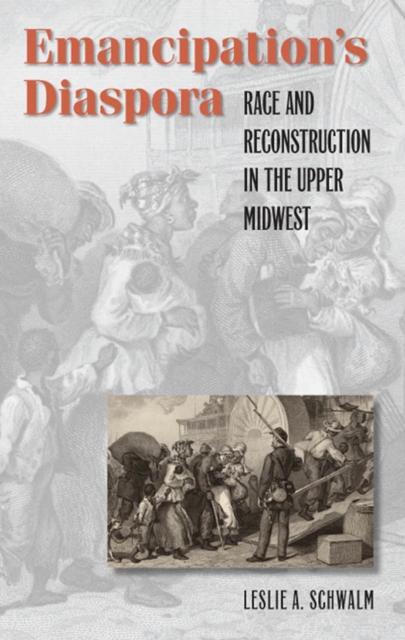
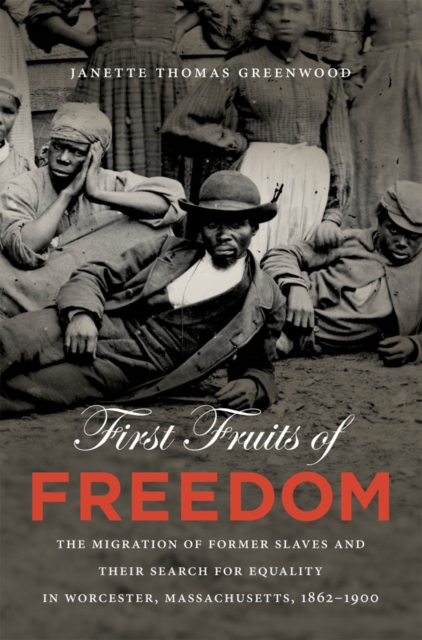
A moving narrative that offers a rare glimpse into the lives of African American men, women, and children on the cusp of freedom, First Fruits of Freedom chronicles one of the first collective migrations of blacks from the South to the North during and after the Civil War.
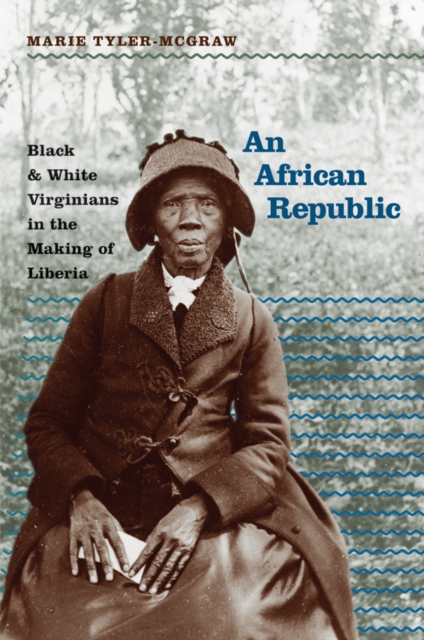
The nineteenth-century American Colonization Society (ACS) project of persuading all American free blacks to emigrate to the ACS colony of Liberia could never be accomplished.
African American freedom is often defined in terms of emancipation and civil rights legislation, but it did not arrive with the stroke of a pen or the rap of a gavel.
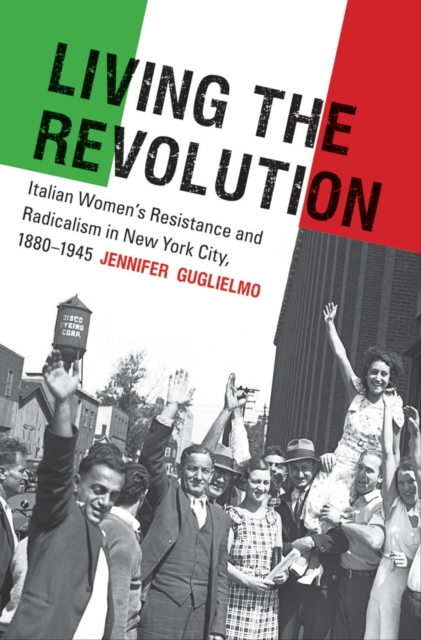
Italians were the largest group of immigrants to the United States at the turn of the twentieth century, and hundreds of thousands led and participated in some of the periods most volatile labor strikes.
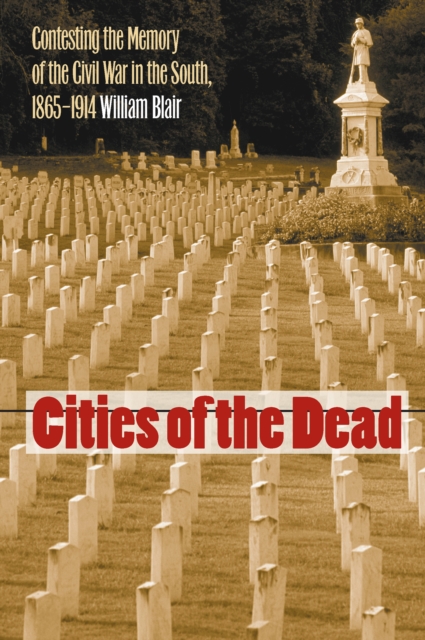
Exploring the history of Civil War commemorations from both sides of the color line, William Blair places the development of memorial holidays, Emancipation Day celebrations, and other remembrances in the context of Reconstruction politics and race relations in the South.
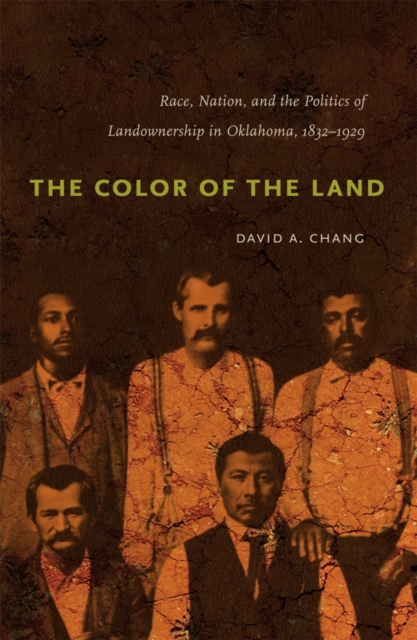
The Color of the Land brings the histories of Creek Indians, African Americans, and whites in Oklahoma together into one story that explores the way races and nations were made and remade in conflicts over who would own land, who would farm it, and who would rule it.
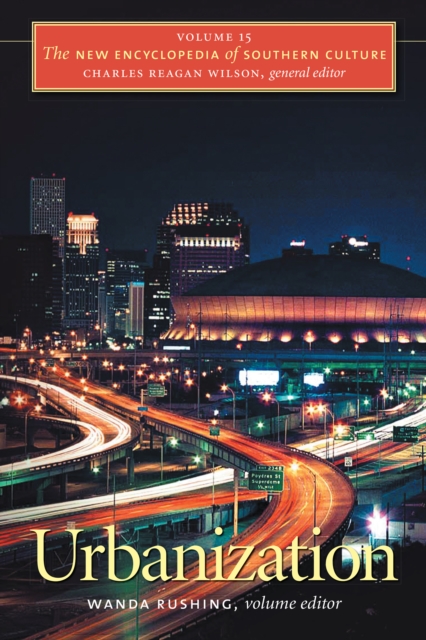
This volume of The New Encyclopedia of Southern Culture offers a current and authoritative reference to urbanization in the American South from the eighteenth century to the twenty-first, surveying important southern cities individually and examining the various issues that shape patterns of urbanization from a broad regional perspective.
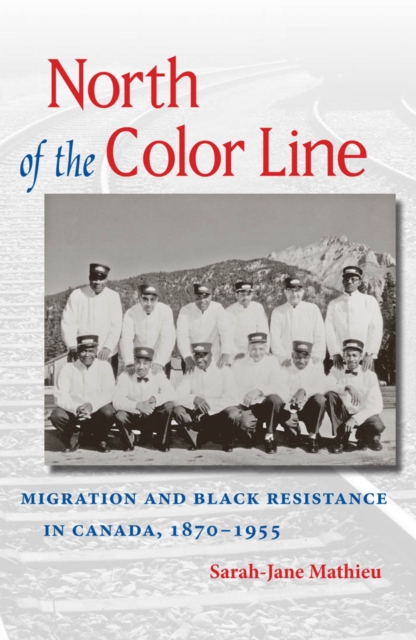
North of the Color Line examines life in Canada for the estimated 5,000 blacks, both African Americans and West Indians, who immigrated to Canada after the end of Reconstruction in the United States.