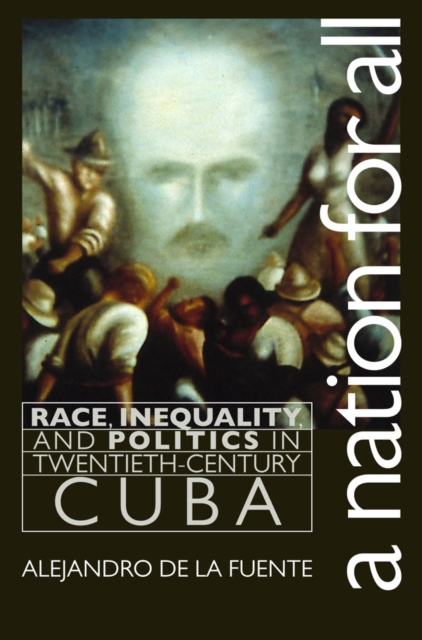
After thirty years of anticolonial struggle against Spain and four years of military occupation by the United States, Cuba formally became an independent republic in 1902.
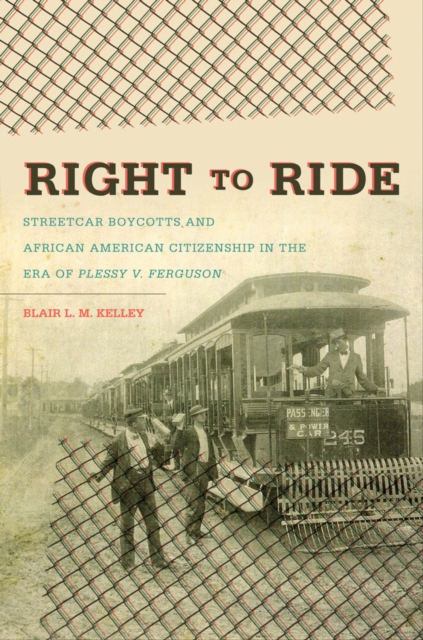
Through a reexamination of the earliest struggles against Jim Crow, Blair Kelley exposes the fullness of African American efforts to resist the passage of segregation laws dividing trains and streetcars by race in the early Jim Crow era.
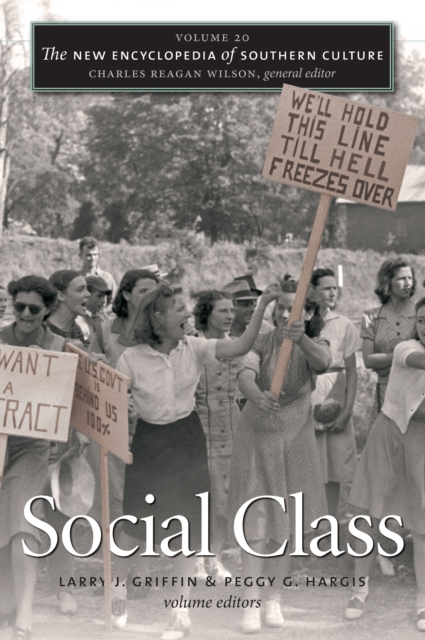
This volume of The New Encyclopedia of Southern Culture offers a timely, authoritative, and interdisciplinary exploration of issues related to social class in the South from the colonial era to the present.
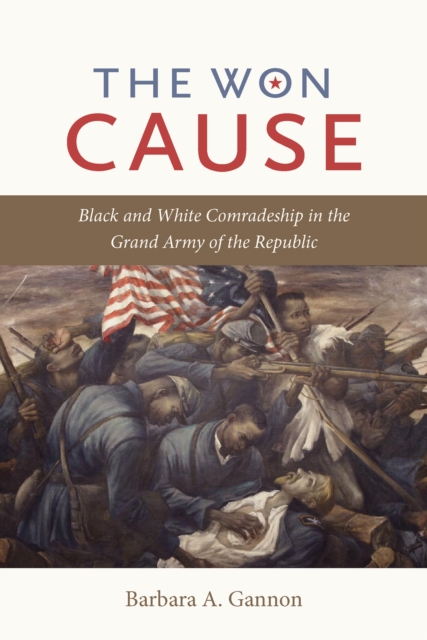
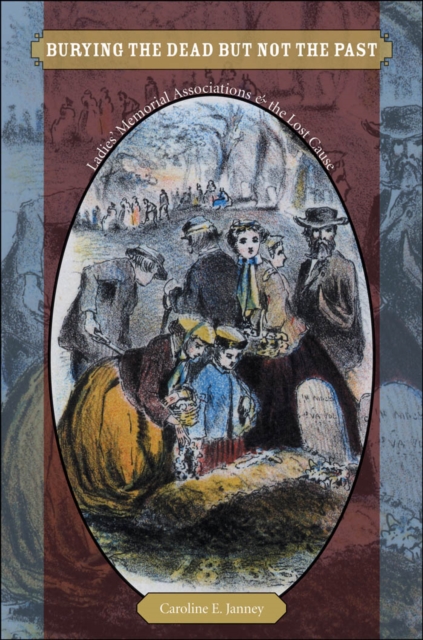
In the years after the Civil War, black and white Union soldiers who survived the horrific struggle joined the Grand Army of the Republic (GAR) the Union armys largest veterans' organization.
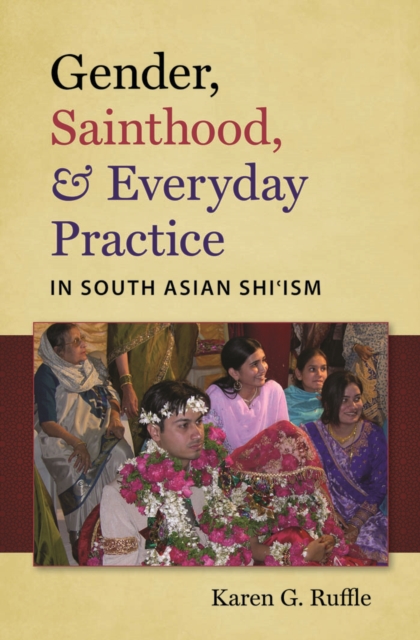
In this study of devotional hagiographical texts and contemporary ritual performances of the Shi'a of Hyderabad, India, Karen Ruffle demonstrates how traditions of sainthood and localized cultural values shape gender roles.
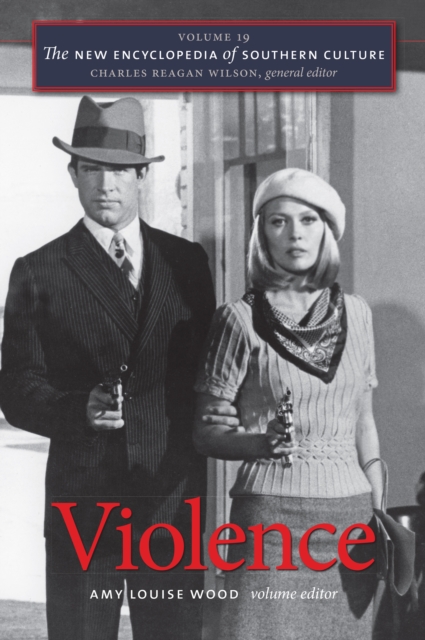
Much of the violence that has been associated with the United States has had particular salience for the South, from its high homicide rates, or its bloody history of racial conflict, to southerners' popular attachment to guns and traditional support for capital punishment.
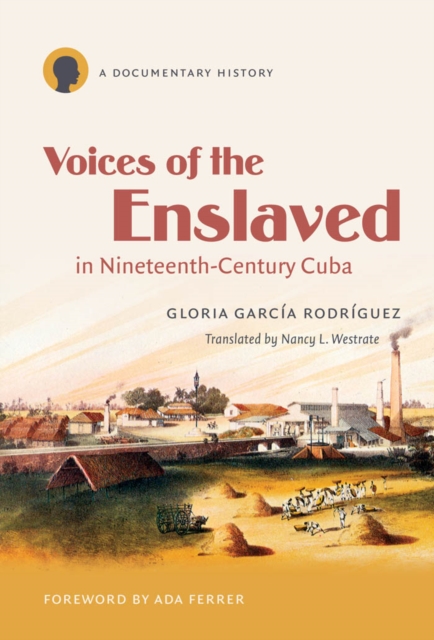
Putting the voices of the enslaved front and center, Gloria Garcia Rodriguez's study presents a compelling overview of African slavery in Cuba and its relationship to the plantation system that was the economic center of the New World.
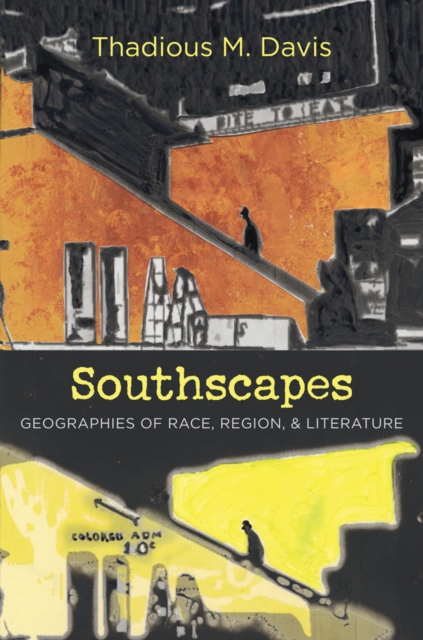
In this innovative approach to southern literary cultures, Thadious Davis analyzes how black southern writers use their spatial location to articulate the vexed connections between society and environment, particularly under segregation and its legacies.
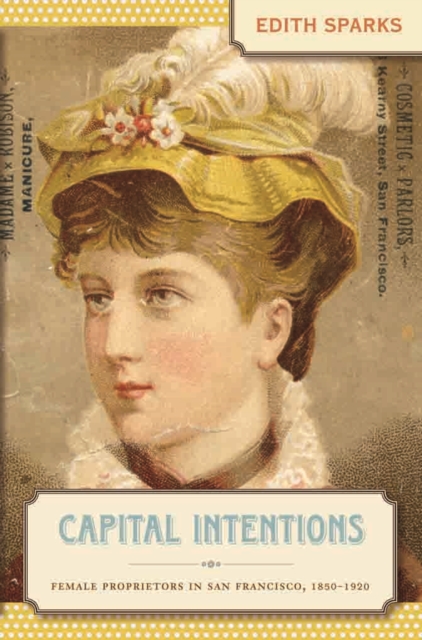
Late nineteenth-century San Francisco was an ethnically diverse but male-dominated society bustling from a rowdy gold rush, earthquakes, and explosive economic growth.
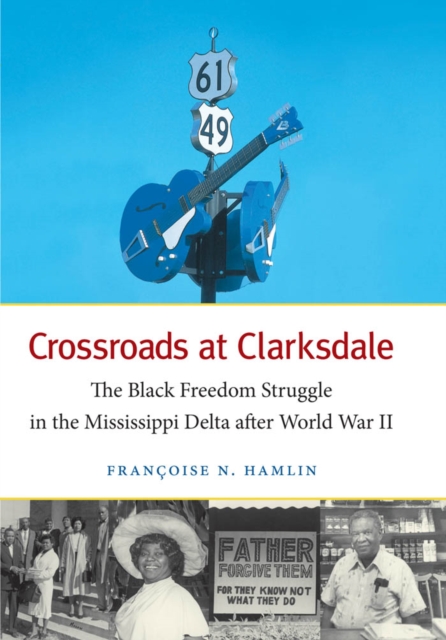
Weaving national narratives from stories of the daily lives and familiar places of local residents, Franoise Hamlin chronicles the slow struggle for black freedom through the history of Clarksdale, Mississippi.
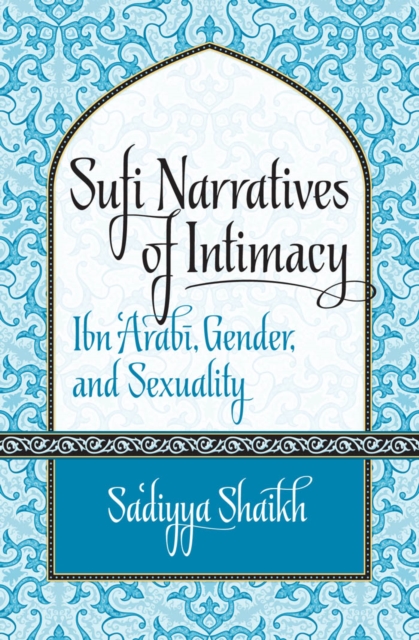
Thirteenth-century Sufi poet, mystic, and legal scholar Muhyi al-Din ibn al-'Arabi gave deep and sustained attention to gender as integral to questions of human existence and moral personhood.
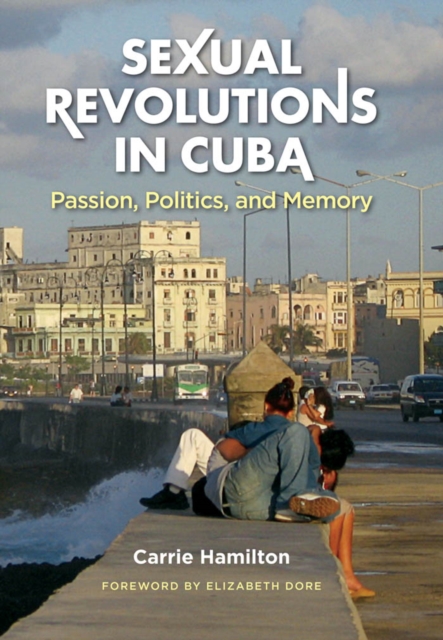
In Sexual Revolutions in Cuba Carrie Hamilton delves into the relationship between passion and politics in revolutionary Cuba to present a comprehensive history of sexuality on the island from the triumph of the Revolution in 1959 into the twenty-first century.
Adding a new dimension to the history of mentalites and the study of popular culture, Thomas Brennan reinterprets the culture of the laboring classes in old-regime Paris through the rituals of public drinking in neighborhood taverns.
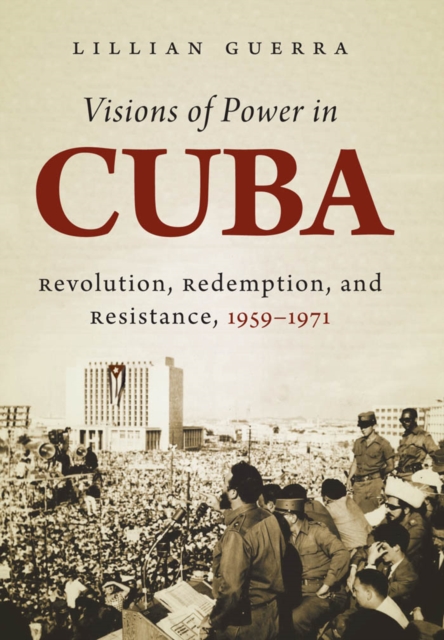
In the tumultuous first decade of the Cuban Revolution, Fidel Castro and other leaders saturated the media with altruistic images of themselves in a campaign to win the hearts of Cubas six million citizens.
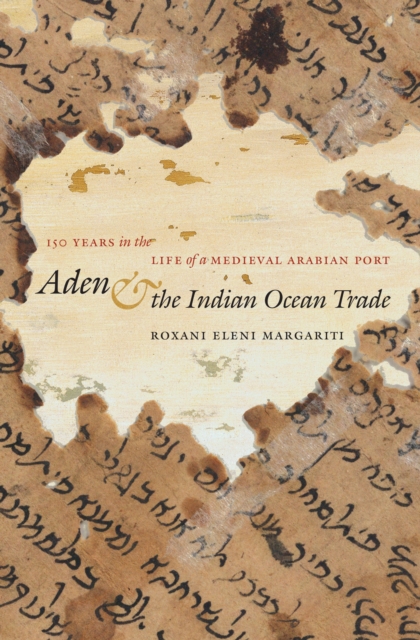
Positioned at the crossroads of the maritime routes linking the Indian Ocean and the Mediterranean Sea, the Yemeni port of Aden grew to be one of the medieval worlds greatest commercial hubs.
In this history of the social and human sciences in Mexico and the United States, Karin Alejandra Rosemblatt reveals intricate connections among the development of science, the concept of race, and policies toward indigenous peoples.
Whether found in country barn dances, the plaintive twang of Hank Williams, the glitzy glamour of Dolly Parton, or the country-pop sound of Faith Hill, country music has always maintained an allegiance to its own authenticity.
The Daughter as Reader juxtaposes personal narrative with literary criticism to celebrate the ways in which literature enriches and shapes individual experience.
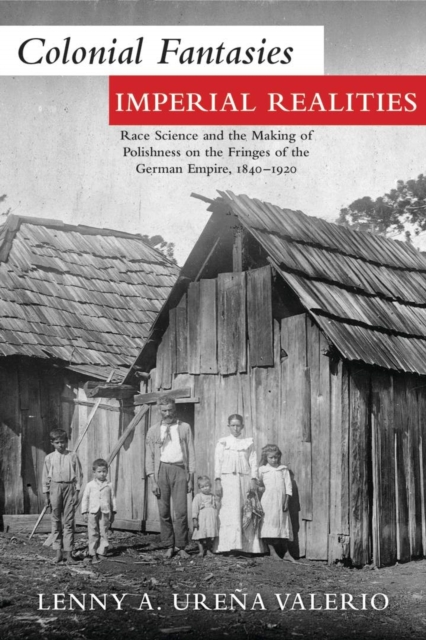
In Colonial Fantasies, Imperial Realities, Lenny Urena Valerio offers a transnational approach to Polish-German relations and nineteenth-century colonial subjectivities.
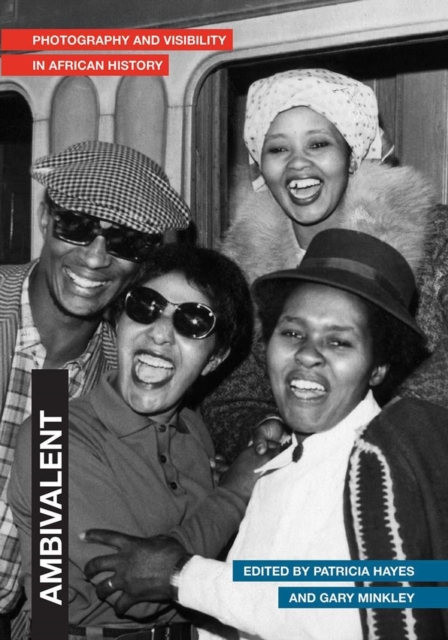
Going beyond photography as an isolated medium to engage larger questions and interlocking forms of expression and historical analysis, Ambivalent gathers a new generation of scholars based on the continent to offer an expansive frame for thinking about questions of photography and visibility in Africa.
Blue Ridge tacos, kimchi with soup beans and cornbread, family stories hiding in cookbook marginalia, African American mountain gardens-this wide-ranging anthology considers all these and more.
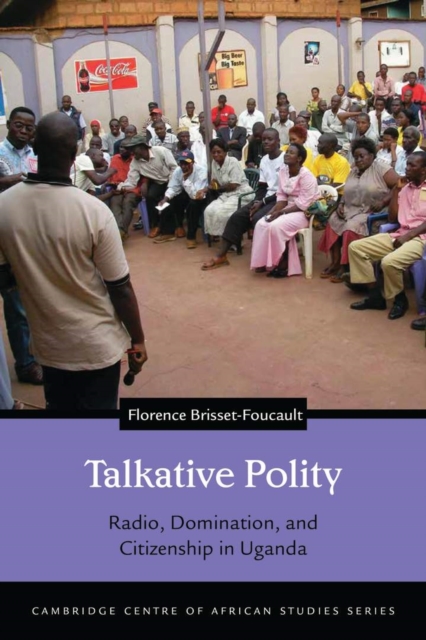
For the first decade of the twenty-first century, every weekend, people throughout Uganda converged to participate in ebimeeza, open debates that invited common citizens to share their political and social views.
In Shakespeare the Illusionist, Neil Forsyth reviews the history of Shakespeare's plays on film, using the basic distinction in film tradition between what is owed to Melies and what to the Lumiere brothers.
Though often unnoticed by scholars of literature and history, Polish American women have for decades been fighting back against the patriarchy they encountered in America and the patriarchy that followed them from Poland.
Diverse in their languages and customs, the Native American peoples of the Great Lakes region-the Miamis, Ho-Chunks, Potawatomis, Ojibwas, and many others-shared a tumultuous history.
Eliza Orzeszkowa was a trailblazing Polish novelist who, alongside Leo Tolstoy and Henryk Sienkiewicz, was a finalist for the 1905 Nobel Prize in Literature.
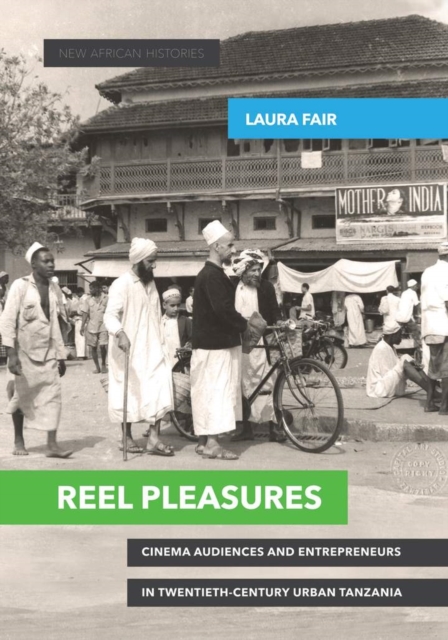
Reel Pleasures brings the world of African moviehouses and the publics they engendered to life, revealing how local fans creatively reworked global media-from Indian melodrama to Italian westerns, kung fu, and blaxploitation films-to speak to local dreams and desires.
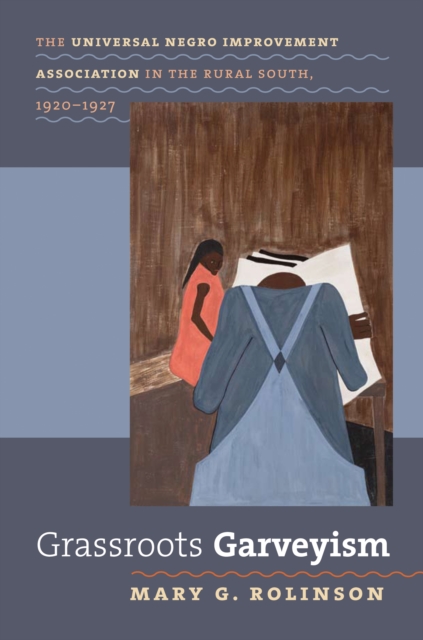
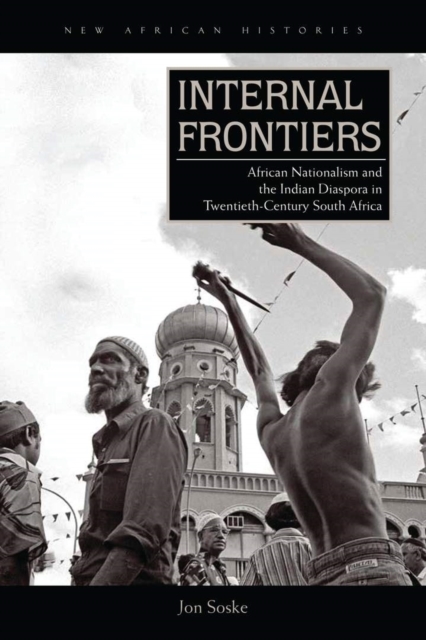
In this ambitious new history of the antiapartheid struggle, Jon Soske places India and the Indian diaspora at the center of the African National Congress's development of an inclusive philosophy of nationalism.
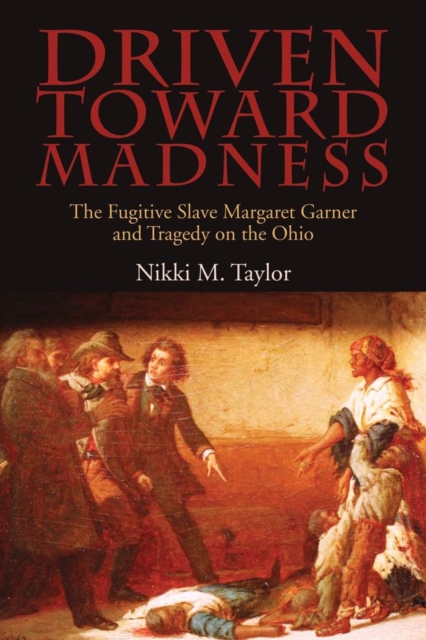
Margaret Garner was the runaway slave who, when confronted with capture just outside of Cincinnati, slit the throat of her toddler daughter rather than have her face a life in slavery.
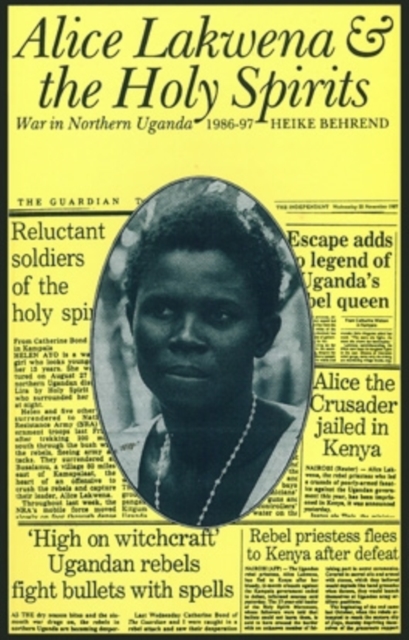
In August 1986, Alice Auma, a young Acholi woman in northern Uganda, proclaiming herself under the orders of a Christian spirit named Lakwena, raised an army called the "e;Holy Spirit Mobile Forces.
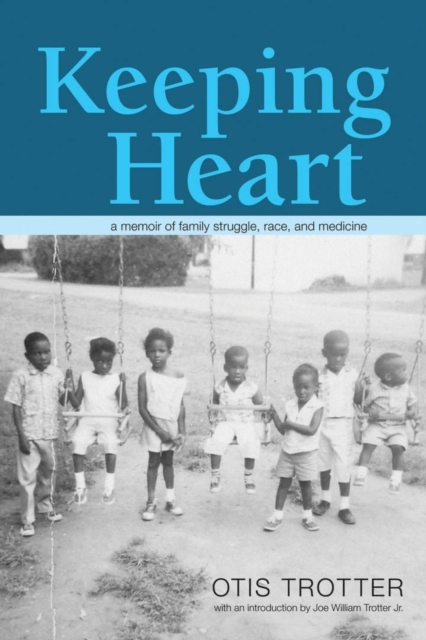
"e;After saying our good-byes to friends and neighbors, we all got in the cars and headed up the hill and down the road toward a future in Ohio that we hoped would be brighter,"e; Otis Trotter writes in his affecting memoir, Keeping Heart: A Memoir of Family Struggle, Race, and Medicine.
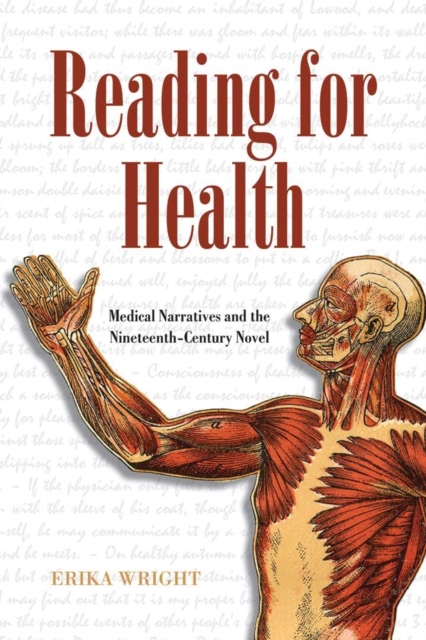
In Reading for Health: Medical Narratives and the Nineteenth-Century Novel, Erika Wright argues that the emphasis in Victorian Studies on disease as the primary source of narrative conflict that must be resolved has obscured the complex reading practices that emerge around the concept of health.