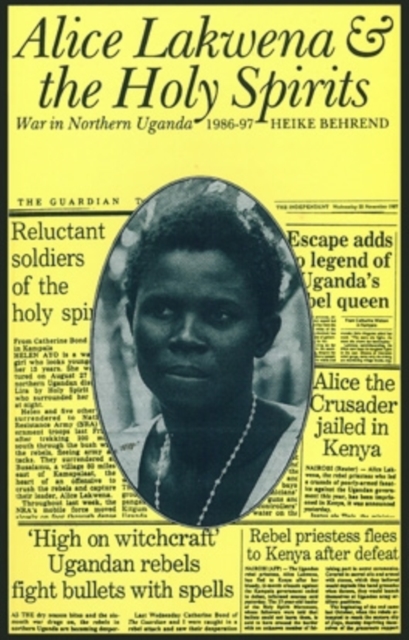
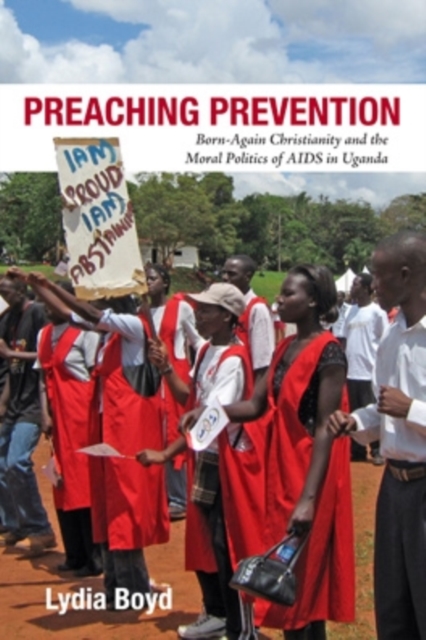
In August 1986, Alice Auma, a young Acholi woman in northern Uganda, proclaiming herself under the orders of a Christian spirit named Lakwena, raised an army called the "e;Holy Spirit Mobile Forces.
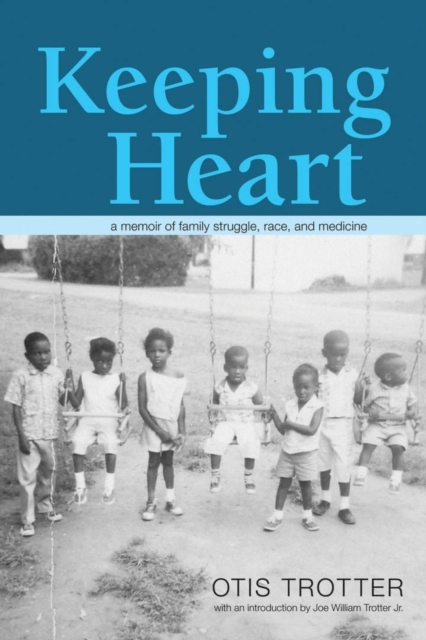
"e;After saying our good-byes to friends and neighbors, we all got in the cars and headed up the hill and down the road toward a future in Ohio that we hoped would be brighter,"e; Otis Trotter writes in his affecting memoir, Keeping Heart: A Memoir of Family Struggle, Race, and Medicine.
In Reading for Health: Medical Narratives and the Nineteenth-Century Novel, Erika Wright argues that the emphasis in Victorian Studies on disease as the primary source of narrative conflict that must be resolved has obscured the complex reading practices that emerge around the concept of health.
Marian Alexander Spencer was born in 1920 in the Ohio River town of Gallipolis, Ohio, one year after the "e;Red Summer"e; of 1919 that saw an upsurge in race riots and lynchings.
As narrow, nationalist views of patriotic allegiance have become widespread and are routinely invoked to justify everything from flag-waving triumphalism to xenophobic bigotry, the concept of a nonnationalist patriotism has vanished from public conversation.
The Gender of Piety is an intimate history of the Brethren in Christ Church in Zimbabwe, or BICC, as related through six individual life histories that extend from the early colonial years through the first decade after independence.
By November 1822, the British reading public had already voraciously consumed both Walter Scott's expensive novels and Rudolf Ackermann's exquisite lithographs.
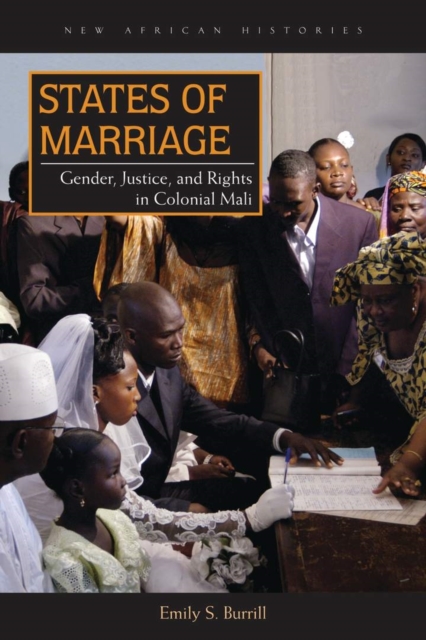
States of Marriage shows how throughout the colonial period in French Sudan (present-day Mali) the institution of marriage played a central role in how the empire defined its colonial subjects as gendered persons with certain attendant rights and privileges.
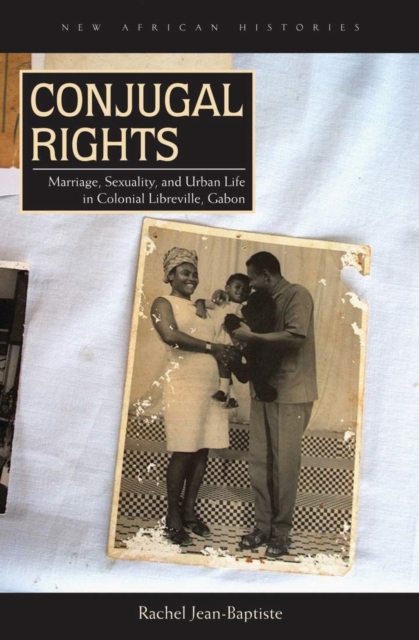
Conjugal Rights is a history of the role of marriage and other arrangements between men and women in Libreville, Gabon, during the French colonial era, from the mid-nineteenth century through 1960.
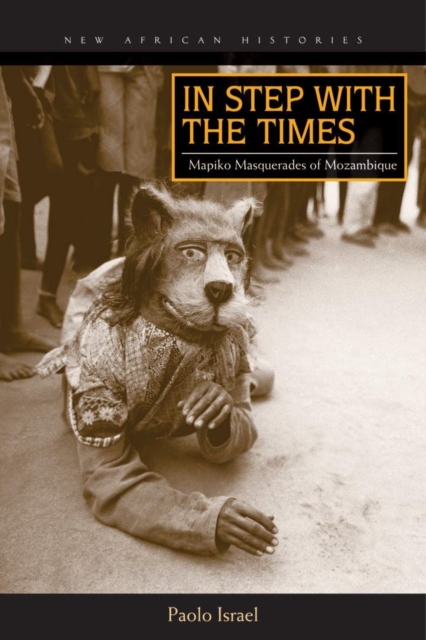
The helmet-shaped mapiko masks of Mozamxadbique have garnered admiration from African art scholars and collectors alike, due to their striking aesthetics and their grotesque allure.
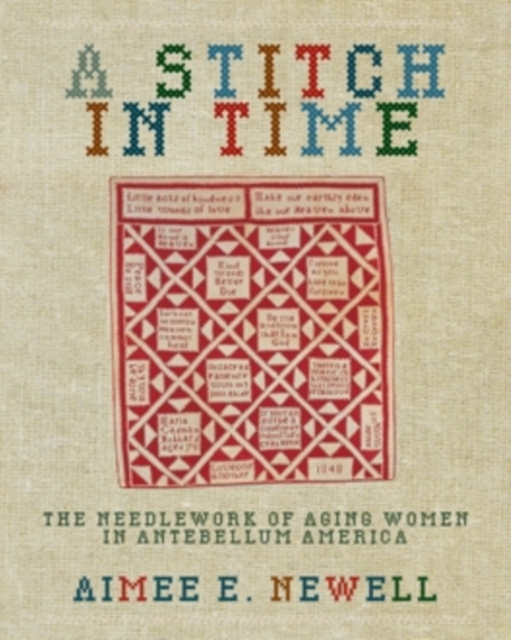
Drawing from 167 examples of decorative needlework-primarily samplers and quilts from 114 collections across the United States-made by individual women aged forty years and over between 1820 and 1860, this exquisitely illustrated book explores how women experienced social and cultural change in antebellum America.
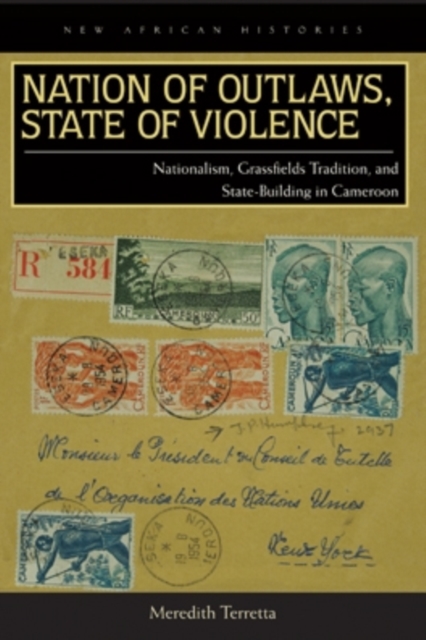
Nation of Outlaws, State of Violence is the first extensive history of Cameroonian nationalism to consider the global and local influences that shaped the movement within the French and British Cameroons and beyond.
Edmund Husserl, founder of the phenomenological movement, is usually read as an idealist in his metaphysics and an instrumentalist in his philosophy of science.
The Brown Goose, the White Case Knife, Ora's Speckled Bean, Radiator Charlie's Mortgage Lifter-these are just a few of the heirloom fruits and vegetables you'll encounter in Bill Best's remarkable history of seed saving and the people who preserve both unique flavors and the Appalachian culture associated with them.
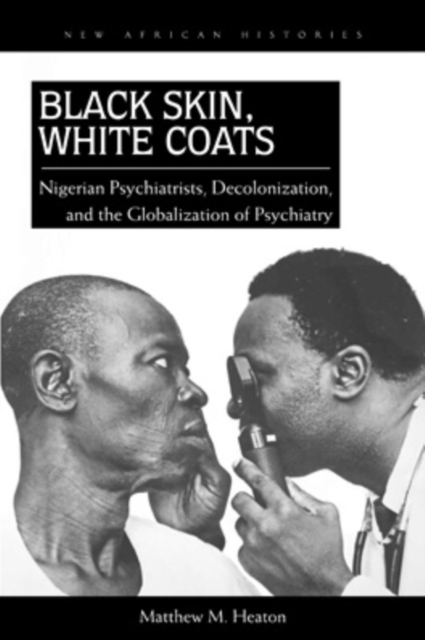
This first extensive study of the practice of blood transfusion in Africa traces the history of one of the most important therapies in modern medicine from the period of colonial rule to independence and the AIDS epidemic.
Reading Victorian Deafness is the first book to address the crucial role that deaf people, and their unique language of signs, played in Victorian culture.
Ufrieda Ho's compelling memoir describes with intimate detail what it was like to come of age in the marginalized Chinese community of Johannesburg during the apartheid era of the 1970s and 1980s.
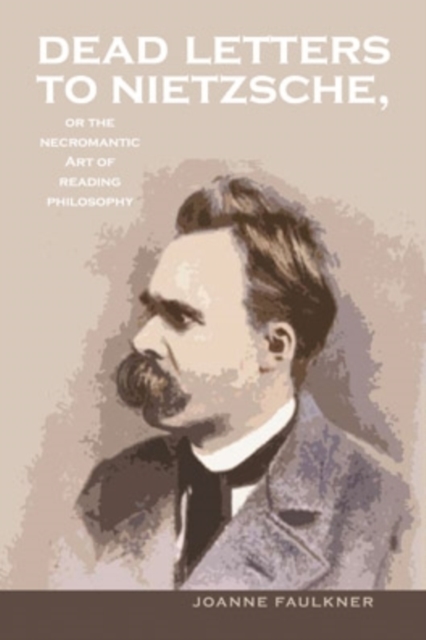
Dead Letters to Nietzsche examines how writing shapes subjectivity through the example of Nietzsche's reception by his readers, including Stanley Rosen, David Farrell Krell, Georges Bataille, Laurence Lampert, Pierre Klossowski, and Sarah Kofman.
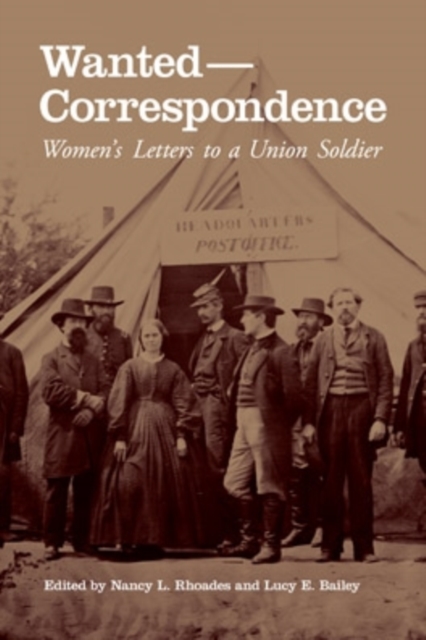
A unique collection of more than 150 letters written to an Ohio serviceman during the American Civil War that offers glimpses of women's lives as they waited, worked, and wrote from the Ohio home front.
While African National Congress narratives dominate much of the scholarship on South Africa's freedom struggle, Josie Mpama/Palmer's political life offers a different perspective.
Following tirailleurs senegalais' deployments in West Africa, Congo, Madagascar, North Africa, Syria-Lebanon, Vietnam, and Algeria from the 1880s to 1962, Militarizing Marriage historicizes how African servicemen advanced conjugal strategies with women at home and abroad.
The first decades of the twentieth century were years of dramatic change in Zanzibar, a time when the social, economic, and political lives of island residents were in incredible flux, framed by the abolition of slavery, the introduction of colonialism, and a tide of urban migration.
At midcentury, two distinct Polish immigrant groups-those Polish Americans who were descendants of economic immigrants from the turn of the twentieth century and the Polish political refugees who chose exile after World War II and the communist takeover in Poland-faced an uneasy challenge to reconcile their concepts of responsibility toward the homeland.
Tea drinking in Victorian England was a pervasive activity that, when seen through the lens of a century's perspective, presents a unique overview of Victorian culture.
During Poland's century-long partition and in the interwar period of Poland's reemergence as a state, Polish writers on both sides of the ocean shared a preoccupation with national identity.
As the subject of ideological, aesthetic, and existential manipulations, the Polish home and its representation is an ever-changing phenomenon that absorbs new tendencies and, at the same time, retains its centrality to Polish literature, whether written in Poland or abroad.
Terrorism and guerrilla warfare, whether justified as resistance to oppression or condemned as disrupting the rule of law, are as old as civilization itself.
In spite of Robert Frost's continuing popularity with the public, the poet remains an outsider in the academy, where more "e;difficult"e; and "e;innovative"e; poets like T.
The Great Recession punished American workers, leaving many underemployed or trapped in jobs that did not provide the income or opportunities they needed.
Set against the backdrop of the Japanese invasion of the Philippines in 1941, Cecilia Manguerra Brainard's brilliant novel weaves myth and legend together with the suffering and tragedies of the Filipino people.
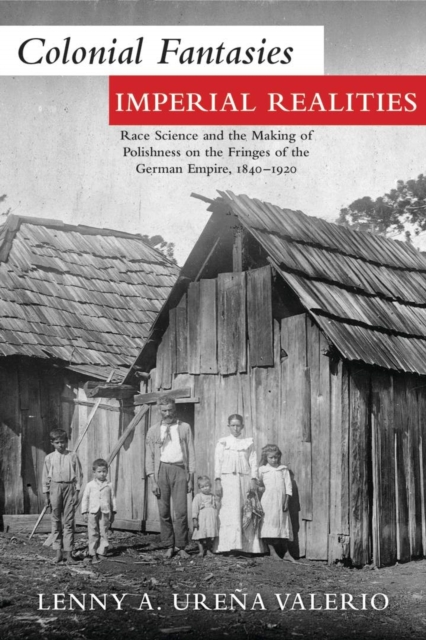
In Colonial Fantasies, Imperial Realities, Lenny Urena Valerio offers a transnational approach to Polish-German relations and nineteenth-century colonial subjectivities.