Nation of Outlaws, State of Violence is the first extensive history of Cameroonian nationalism to consider the global and local influences that shaped the movement within the French and British Cameroons and beyond.
Edmund Husserl, founder of the phenomenological movement, is usually read as an idealist in his metaphysics and an instrumentalist in his philosophy of science.
The Brown Goose, the White Case Knife, Ora's Speckled Bean, Radiator Charlie's Mortgage Lifter-these are just a few of the heirloom fruits and vegetables you'll encounter in Bill Best's remarkable history of seed saving and the people who preserve both unique flavors and the Appalachian culture associated with them.
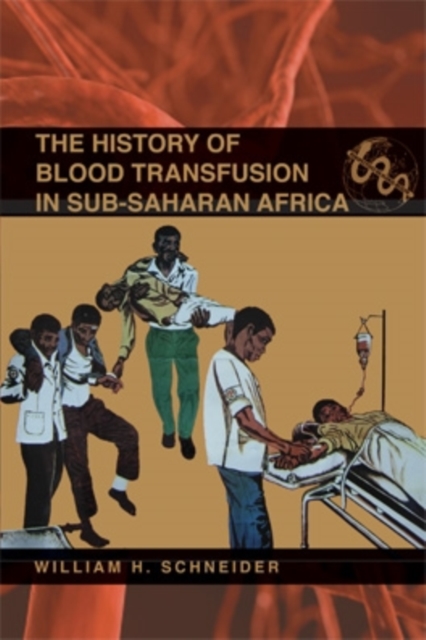
This first extensive study of the practice of blood transfusion in Africa traces the history of one of the most important therapies in modern medicine from the period of colonial rule to independence and the AIDS epidemic.
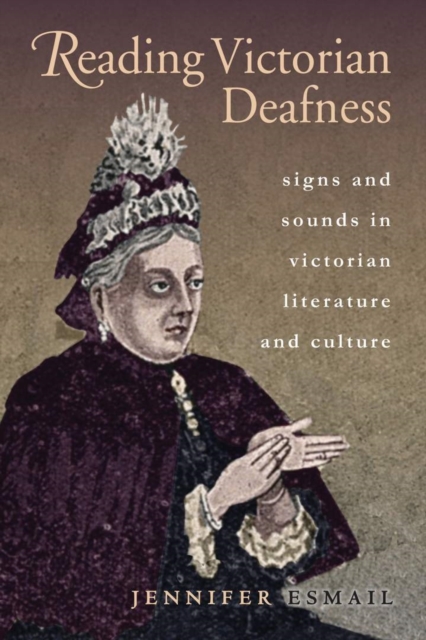
Reading Victorian Deafness is the first book to address the crucial role that deaf people, and their unique language of signs, played in Victorian culture.
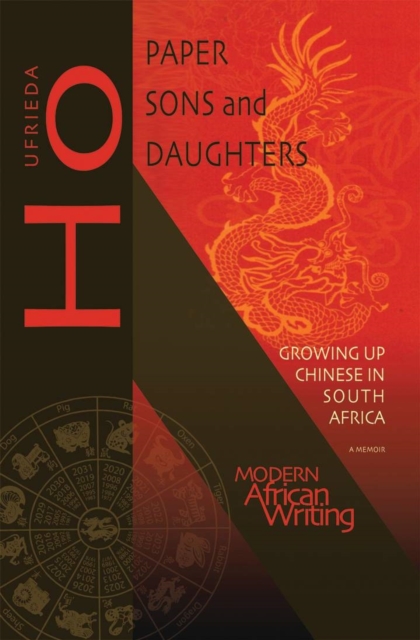
Ufrieda Ho's compelling memoir describes with intimate detail what it was like to come of age in the marginalized Chinese community of Johannesburg during the apartheid era of the 1970s and 1980s.
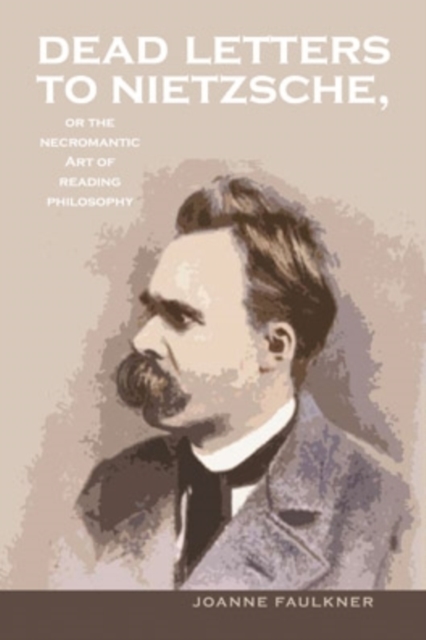
Dead Letters to Nietzsche examines how writing shapes subjectivity through the example of Nietzsche's reception by his readers, including Stanley Rosen, David Farrell Krell, Georges Bataille, Laurence Lampert, Pierre Klossowski, and Sarah Kofman.
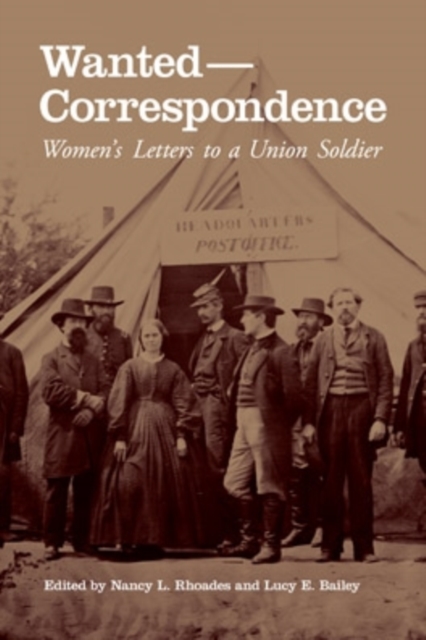
A unique collection of more than 150 letters written to an Ohio serviceman during the American Civil War that offers glimpses of women's lives as they waited, worked, and wrote from the Ohio home front.
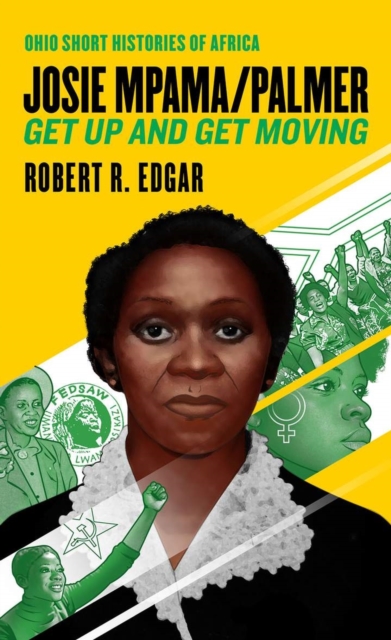
While African National Congress narratives dominate much of the scholarship on South Africa's freedom struggle, Josie Mpama/Palmer's political life offers a different perspective.
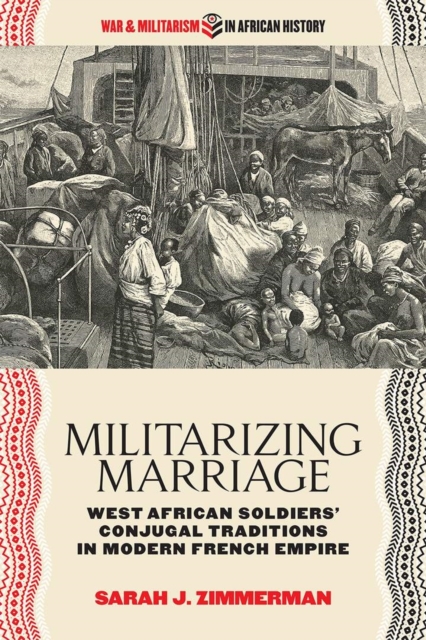
Following tirailleurs senegalais' deployments in West Africa, Congo, Madagascar, North Africa, Syria-Lebanon, Vietnam, and Algeria from the 1880s to 1962, Militarizing Marriage historicizes how African servicemen advanced conjugal strategies with women at home and abroad.
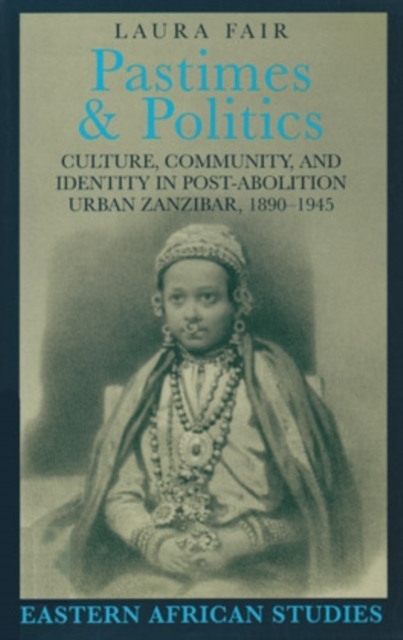
The first decades of the twentieth century were years of dramatic change in Zanzibar, a time when the social, economic, and political lives of island residents were in incredible flux, framed by the abolition of slavery, the introduction of colonialism, and a tide of urban migration.
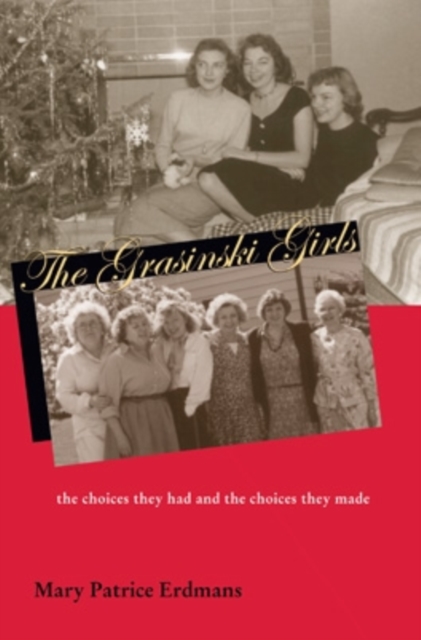
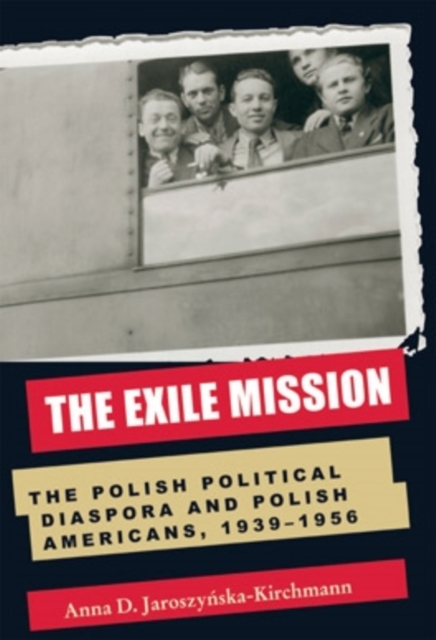
At midcentury, two distinct Polish immigrant groups-those Polish Americans who were descendants of economic immigrants from the turn of the twentieth century and the Polish political refugees who chose exile after World War II and the communist takeover in Poland-faced an uneasy challenge to reconcile their concepts of responsibility toward the homeland.
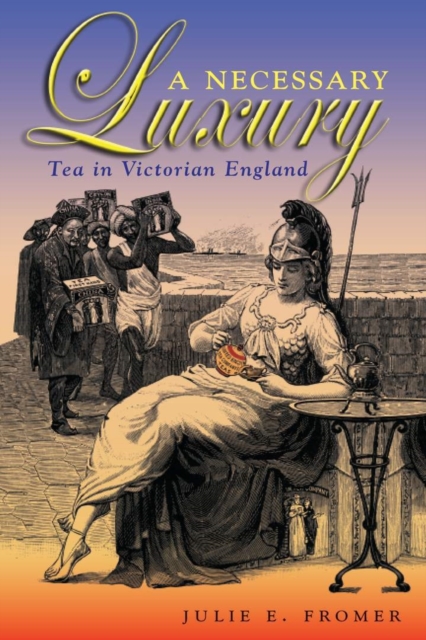
Tea drinking in Victorian England was a pervasive activity that, when seen through the lens of a century's perspective, presents a unique overview of Victorian culture.
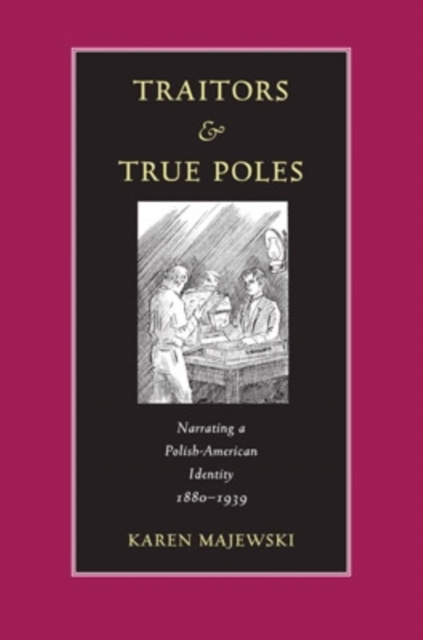
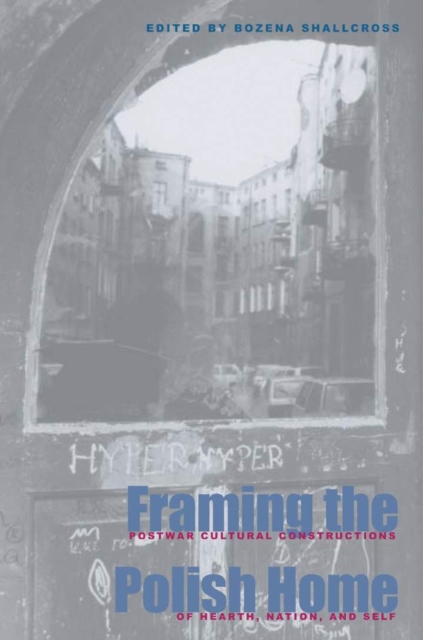
During Poland's century-long partition and in the interwar period of Poland's reemergence as a state, Polish writers on both sides of the ocean shared a preoccupation with national identity.
As the subject of ideological, aesthetic, and existential manipulations, the Polish home and its representation is an ever-changing phenomenon that absorbs new tendencies and, at the same time, retains its centrality to Polish literature, whether written in Poland or abroad.
Terrorism and guerrilla warfare, whether justified as resistance to oppression or condemned as disrupting the rule of law, are as old as civilization itself.
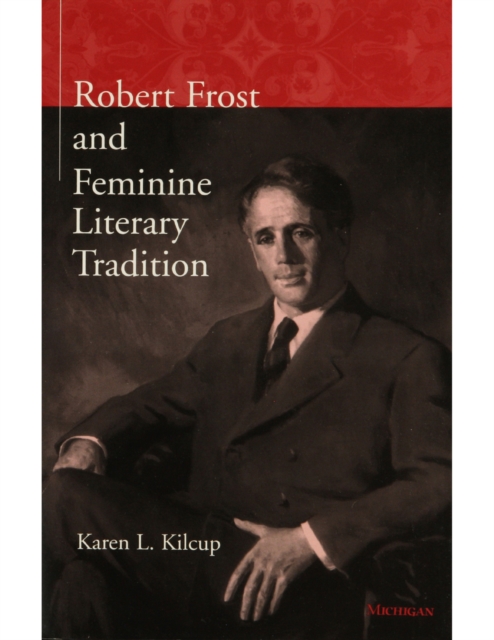
In spite of Robert Frost's continuing popularity with the public, the poet remains an outsider in the academy, where more "e;difficult"e; and "e;innovative"e; poets like T.
The Great Recession punished American workers, leaving many underemployed or trapped in jobs that did not provide the income or opportunities they needed.
Set against the backdrop of the Japanese invasion of the Philippines in 1941, Cecilia Manguerra Brainard's brilliant novel weaves myth and legend together with the suffering and tragedies of the Filipino people.
In Colonial Fantasies, Imperial Realities, Lenny Urena Valerio offers a transnational approach to Polish-German relations and nineteenth-century colonial subjectivities.
From the early days of the anti-apartheid struggle in South Africa, activists collaborated with artists, musicians, and entertainers, strategically using celebrity and popular culture to amplify protest.
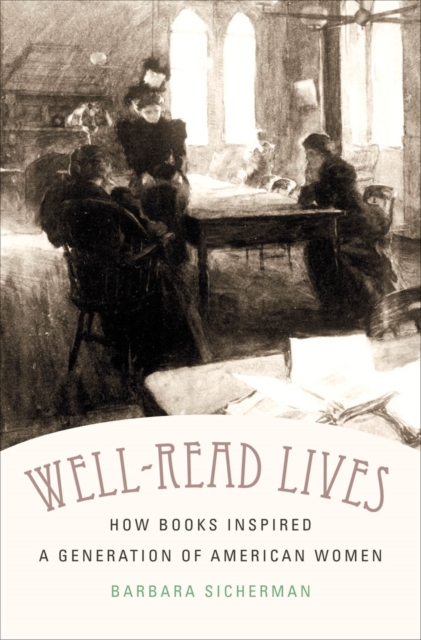
In a compelling approach structured as theme and variations, Barbara Sicherman offers insightful profiles of a number of accomplished women born in Americas Gilded Age who lost and found themselves in books, and worked out a new life purpose around them.
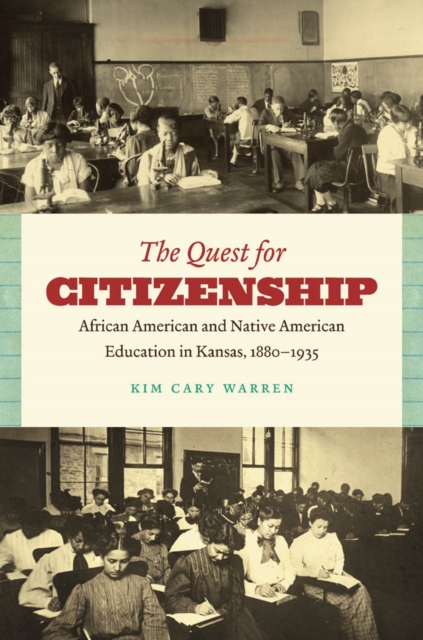
In The Quest for Citizenship, Kim Cary Warren examines the formation of African American and Native American citizenship, belonging, and identity in the United States by comparing educational experiences in Kansas between 1880 and 1935.
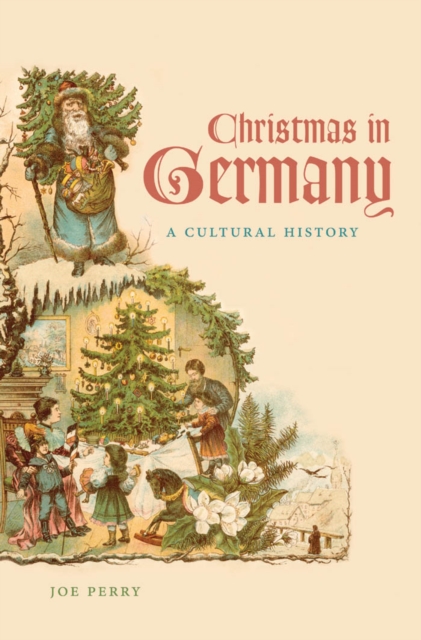
For poets, priests, and politicians and especially ordinary Germans in the nineteenth and twentieth centuries, the image of the loving nuclear family gathered around the Christmas tree symbolized the unity of the nation at large.
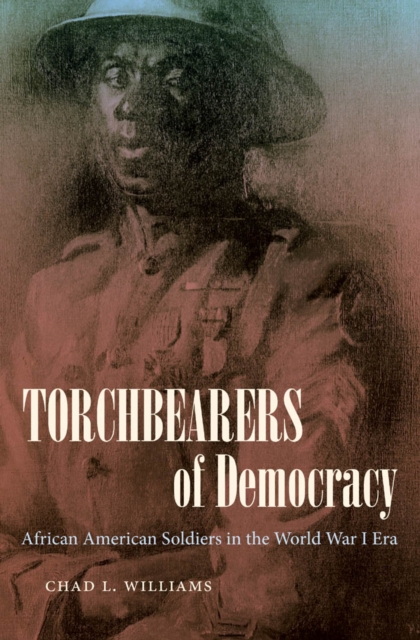
For the 380,000 African American soldiers who fought in World War I, Woodrow Wilsons charge to make the world safe for democracy carried life-or-death meaning.
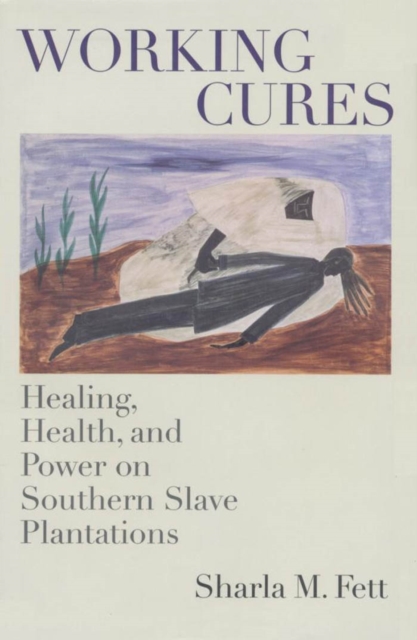
Exploring the charged topic of black health under slavery, Sharla Fett reveals how herbalism, conjuring, midwifery, and other African American healing practices became arts of resistance in the antebellum South.
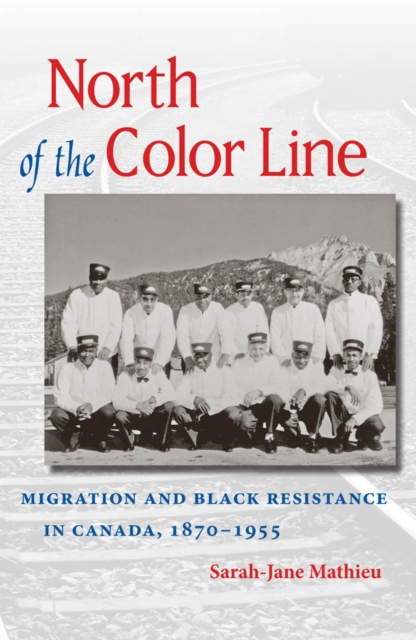
North of the Color Line examines life in Canada for the estimated 5,000 blacks, both African Americans and West Indians, who immigrated to Canada after the end of Reconstruction in the United States.
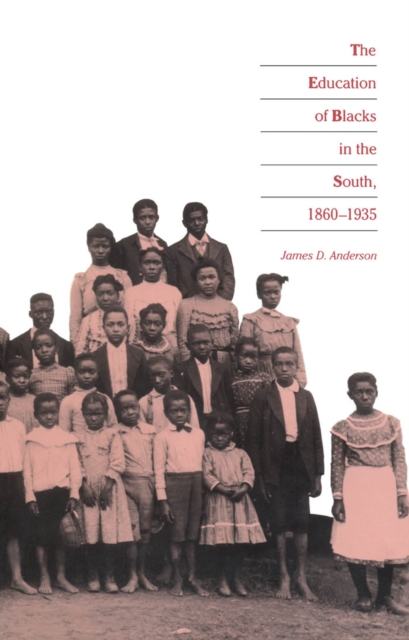
Conventional wisdom holds that freedmens education was largely the work of privileged, single white northern women motivated by evangelical beliefs and abolitionism.
Tracing the history of intercultural struggle and cooperation in the citrus belt of Greater Los Angeles, Matt Garcia explores the social and cultural forces that helped make the city the expansive and diverse metropolis that it is today.
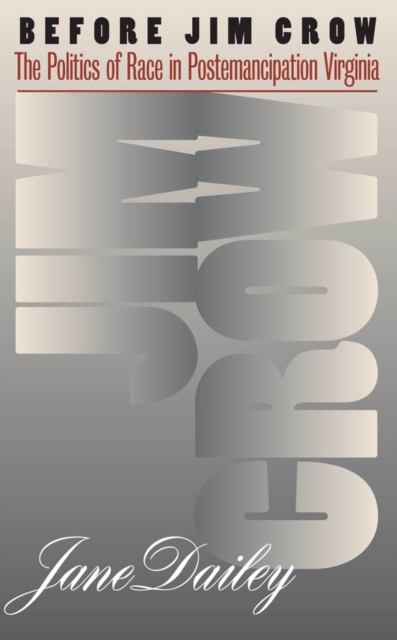
Long before the Montgomery bus boycott ushered in the modern civil rights movement, black and white southerners struggled to forge interracial democracy in America.
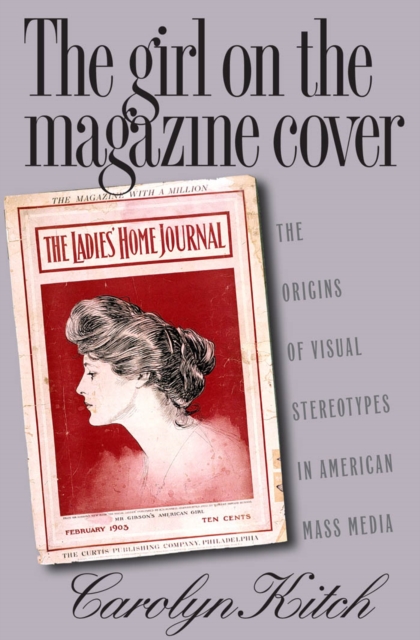
From the Gibson Girl to the flapper, from the vamp to the New Woman, Carolyn Kitch traces mass media images of women to their historical roots on magazine covers, unveiling the origins of gender stereotypes in early-twentieth-century American culture.
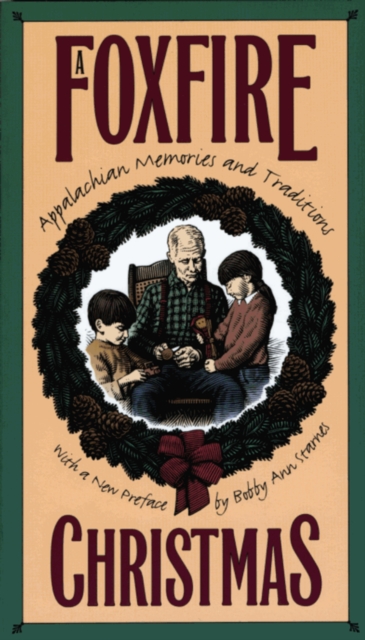
New in paperbackThis captivating book of recollections celebrates the holiday traditions of Appalachian families as passed from one generation to the next.
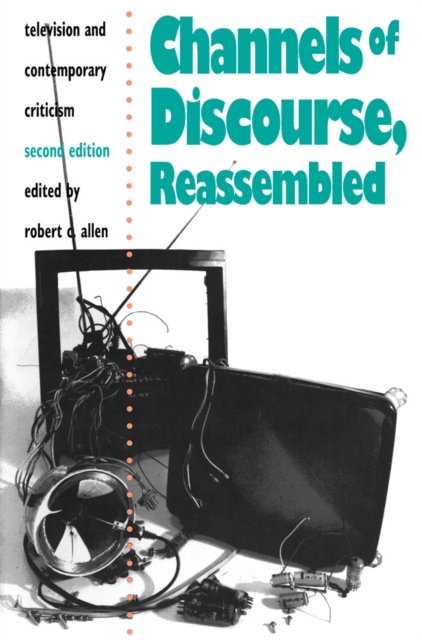
Since its original publication in 1987, Channels of Discourse has provided the most comprehensive consideration of commercial television, drawing on insights provided by the major strands of contemporary criticism: semiotics, narrative theory, reception theory, genre theory, ideological analysis, psychoanalysis, feminist criticism, and British cultural studies.