Focusing on six major Supreme Court cases during the 1960s and 1970s, Marc Stein examines the generally liberal rulings on birth control, abortion, interracial marriage, and obscenity in Griswold, Eisenstadt, Roe, Loving, and Fanny Hill alongside a profoundly conservative ruling on homosexuality in Boutilier.
In the 1930s, the Roosevelt administration unwilling to antagonize a powerful southern congressional bloc refused to endorse legislation that openly sought to improve political, economic, and social conditions for African Americans.
Seen as a land of sunshine and opportunity, the Golden State was a mecca for the postWorld War II generation, and dreams of the California good life came to dominate the imagination of many Americans in the 1950s and 1960s.
Combining traditional Appalachian folktale plots with a contemporary sensibility, writer and storyteller Anne Shelby creates fourteen lively, original stories of a funny, magical, yet familiar world.
Here is the first fully annotated edition of a landmark in early African American literature Eliza Potters 1859 autobiography, A Hairdressers Experience in High Life.
By examining environmental change through the lens of conflicting social agendas, Andrew Hurley uncovers the historical roots of environmental inequality in contemporary urban America.
After thirty years of anticolonial struggle against Spain and four years of military occupation by the United States, Cuba formally became an independent republic in 1902.
In a fascinating and comprehensive intellectual history of modern communication in America, Daniel Czitrom examines the continuing contradictions between the progressive possibilities that new communications technologies offer and their use as instruments of domination and exploitation.
Eighteenth-century Jamaica, Britains largest and most valuable slave-owning colony, relied on a brutal system of slave management to maintain its tenuous social order.
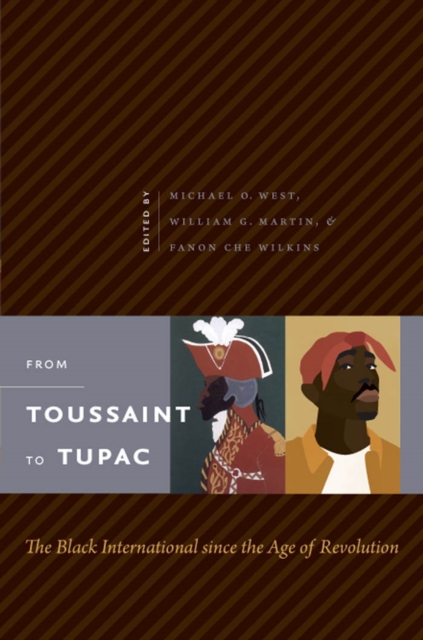
Transcending geographic and cultural lines, From Toussaint to Tupac is an ambitious collection of essays exploring black internationalism and its implications for a black consciousness.
Originally published in 1984, Reading the Romance challenges popular (and often demeaning) myths about why romantic fiction, one of publishings most lucrative categories, captivates millions of women readers.
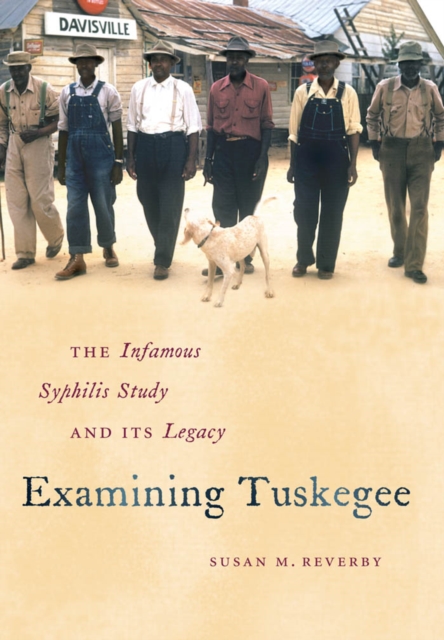
The forty-year Tuskegee Syphilis Study, which took place in and around Tuskegee, Alabama, from the 1930s through the 1970s, has become a profound metaphor for medical racism, government malfeasance, and physician arrogance.
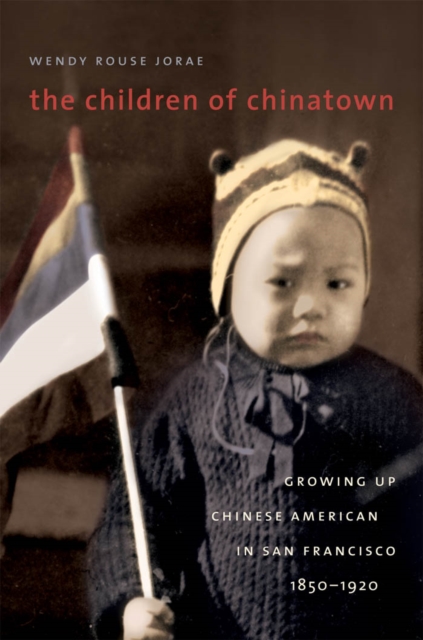
Revealing the untold stories of a pioneer generation of young Chinese Americans, this book places the children and families of early Chinatown in the middle of efforts to combat American policies of exclusion and segregation.
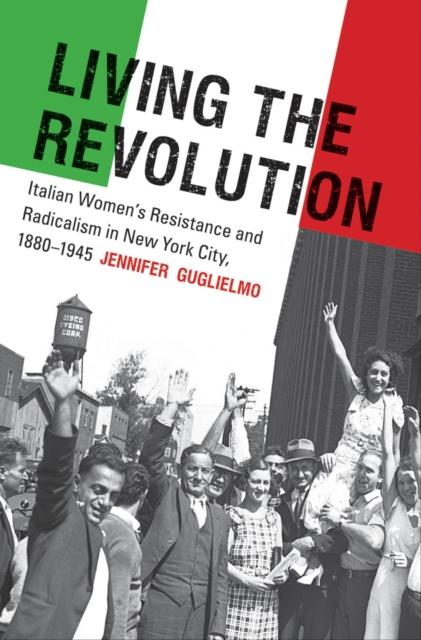
Italians were the largest group of immigrants to the United States at the turn of the twentieth century, and hundreds of thousands led and participated in some of the periods most volatile labor strikes.
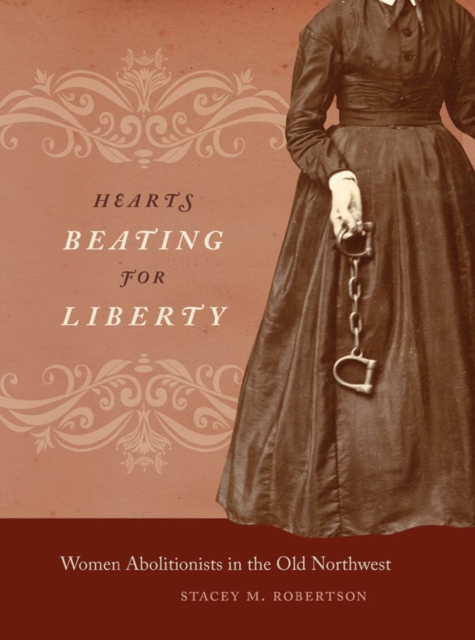
Challenging traditional histories of abolition, this book shifts the focus away from the East to show how the women of Ohio, Indiana, Illinois, Michigan, and Wisconsin helped build a vibrant antislavery movement in the Old Northwest.
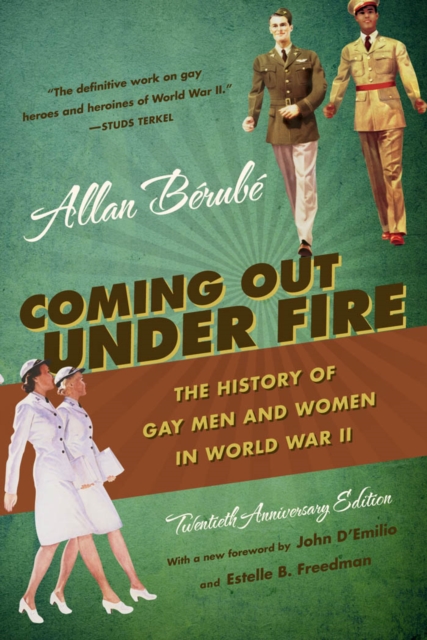
During World War II, as the United States called on its citizens to serve in unprecedented numbers, the presence of gay Americans in the armed forces increasingly conflicted with the expanding antihomosexual policies and procedures of the military.
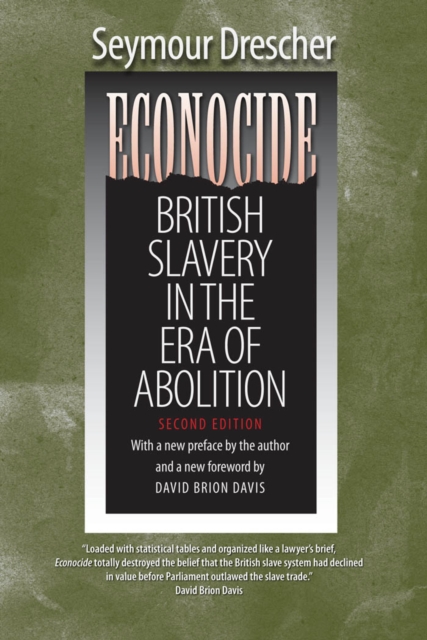
In this classic analysis and refutation of Eric Williamss 1944 thesis, Seymour Drescher argues that Britains abolition of the slave trade in 1807 resulted not from the diminishing value of slavery for Great Britain but instead from the British publics mobilization against the slave trade, which forced London to commit what Drescher terms econocide.
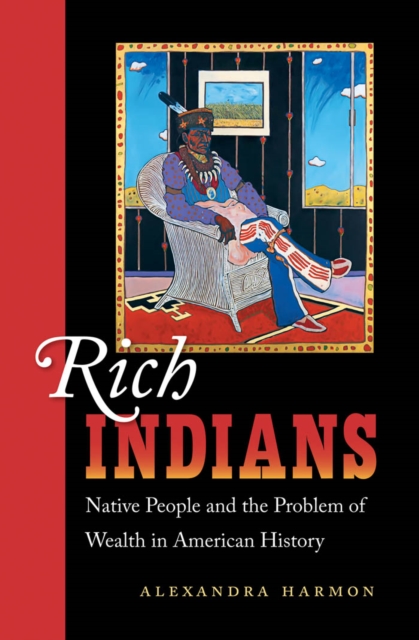
Long before lucrative tribal casinos sparked controversy, Native Americans amassed other wealth that provoked intense debate about the desirability, morality, and compatibility of Indian and non-Indian economic practices.
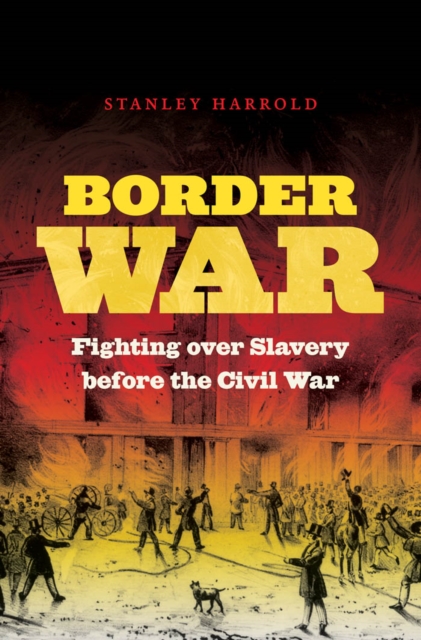
During the 1840s and 1850s, a dangerous ferment afflicted the North-South border region, pitting the slave states of Maryland, Virginia, Kentucky, and Missouri against the free states of New Jersey, Pennsylvania, Ohio, Indiana, and Illinois.
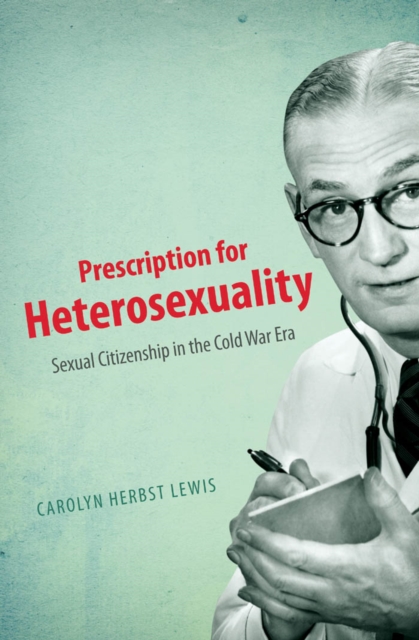
In Prescription for Heterosexuality, Carolyn Herbst Lewis explores how medical practitioners, especially family physicians, situated themselves as the guardians of Americans' sexual well-being during the early Cold War years.
In 1663, the Puritan missionary John Eliot, with the help of a Nipmuck convert whom the English called James Printer, produced the first Bible printed in North America.
Throughout the 1960s and 1970s, folklorist William Ferris toured his home state of Mississippi, documenting the voices of African Americans as they spoke about and performed the diverse musical traditions that form the authentic roots of the blues.
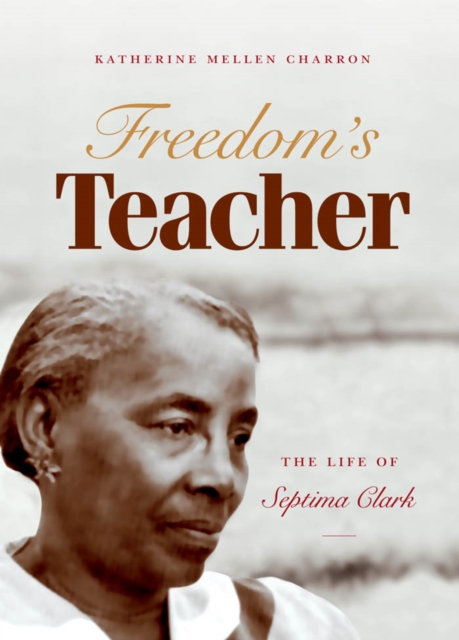
In the mid-1950s, Septima Poinsette Clark (1898-1987), a former public school teacher, developed a citizenship training program that enabled thousands of African Americans to register to vote and then to link the power of the ballot to concrete strategies for individual and communal empowerment.
While women are officially barred from combat in the American armed services, in the current war, where there are no front lines, the ban on combat is virtually meaningless.
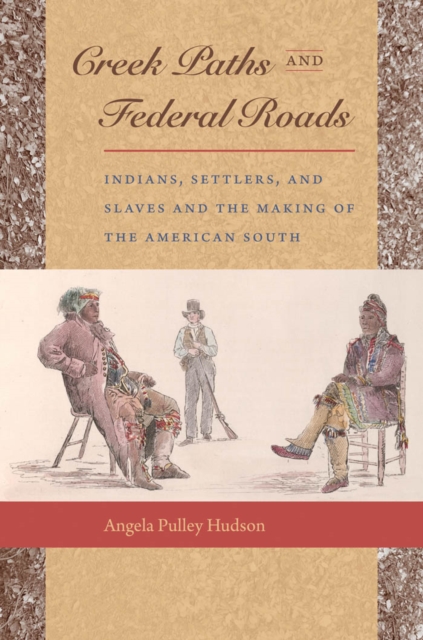
In Creek Paths and Federal Roads, Angela Pulley Hudson offers a new understanding of the development of the American South by examining travel within and between southeastern Indian nations and the southern states, from the founding of the United States until the forced removal of southeastern Indians in the 1830s.
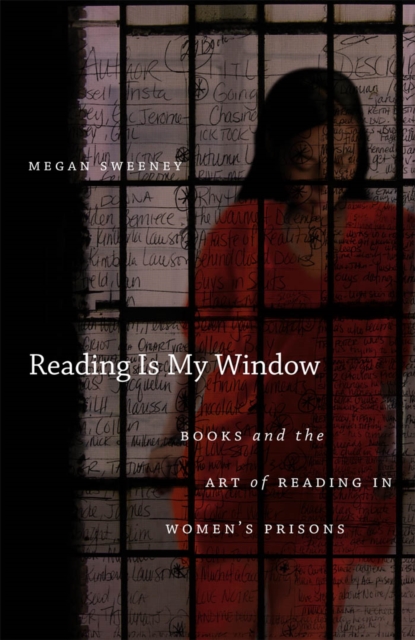
Drawing on extensive interviews with ninety-four women prisoners, Megan Sweeney examines how incarcerated women use available reading materials to come to terms with their pasts, negotiate their present experiences, and reach toward different futures.
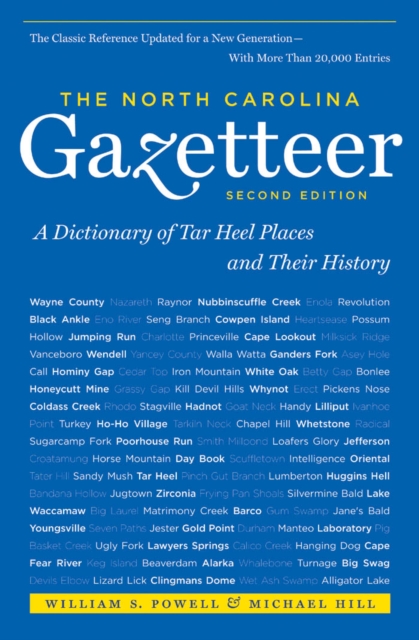
The North Carolina Gazetteer first appeared to wide acclaim in 1968 and has remained an essential reference for anyone with a serious interest in the Tar Heel State, from historians to journalists, from creative writers to urban planners, from backpackers to armchair travelers.
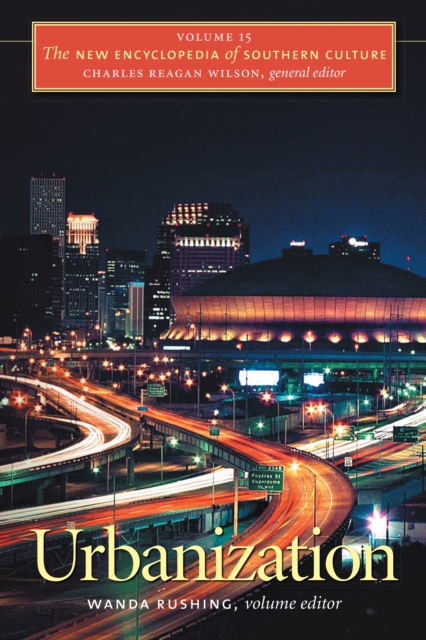
This volume of The New Encyclopedia of Southern Culture offers a current and authoritative reference to urbanization in the American South from the eighteenth century to the twenty-first, surveying important southern cities individually and examining the various issues that shape patterns of urbanization from a broad regional perspective.
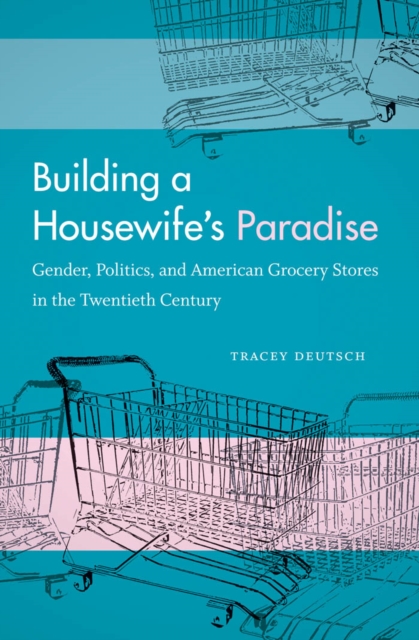
Supermarkets are a mundane feature in the landscape, but as Tracey Deutsch reveals, they represent a major transformation in the ways that Americans feed themselves.
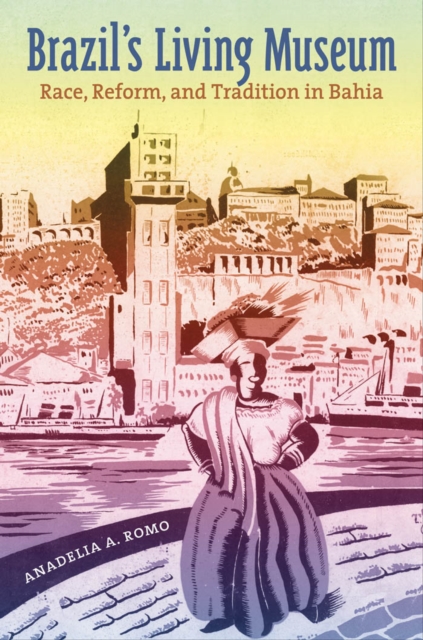
Brazils northeastern state of Bahia has built its economy around attracting international tourists to what is billed as the locus of Afro-Brazilian culture and the epicenter of Brazilian racial harmony.
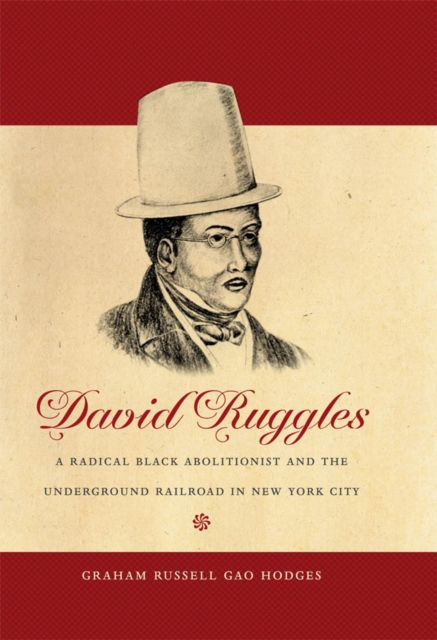
David Ruggles (18101849) was one of the most heroic and has been one of the most often overlooked figures of the early abolitionist movement in America.
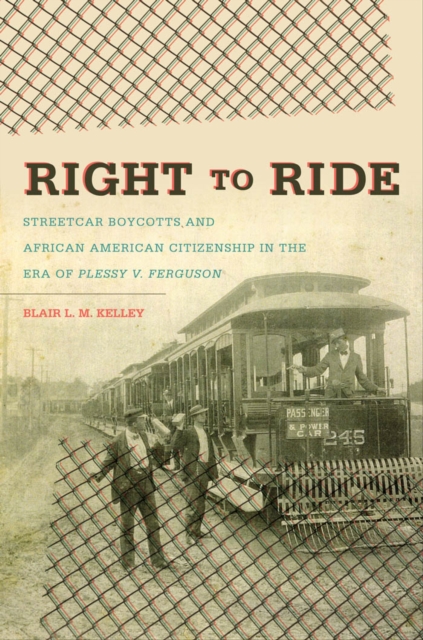
Through a reexamination of the earliest struggles against Jim Crow, Blair Kelley exposes the fullness of African American efforts to resist the passage of segregation laws dividing trains and streetcars by race in the early Jim Crow era.
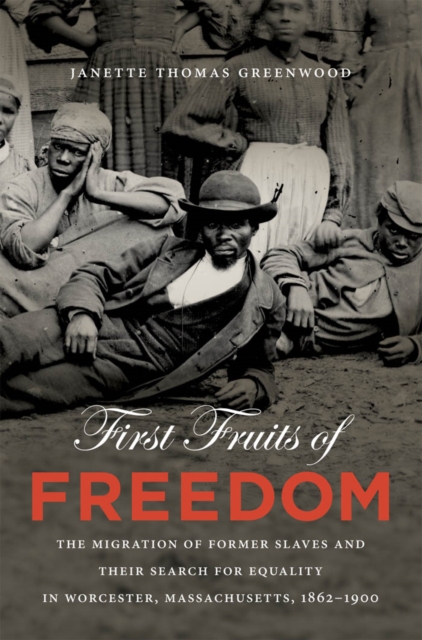
A moving narrative that offers a rare glimpse into the lives of African American men, women, and children on the cusp of freedom, First Fruits of Freedom chronicles one of the first collective migrations of blacks from the South to the North during and after the Civil War.
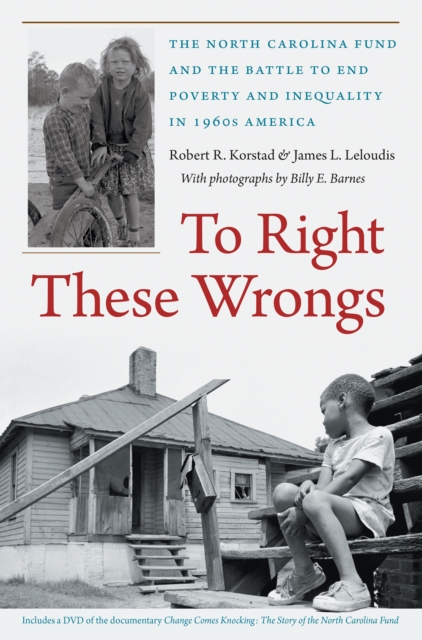
When Governor Terry Sanford established the North Carolina Fund in 1963, he saw it as a way to provide a better life for the tens of thousands whose family income is so low that daily subsistence is always in doubt.
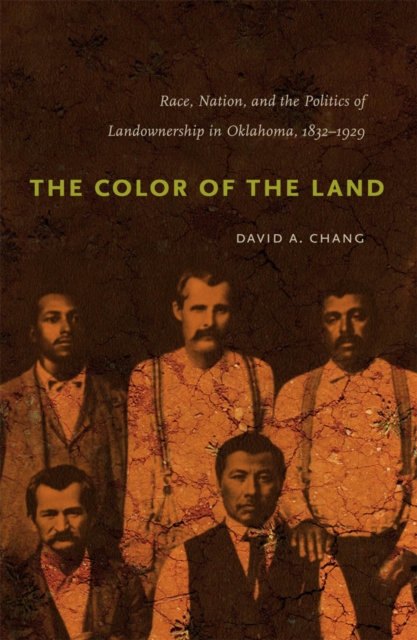
The Color of the Land brings the histories of Creek Indians, African Americans, and whites in Oklahoma together into one story that explores the way races and nations were made and remade in conflicts over who would own land, who would farm it, and who would rule it.