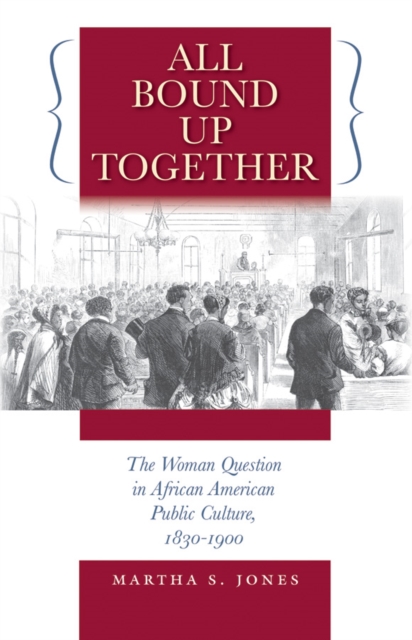
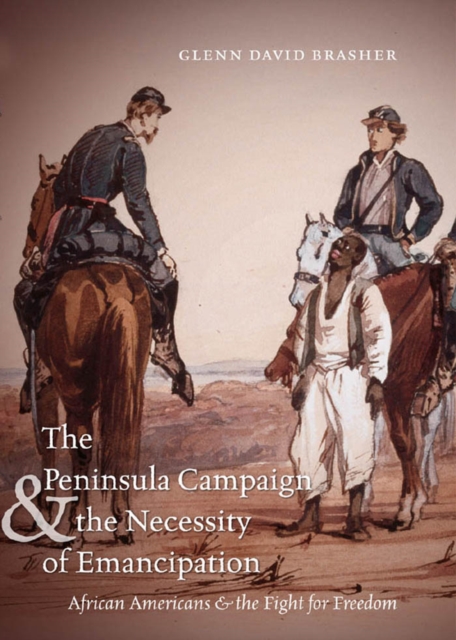
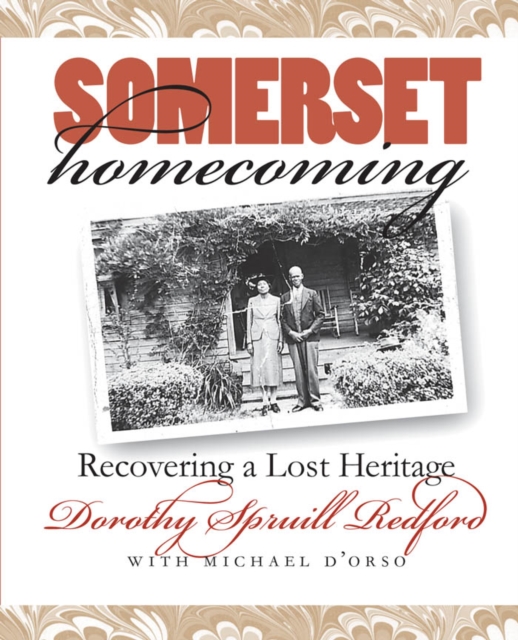
African American freedom is often defined in terms of emancipation and civil rights legislation, but it did not arrive with the stroke of a pen or the rap of a gavel.
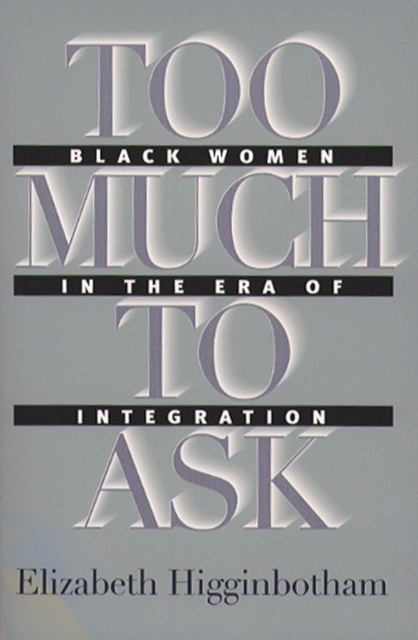
The place of womens rights in African American public culture has been an enduring question, one that has long engaged activists, commentators, and scholars.
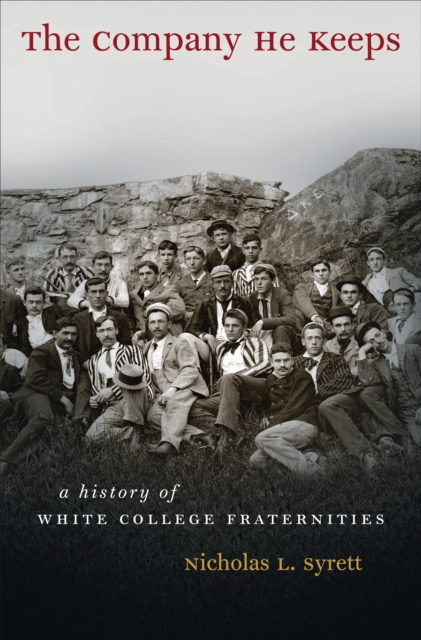
Tracing the full history of traditionally white college fraternities in America from their days in antebellum all-male schools to the sprawling modern-day college campus, Nicholas Syrett reveals how fraternity brothers have defined masculinity over the course of their 180-year history.
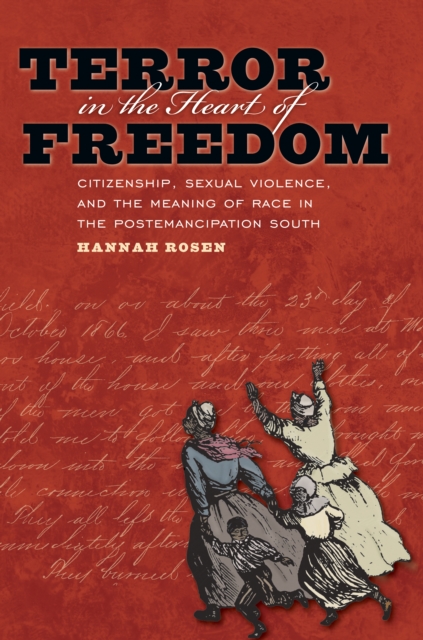
The meaning of race in the antebellum southern United States was anchored in the racial exclusivity of slavery (coded as black) and full citizenship (coded as white as well as male).
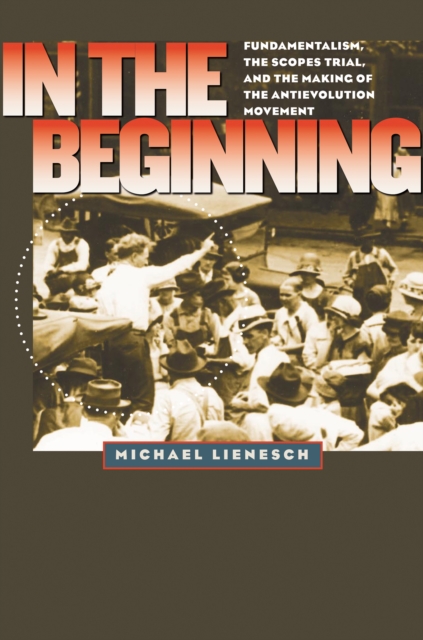
The current controversy over teaching evolution in the public schools has grabbed front-page headlines and topped news broadcasts all across the United States.
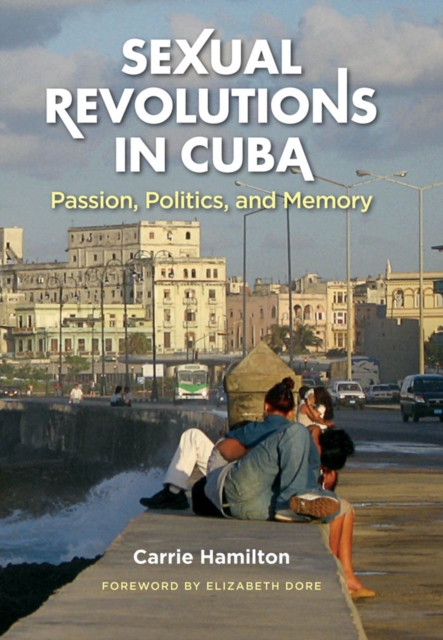
In Sexual Revolutions in Cuba Carrie Hamilton delves into the relationship between passion and politics in revolutionary Cuba to present a comprehensive history of sexuality on the island from the triumph of the Revolution in 1959 into the twenty-first century.
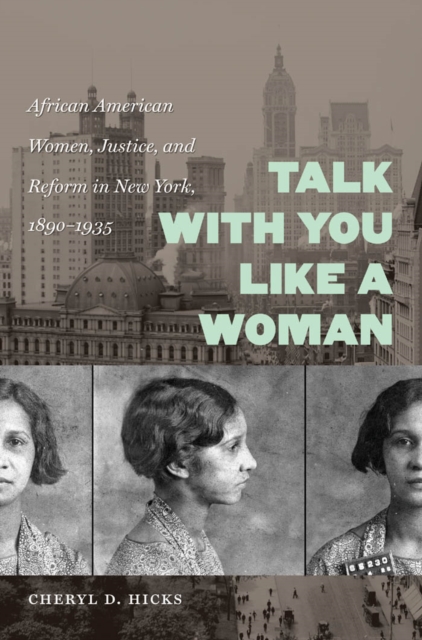
With this book, Cheryl Hicks brings to light the voices and viewpoints of black working-class women, especially southern migrants, who were the subjects of urban and penal reform in early-twentieth-century New York.
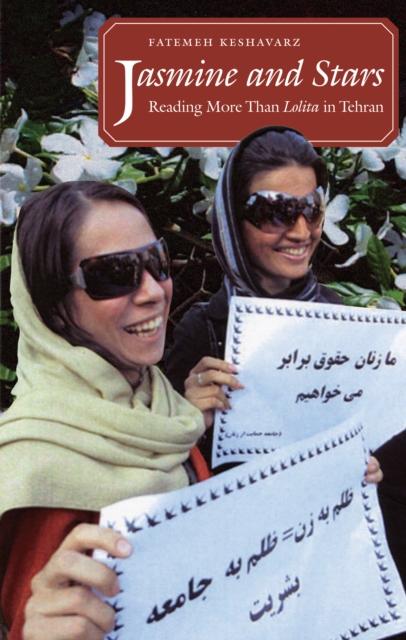
In a direct, frank, and intimate exploration of Iranian literature and society, scholar, teacher, and poet Fatemeh Keshavarz challenges popular perceptions of Iran as a society bereft of vitality and joy.
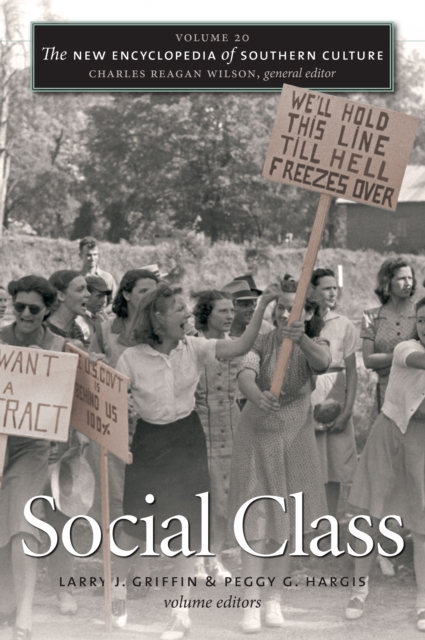
This volume of The New Encyclopedia of Southern Culture offers a timely, authoritative, and interdisciplinary exploration of issues related to social class in the South from the colonial era to the present.
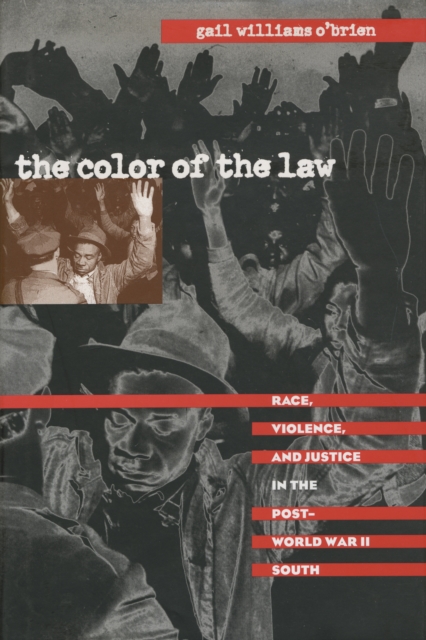
On February 25, 1946, African Americans in Columbia, Tennessee, averted the lynching of James Stephenson, a nineteen-year-old, black Navy veteran accused of attacking a white radio repairman at a local department store.
This is a book for those who want to know what really happens when, in circumstances of enormous complexity and under the impetus of the New Deal, an irresistible drive for labor organization runs head-on into an immovably imbedded race prejudice.
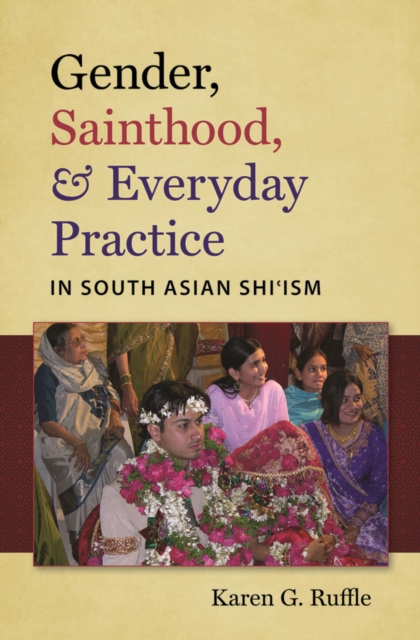
In this study of devotional hagiographical texts and contemporary ritual performances of the Shi'a of Hyderabad, India, Karen Ruffle demonstrates how traditions of sainthood and localized cultural values shape gender roles.
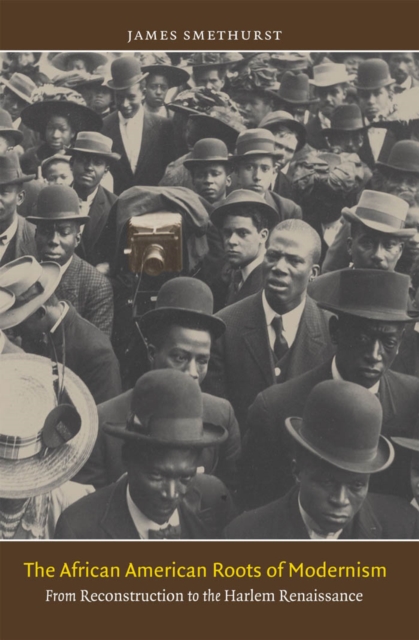
The period between 1880 and 1918, at the end of which Jim Crow was firmly established and the Great Migration of African Americans was well under way, was not the nadir for black culture, James Smethurst reveals, but instead a time of profound response from African American intellectuals.
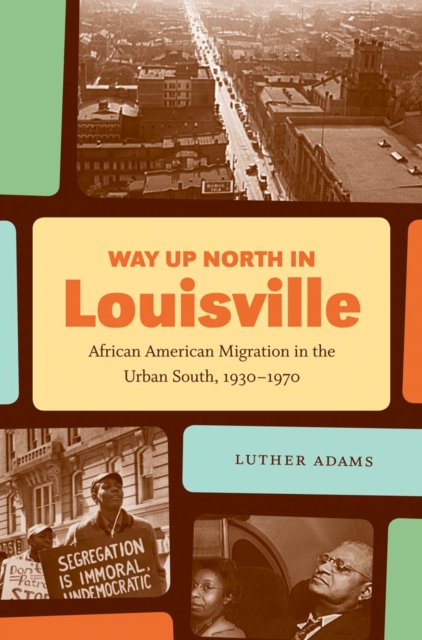
Luther Adams demonstrates that in the wake of World War II, when roughly half the black population left the South seeking greater opportunity and freedom in the North and West, the same desire often anchored African Americans to the South.
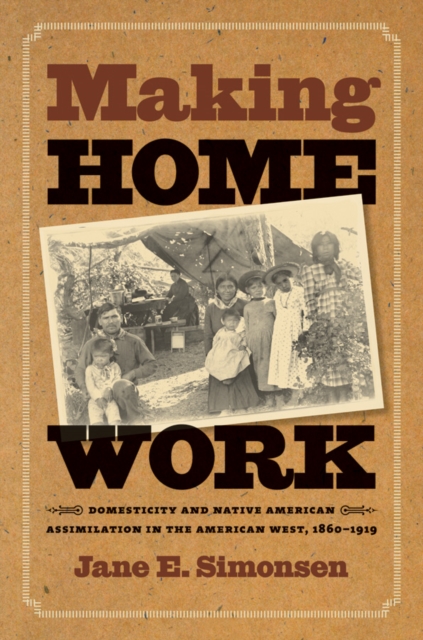
During the westward expansion of America, white middle-class ideals of home and domestic work were used to measure differences between white and Native American women.
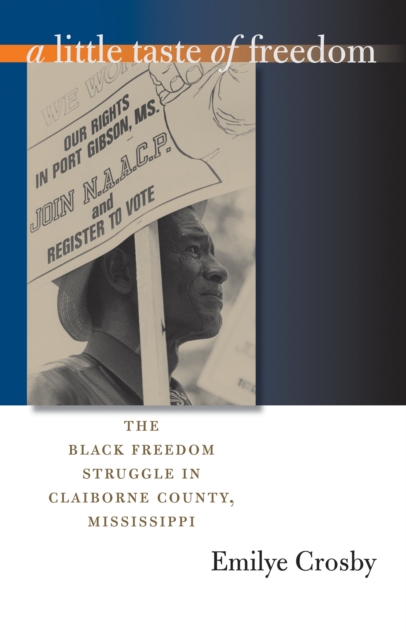
In this long-term community study of the freedom movement in rural, majority-black Claiborne County, Mississippi, Emilye Crosby explores the impact of the African American freedom struggle on small communities in general and questions common assumptions that are based on the national movement.
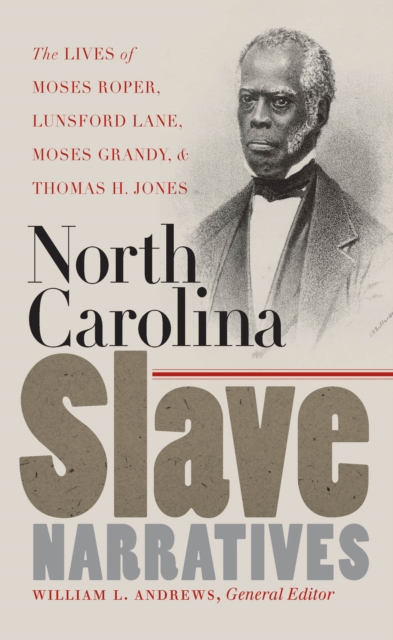
The autobiographies of former slaves contributed powerfully to the abolitionist movement in the United States, fanning national even international indignation against the evils of slavery.
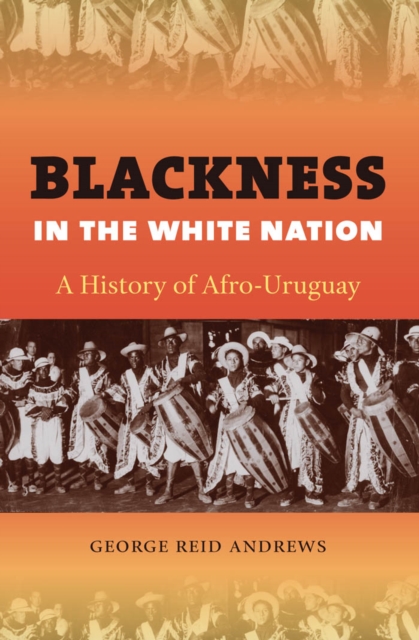
Uruguay is not conventionally thought of as part of the African diaspora, yet during the period of Spanish colonial rule, thousands of enslaved Africans arrived in the country.
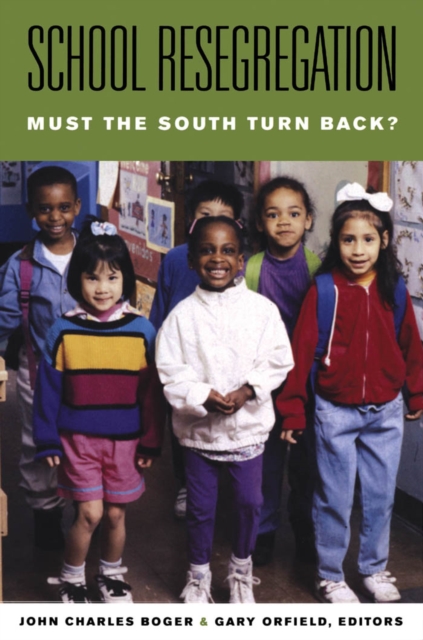
Confronting a reality that many policy makers would prefer to ignore, contributors to this volume offer the latest information on the trend toward the racial and socioeconomic resegregation of southern schools.
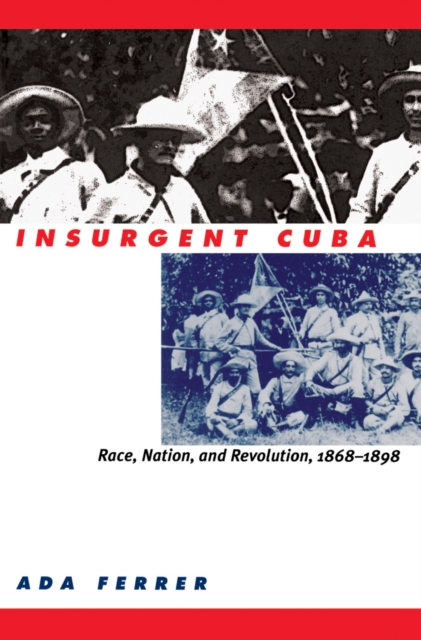
In the late nineteenth century, in an age of ascendant racism and imperial expansion, there emerged in Cuba a movement that unified black, mulatto, and white men in an attack on Europes oldest empire, with the goal of creating a nation explicitly defined as antiracist.
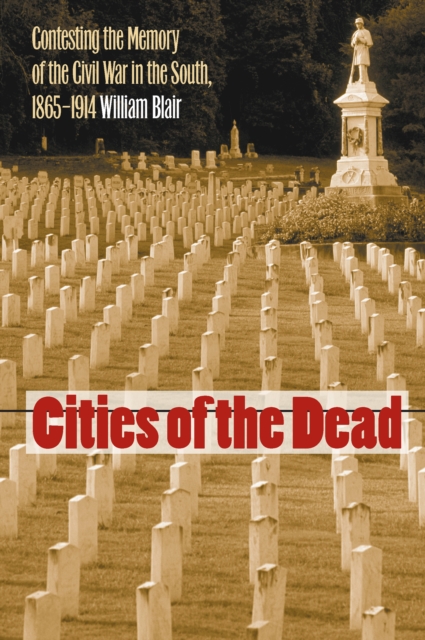
Exploring the history of Civil War commemorations from both sides of the color line, William Blair places the development of memorial holidays, Emancipation Day celebrations, and other remembrances in the context of Reconstruction politics and race relations in the South.
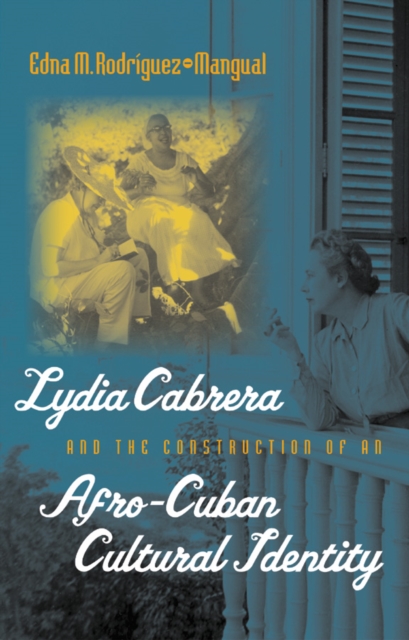
Lydia Cabrera (19001991), an upper-class white Cuban intellectual, spent many years traveling through Cuba collecting oral histories, stories, and music from Cubans of African descent.
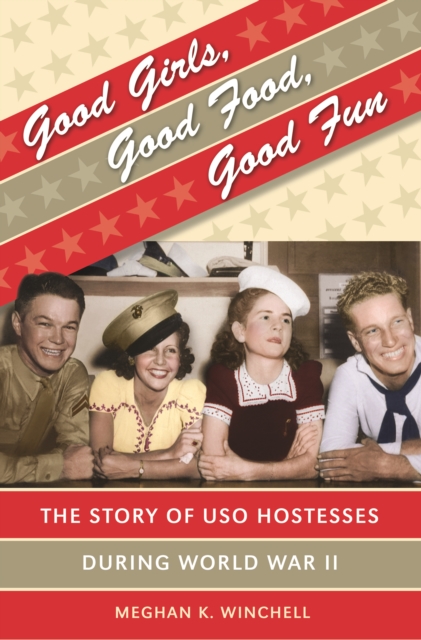
Throughout World War II, when Saturday nights came around, servicemen and hostesses happily forgot the war for a little while as they danced together in USO clubs, which served as havens of stability in a time of social, moral, and geographic upheaval.
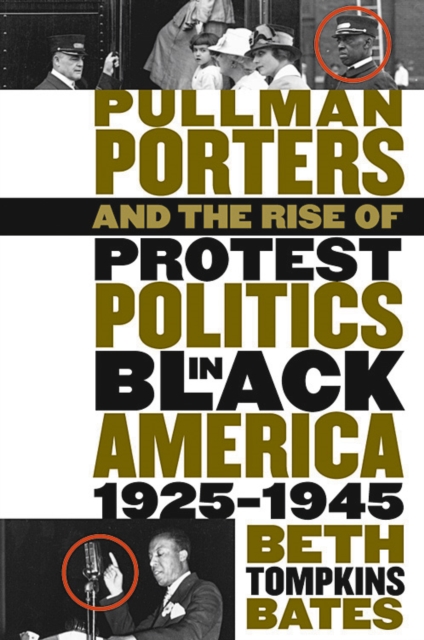
Between World War I and World War II, African Americans' quest for civil rights took on a more aggressive character as a new group of black activists challenged the politics of civility traditionally embraced by old-guard leaders in favor of a more forceful protest strategy.
In the 1960s, increasing numbers of African American students entered predominantly White colleges and universities in the northern and western United States.
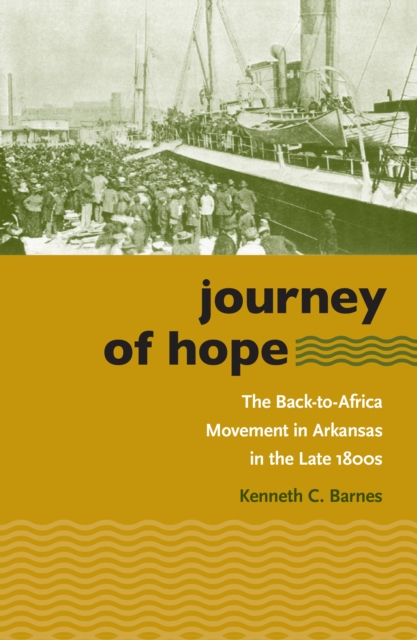
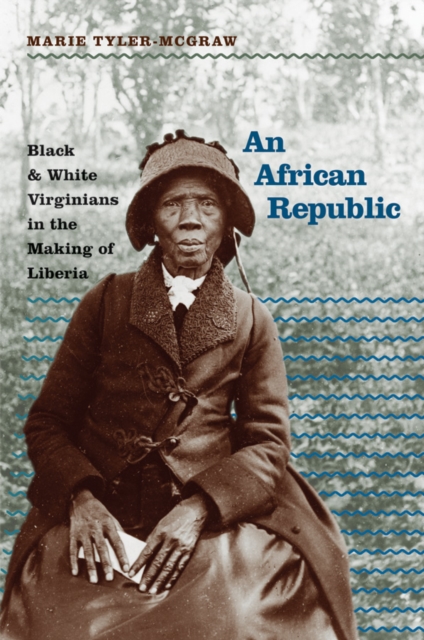
The nineteenth-century American Colonization Society (ACS) project of persuading all American free blacks to emigrate to the ACS colony of Liberia could never be accomplished.
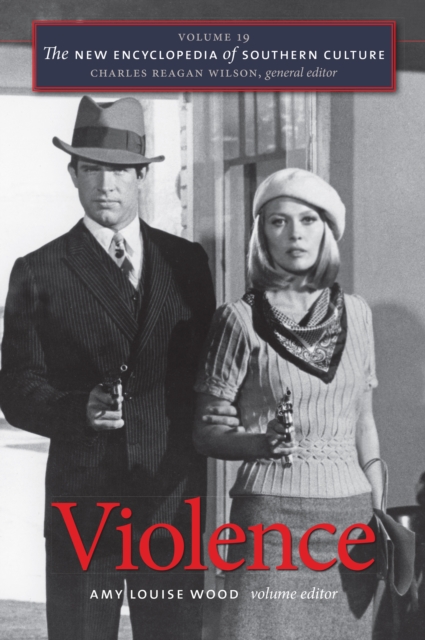
Much of the violence that has been associated with the United States has had particular salience for the South, from its high homicide rates, or its bloody history of racial conflict, to southerners' popular attachment to guns and traditional support for capital punishment.
Over the past two decades, historians have successfully disputedthe notion that American women remained wholly outside the realm of politics until the early twentieth century.
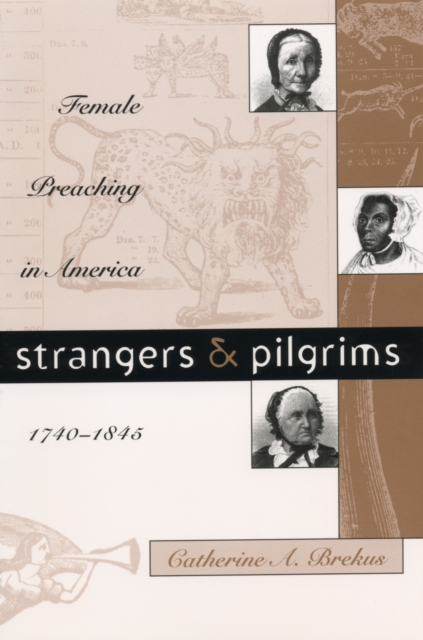
Margaret Meuse Clay, who barely escaped a public whipping in the 1760s for preaching without a license; Old Elizabeth, an ex-slave who courageously traveled to the South to preach against slavery in the early nineteenth century; Harriet Livermore, who spoke in front of Congress four times between 1827 and 1844 these are just a few of the extraordinary women profiled in this, the first comprehensive history of female preaching in early America.