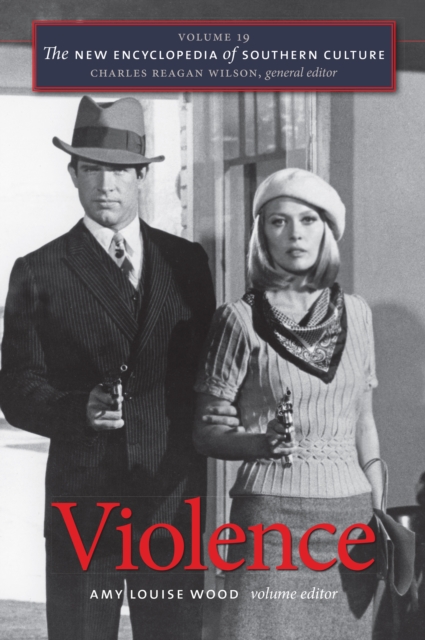
Much of the violence that has been associated with the United States has had particular salience for the South, from its high homicide rates, or its bloody history of racial conflict, to southerners' popular attachment to guns and traditional support for capital punishment.
Over the past two decades, historians have successfully disputedthe notion that American women remained wholly outside the realm of politics until the early twentieth century.
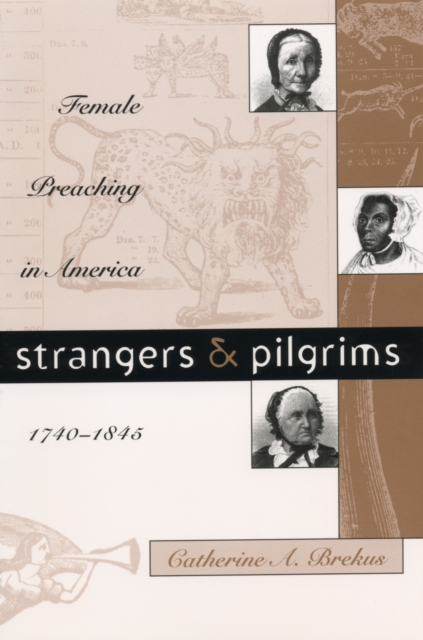
Margaret Meuse Clay, who barely escaped a public whipping in the 1760s for preaching without a license; Old Elizabeth, an ex-slave who courageously traveled to the South to preach against slavery in the early nineteenth century; Harriet Livermore, who spoke in front of Congress four times between 1827 and 1844 these are just a few of the extraordinary women profiled in this, the first comprehensive history of female preaching in early America.
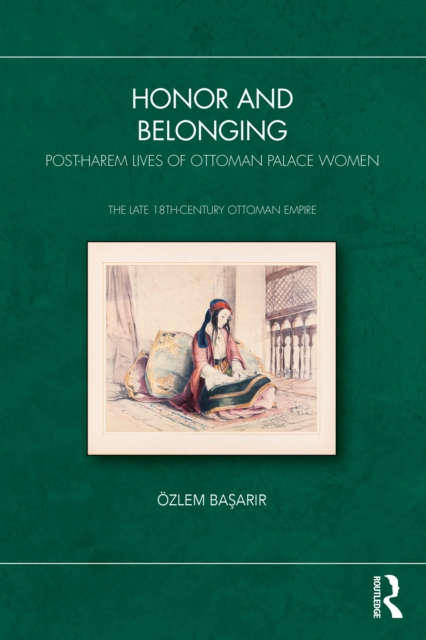
This book explores the post-harem lives of Ottoman palace women who, unlike valide sultans, mothers of princes (sehzades), or imperial princesses (hanim sultans), lost their formal prominence after the death of the reigning sultan and have remained largely overlooked in imperial historiography.
This outstanding collection of fifteen original essays represents innovative work by some of the most influential scholars in the field of womens history.
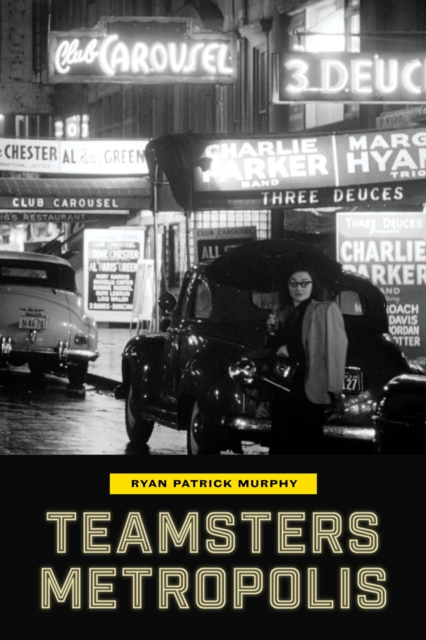
In the 1950s, the International Brotherhood of Teamsters empowered poor immigrants who had grown up in the crowded blocks of the central city to move upward and outward to comfortable suburbs.
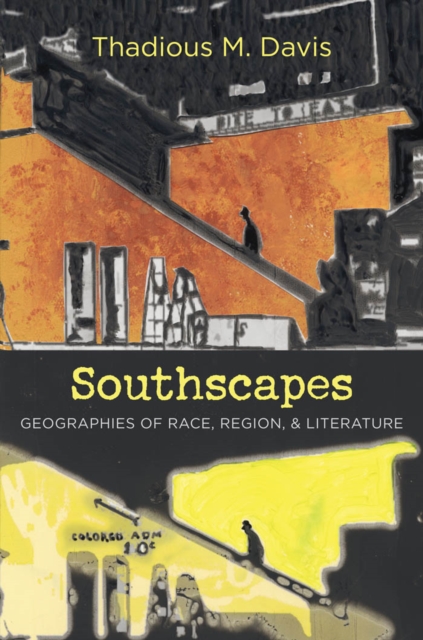
In this innovative approach to southern literary cultures, Thadious Davis analyzes how black southern writers use their spatial location to articulate the vexed connections between society and environment, particularly under segregation and its legacies.
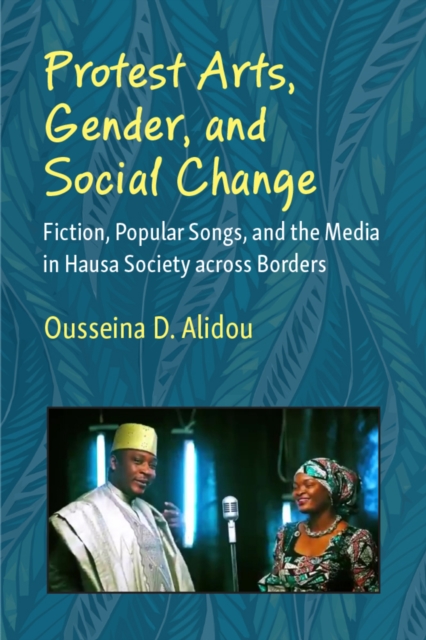
Protest Arts, Gender, and Social Change: Fiction, Popular Songs, and the Media in Hausa Society across Borders by Ousseina Alidou examines how a new generation of novelists, popular songwriters, and musical performers in contemporary Hausa society are using their creative works to effect social change.
Emily Dickinson's Open Folios: Scenes of Reading, Surfaces of Writing is a fine facsimile edition and aesthetic exploration of a group of forty late drafts and fragments hitherto known as the "e;Lord letters.
Over fifty years after her death, Simone Weil (1909-1943) remains one of the most searching religious inquirers and political thinkers of the twentieth century.
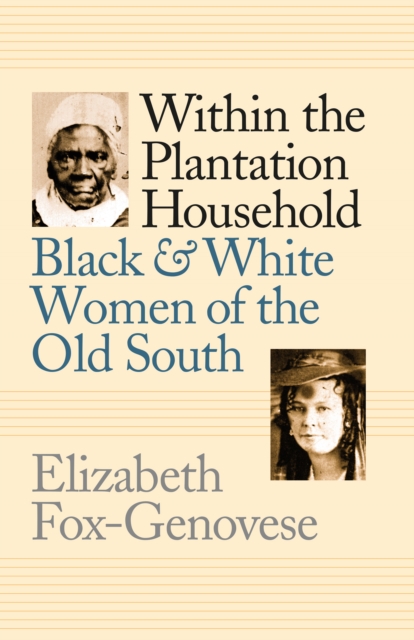
Documenting the difficult class relations between women slaveholders and slave women, this study shows how class and race as well as gender shaped womens experiences and determined their identities.
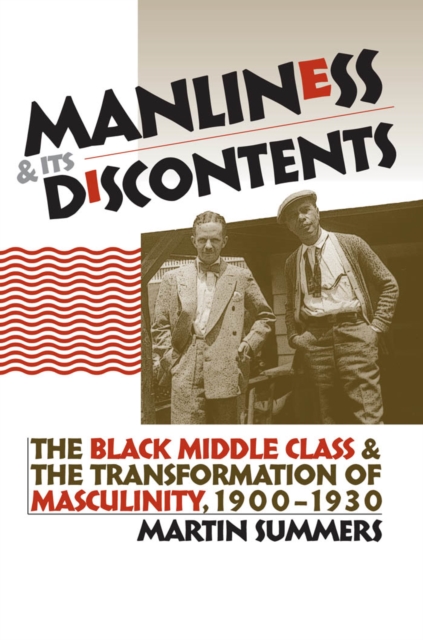
In a pathbreaking new assessment of the shaping of black male identity in the early twentieth century, Martin Summers explores how middle-class African American and African Caribbean immigrant men constructed a gendered sense of self through organizational life, work, leisure, and cultural production.
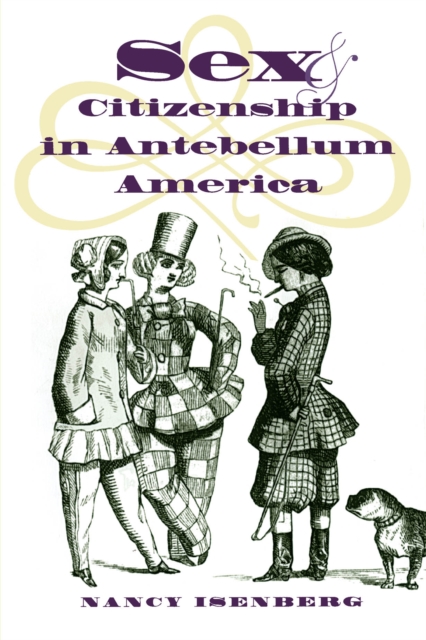
Delinquent Daughters explores the gender, class, and racial tensions that fueled campaigns to control female sexuality in late nineteenth- and early twentieth-century America.
Focusing primarily on the exclusion of the Chinese, Lucy Salyer analyzes the popular and legal debates surrounding immigration law and its enforcement during the height of nativist sentiment in the early twentieth century.
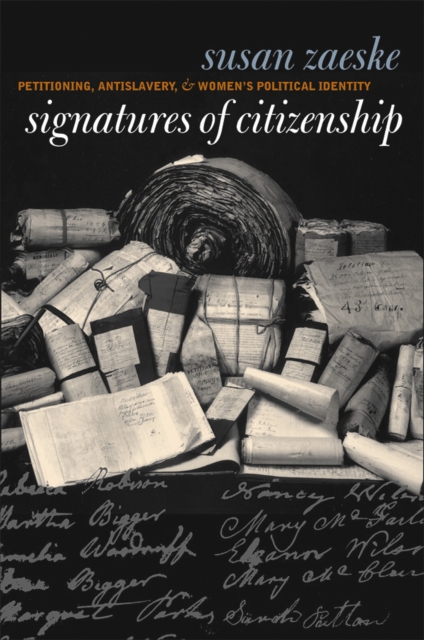
In this comprehensive history of womens antislavery petitions addressed to Congress, Susan Zaeske argues that by petitioning, women not only contributed significantly to the movement to abolish slavery but also made important strides toward securing their own rights and transforming their own political identity.
By exploring the intersection of gender and politics in the antebellum North, Michael Pierson examines how antislavery political parties capitalized on the emerging family practices and ideologies that accompanied the market revolution.
In this innovative work of cultural and technological history, Frieda Knobloch describes how agriculture functioned as a colonizing force in the American West between 1862 and 1945.
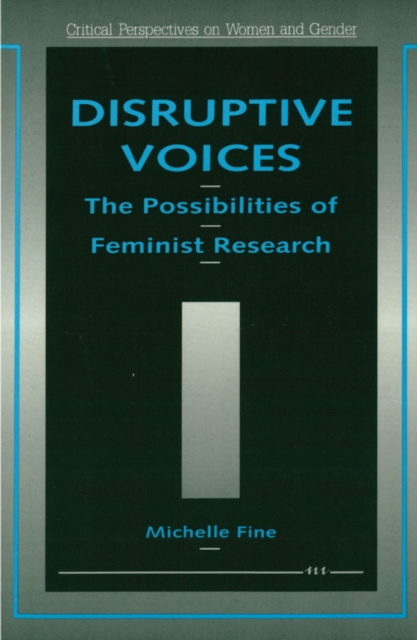
Disruptive Voices: The Possibilities of Feminist Research charts the beginnings of a creative solution to emerging and hotly contested issues in feminist scholarship and feminist philosophy of science.
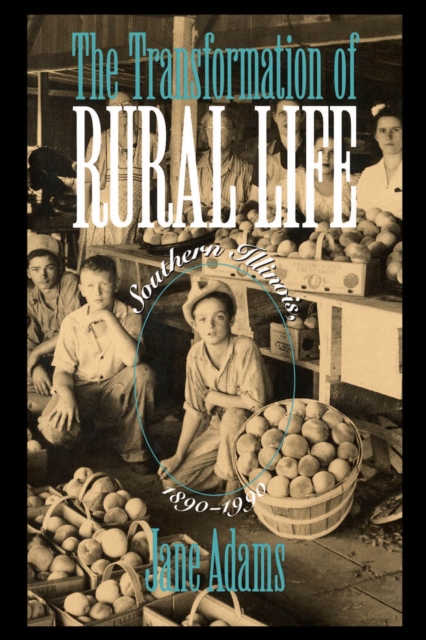
Jane Adams focuses on the transformation of rural life in Union County, Illinois, as she explores the ways in which American farming has been experienced and understood in the twentieth century.
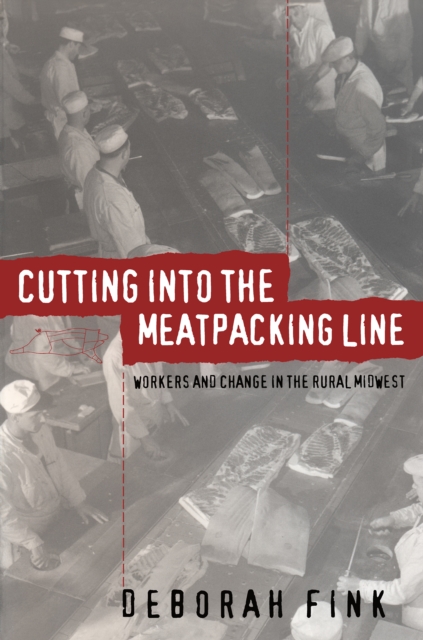
The nostalgic vision of a rural Midwest populated by independent family farmers hides the reality that rural wage labor has been integral to the regions development, says Deborah Fink.
Mixed Harvest explores rural responses to the transformation of the northern United States from an agricultural society into an urban and industrial one.
In this compelling interdisciplinary study, Linda Grasso demonstrates that using anger as a mode of analysis and the basis of an aesthetic transforms our understanding of American womens literary history.
In the 1920s, black janitor Sylvester Long reinvented himself as Chief Buffalo Child Long Lance, and Elizabeth Stern, the native-born daughter of a German Lutheran and a Welsh Baptist, authored the immigrants narrative I Am a Woman and a Jew; in the 1990s, Asa Carter, George Wallaces former speechwriter, produced the fake Cherokee autobiography, The Education of Little Tree.
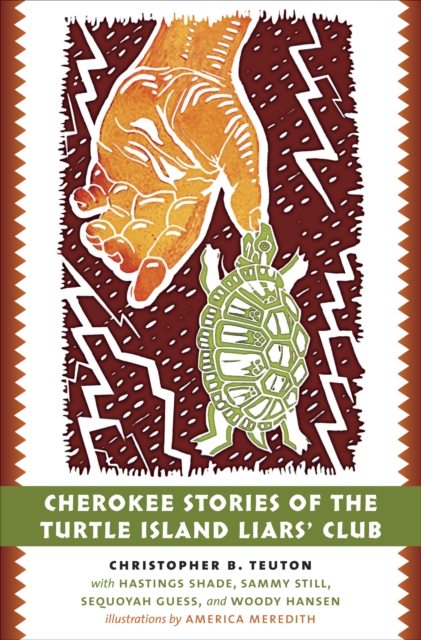
Cherokee Stories of the Turtle Island Liars' Club paints a vivid, fascinating portrait of a community deeply grounded in tradition and dynamically engaged in the present.
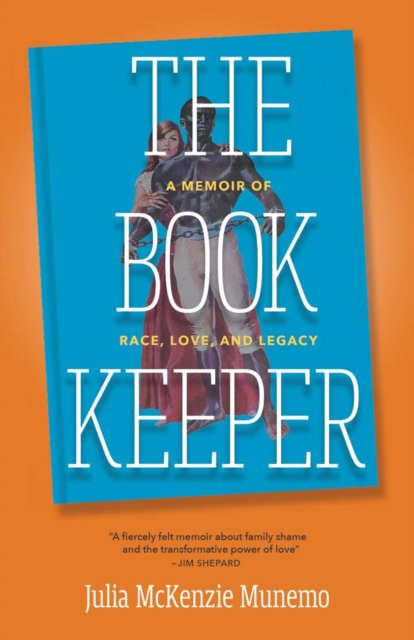
In a memoir that's equal parts love story, investigation, and racial reckoning, Munemo unravels and interrogates her whiteness, a shocking secret, and her family's history.
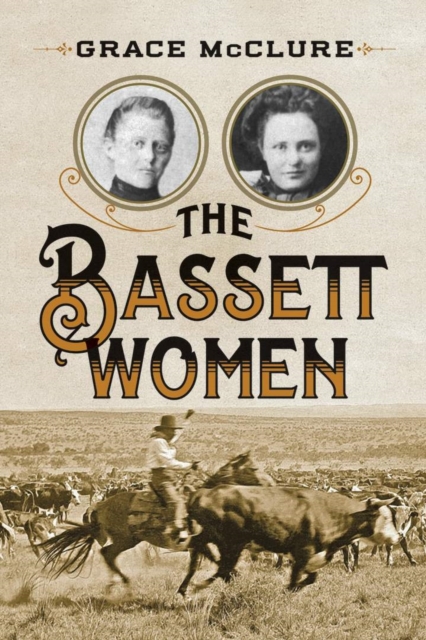
In the late nineteenth century, Brown's Park, a secluded valley astride the Utah-Colorado border, was a troubled land of deadly conflict among cattle barons, outlaws, rustlers, and small ranchers.
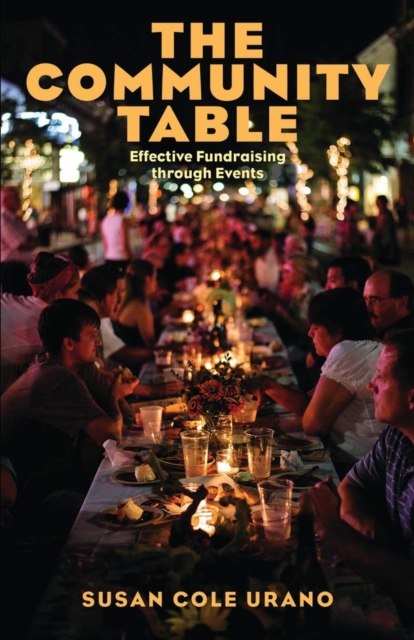
In resource-challenged Athens County, Ohio, staff and volunteers at the nonprofit Athens County Foundation came up with a daring idea: to host a locally sourced, gourmet dinner for four hundred people.