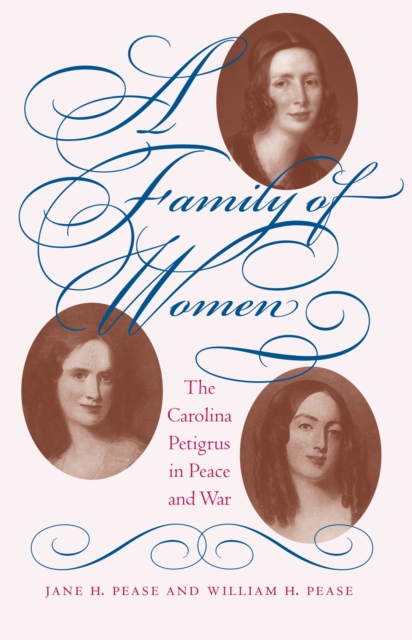
The often-stereotyped belles and matrons of the nineteenth-century South emerge as diverse personalities in this compelling account of three generations of women from a South Carolina family whose fate rose and fell with the fortunes of the state.
Born in an explosive boom and built through distinct economic networks, San Francisco has a cosmopolitan character that often masks the challenges migrants faced to create community in the city by the bay.
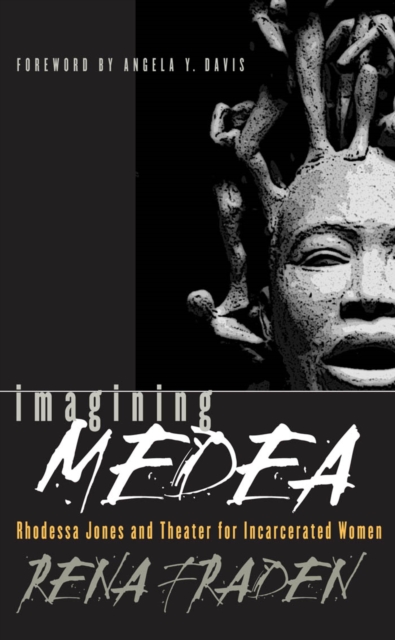
This aint no Dreamgirls, Rhodessa Jones warns participants in the Medea Project, the theater program for incarcerated women that she founded and directs.
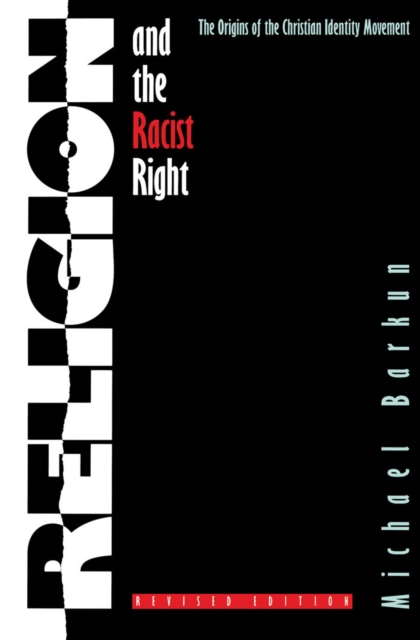
According to Michael Barkun, many white supremacist groups of the radical right are deeply committed to the distinctive but little-recognized religious position known as Christian Identity.
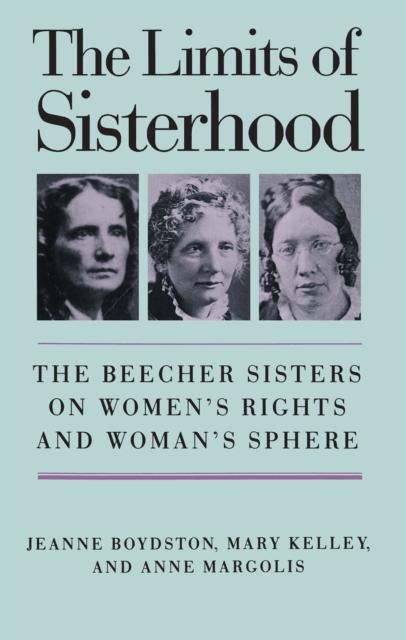
In a century almost continually at odds with the proper place of females, Catherine Esther Beecher, Harriet Beecher Stowe, and Isabella Beecher Hooker shared a commitment to womens power.
2014 James Beard Foundation Book Award, Reference and ScholarshipHonor Book for Nonfiction, Black Caucus of the American Library AssociationIn this insightful and eclectic history, Adrian Miller delves into the influences, ingredients, and innovations that make up the soul food tradition.
This fascinating book takes readers inside the world of faith-based progressive community organizing, one of the largest and most effective social justice movements in the United States.
Examining infanticide cases in the United States from the late eighteenth to the late nineteenth centuries, Proving Pregnancy documents how womenBlack and white, enslaved and freegradually lost control over reproduction to male medical and legal professionals.
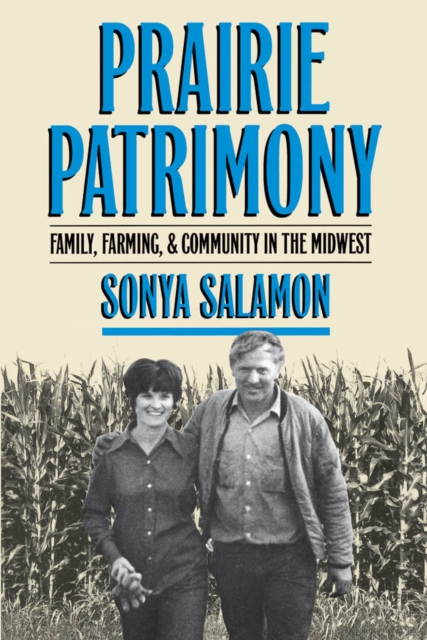
Drawing on a decade-long ethnographic study of seven Illinois farming communities, Salamon demonstrates how family land transfers serve as the mechanism fro recreating the social relations fundamental to midwestern ethnic identities.
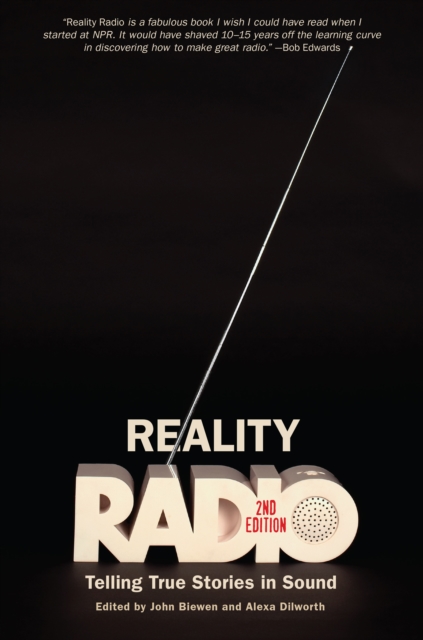
This new revised and expanded edition of Reality Radio celebrates todays best audio documentary work by bringing together some of the most influential and innovative practitioners from the United States, Canada, the United Kingdom, and Australia.
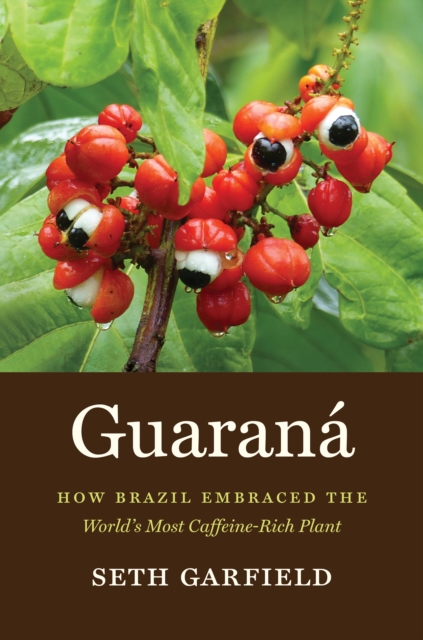
In this sweeping chronicle of guarana glossy-leaved Amazonian vine packed with more caffeine than any other plantSeth Garfield develops a wide-ranging approach to the history of Brazil itself.
Alexandra Finley adds crucial new dimensions to the boisterous debate over the relationship between slavery and capitalism by placing womens labor at the center of the antebellum slave trade, focusing particularly on slave traders' ability to profit from enslaved womens domestic, reproductive, and sexual labor.
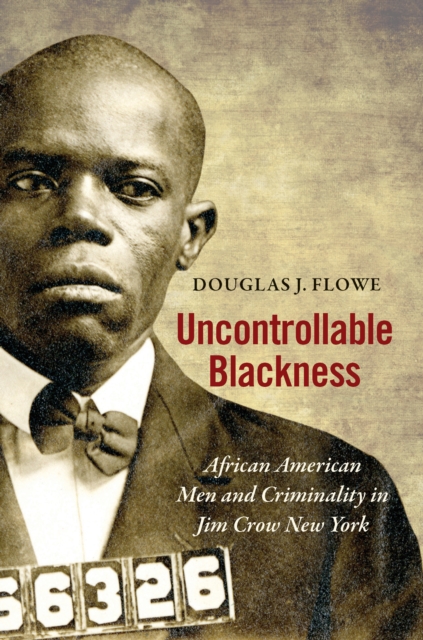
Early twentieth-century African American men in northern urban centers like New York faced economic isolation, segregation, a biased criminal justice system, and overt racial attacks by police and citizens.
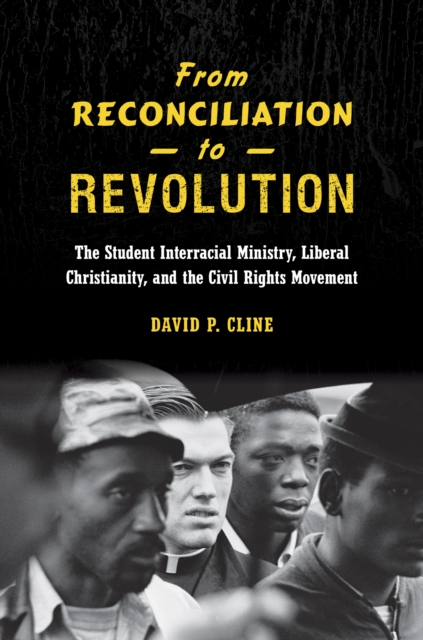
Conceived at the same conference that produced the Student Nonviolent Coordinating Committee (SNCC), the Student Interracial Ministry (SIM) was a national organization devoted to dismantling Jim Crow while simultaneously advancing American Protestant mainline churches approach to race.
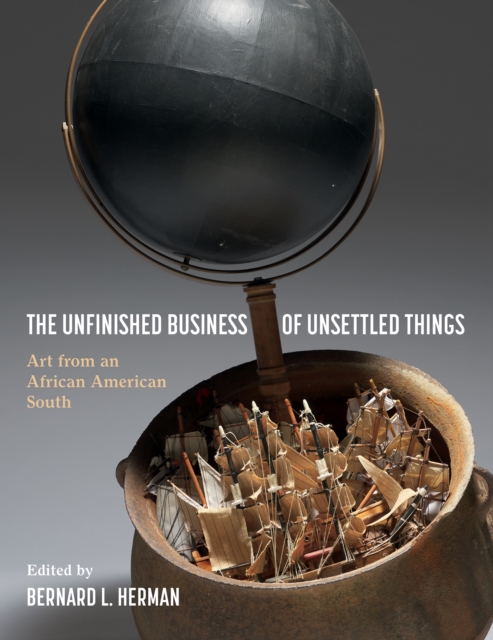
This book invites readers into a growing, dynamic conversation among scholars and critics around a vibrant community of artists from an African American South.
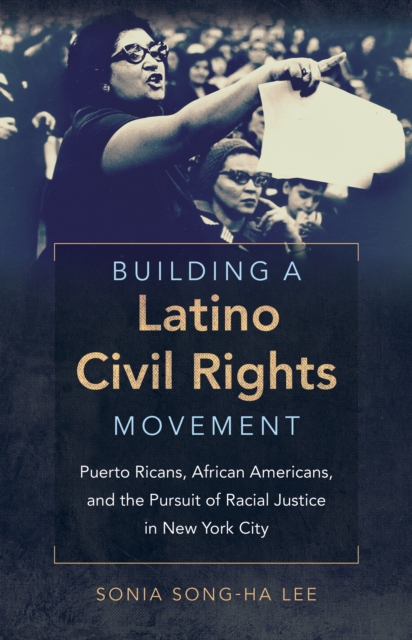
In the first book-length history of Puerto Rican civil rights in New York City, Sonia Lee traces the rise and fall of an uneasy coalition between Puerto Rican and African American activists from the 1950s through the 1970s.
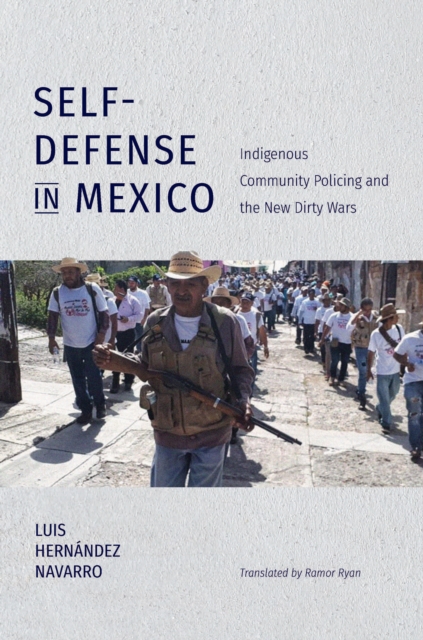
In Mexico and across other parts of Latin America local Indigenous peoples have built community policing groups as a means of protection where the state has limited control over, and even complicity in, crime and violence.
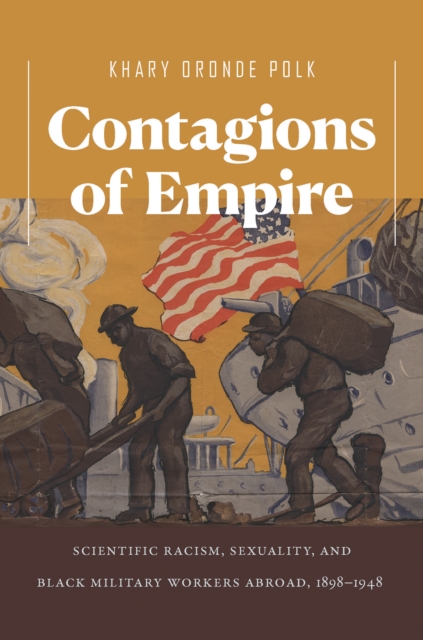
From 1898 onward, the expansion of American militarism and empire abroad increasingly relied on black labor, even as policy remained inflected both by scientific racism and by fears of contagion.
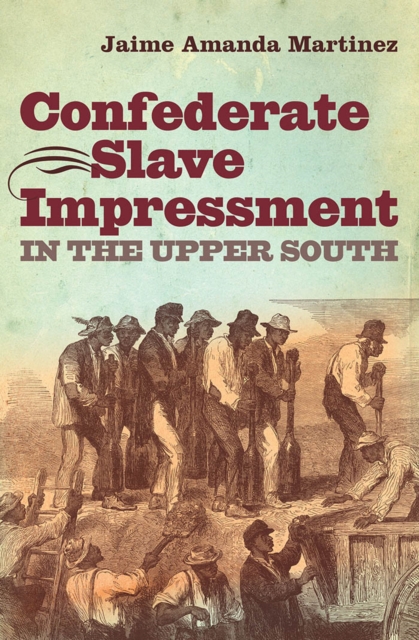
Under policies instituted by the Confederacy, white Virginians and North Carolinians surrendered control over portions of their slave populations to state authorities, military officials, and the national government to defend their new nation.
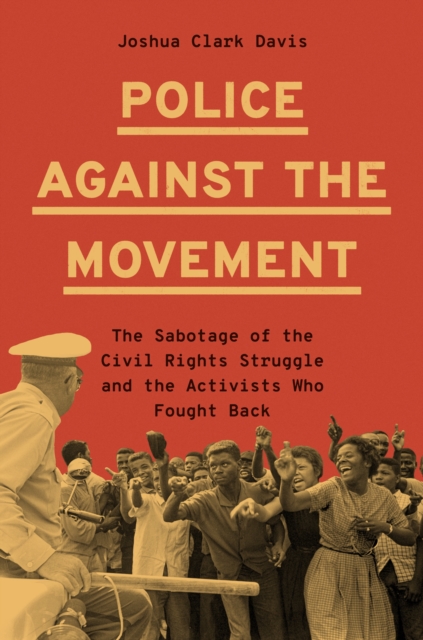
A bold retelling of the 1960s civil rights struggle through its work against police violenceand a prehistory of both the Black Lives Matter and Blue Lives Matter movements that emerged half a century laterPolice Against the Movement shatters one of the most pernicious myths about the 1960s: that the civil rights movement endured police violence without fighting it.
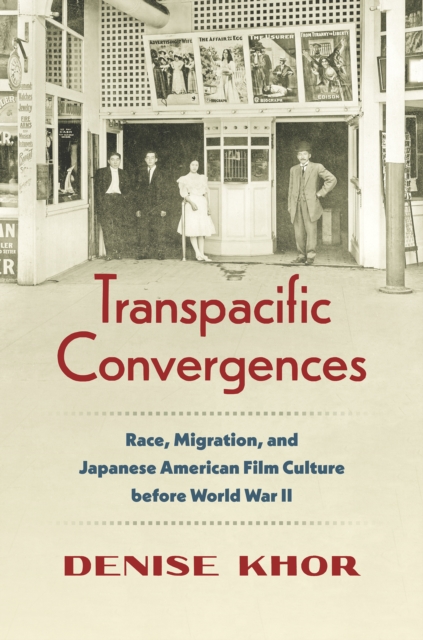
Despite the rise of the Hollywood system and hostility to Asian migrant communities in the early twentieth-century United States, Japanese Americans created a thriving cinema culture that produced films and established theaters and exhibition companies to facilitate their circulation between Japan and the United States.
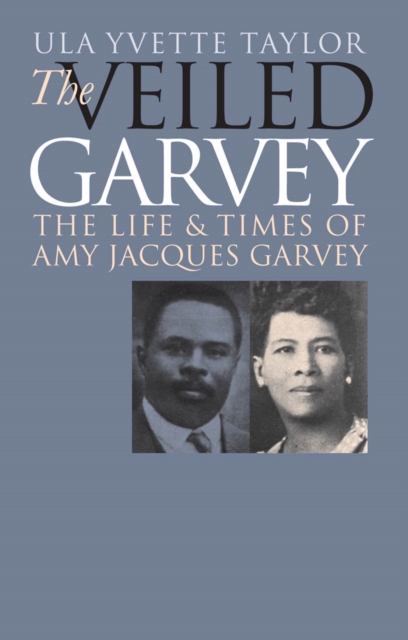
In this biography, Ula Taylor explores the life and ideas of one of the most important, if largely unsung, Pan-African freedom fighters of the twentieth century: Amy Jacques Garvey (18951973).
Standard narratives of Native American history view the nineteenth century in terms of steadily declining Indigenous sovereignty, from removal of southeastern tribes to the 1887 General Allotment Act.
When the Supreme Court declared in 1954 that segregated publicschools were unconstitutional, the highest echelons ofProtestant, Catholic, and Jewish religious organizationsenthusiastically supported the ruling, and black civil rightsworkers expected and actively sought the cooperation of theirwhite religious cohorts.
Thirteenth-century Sufi poet, mystic, and legal scholar Muhyi al-Din ibn al-'Arabi gave deep and sustained attention to gender as integral to questions of human existence and moral personhood.
The first critical study of personal narrative by women with disabilities, Unruly Bodies examines how contemporary writers use life writing to challenge cultural stereotypes about disability, gender, embodiment, and identity.
In a sweeping synthesis of American history, Mary Ryan demonstrates how the meaning of male and female has evolved, changed, and varied over a span of 500 years and across major social and ethnic boundaries.
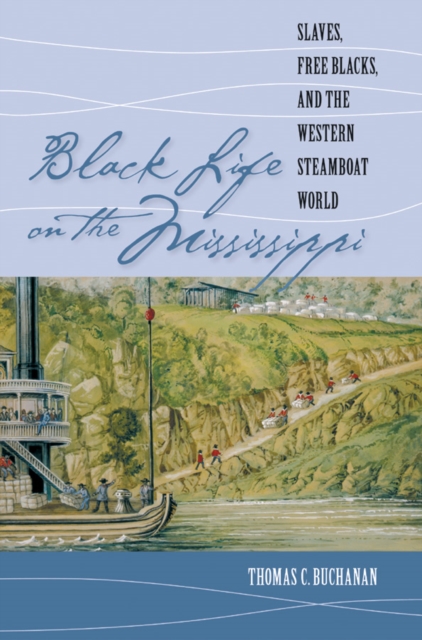
All along the Mississippi on country plantation landings, urban levees and quays, and the decks of steamboats nineteenth-century African Americans worked and fought for their liberty amid the slave trade and the growth of the cotton South.