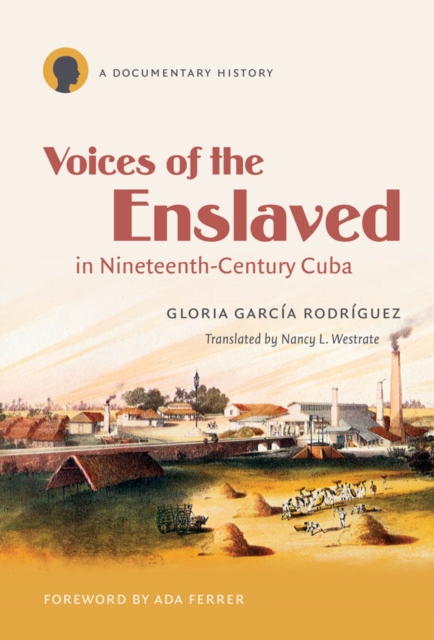
Putting the voices of the enslaved front and center, Gloria Garca Rodrguezs study presents a compelling overview of African slavery in Cuba and its relationship to the plantation system that was the economic center of the New World.
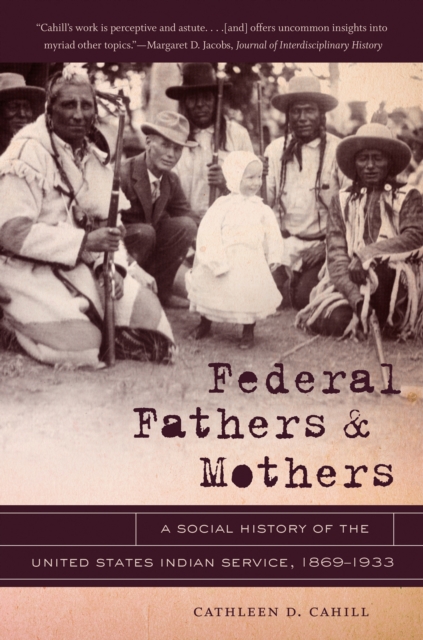
Established in 1824, the United States Indian Service (USIS), now known as the Bureau of Indian Affairs, was the agency responsible for carrying out U.
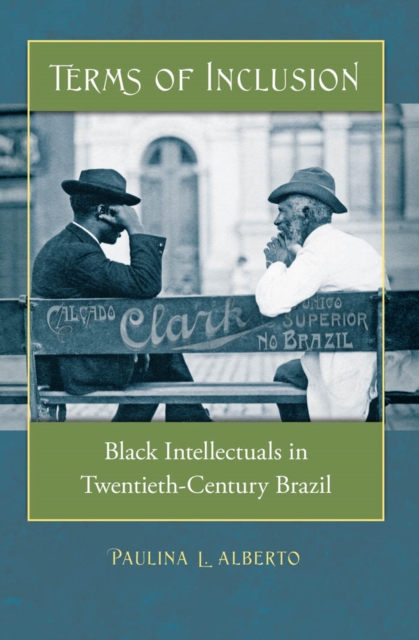
In this history of black thought and racial activism in twentieth-century Brazil, Paulina Alberto demonstrates that black intellectuals, and not just elite white Brazilians, shaped discourses about race relations and the cultural and political terms of inclusion in their modern nation.
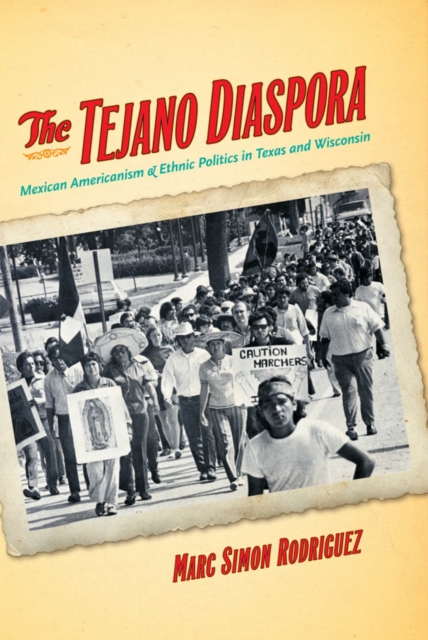
Each spring during the 1960s and 1970s, a quarter million farm workers left Texas to travel across the nation, from the Midwest to California, to harvest Americas agricultural products.
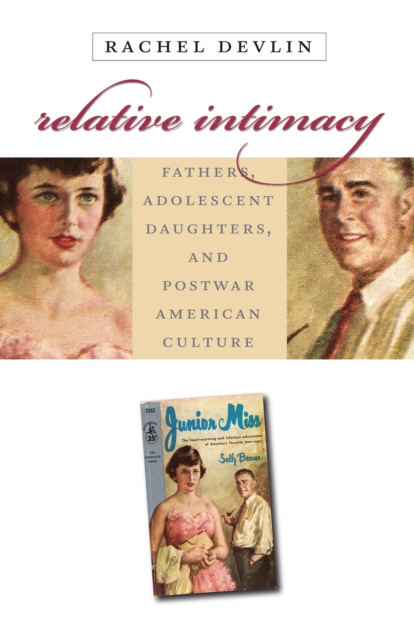
Celebrated as new consumers and condemned for their growing delinquencies, teenage girls emerged as one of the most visible segments of American society during and after World War II.
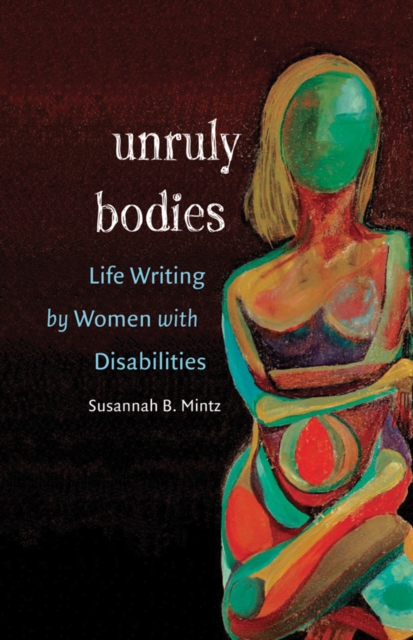
The first critical study of personal narrative by women with disabilities, Unruly Bodies examines how contemporary writers use life writing to challenge cultural stereotypes about disability, gender, embodiment, and identity.
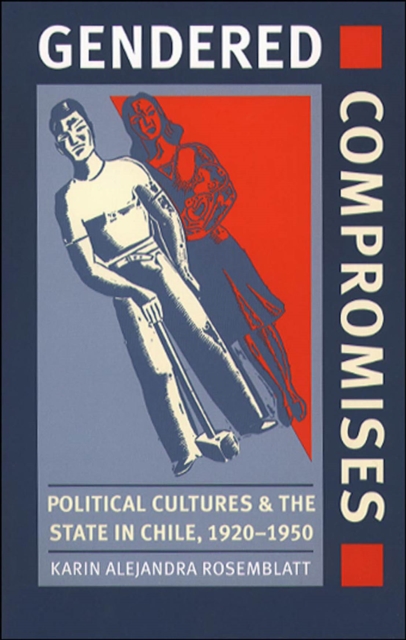
With this book, Karin Rosemblatt presents a gendered history of the politics and political compromise that emerged in Chile during the 1930s and 1940s, when reformist popular-front coalitions held power.
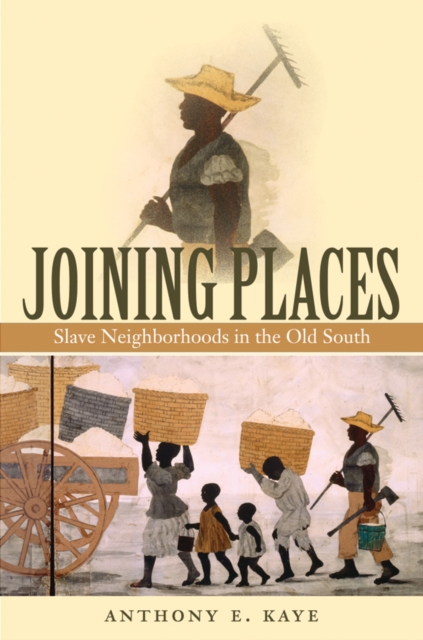
In this new interpretation of antebellum slavery, Anthony Kaye offers a vivid portrait of slaves transforming adjoining plantations into slave neighborhoods.
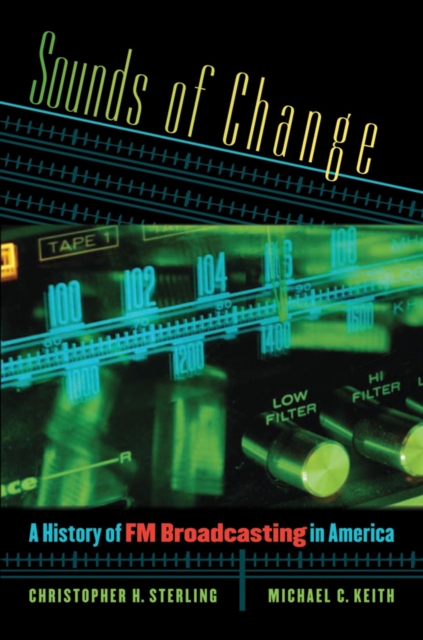
When it first appeared in the 1930s, FM radio was a technological marvel, providing better sound and nearly eliminating the static that plagued AM stations.
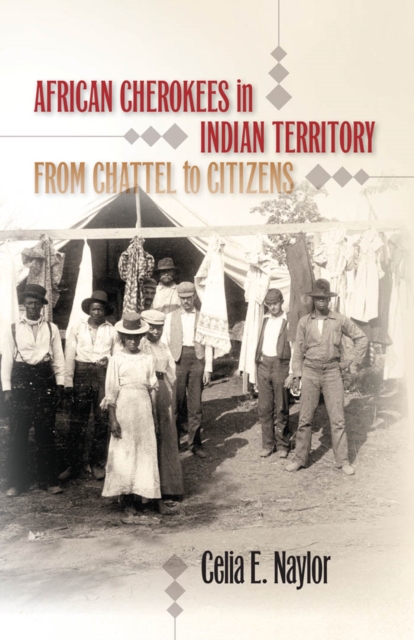
Forcibly removed from their homes in the late 1830s, Cherokee, Creek, Choctaw, and Chickasaw Indians brought their African-descended slaves with them along the Trail of Tears and resettled in Indian Territory, present-day Oklahoma.
In the first half of the twentieth century, white elites who dominated Virginia politics sought to increase state control over African Americans and lower-class whites, whom they saw as oversexed and lacking sexual self-restraint.
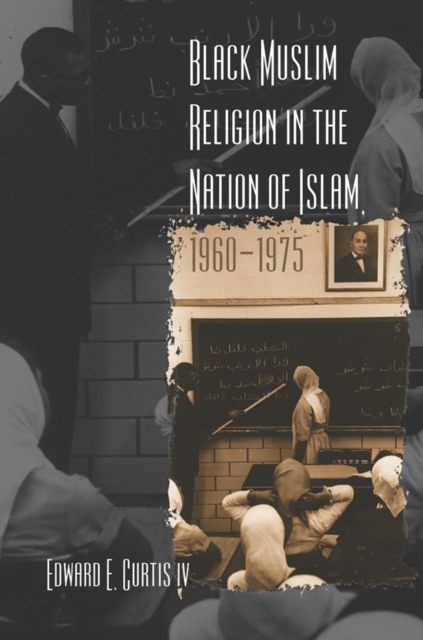
Elijah Muhammads Nation of Islam came to Americas attention in the 1960s and 1970s as a radical separatist African American social and political group.
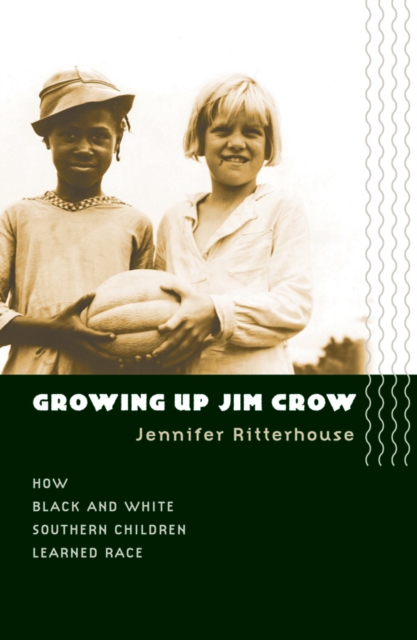
In the segregated South of the early twentieth century, unwritten rules guided every aspect of individual behavior, from how blacks and whites stood, sat, ate, drank, walked, and talked to whether they made eye contact with one another.
Shedding new light on contemporary campaigns to encourage marriage among welfare recipients and to prosecute deadbeat dads, Wives without Husbands traces the efforts of Progressive reformers to make runaway husbands support their families.
The first major study of slavery in the maritime South, The Watermans Song chronicles the world of slave and free black fishermen, pilots, rivermen, sailors, ferrymen, and other laborers who, from the colonial era through Reconstruction, plied the vast inland waters of North Carolina from the Outer Banks to the upper reaches of tidewater rivers.
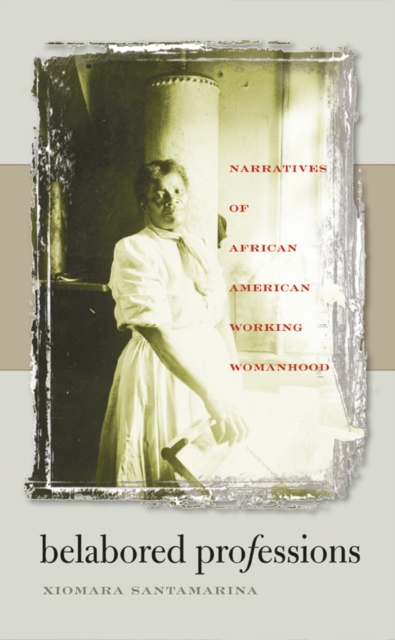
According to nineteenth-century racial uplift ideology, African American women served their race best as reformers and activists, or as doers of the word.
The intense urbanization and industrialization of Americas largest city from the turn of the twentieth century to World War II was accompanied by profound shifts in sexual morality, sexual practices, and gender roles.
In a pioneering study of childhood in colonial Spanish America, Bianca Premo examines the lives of youths in the homes, schools, and institutions of the capital city of Lima, Peru.
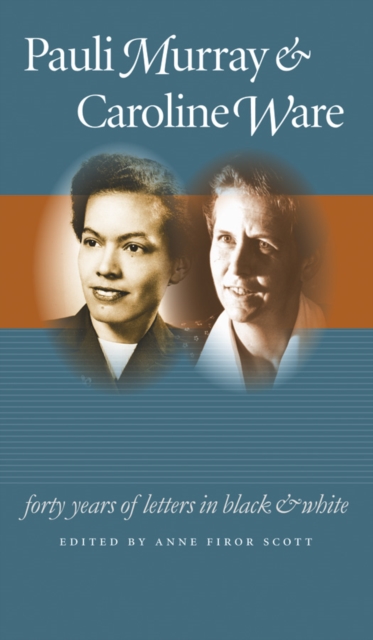
In 1942 Pauli Murray, a young black woman from North Carolina studying law at Howard University, visited a constitutional law class taught by Caroline Ware, one of the nations leading historians.
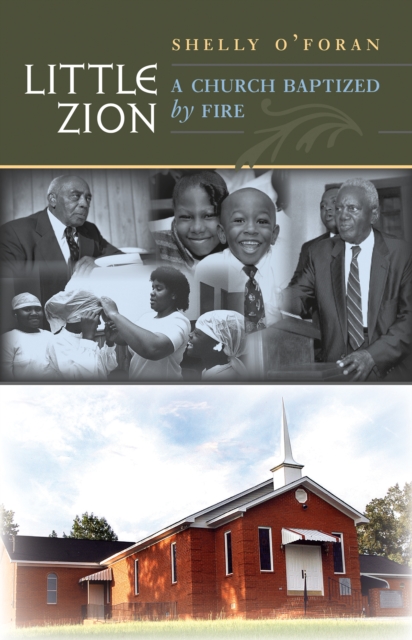
The arson attacks in early 2006 on a number of small Baptist churches in rural Alabama recalled the rash of burnings at dozens of predominantly black houses of worship in the South during the mid-1990s.
In a sweeping synthesis of American history, Mary Ryan demonstrates how the meaning of male and female has evolved, changed, and varied over a span of 500 years and across major social and ethnic boundaries.
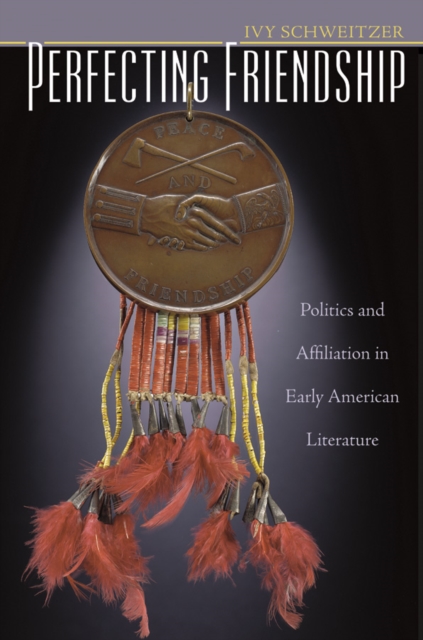
When nineteen-year-old Harriett Gold, from a prominent white family in Cornwall, Connecticut, announced in 1825 her intention to marry a Cherokee man, her shocked family initiated a spirited correspondence debating her decision to marry an Indian.
Giving close consideration to previously neglected debates, Matthew Mason challenges the common contention that slavery held little political significance in America until the Missouri Crisis of 1819.
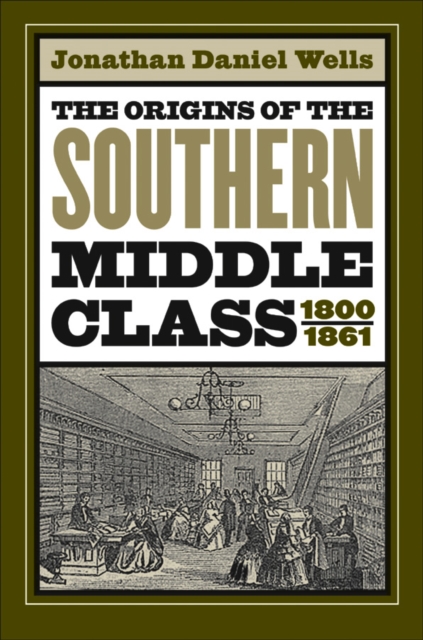
With a fresh take on social dynamics in the antebellum South, Jonathan Daniel Wells contests the popular idea that the Old South was a region of essentially two classes (planters and slaves) until after the Civil War.
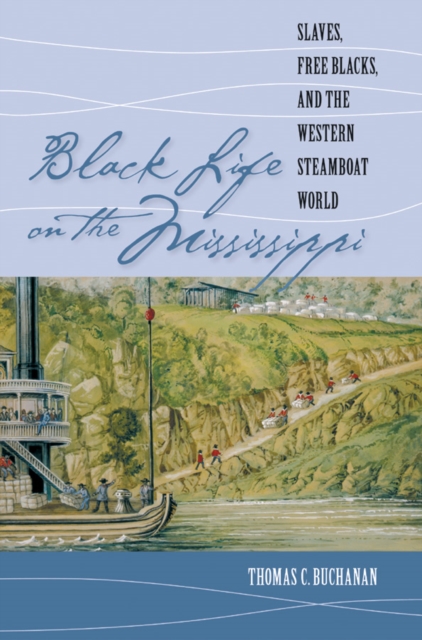
All along the Mississippi on country plantation landings, urban levees and quays, and the decks of steamboats nineteenth-century African Americans worked and fought for their liberty amid the slave trade and the growth of the cotton South.
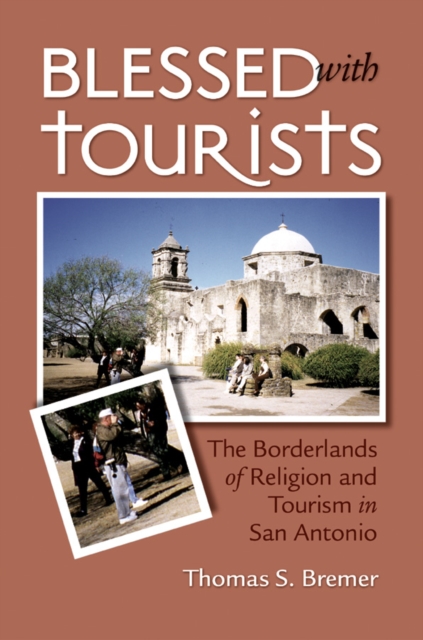
More than a million tourists visit religious landmarks in San Antonio, Texas, each year, observing and sometimes participating in religious activities there.
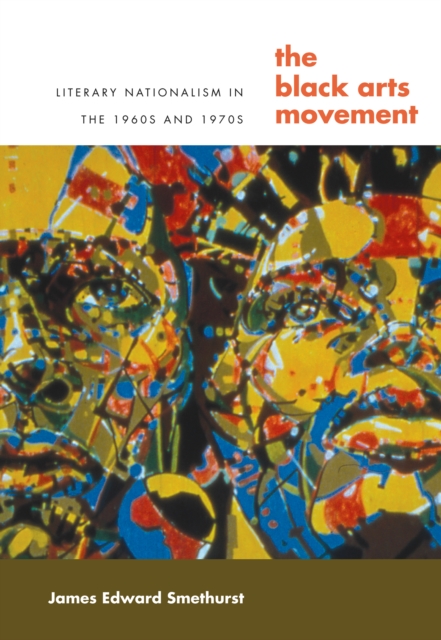
Emerging from a matrix of Old Left, black nationalist, and bohemian ideologies and institutions, African American artists and intellectuals in the 1960s coalesced to form the Black Arts Movement, the cultural wing of the Black Power Movement.