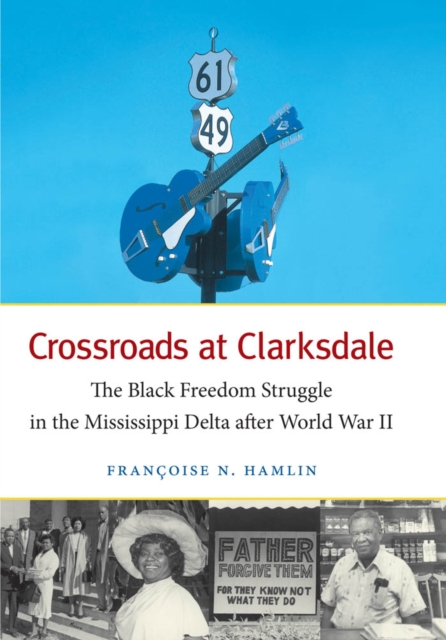
Weaving national narratives from stories of the daily lives and familiar places of local residents, Franoise Hamlin chronicles the slow struggle for black freedom through the history of Clarksdale, Mississippi.
A landmark work of womens history originally published in 1967, Gerda Lerners best-selling biography of Sarah and Angelina Grimk explores the lives and ideas of the only southern women to become antislavery agents in the North and pioneers for womens rights.
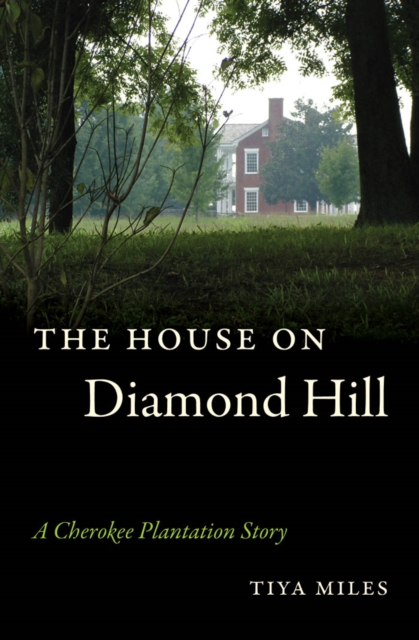
At the turn of the nineteenth century, James Vann, a Cherokee chief and entrepreneur, established Diamond Hill in Georgia, the most famous plantation in the southeastern Cherokee Nation.
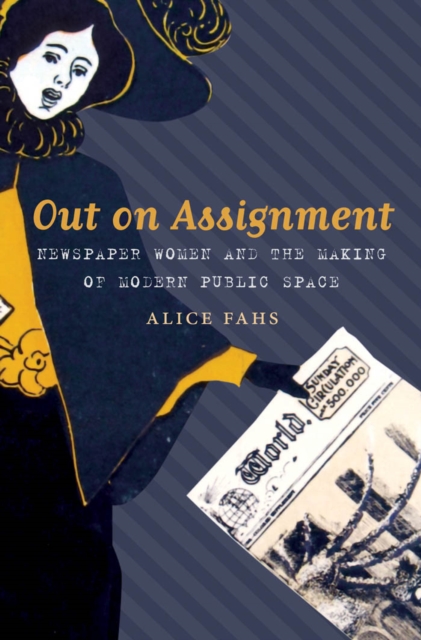
Out on Assignment illuminates the lives and writings of a lost world of women who wrote for major metropolitan newspapers at the start of the twentieth century.
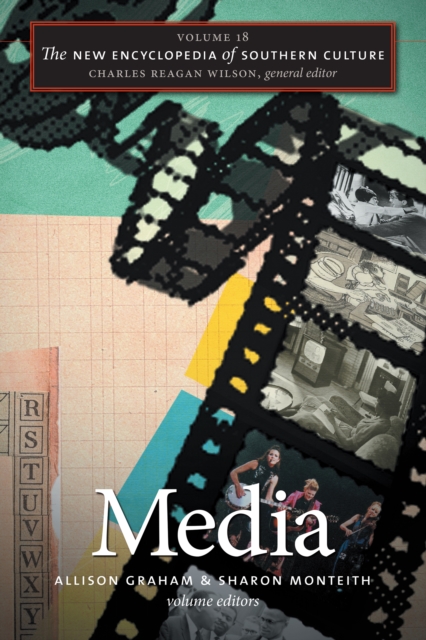
This volume of The New Encyclopedia of Southern Culture examines how mass media have shaped popular perceptions of the South and how the South has shaped the history of mass media.
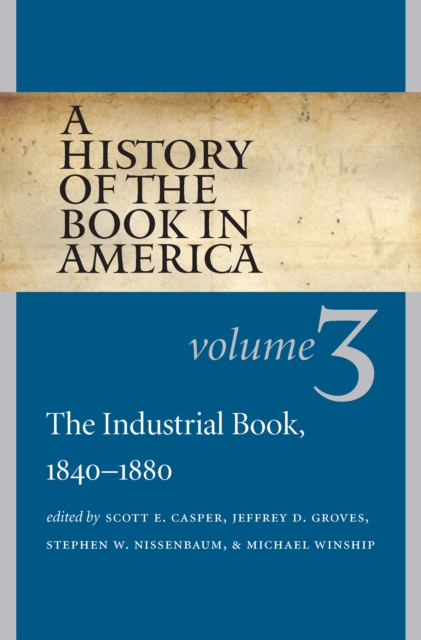
Volume 3 of A History of the Book in America narrates the emergence of a national book trade in the nineteenth century, as changes in manufacturing, distribution, and publishing conditioned, and were conditioned by, the evolving practices of authors and readers.
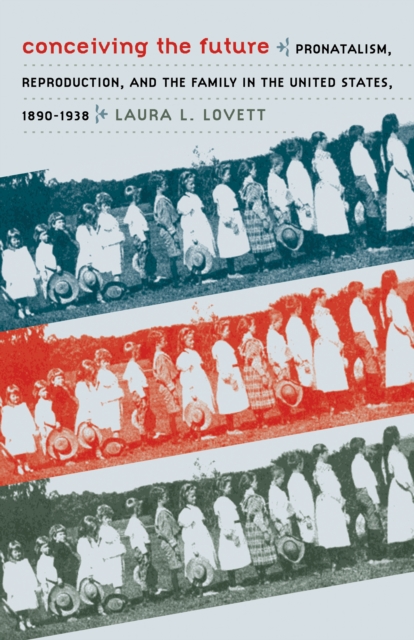
Through nostalgic idealizations of motherhood, family, and the home, influential leaders in early twentieth-century America constructed and legitimated a range of reforms that promoted human reproduction.
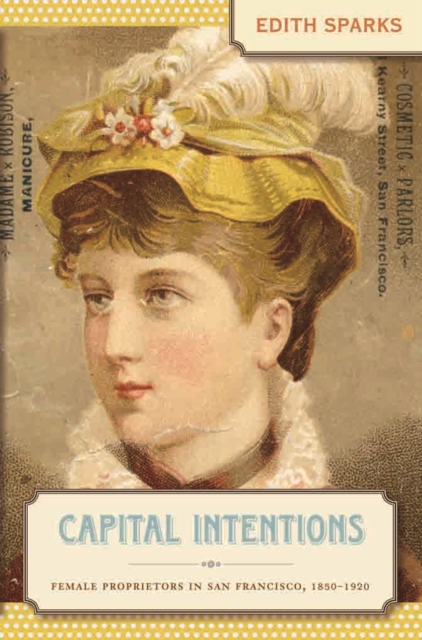
Late nineteenth-century San Francisco was an ethnically diverse but male-dominated society bustling from a rowdy gold rush, earthquakes, and explosive economic growth.
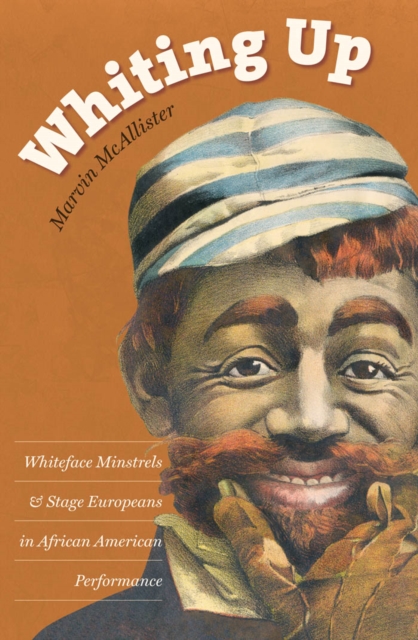
In the early 1890s, black performer Bob Cole turned blackface minstrelsy on its head with his nationally recognized whiteface creation, a character he called Willie Wayside.
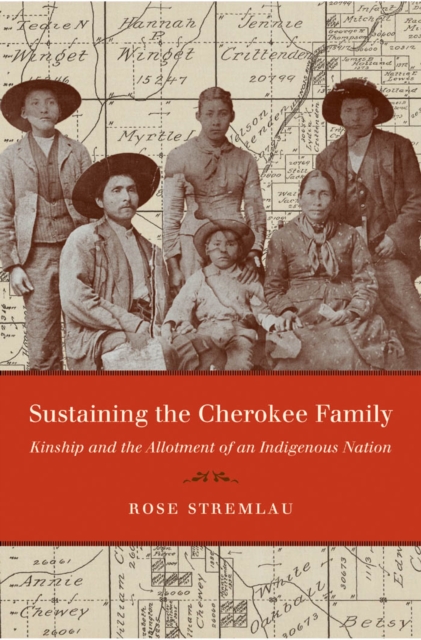
During the late nineteenth and early twentieth centuries, the federal government sought to forcibly assimilate Native Americans into American society through systematized land allotment.
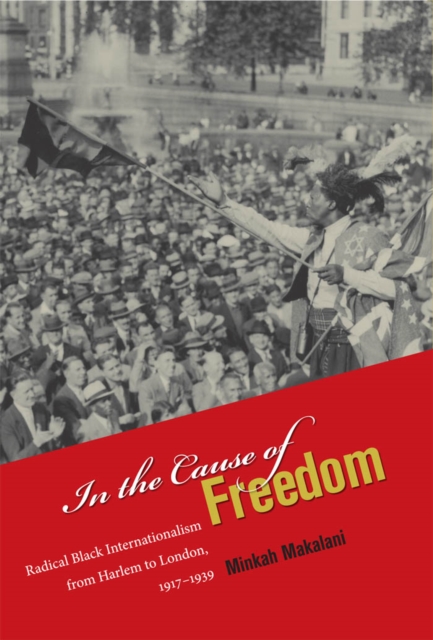
In this intellectual history, Minkah Makalani reveals how early-twentieth-century black radicals organized an international movement centered on ending racial oppression, colonialism, class exploitation, and global white supremacy.
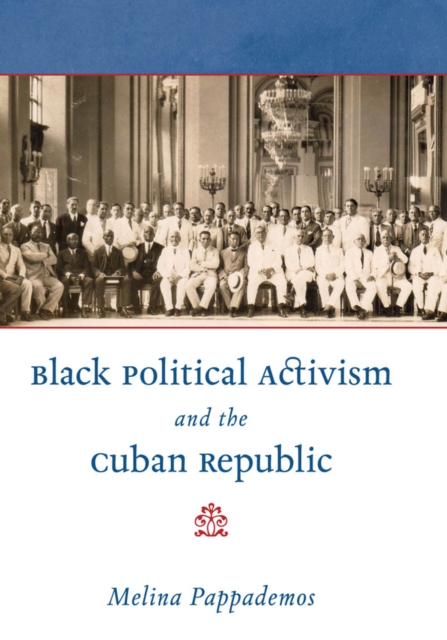
While it was not until 1871 that slavery in Cuba was finally abolished, African-descended people had high hopes for legal, social, and economic advancement as the republican period started.
Offering a provocative new look at the politics of secession in antebellum Virginia, William Link places African Americans at the center of events and argues that their acts of defiance and rebellion had powerful political repercussions throughout the turbulent period leading up to the Civil War.
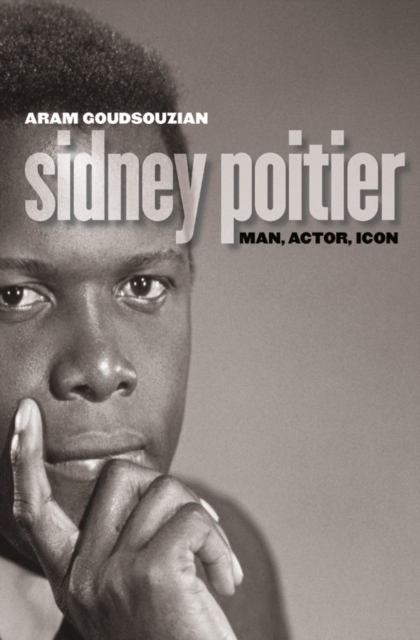
In the first full biography of actor Sidney Poitier, Aram Goudsouzian analyzes the life and career of a Hollywood legend, from his childhood in the Bahamas to his 2002 Oscar for lifetime achievement.
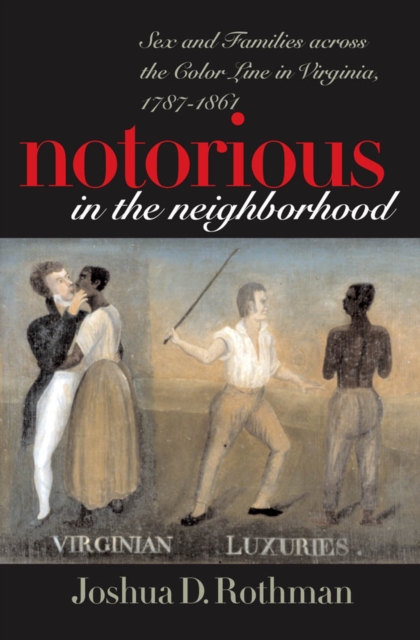
Laws and cultural norms militated against interracial sex in Virginia before the Civil War, and yet it was ubiquitous in cities, towns, and plantation communities throughout the state.
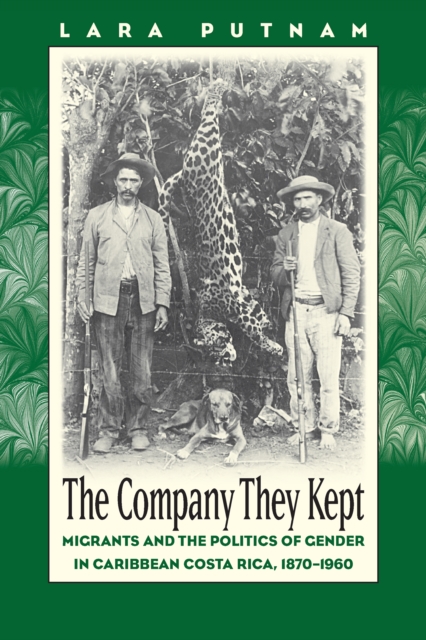
In the late nineteenth century, migrants from Jamaica, Colombia, Barbados, and beyond poured into Caribbean Central America, building railroads, digging canals, selling meals, and farming homesteads.
Michael Kay and Lorin Cary illuminate new aspects of slavery in colonial America by focusing on North Carolina, which has largely been ignored by scholars in favor of the more mature slave systems in the Chesapeake and South Carolina.
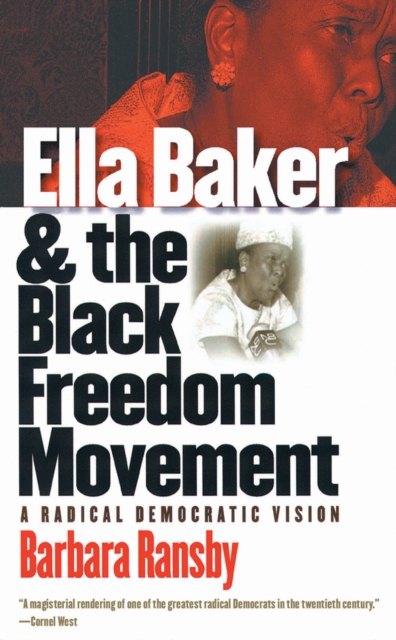
One of the most important African American leaders of the twentieth century and perhaps the most influential woman in the civil rights movement, Ella Baker (1903-1986) was an activist whose remarkable career spanned fifty years and touched thousands of lives.
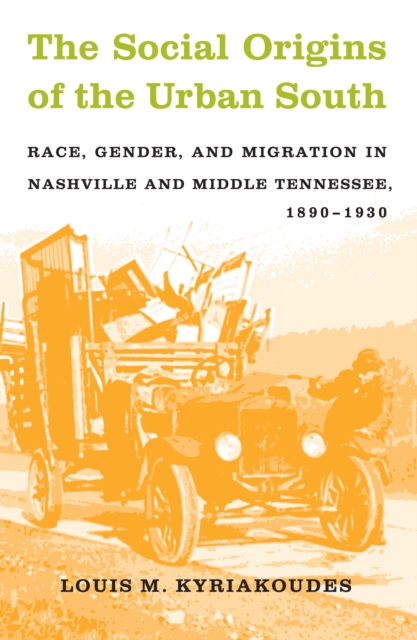
In the late nineteenth and early twentieth centuries, millions of black and white southerners left farms and rural towns to try their fate in the regions cities.
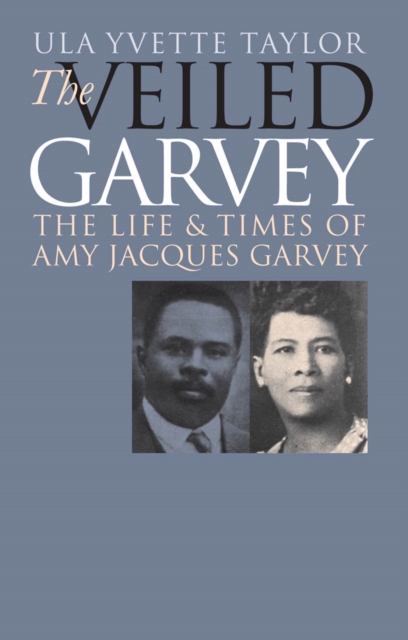
In this biography, Ula Taylor explores the life and ideas of one of the most important, if largely unsung, Pan-African freedom fighters of the twentieth century: Amy Jacques Garvey (18951973).
Few features of contemporary American culture are as widely lamented as the publics obsession with celebrity and the trivializing effect this obsession has on what appears as news.
In Women and the Historical Enterprise in America, Julie Des Jardins explores American womens participation in the practice of history from the late nineteenth century through the end of World War II, a period in which history became professionalized as an increasingly masculine field of scientific inquiry.
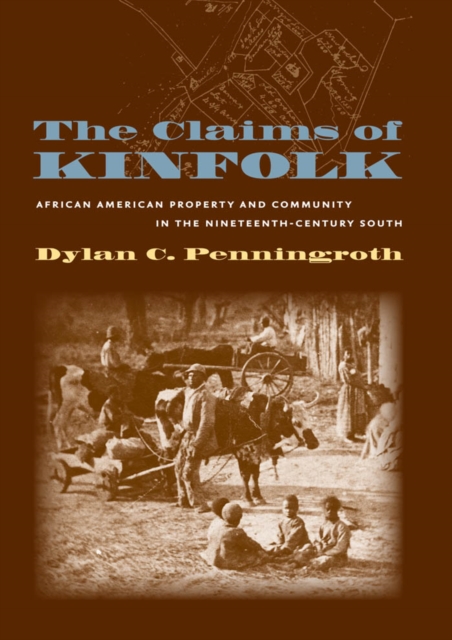
In The Claims of Kinfolk, Dylan Penningroth uncovers an extensive informal economy of property ownership among slaves and sheds new light on African American family and community life from the heyday of plantation slavery to the freedom generation of the 1870s.
The notorious 1942 Sleepy Lagoon murder trial in Los Angeles concluded with the conviction of seventeen young Mexican American men for the alleged gang slaying of fellow youth Jose Diaz.
When the Supreme Court declared in 1954 that segregated publicschools were unconstitutional, the highest echelons ofProtestant, Catholic, and Jewish religious organizationsenthusiastically supported the ruling, and black civil rightsworkers expected and actively sought the cooperation of theirwhite religious cohorts.
The conversion of African-born slaves and their descendants to Protestant Christianity marked one of the most important social and intellectual transformations in American history.
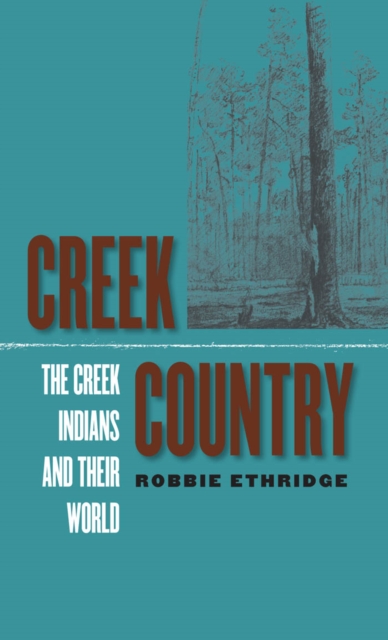
Reconstructing the human and natural environment of the Creek Indians in frontier Georgia, Mississippi, Alabama, and Tennessee, Robbie Ethridge illuminates a time of wrenching transition.
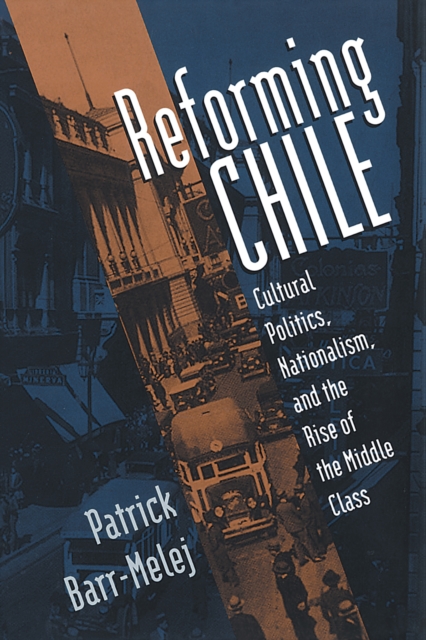
Highlighting the crucial yet largely overlooked role played by societys middle layers in the historical development of Latin America, Patrick Barr-Melej provides the first comprehensive analysis of the rise of Chiles middle-class reform movement and its profound impact on that countrys cultural and political landscapes.
The Greening of Protestant Thought traces the increasing influence of environmentalism on American Protestantism since the first Earth Day, which took place in 1970.