Shyness & Love covers the only major study conducted to date on social anxiety disorder as it is manifested in informal, unstructured, male/female dating and courtship situations.
Embroidering the Scarlet A traces the evolution of the "e;fallen woman"e; from the earliest novels to recent representations in fiction and film, including The Scarlet Letter, The Sound and the Fury, The Color Purple, and Love Medicine, and the films Juno and Mother and Child.
Widely practiced but not always understood, the Filipino martial arts have a rich history and distinctive character that have not fully been documented until now.
A Courageous Journey - Unleash God's Power to Heal Emotional Wounds is a 52-week Bible study designed to help women experience deep emotional and spiritual healing through God's truth.
Healthcare for older people tends to focus on physical limitations and cognitive decline, and the person's own perspective and strengths are often overlooked.
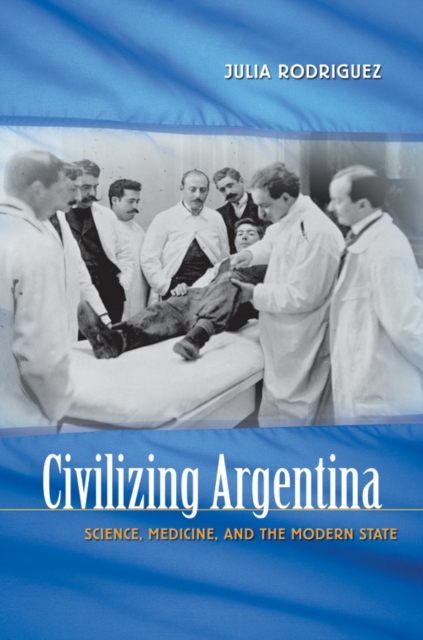
After a promising start as a prosperous and liberal democratic nation at the end of the nineteenth century, Argentina descended into instability and crisis.
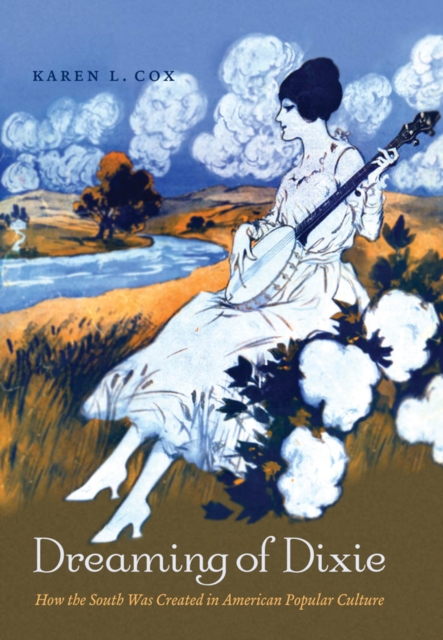
From the late nineteenth century through World War II, popular culture portrayed the American South as a region ensconced in its antebellum past, draped in moonlight and magnolias, and represented by such southern icons as the mammy, the belle, the chivalrous planter, white-columned mansions, and even bolls of cotton.
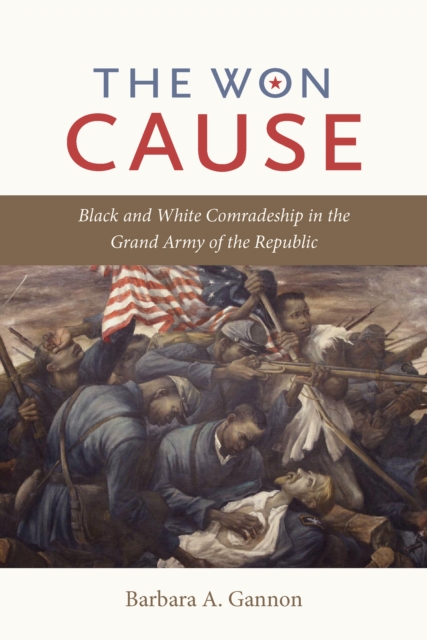
In the years after the Civil War, black and white Union soldiers who survived the horrific struggle joined the Grand Army of the Republic (GAR) the Union armys largest veterans' organization.
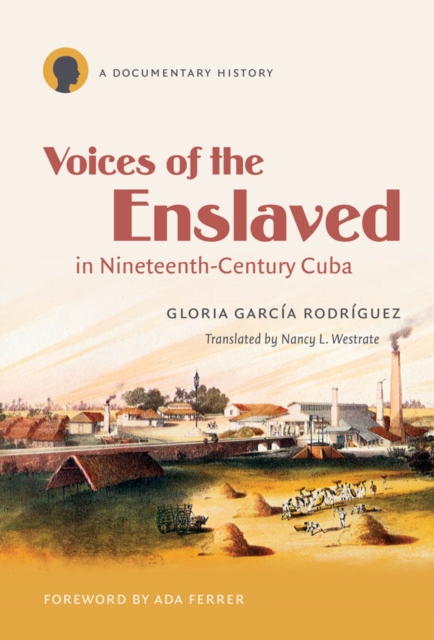
Putting the voices of the enslaved front and center, Gloria Garca Rodrguezs study presents a compelling overview of African slavery in Cuba and its relationship to the plantation system that was the economic center of the New World.
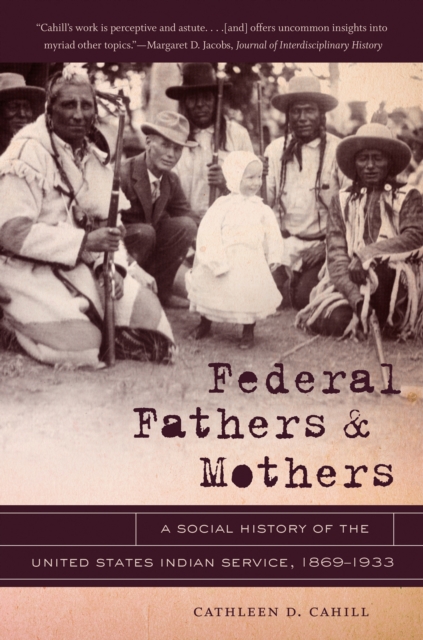
Established in 1824, the United States Indian Service (USIS), now known as the Bureau of Indian Affairs, was the agency responsible for carrying out U.
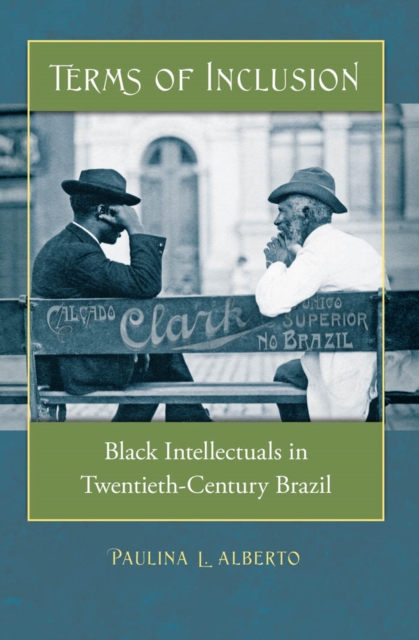
In this history of black thought and racial activism in twentieth-century Brazil, Paulina Alberto demonstrates that black intellectuals, and not just elite white Brazilians, shaped discourses about race relations and the cultural and political terms of inclusion in their modern nation.
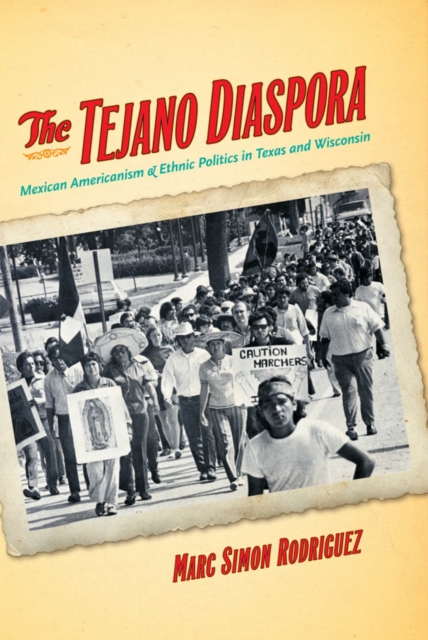
Each spring during the 1960s and 1970s, a quarter million farm workers left Texas to travel across the nation, from the Midwest to California, to harvest Americas agricultural products.
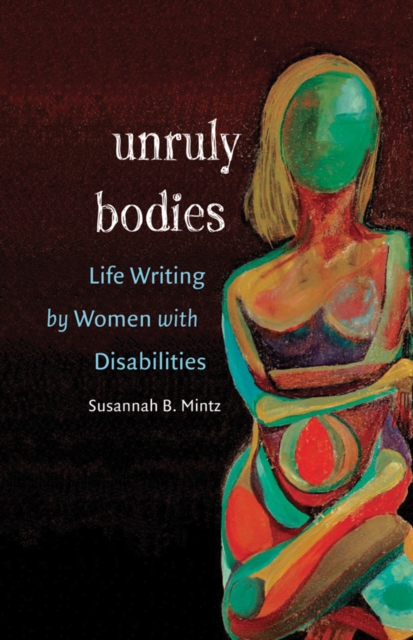
The first critical study of personal narrative by women with disabilities, Unruly Bodies examines how contemporary writers use life writing to challenge cultural stereotypes about disability, gender, embodiment, and identity.
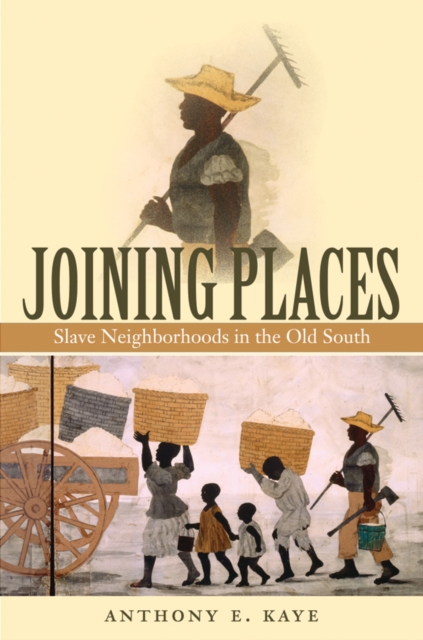
In this new interpretation of antebellum slavery, Anthony Kaye offers a vivid portrait of slaves transforming adjoining plantations into slave neighborhoods.
When it first appeared in the 1930s, FM radio was a technological marvel, providing better sound and nearly eliminating the static that plagued AM stations.
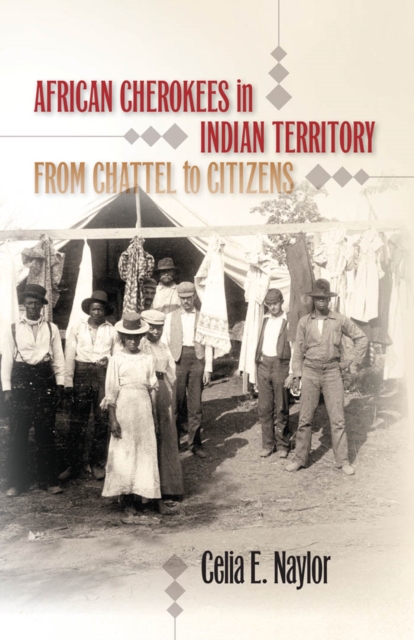
Forcibly removed from their homes in the late 1830s, Cherokee, Creek, Choctaw, and Chickasaw Indians brought their African-descended slaves with them along the Trail of Tears and resettled in Indian Territory, present-day Oklahoma.
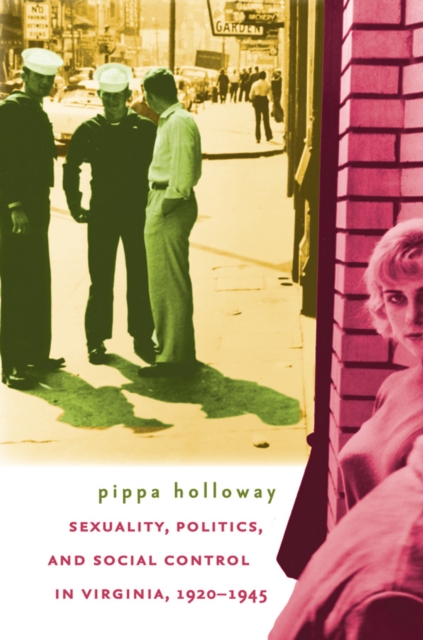
In the first half of the twentieth century, white elites who dominated Virginia politics sought to increase state control over African Americans and lower-class whites, whom they saw as oversexed and lacking sexual self-restraint.
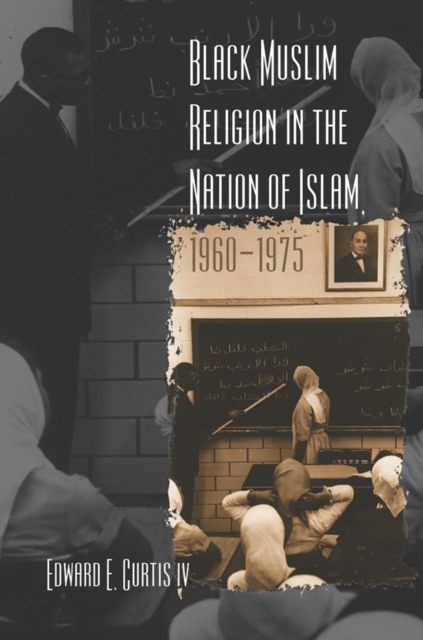
Elijah Muhammads Nation of Islam came to Americas attention in the 1960s and 1970s as a radical separatist African American social and political group.
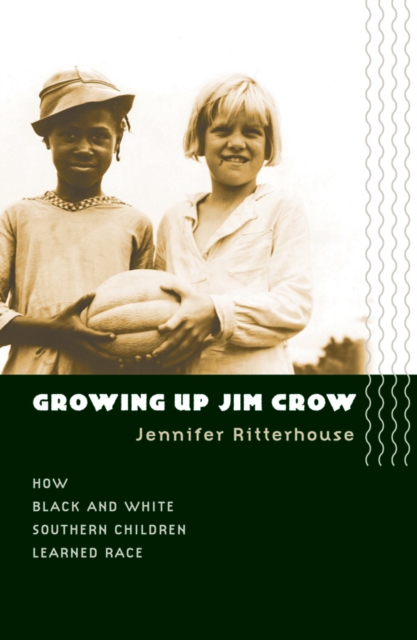
In the segregated South of the early twentieth century, unwritten rules guided every aspect of individual behavior, from how blacks and whites stood, sat, ate, drank, walked, and talked to whether they made eye contact with one another.
According to nineteenth-century racial uplift ideology, African American women served their race best as reformers and activists, or as doers of the word.
The intense urbanization and industrialization of Americas largest city from the turn of the twentieth century to World War II was accompanied by profound shifts in sexual morality, sexual practices, and gender roles.