The Path to Happiness: Buddhist Wisdom for Everyday Life offers a practical introduction to a central question in Buddhism: how can we reduce the suffering we add to experience through attachment, aversion, comparison, and the need for approval?
A bold new theory on what sparked the "e;big bang"e; of human cultureThe abrupt emergence of human culture over a stunningly short period continues to be one of the great enigmas of human evolution.
America's most renowned social philosopher John Dewey shines his powerful intellect on the serious public and cultural issues surrounding the place of the individual in a technologically advanced society.
In this fresh evaluation of Western ethics, noted philosopher Richard Taylor argues that philosophy must return to the classical notion of virtue as the basis of ethics.
A cultural history of the American faith in alien life, from the Puritans to Heaven's GateOver the past three centuries, belief in extraterrestrial life has had a profound influence on American religion.
A cultural history of the American faith in alien life, from the Puritans to Heaven's GateOver the past three centuries, belief in extraterrestrial life has had a profound influence on American religion.
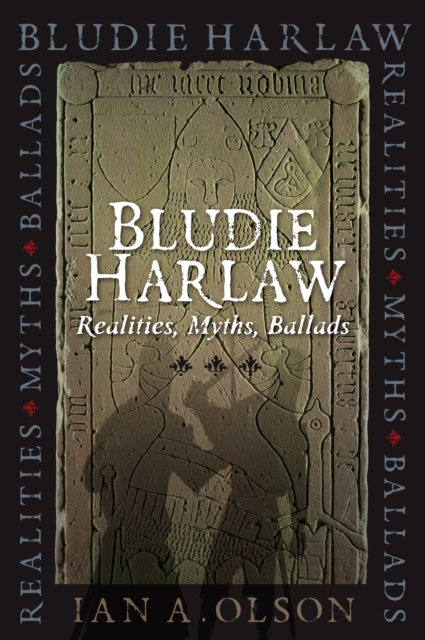
In the summer of 1411, the ageing Donald of Isla, Lord of the Isles, invaded mainland Scotland with a huge, battle-hardened army, only to be fought to a bloody standstill on the plateau of Harlaw, fifteen miles from Aberdeen, a town he had threatened to sack.
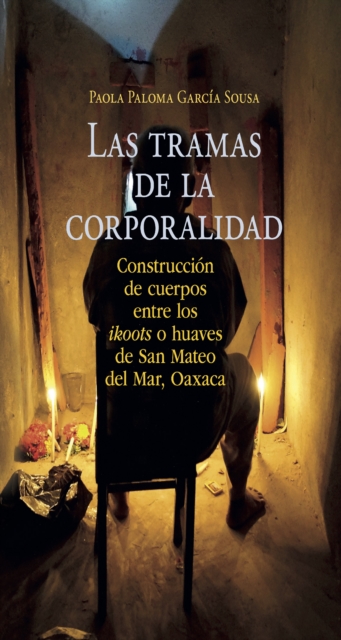
"A partir de una formulación que estudia el sentido antropológico del cuerpo, se construye un horizonte transdisciplinario en el que se conjugan elementos universales, orgánicos, contextuales, psíquicos y culturales con la tecnología, las crisis, las fallas, las emociones, el deseo o la imaginación.
Con la larga experiencia de sus estudios en pueblos y sociedades de otros continentes, Marvin Harris probó a aplicar su enfoque antropológico a una sociedad moderna en el ensayo titulado La cultura norteamericana contemporánea (1980) y que ahora, con un nuevo prefacio del autor escrito en 1987, se presenta al lector con el título ¿Por qué nada funciona?
El cuerpo ha sido objeto de reflexión desde múltiples disciplinas, pero raramente se lo ha abordado con la densidad interdisciplinaria que propone este volumen.
Escrita a lo largo de la convulsa época que agitó a la sociedad occidental a finales de los años 1960, Símbolos naturales (1970) es la obra más importante de la antropóloga Mary Douglas (1921-2007) junto con Pureza y peligro.
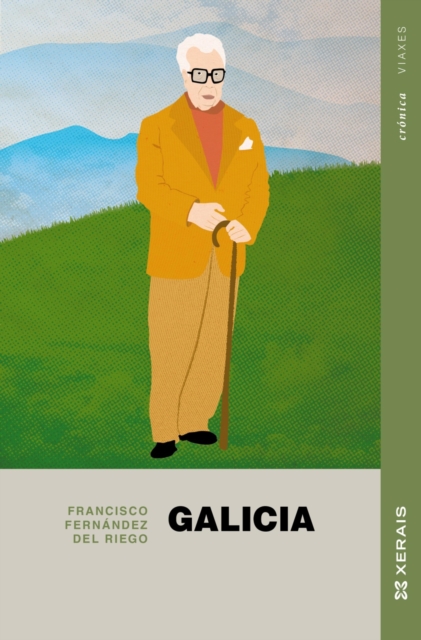
Francisco Fernández del Riego propón nesta obra unha ampla e vizosa viaxe organizada en doce itinerarios ou peregrinacións co fío argumental que lle brindan uns amigos bretóns que veñen visitar o noso país e reciben a hospitalidade e a clarividencia do seu anfitrión.
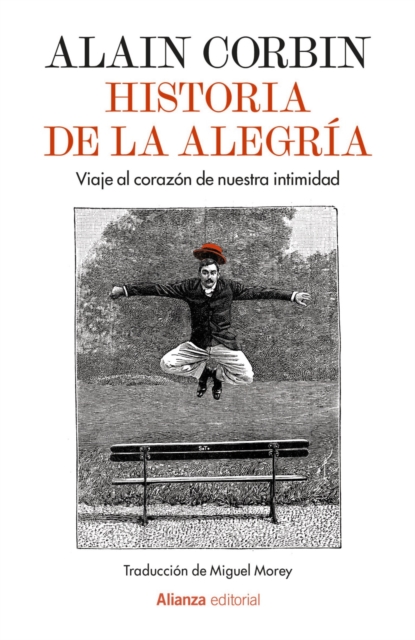
Dejando de lado las pasiones multitudinarias, Alain Corbin esboza, con un estilo asequible, rico en referencias y detalles, la historia de la emoción más huidiza: «la alegría íntima experimentada en lo más profundo del ser».
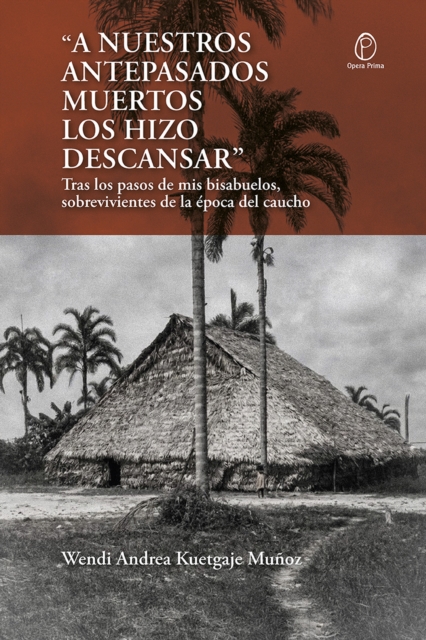
Este libro reconstruye la memoria histórica del clan Fɨeraiaɨ del pueblo uitoto a partir de las historias de vida de Kuegajɨ y Boracoño, sobrevivientes de la época cauchera y del conflicto colombo-peruano.
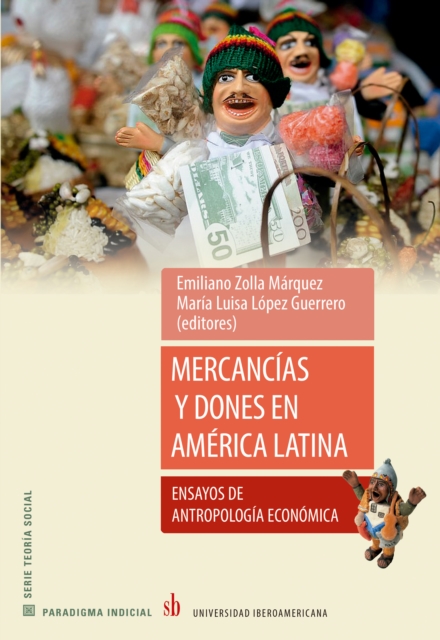
Mercancías y dones en América Latina desafía las categorías rígidas de la economía tradicional para ofrecer una mirada renovada de los intercambios económicos en la región.
Come along with an adventurous and charismatic independent journalist (perhaps you're one of his four million subscribers on YouTube) on a journey through some of the very best of America, reminding us of all the reasons weve got to love this place and one another.
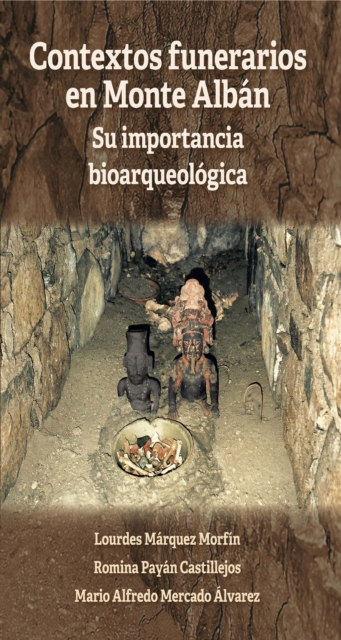
La obra presenta un estudio integral de los sistemas funerarios zapotecos a partir del análisis contextual y biológico de entierros excavados en Monte Albán.
Uno de los libros del año para New Scientist y Waterstones«En este viaje poético y sincero por el tiempo profundo, la geóloga Anjana Khatwa entrelaza conocimientos científicos y relatos tradicionales para reunir las enseñanzas que atesoran y nos cuentan las rocas.
Here is the first social history devoted to the common soldier in the Russian army during the first half of the 19th-century--an examination of soldiers as a social class and the army as a social institution.
In 1870 the Welsh ironmaster John James Hughes left his successful career in England and settled in the barren and underpopulated Donbass region of the Ukrainian steppe to found the town of Iuzovka and build a large steel plant and coal mine.
Carlos Waisman has pinpointed the specific beliefs that led the Peronists unwittingly to transform their country from a relatively prosperous land of recent settlement, like Australia and Canada, to an impoverished and underdeveloped society resembling the rest of Latin America.
This richly documented work focuses on the parentela (extended family), including Epitacio's, to illustrate the role bonds of blood, marriage, and friendship played in formal politics at local, state, and national levels throughout the Old Republic (1889-1930).