Influencers, figuras del pop, políticos, futbolistas, cripto entusiastas, juventudes y creadores de contenido se convierten en protagonistas de este recorrido por las nuevas formas de hacer política en tiempos digitales.
Desde las relaciones internacionales, este libro ofrece una perspectiva original y sólida respecto al papel de la diplomacia cultural en contextos de estigmatización internacional.
El presente libro se desarrolla en el marco del Giro Corporal 2018, y reúne las producciones y los debates de un grupo de investigadores que compartieron sus experiencias en la mesa temática "Prácticas y narrativas corporales de transformación de la victimización generada por el conflicto armado en Colombia", cuyos ejes centrales fueron: 1.
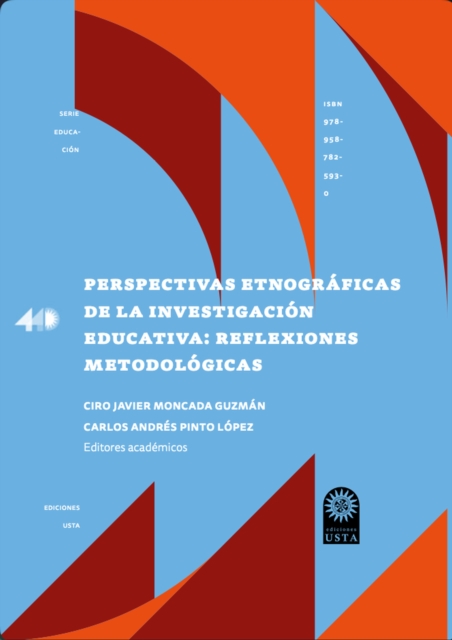
La obra ""Perspectivas Etnográficas de la Investigación Educativa: Reflexiones Metodológicas"" es una compilación de trabajos académicos editada por Ciro Javier Moncada Guzmán y Carlos Andrés Pinto López, y publicada por la Universidad Santo Tomás (USTA) en 2023.
Fruto de un proceso maduro de investigacion y reflexion, este libro acude a la metafora para comprender el papel que tiene el antropologo en la interpretacion de la realidad.
En La Canonizacion de Juan Diego, David Brading sintetiza los argumentos principales de su obra La Virgen de Guadalupe, Imagen y tradicion, y desarrolla las lineas centrales del debate en relacion al controvertido camino hacia la santidad del celebre indigena macehual, a quien se le aparecio la Virgen en 1531 en el cerro del Tepeyac.
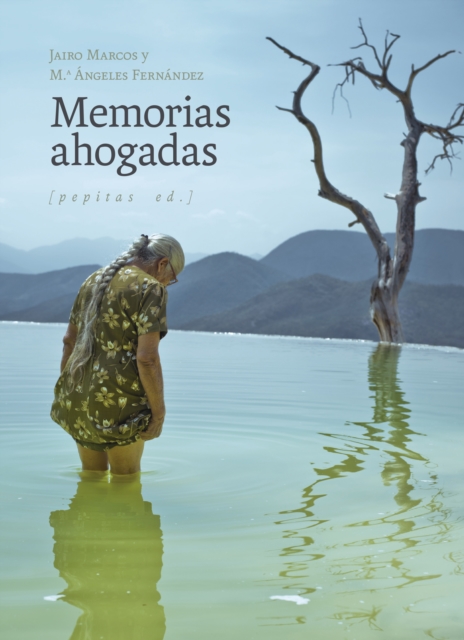
«Memorias ahogadas» es una inmersión en las vidas y las historias de quienes, en diversos lugares de España, tuvieron que dejar sus pueblos, tierras y hogares, sus quehaceres, raíces y formas de vida, también sus muertos, debido a la construcción de un embalse.
Las mal llamadas teorias del caos y de la complejidad, elaboradas en las ultimas decadas, han aportado numerosos elementos de juicio, elaboraciones algoritmicas y herramientas de trabajo susceptibles de utilizarse productivamente en las ciencias sociales.
Este breve ensayo, convertido ya en un clásico, resulta clave para comprender cómo la sobremodernidad transforma nuestra manera de estar con el entorno y los otros.
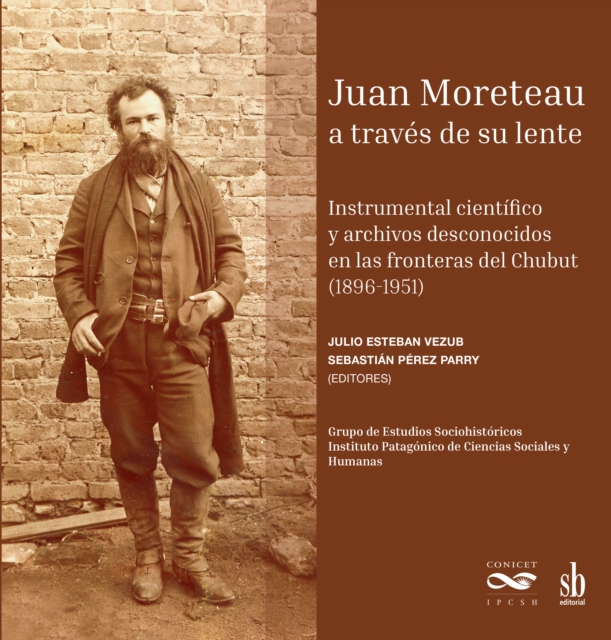
Maria Luisa Lopez concreto un mandato familiar: recuperar la memoria historica de su abuelo, integrante de la Comision Argentina de Limites con Chile, colono e innovador en el Territorio Nacional del Chubut.
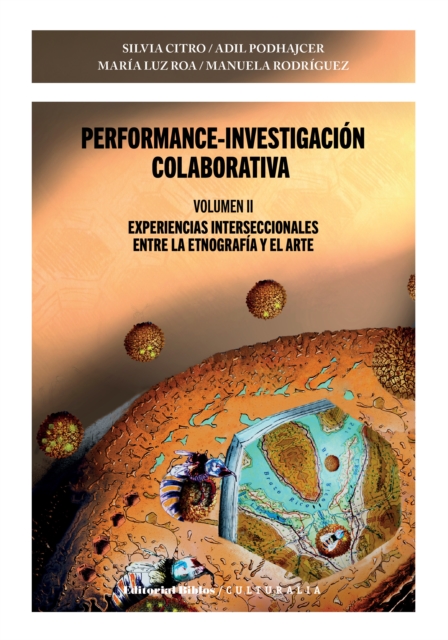
Este segundo volumen de Performance-investigación colaborativa presenta los procesos que abordamos junto con grupos y colectivos sociales de Argentina y, en algunos casos, de otros países latinoamericanos, animados por el deseo de experimentar la investigación y la creación entre las ciencias sociales y humanas, y las artes.
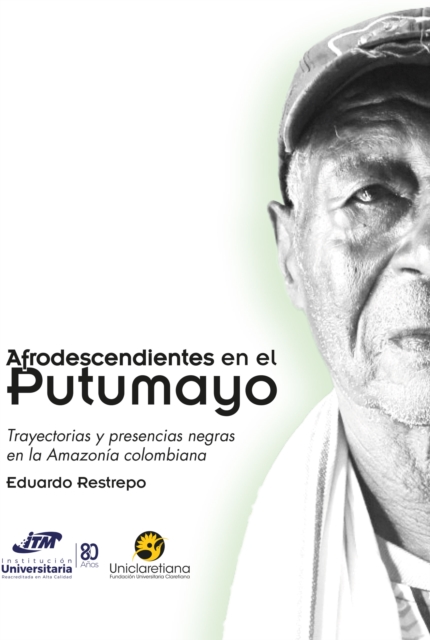
Frente al imaginario dominante que ha reducido la Amazonía a lo indígena o al colono mestizo, el libro de Eduardo Restrepo rompe con tales estereotipos y demuestra cómo los afrodescendientes llevan más de un siglo presentes en el Putumayo, vinculados inicialmente a la explotación del caucho, la minería aurífera y las labores petroleras.
Rohde analiza dos tesis fundamentales: la correspondiente al culto de los muertos y la que atane a la inmortalidad, y penetra en el mundo de las creencias griegas.
Estudio que inicia con el examen de conceptos fundamentales en antropologia: raza, cultura y sociedad, de los cuales deriva sus diversos entrecruzamientos, introduciendonos a su estudio: la mentalidad humana y los elementos caracteristicos de la sociedad, los componentes mas simples de la cultura y formas que asumen el matrimonio, la familia y los sistemas sociales.
Estudio clasico de la sociologia que describe profunda y puntualmente la presencia del sentimiento romantico, caracteristico del siglo XIX frances, en multiples campos del conocimiento: tratese, de literatura, novela, teatro o poesia; ya de pensamiento politico y social, en la formulacion de utopias socialistas o del feminismo aun en ciernes, los sentimientos romanticos son el punto de partida de un gran numero de enunciaciones.
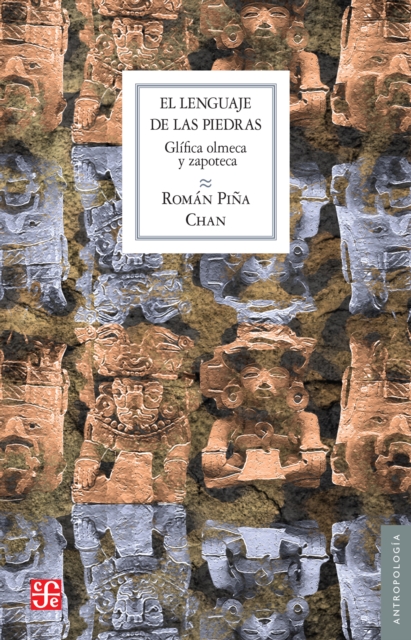
Roman Pina Chan incursiona en la simbologia, la iconografia y la escultura de las etnias olmeca y zapoteca, que de alguna manera contribuyeron a la formacion de la escritura maya.
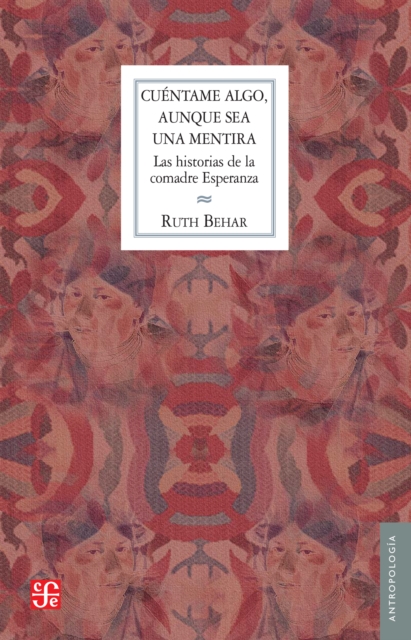
Cuentame algo, aunque sea una mentira imprime una discusion critica sobre los fundamentos teoricos de la antropologia y de las practicas usuales en el campo etnografico.
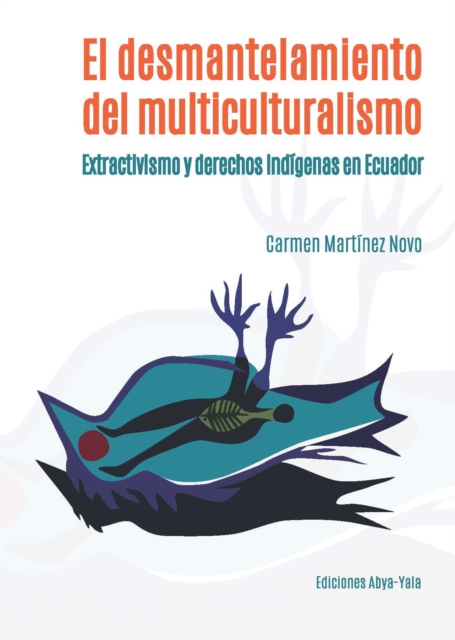
"El Desmantelamiento del multiculturalismo es una investigación histórica y etnográfica en profundidad y de largo aliento sobre la lucha por los derechos indígenas desde los años setenta del siglo XX en el Ecuador.
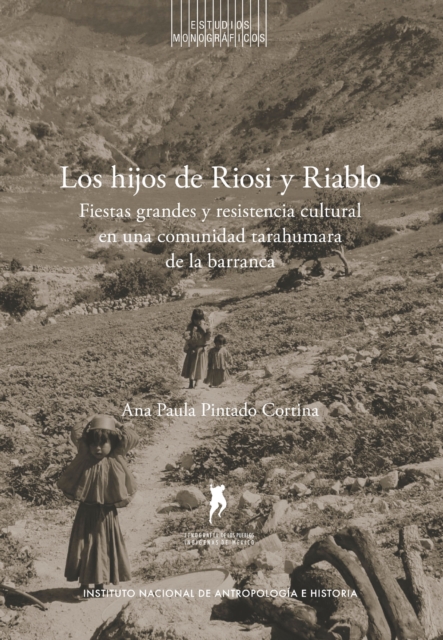
Es una investigacion etnografica profunda sobre las fiestas denominadas "e;fiestas grandes"e; entre los ralamuli (comunmente llamados tarahumaras) de Potrero, en las Barrancas de la Sierra Tarahumara, Chihuahua.
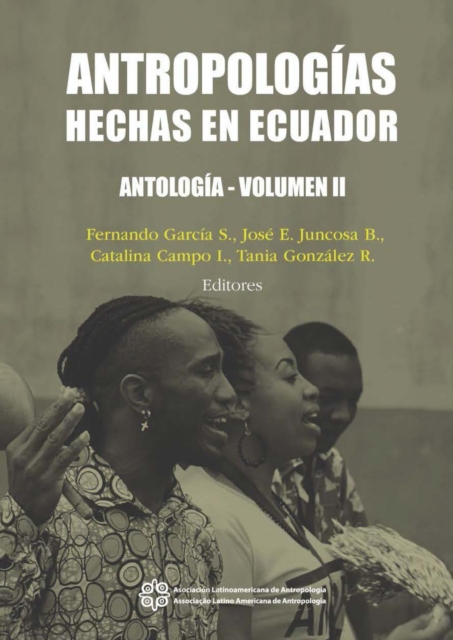
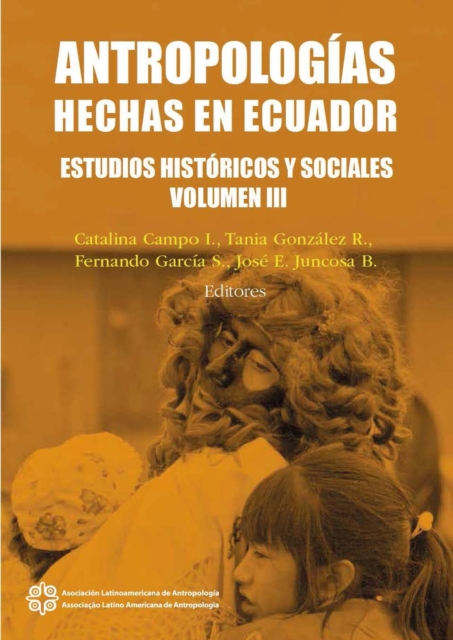
La serie Antropologias hechas en Ecuador forma parte de la Coleccion Antropologias hechas en America Latina, un proyecto editorial promovido por la Asociacion Latinoamericana de Antropologia con el objetivo de dibujar un mapa de las antropologias de America Latina que haga posible identificar sus genealogias, propuestas metodologicas, sus reflexiones y construcciones teorico-practicas, con el objetivo de re-conocernos y buscar los puntos de soldadura y las preocupaciones que nos integran o diferencian.
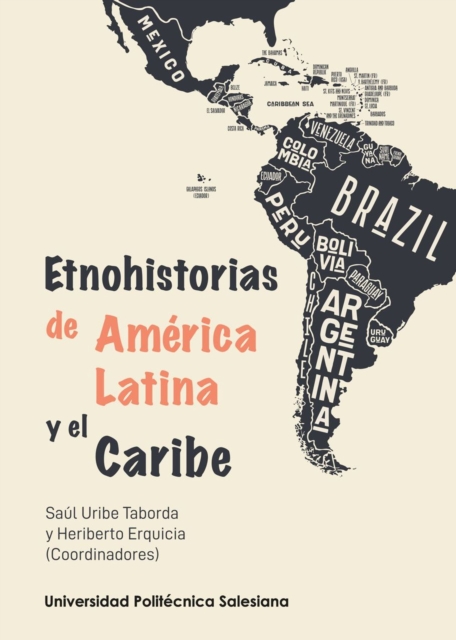
Los artículos recogidos en Etnohistorias de América Latina y el Caribe, presentan resultados de investigación, reflexiones críticas, teóricas, metodológicas y técnicas de investigación utilizadas en los estudios etnohistóricos del área.
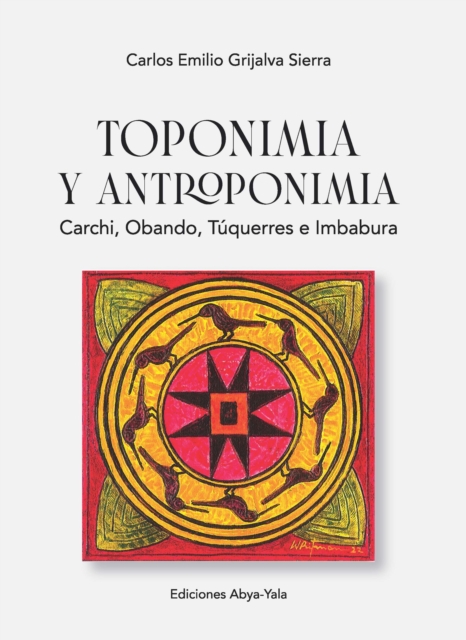
"Carlos Emilio Grijalva hurgaba en los términos y las palabras peregrinando por los caminos, las esquinas de los pueblos, la orilla de los ríos, en los apellidos de las personas, en sus costumbres, hasta tejer esta monumental obra etnográfica, un trabajo pionero que serviría de soporte para investigaciones de la talla de Jacinto Jijón y Caamaño, Max Uhle, Otto von Buchwald, José María Coba Robalino, entre otros; que ahora, gracias a Héctor Grijalva Muñoz, su nieto, vuelve a circular en Ecuador y Colombia.
"Los artículos recogidos en Visiones críticas del patrimonio cultural: discursos, prácticas y alternativas, son el resultado de un esfuerzo colectivo por articular distintas miradas sobre el patrimonio cultural y es, a su vez, una crítica a los discursos construidos en torno a él.
Al igual que en otros paises, en Ecuador la antropologia no es solo una disciplina, son varias genealogias que obedecen a temas diversos con enfoques interdisciplinarios y que cambian de acuerdo al contexto social, economico y politico; pero a diferencia de la region, registra pocas escuelas de antropologia y centros de formacion de profesionales en el area.
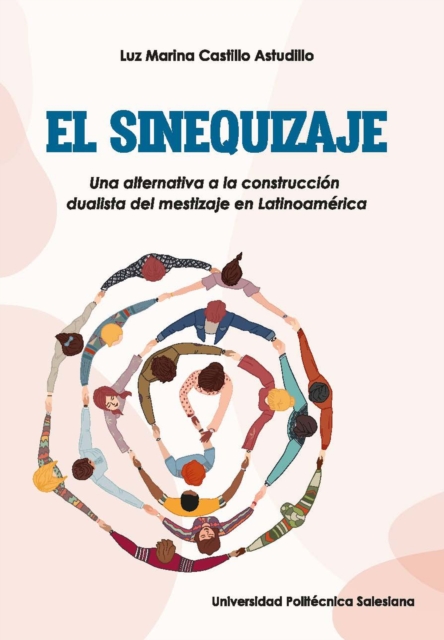
"El término mestizaje en América Latina conlleva una carga dualista construida sobre una alusión étnica desde Europa, desde África y América, y la idea de la existencia de tres razas: blanca, negra e india.
Al igual que en otros paises, en Ecuador la antropologia no es solo una disciplina, son varias genealogias que obedecen a temas diversos con enfoques interdisciplinarios y que cambian de acuerdo al contexto social, economico y politico; pero a diferencia de la region, registra pocas escuelas de antropologia y centros de formacion de profesionales en el area.
Este libro recopila diversos ensayos filosoficos en torno a la obra de la filosofa Martha Nussbaum, haciendo un enfasis particular en la relacion del hombre con la naturaleza y con los animales, desde una perspectiva etica y politica.
"Voces de Carnaval: ritualidad festiva, resignificación cultural y mercantilismo, surge del interés de compartir experiencias de la ritualidad festiva en varias latitudes, especialmente latinoamericanas, para generar nuevos sentidos de encuentro cultural.