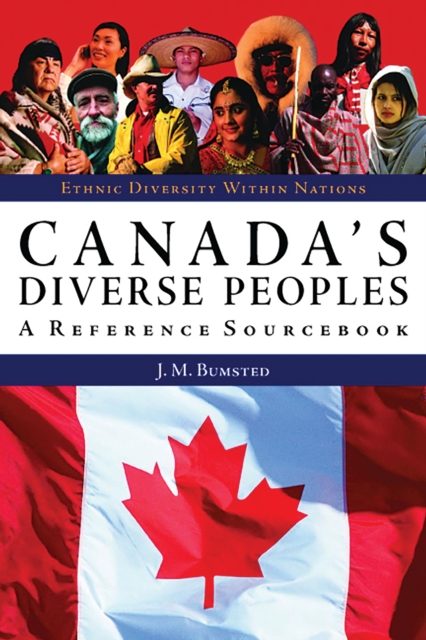
From Canada's profound racism in the 19th and early 20th centuries to its radical shift in immigration policy in the 1960s, this one-of-a-kind reference explores the past 1,000 years of ethnicity in Canada.
Psychoanalytic Intersections examines the influence and legacy of the Austen Riggs Center, one of the oldest psychoanalytically oriented psychiatric hospitals in America, and home of the Erikson Institute for Education and Research.
Psychoanalytic Intersections examines the influence and legacy of the Austen Riggs Center, one of the oldest psychoanalytically oriented psychiatric hospitals in America, and home of the Erikson Institute for Education and Research.
This volume elucidates international biographical and narrative perspectives on how COVID-19 influenced people's daily lives across different countries and contexts.
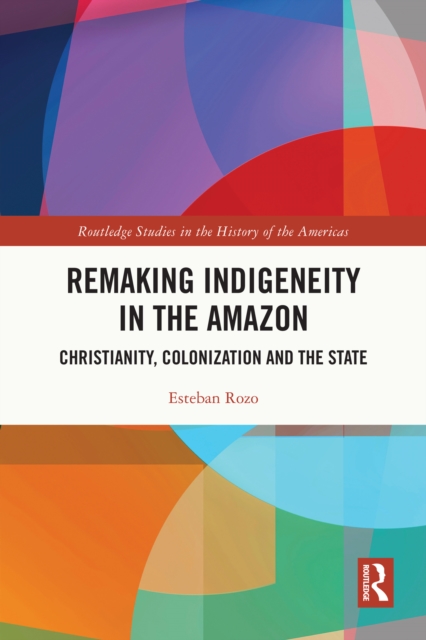
Drawing on archival and ethnographic work, this book analyzes how indigeneity, Christianity and state-making became intertwined in the Colombian Amazon throughout the 20th century.
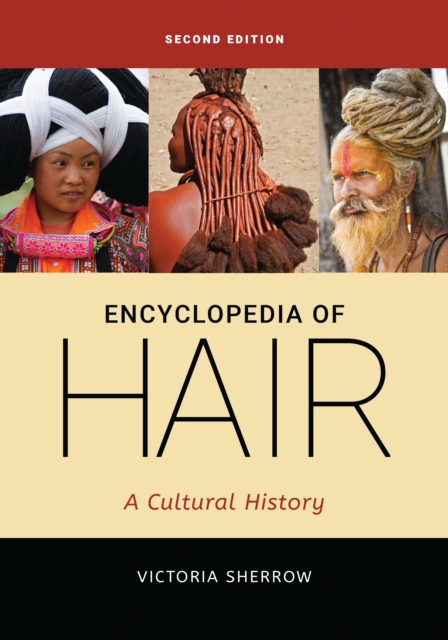
This popular volume on the culture of hair through human history and around the globe has been updated and revised to include even more entries and current information.
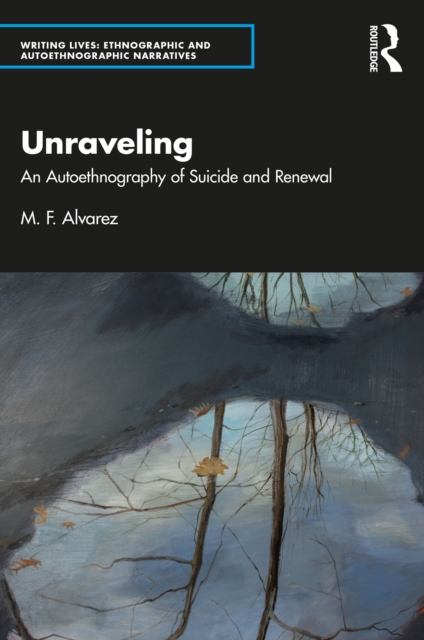
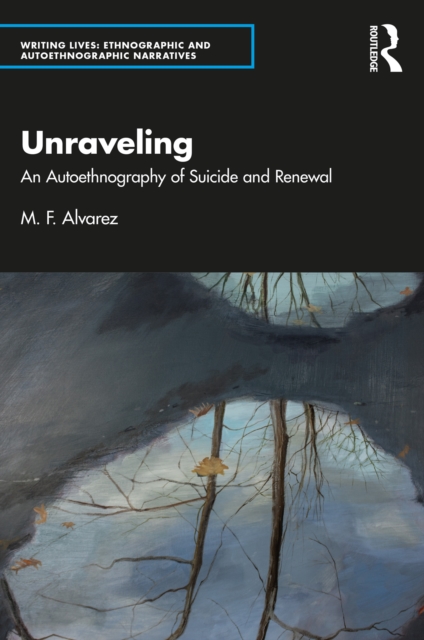
Unraveling: An Autoethnography of Suicide and Renewal is an autoethnographic story that explores the intricate relationship among trauma, marginality, and mental health.
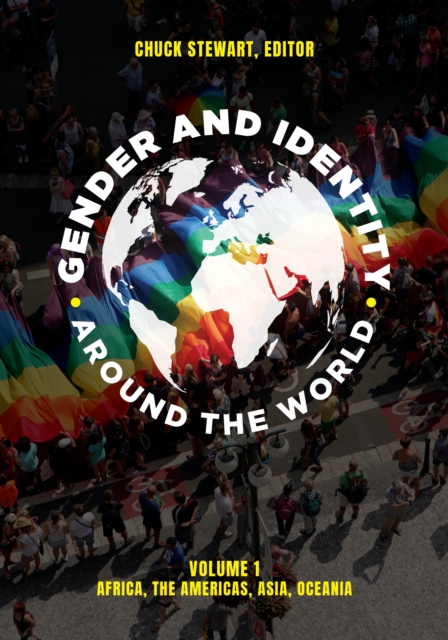
This book provides an indispensable resource for high school and college students interested in the history and current status of gender identity formation and maintenance and how it impacts LGBTQ rights throughout the world.
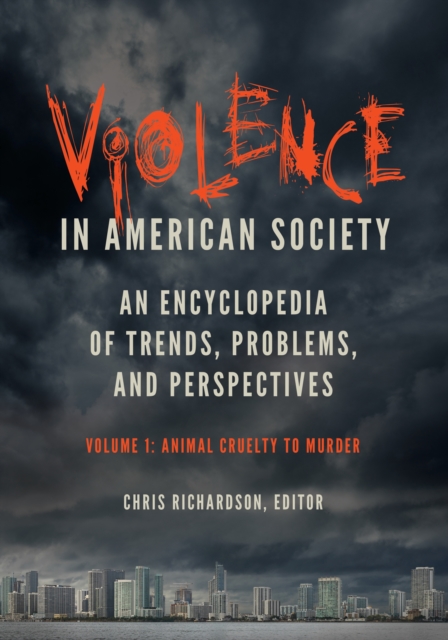
While many books explore such specific issues as gun violence, arson, murder, and crime prevention, this encyclopedia serves as a one-stop resource for exploring the history, societal factors, and current dimensions of violence in America in all its forms.
Unraveling: An Autoethnography of Suicide and Renewal is an autoethnographic story that explores the intricate relationship among trauma, marginality, and mental health.
Drawing on archival and ethnographic work, this book analyzes how indigeneity, Christianity and state-making became intertwined in the Colombian Amazon throughout the 20th century.
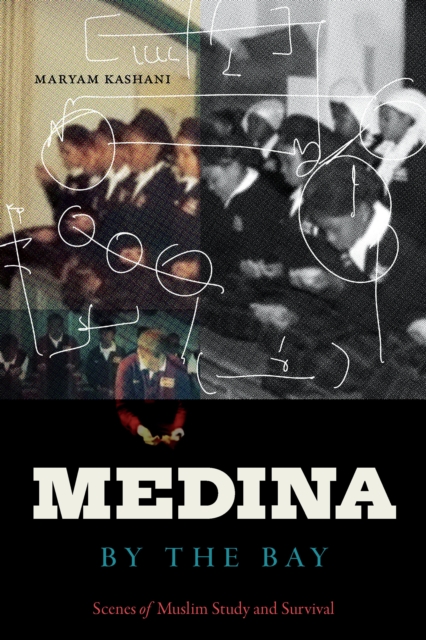
From the Black Power movement and state surveillance to Silicon Valley and gentrification, Medina by the Bay examines how multiracial Muslim communities in the San Francisco Bay Area survive and flourish within and against racial capitalist, carceral, and imperial logics.
This innovative work tells the story of a unique partnership between a state prison administration and a team of incarcerated women, prison administrators, researchers, artists, and students known as The WoW Collective due to their joint efforts in developing a peer mentoring program called "e;Women's Words/Women's Worlds (WoW).
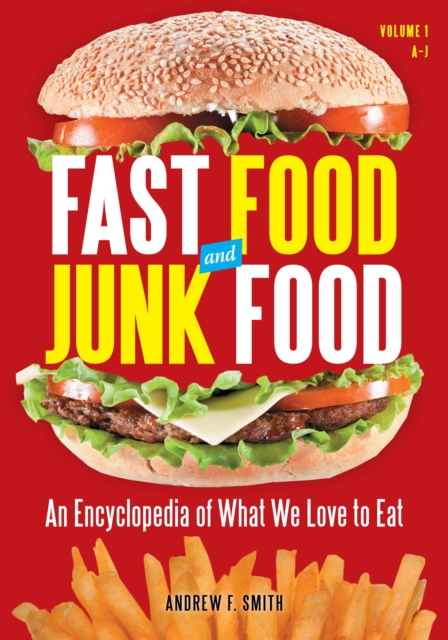
This fascinating and revealing work examines the incredible power of junk food and fast food-how nostalgic we are about them, the influence of the companies that manufacture or sell them, and their alarming effect on our country's state of health.
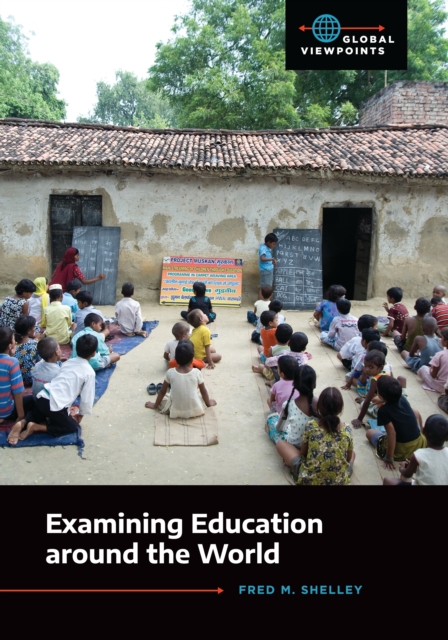
This thematic encyclopedia provides an overview of education in 70 countries worldwide and links educational organization, philosophy, and practice with important global social, economic, and environmental issues facing the contemporary world.
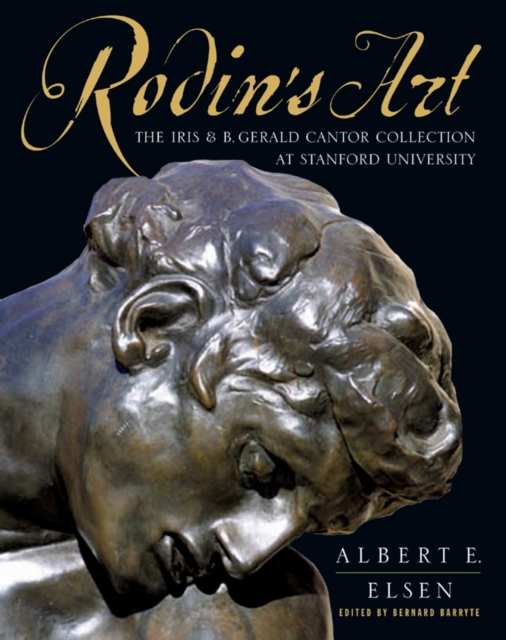
The late Albert Elsen was the first American scholar to study seriously the work of the French sculptor Auguste Rodin, and the person most responsible for a revival of interest in the artist as a modern innovator--after years during which the sculpture had been dismissed as so much Victorian bathos.
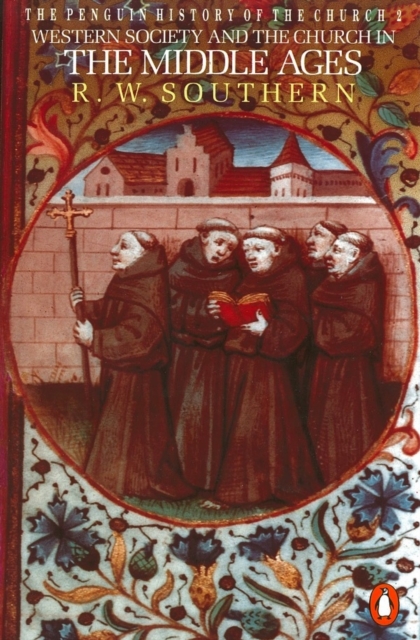
The history of the Western church in the Middle Ages is the history of the most elaborate and thoroughly integrated system of religious thought and practice the world has ever known.
Taking the case of Qazaq Pastoralists in Western Mongolia, this book looks at the universal human requirement to balance individual flexibility and strategies designed to make a living with the social expectations that impose particular rules of conduct but also enable mutual trust and cooperation to emerge.
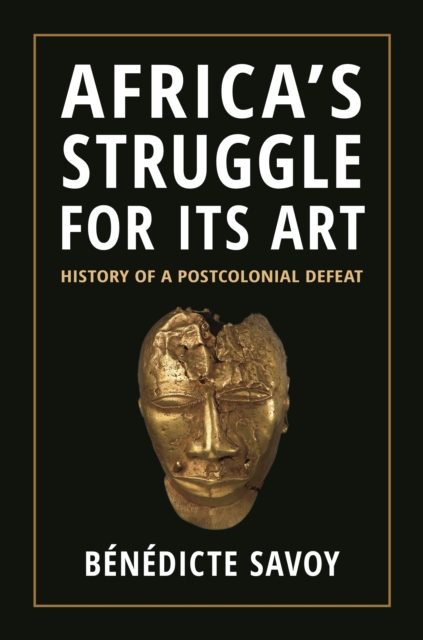
A major new history of how African nations, starting in the 1960s, sought to reclaim the art looted by Western colonial powers For decades, African nations have fought for the return of countless works of art stolen during the colonial era and placed in Western museums.
Taking the case of Qazaq Pastoralists in Western Mongolia, this book looks at the universal human requirement to balance individual flexibility and strategies designed to make a living with the social expectations that impose particular rules of conduct but also enable mutual trust and cooperation to emerge.
This book explores ways in which systems of local knowledge, culture, language, and place are foundational for STEM learning in Indigenous communities.
This book demonstrates how creative research methods can be used to better understand the experiences of children, particularly in the context of sport, physical activity and health.
This book demonstrates how creative research methods can be used to better understand the experiences of children, particularly in the context of sport, physical activity and health.
Based on novel ethnographic research conducted in New York City, this book explores through the lens of intersectionality how gender impacts men's experiences of full-time fatherhood, as well as how sexuality, race, class, faith, and so on result in unequal access to choices and opportunities as parents.
Based on novel ethnographic research conducted in New York City, this book explores through the lens of intersectionality how gender impacts men's experiences of full-time fatherhood, as well as how sexuality, race, class, faith, and so on result in unequal access to choices and opportunities as parents.
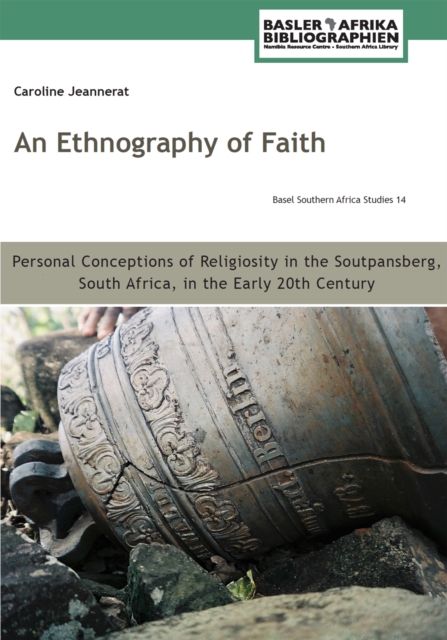
Research into the history of Christian missions in the context of colonialism has focused primarily on missions as institutions and on the ways in which people were integrated into the economic, political and ideological spheres of imperial powers.
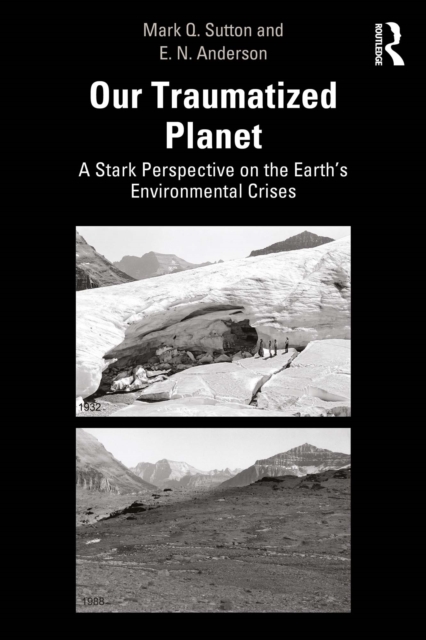
Our Traumatized Planet explores the state of the environment and some of the major issues faced today and asks what we can learn and apply from contemporary traditional peoples, ancient societies, and our own successes and failures.