Senegal has played a central role in contemporary dance due to its rich performing traditions, as well as strong state patronage of the arts, first under French colonialism and later in the postcolonial era.
Since the politicization of anthropology in the 1970s, most anthropologists have been reluctant to approach the topic of universals that is, phenomena that occur regularly in all known human societies.
Without exception, all people are faced with the inevitability of death, a stark fact that has immeasurably shaped societies and individual consciousness for the whole of human history.
The past decades have seen significant urban insurrections worldwide, and this volume analyzes some of them from an anthropological perspective; it argues that transformations of urban class relationships must be approached in a way that is both globally informed and deeply embedded in local and popular histories, and contends that every case of urban mobilization should be understood against its precise context in the global capitalist transformation.
Drawing on rich ethnographic materials from longitudinal fieldwork on informal trading routes across Europe, Travelling with the Argonauts offers a new perspective in the research of the social space, reflecting on how best to investigate amorphous social phenomena, such as informal networks.
Exploring the lifeworlds of Halima, Omar and Mohamed, three middle-aged Somalis living in Melbourne, Australia, the author discusses the interrelated meanings of emplacement and displacement as experienced in people s everyday lives.
As Georgia seeks to reinvent itself as a nation-state in the post-Soviet period, Georgian women are maneuvering, adjusting, resisting and transforming the new economic, social and political order.
Globalization promised to bring about a golden age of liberal individualism, breaking down hierarchies of kinship, caste, and gender around the world and freeing people to express their true, authentic agency.
The most clearly identifiable and popular form of Japanese hip-hop, ghetto or gangsta music has much in common with its corresponding American subgenres, including its portrayal of life on the margins, confrontational style, and aspirational rags-to-riches narratives.
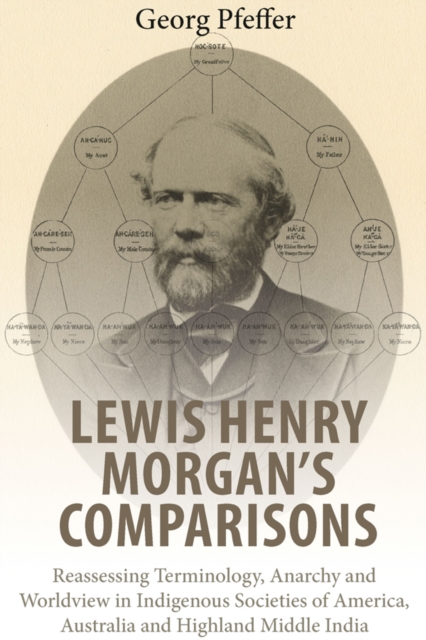
About 150 years ago Lewis Henry Morgan compared relationship terminologies, societal forms and ideas of property to recognize the interdependence of the three domains.
On the Geopragmatics of Anthropological Identification explores the discursive spaces of our speaking position, or what has routinely been referred to in the literature as the poetics and politics of writing culture.
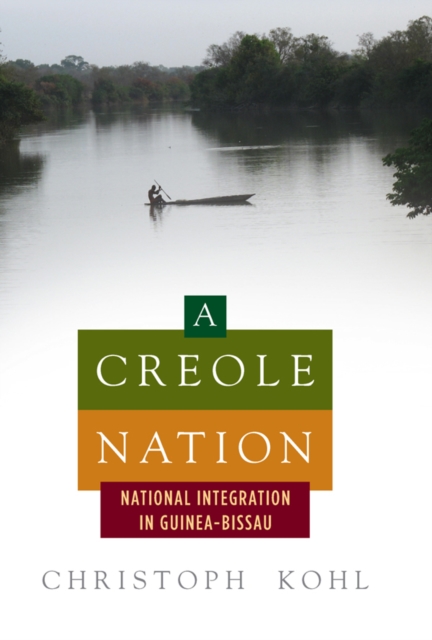
Despite high degrees of cultural and ethnic diversity as well as prevailing political instability, Guinea-Bissau s population has developed a strong sense of national belonging.
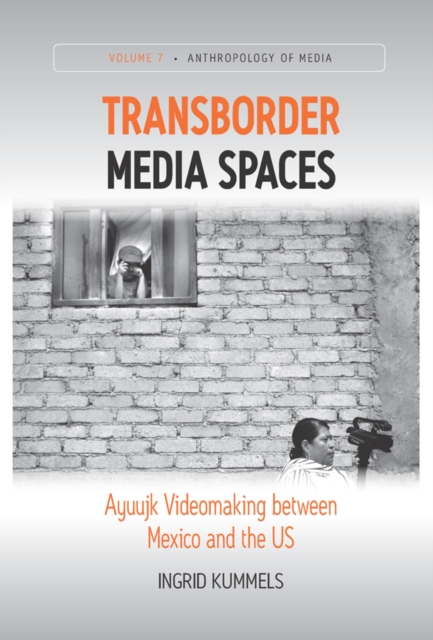
Transborder Media Spaces offers a new perspective on how media forms like photography, video, radio, television, and the Internet have been appropriated by Mexican indigenous people in the light of transnational migration and ethnopolitical movements.
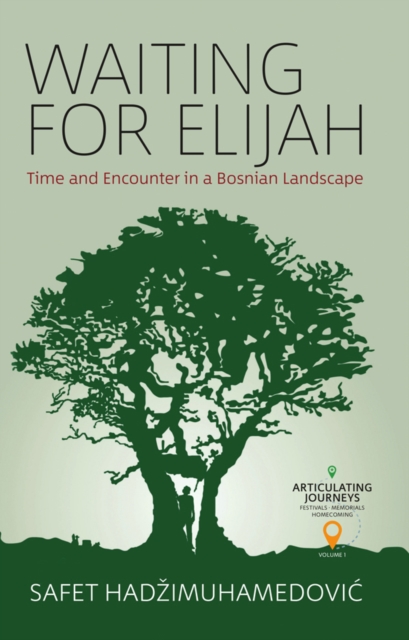
Waiting for Elijah is an intimate portrait of time-reckoning, syncretism, and proximity in one of the world s most polarized landscapes, the Bosnian Field of Gacko.
Questions regarding the origins, mobility, and effects of analytical concepts continue to emerge as anthropology endeavors to describe similarities and differences in social life around the world.
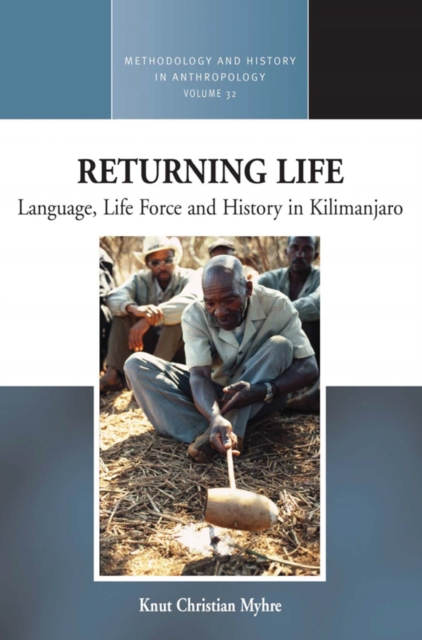
A group of Chagga-speaking men descend the slopes of Mount Kilimanjaro to butcher animals and pour milk, beer, and blood on the ground, requesting rain for their continued existence.
Drawing on ethnographic research in the village of Canhane, which is host to the first community tourism project in Mozambique, The Good Holiday explores the confluence of two powerful industries: tourism and development, and explains when, how and why tourism becomes development and development, tourism.
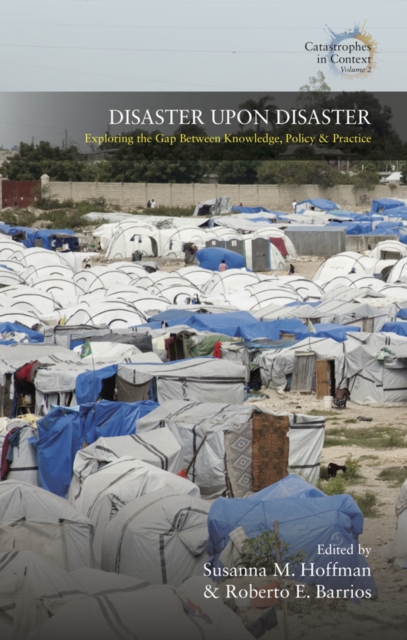
A consistent problem that confronts disaster reduction is the disjunction between academic and expert knowledge and policies and practices of agencies mandated to deal with the concern.
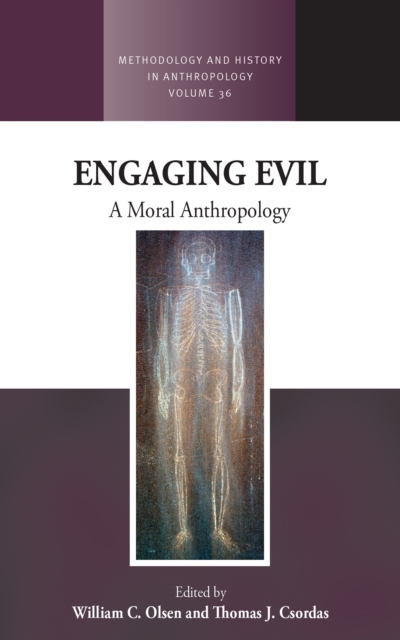
Anthropologists have expressed wariness about the concept of evil even in discussions of morality and ethics, in part because the concept carries its own cultural baggage and theological implications in Euro-American societies.
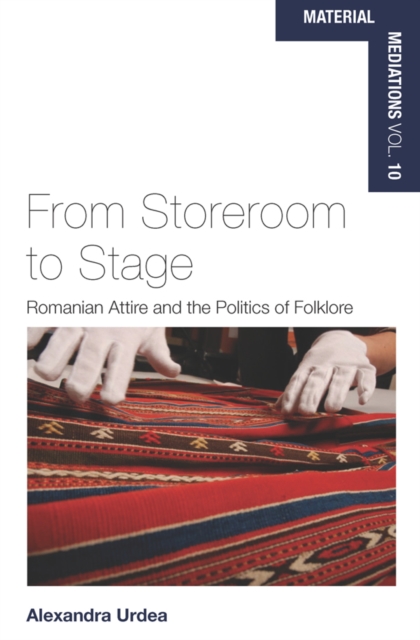
Departing from an ethnographic collection in London, From Storeroom to Stage traces the journey of its artefacts back to the Romanian villages where they were made 70 years ago, and to other places where similar objects are still in use.
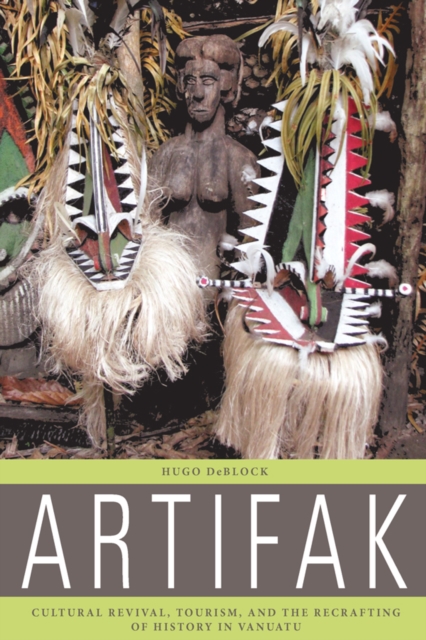
In Vanuatu, commoditization and revitalization of culture and the arts do not necessarily work against each other; both revolve around value formation and the authentication of things.
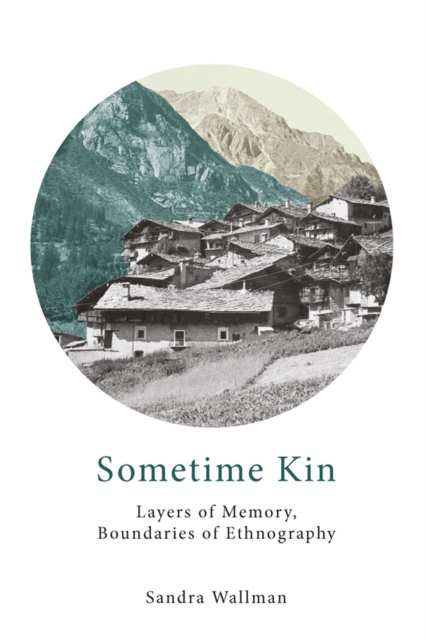
In Sometime Kin, Sandra Wallman paints the portrait of an Alpine settlement its history, economy and culture, and its unusual resistance to outsiders and modernization.
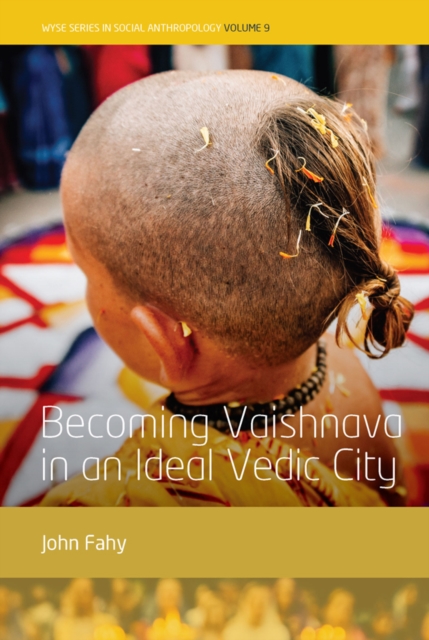
Becoming Vaishnava in an Ideal Vedic City centers on a growing multinational community of ISKCON (International Society for Krishna Consciousness) devotees in Mayapur, West Bengal.
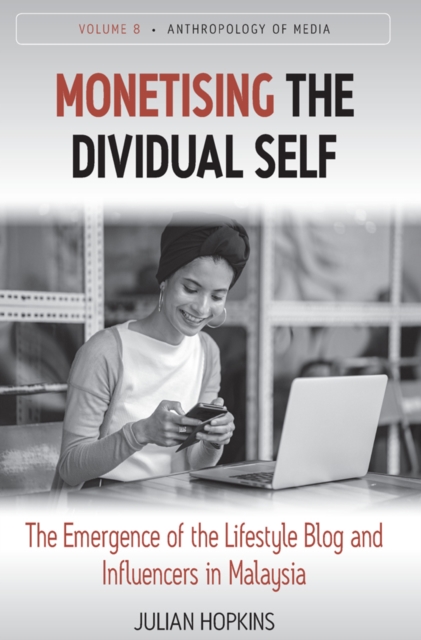
Combining theoretical and empirical discussions with shorter thick description case studies, this book offers an anthropological exploration of the emergence in Malaysia of lifestyle bloggers precursors to current social media microcelebrities and influencers.
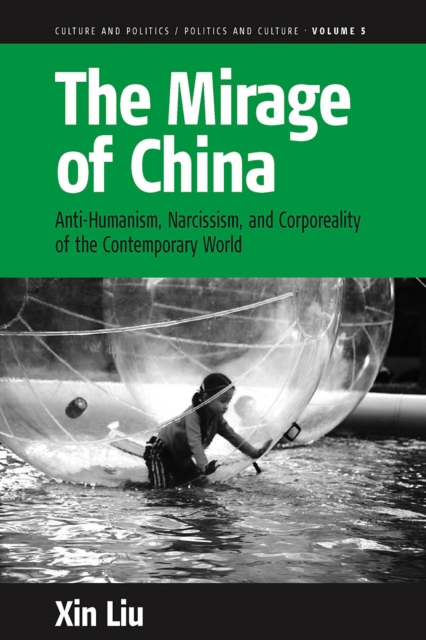
Today s world is one marked by the signs of digital capitalism and global capitalist expansion, and China is increasingly being integrated into this global system of production and consumption.
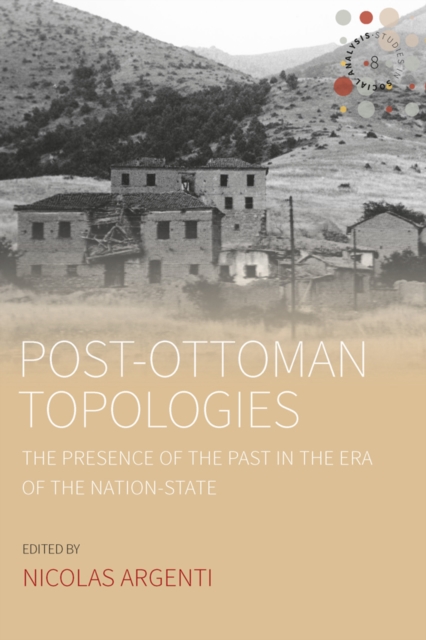
How are historians and social scientists to understand the emergence, the multiplicity, and the mutability of collective memories of the Ottoman Empire in the political formations that succeeded it?
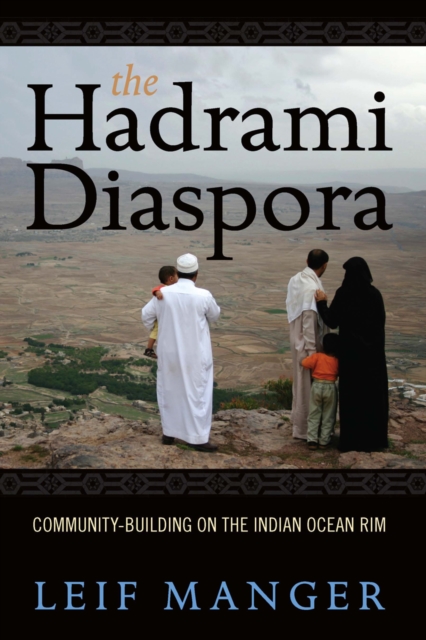
The Hadramis of South Yemen and the emergence of their diasporic communities throughout the Indian Ocean region are an intriguing facet of the history of this region s migratory patterns.
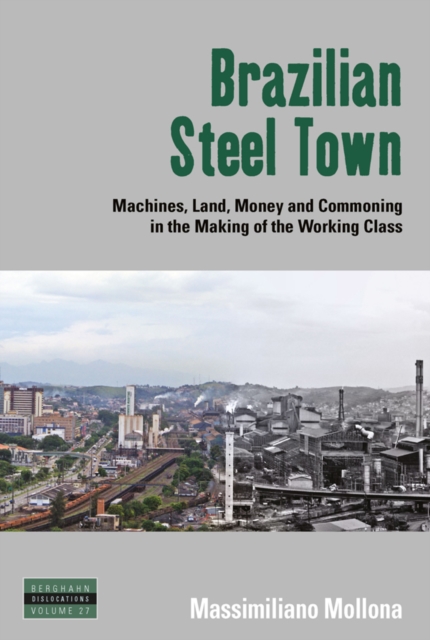
Volta Redonda is a Brazilian steel town founded in the 1940s by dictator Getulio Vargas on an ex-coffee valley as a powerful symbol of Brazilian modernization.
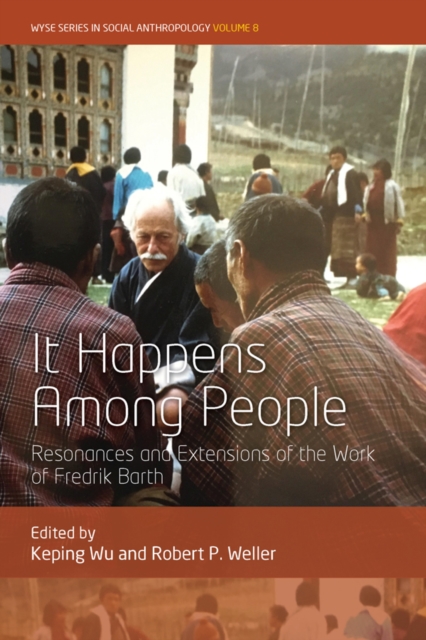
Written by eleven leading anthropologists from around the world, this volume extends the insights of Fredrik Barth, one of the most important anthropologists of the twentieth century, to push even further at the frontiers of anthropology and honor his memory.
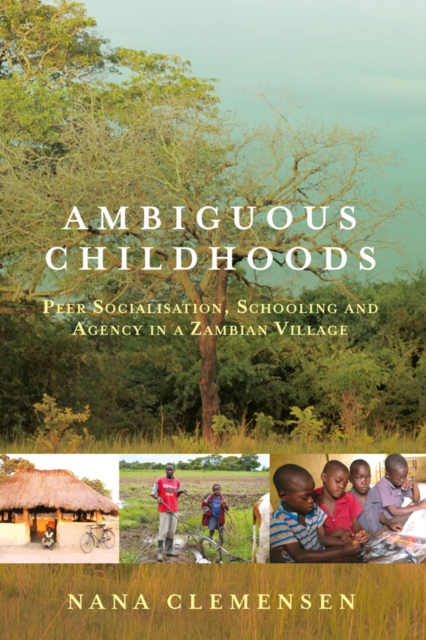
Growing up with social and economic upheaval in the peripheries of global neoliberalism, children in rural Zambia are presented with diverging social and moral protocols across homes, classrooms, church halls, and the streets.
Questioning what shelter is and how we can define it, this volume brings together essays on different forms of refugee shelter, with a view to widening public understanding about the lives of forced migrants and developing theoretical understanding of this oft-neglected facet of the refugee experience.
Exploring lived atheism in the South Indian states of Andhra Pradesh and Telangana, this book offers a unique insight into India s rapidly transforming multi-religious society.
As an ethnography of Central Australian singing traditions and ceremonial contexts, this book asks questions about the vitality of the cultural knowledge and practices highly valued by Warlpiri people and fundamental to their cultural heritage.
Over time, the role of nature in anthropology has evolved from being a mere backdrop for social and cultural diversity to being viewed as an integral part of the ontological entanglement of human and nonhuman agents.