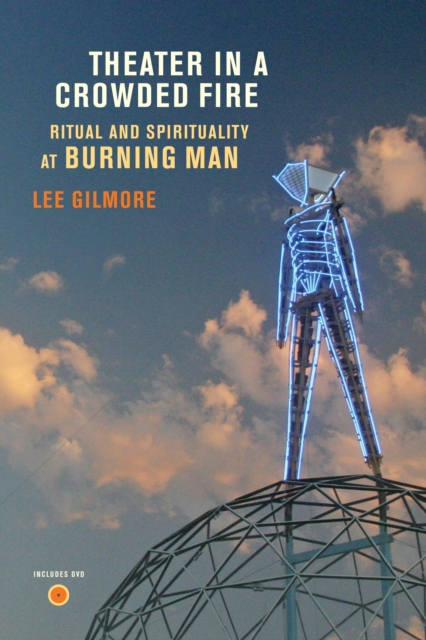
Every summer, thousands gather from around the world in the blistering heat of Nevada's Black Rock Desert for the seven-day celebration of art, community, and fire known as Burning Man.
The Arts and the Definition of the Human introduces a novel theory that our selves-our thoughts, perceptions, creativity, and other qualities that make us human-are determined by our place in history, and more particularly by our culture and language.
This insightful book tracks the concept of culture across a range of scholarly disciplines and much of the twentieth and early twenty-first centuries-years that saw the emergence of new fields and subfields (cultural studies, the new cultural history, literary new historicism, as well as ethnic and minority studies) and came to be called "e;the cultural turn.
This sweeping, richly evocative study examines the origins and legacies of a flourishing captive exchange economy within and among native American and Euramerican communities throughout the Southwest Borderlands from the Spanish colonial era to the end of the nineteenth century.
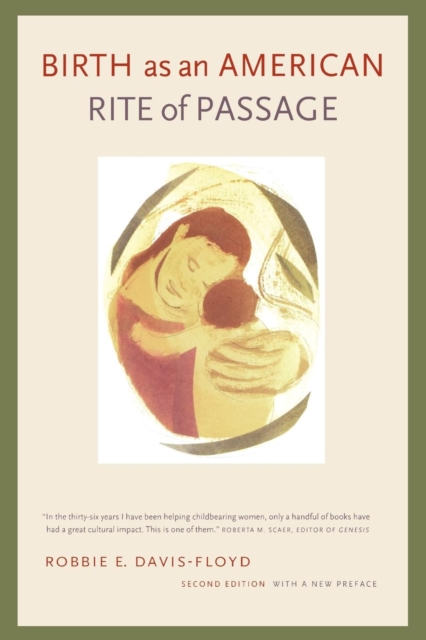
Why do so many American women allow themselves to become enmeshed in the standardized routines of technocratic childbirth--routines that can be insensitive, unnecessary, and even unhealthy?
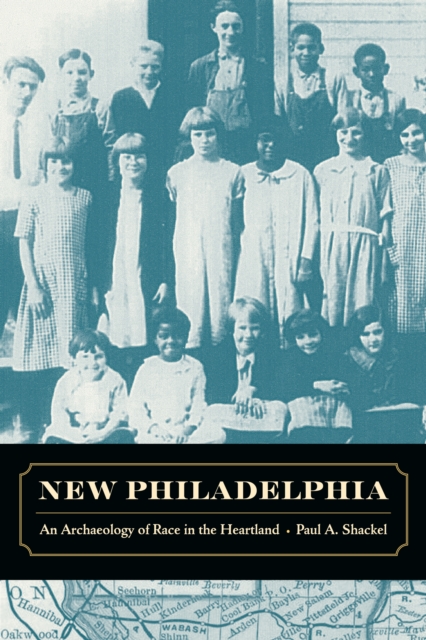
New Philadelphia, Illinois, was founded in 1836 by Frank McWorter, a Kentucky slave who purchased his own freedom and then acquired land on the prairie for establishing a new-and integrated-community.
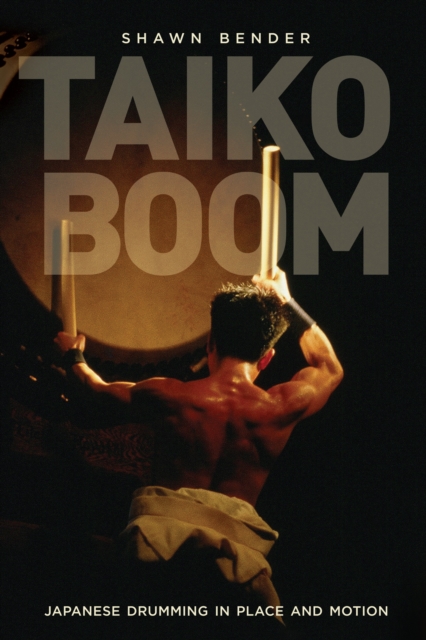
With its thunderous sounds and dazzling choreography, Japanese taiko drumming has captivated audiences in Japan and across the world, making it one of the most successful performing arts to emerge from Japan in the past century.
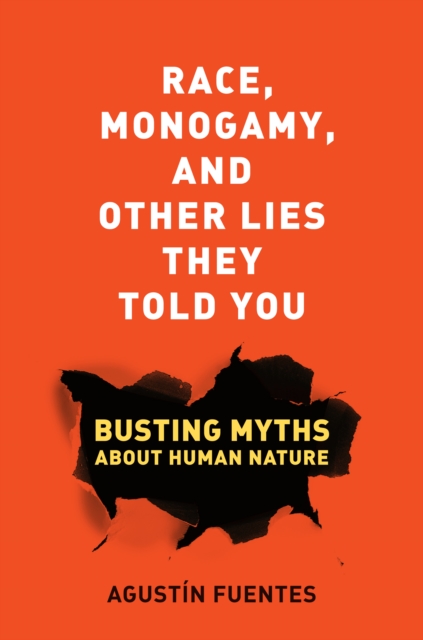
There are three major myths of human nature: humans are divided into biological races; humans are naturally aggressive; men and women are truly different in behavior, desires, and wiring.
In this powerful, compassionate work, one of anthropology's most distinguished ethnographers weaves together rich fieldwork with a compelling critical analysis in a book that will surely make a signal contribution to contemporary thinking about violence and how it affects everyday life.
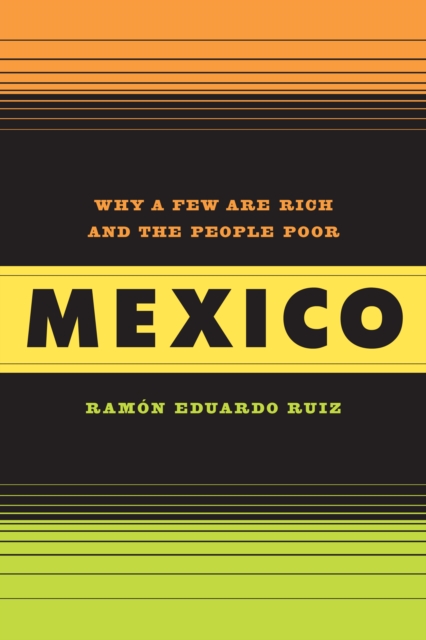
Explicitly focusing on the malaise of underdevelopment that has shaped the country since the Spanish conquest, Ramon Eduardo Ruiz offers a panoramic interpretation of Mexican history and culture from the pre-Hispanic and colonial eras through the twentieth century.
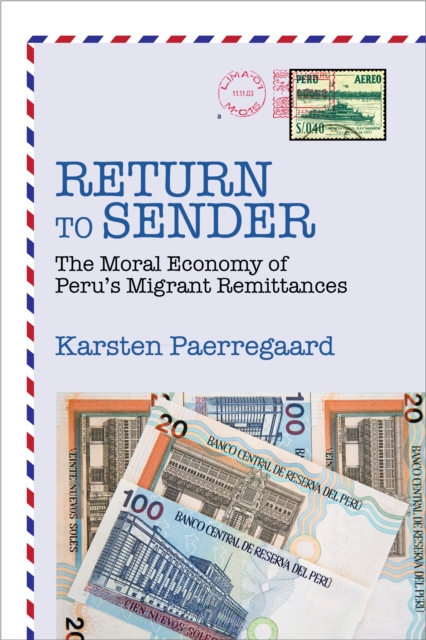
Return to Sender is an anthropological account of how Peruvian emigrants raise and remit money and what that activity means for themselves and for their home communities.
The Sociology of Development Handbook gathers essays that reflect the range of debates in development sociology and in the interdisciplinary study and practice of development.
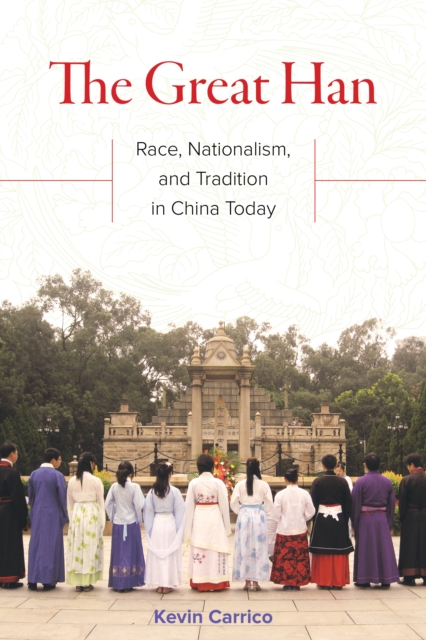
The Great Han is an ethnographic study of the Han Clothing Movement, a neotraditionalist and racial nationalist movement that has emerged in China since 2001.
This groundbreaking volume showcases the exciting work emerging from the ethnography of media, a burgeoning new area in anthropology that expands both social theory and ethnographic fieldwork to examine the way media-film, television, video-are used in societies around the globe, often in places that have been off the map of conventional media studies.
Bringing nuance, complexity, and clarity to a subject often seen in black and white, Writing Immigration presents a unique interplay of leading scholars and journalists working on the contentious topic of immigration.
Since the Arab Spring in 2011 and ISIS's rise in 2014, Egypt's Copts have attracted attention worldwide as the collateral damage of revolution and as victims of sectarian strife.
Wayward Shamans tells the story of an idea that humanity's first expression of art, religion and creativity found form in the figure of a proto-priest known as a shaman.
In recent years, global attention has focused on how women in communities of Muslims are revitalizing Islam by linking interpretation of religious ideas to the protection of rights and freedoms.
Spaces of Possibility, which arose from a 2012 conference held at the University of Washingtons Simpson Center for the Humanities, engages with spaces in, between, and beyond the national borders of Japan and Korea.