Tijuana is the largest of Mexico's northern border cities, and although it has struggled during the United States' dramatic escalation of border enforcement, it nonetheless remains deeply connected with California by one of the largest, busiest international ports of entry in the world.
Unfinished Gestures presents the social and cultural history of courtesans in South India who are generally called devadasis, focusing on their encounters with colonial modernity in the nineteenth and early twentieth centuries.
These days, the idea of the cyborg is less the stuff of science fiction and more a reality, as we are all, in one way or another, constantly connected, extended, wired, and dispersed in and through technology.
Namdev is a central figure in the cultural history of India, especially within the field of bhakti, a devotional practice that has created publics of memory for over eight centuries.
"e;The ethnography of Japan is currently being reshaped by a new generation of Japanologists, and the present work certainly deserves a place in this body of literature.
From the sixteenth to the eighteenth centuries, Europeans struggled to understand their identity in the same way we do as individuals: by comparing themselves to others.
As rich as the development of the Spanish and Portuguese languages has been in Latin America, no single book has attempted to chart their complex history.
The Darfur conflict exploded in early 2003 when two rebel groups, the Sudan Liberation Movement and the Justice and Equality Movement, struck national military installations in Darfur to send a hard-hitting message of resentment over the region's political and economic marginalization.
When Breeze FM, a radio station in the provincial Zambian town of Chipata, hired an elderly retired schoolteacher in 2003, no one anticipated the skyrocketing success that would follow.
"e;Perhaps,"e; wrote Ralph Ellison more than seventy years ago, "e;the zoot suit contains profound political meaning; perhaps the symmetrical frenzy of the Lindy-hop conceals clues to great potential power.
In Cote d'Ivoire, appearing modern is so important for success that many young men deplete their already meager resources to project an illusion of wealth in a fantastic display of Western imitation, spending far more than they can afford on brand name clothing, accessories, technology, and a robust nightlife.
Yoruba culture has been a part of the Americas for centuries, brought from Africa during the transatlantic slave trade and maintained in various forms ever since.
Designs on the Contemporary pursues the challenge of how to design and put into practice strategies for inquiring into the intersections of philosophy and anthropology.
Through a dual engagement with the unconscious in psychoanalysis and Islamic theological-medical reasoning, Stefania Pandolfo's unsettling and innovative book reflects on the maladies of the soul at a time of tremendous global upheaval.
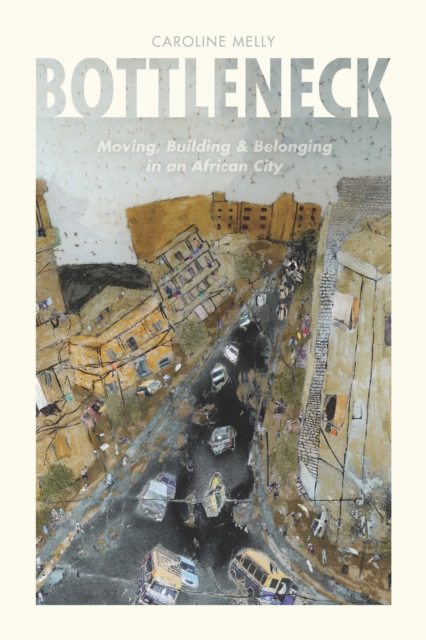
In Bottleneck, anthropologist Caroline Melly uses the problem of traffic bottlenecks to launch a wide-ranging study of mobility in contemporary urban Senegal-a concept that she argues is central to both citizens' and the state's visions of a successful future.
As social and symbolic animals-animals with language and systems of signs-humans are informed by two different kinds of heritage, one biological, the other cultural.
To do research that really makes a difference-the authors of this book argue-social scientists need questions and methods that reflect the complexity of the world.
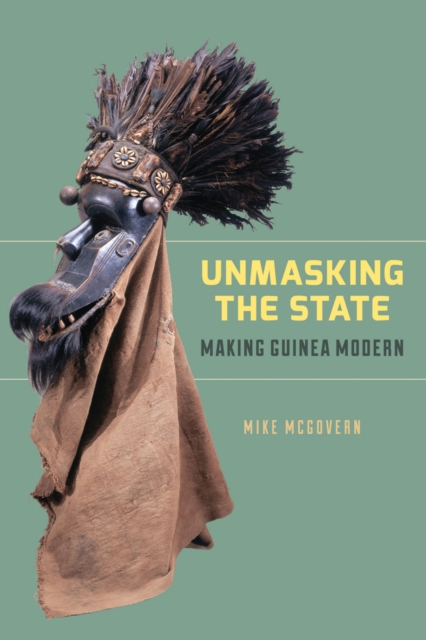
When the Republic of Guinea gained independence in 1958, one of the first policies of the new state was a village-to-village eradication of masks and other ritual objects it deemed "e;fetishes.
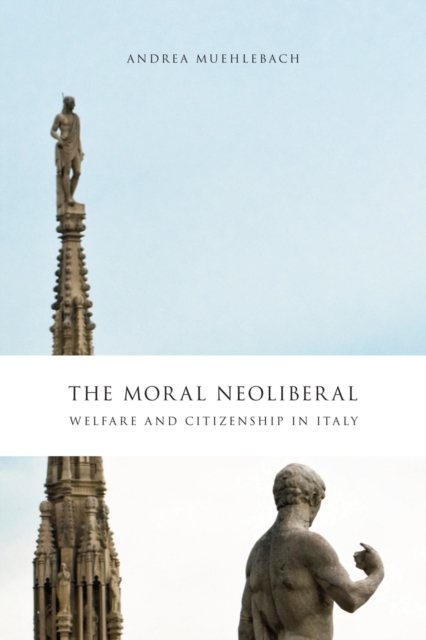
Morality is often imagined to be at odds with capitalism and its focus on the bottom line, but in The Moral Neoliberal morality is shown as the opposite: an indispensible tool for capitalist transformation.
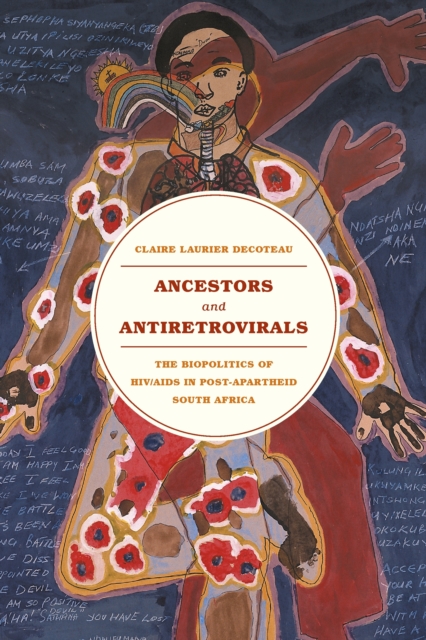
In the years since the end of apartheid, South Africans have enjoyed a progressive constitution, considerable access to social services for the poor and sick, and a booming economy that has made their nation into one of the wealthiest on the continent.
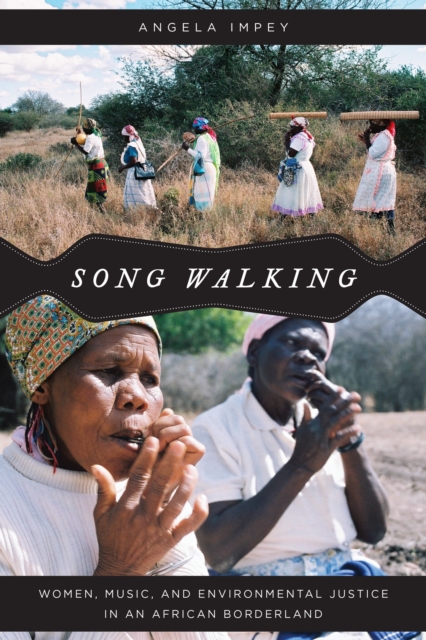
Song Walking explores the politics of land, its position in memories, and its foundation in changing land-use practices in western Maputaland, a borderland region situated at the juncture of South Africa, Mozambique, and Swaziland.
In this remarkable work by seasoned scholar Lawrence Rosen, we follow the fascinating intellectual developments of four ordinary Moroccans over the span of forty years.
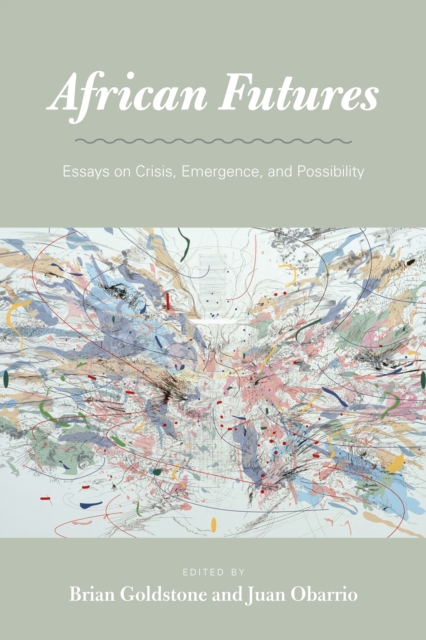
Civil wars, corporate exploitation, AIDS, and Ebola-but also democracy, burgeoning cities, and unprecedented communication and mobility: the future of Africa has never been more uncertain.