Twins Talk is an ethnographic study of identical twins in the United States, a study unique in that it considers what twins have to say about themselves, instead of what researchers have written about them.
In this classic book, Michael Taussig explores the social significance of the devil in the folklore of contemporary plantation workers and miners in South America.
After the fall of the state socialist regime and the end of martial law in 1989, Polish society experienced both a sense of relief from the tyranny of Soviet control and an expectation that democracy would bring freedom.
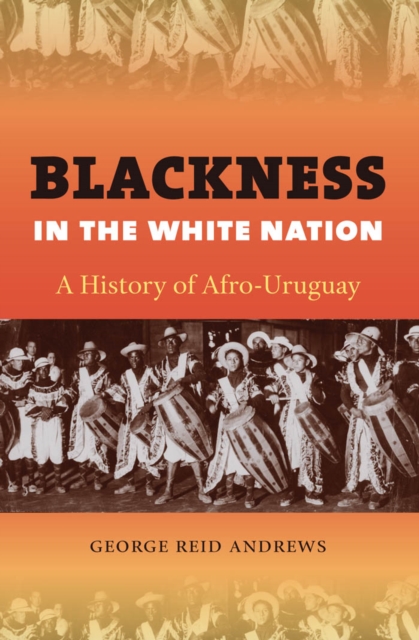
Uruguay is not conventionally thought of as part of the African diaspora, yet during the period of Spanish colonial rule, thousands of enslaved Africans arrived in the country.
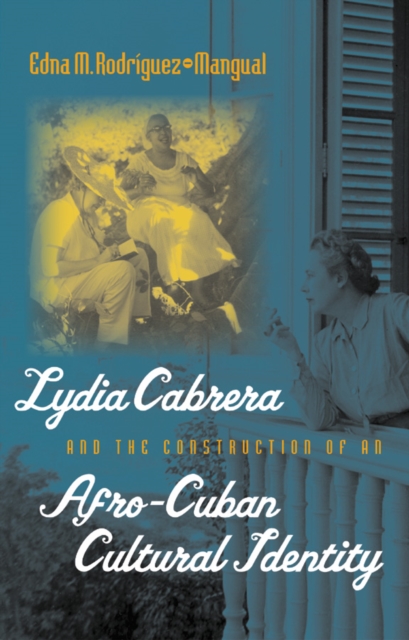
Lydia Cabrera (19001991), an upper-class white Cuban intellectual, spent many years traveling through Cuba collecting oral histories, stories, and music from Cubans of African descent.
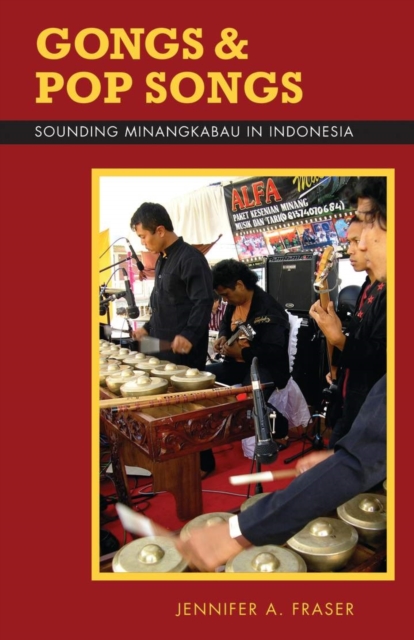
Scholarship on the musical traditions of Indonesia has long focused on practices from Java and Bali, including famed gamelan traditions, at the expense of the wide diversity of other musical forms within the archipelago.
Decades after independence for most African states, the struggle for decolonization is still incomplete, as demonstrated by the fact that Africa remains associated in many Western minds with chaos, illness, and disorder.
This collection of essays represents the first attempt in this country to examine systematically the nature and development of modern Japanese self-consciousness as expressed through culture.
Recent insights into the nature of representation and power relations have signaled an important shift in perspective on anthropology: from a fieldwork-based "e;science"e; of culture to an interpretive activity bound to the discursive and ideological process called "e;text-making.
An utterly gripping non-fiction adventure narrative, 'Lost in Shangri-La' is an untold true story of war, anthropology, survival, discovery, heroism, and a near-impossible rescue mission.
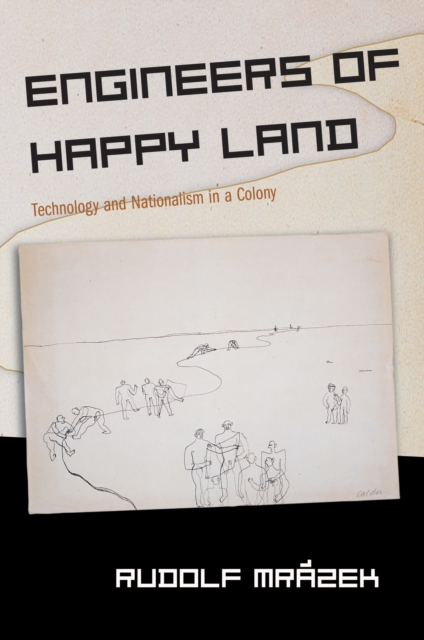
Based on close reading of historical documents--poetry as much as statistics--and focused on the conceptualization of technology, this book is an unconventional evocation of late colonial Netherlands East Indies (today Indonesia).
Comparison with stationary and very fast rates of population growth shows modern population grwoth to have long-run positive effects on the standards of living.
We cannot, the author argues, adequately understand the religious imagination without knowing the historical, social, and cultural matrices from which it arises.
Women in contemporary Greek society have been conventionally depicted as oppressed and socially inferior, circumscribed in behavior and segregated from the world of men.
When Mary Steedly went to North Sumatra, Indonesia, she intended to study the curing practices of Karo Batak spirit mediums, the gurus who keep a community in touch with its ancestors.
If, as many cultural critics have asserted, the world is becoming more like the Caribbean, then the task of charting what we mean by "e;the Caribbean"e; is an urgent one.
One of the first things any visitor to Barbados notices is Barbadian youths wearing baseball caps and T-shirts sporting the logos of North American teams; and these days, one is more likely to find an American sitcom on television than a Caribbean program.
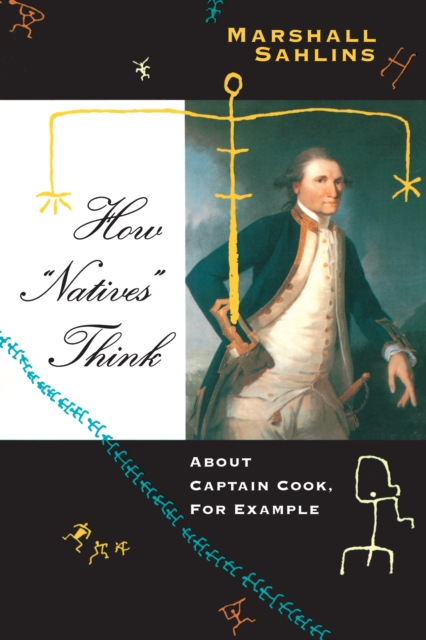
"e;The main thrust of this book is to deliver a major critique of materialist and rationalist explanations of social and cultural forms, but the in the process Sahlins has given us a much stronger statement of the centrality of symbols in human affairs than have many of our 'practicing' symbolic anthropologists.
This anthology foregrounds the complex interplay of artistic production, material conditions, and political conjuncture in East Roman Empire and the wider Orthodox Commonwealth.
Reorganizing the agricultural sector into large-scale state and collective farms was the most radical transformation of economic institutions implemented by Marxist governments.
Adolescence, Identity, and the Politics of Recognition in the Social Media Era explores the political identity formation of adolescents online, with a focus on recognition theory, affect, and lived experiences of belonging and non-belonging.