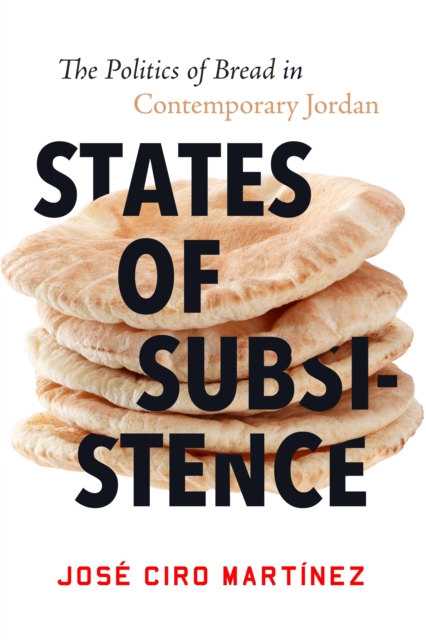
On any given day in Jordan, more than nine million residents eat approximately ten million loaves of khubz 'arabi-the slightly leavened flatbread known to many as pita.
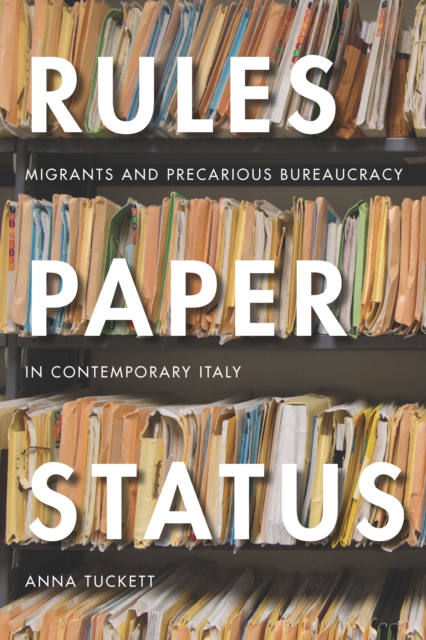
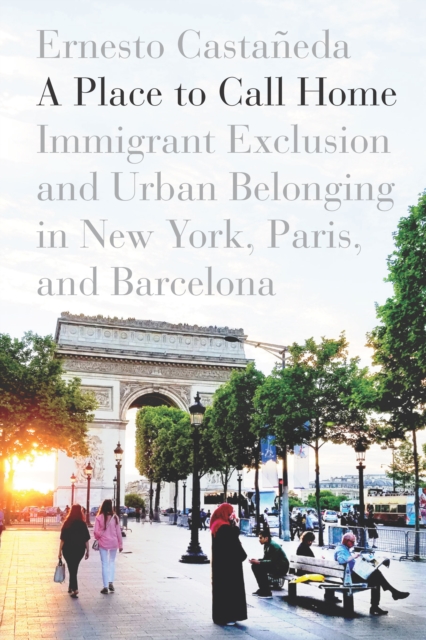
Whether motivated by humanitarianism or concern over "e;porous"e; borders, dominant commentary on migration in Europe has consistently focused on clandestine border crossings.
Palestinians living on different sides of the Green Line make up approximately one-fifth of Israeli citizens and about four-fifths of the population of the West Bank.
In contemporary accounts of the Shining Path insurgency and Peru's internal war, the Upper Huallaga Valley has largely been overlooked-despite its former place as the country's main cocaine-producing region.
The 1923 Greek-Turkish population exchange forcibly relocated one and a half million people: Muslims in Greece were resettled in Turkey, and Greek Orthodox Christians in Turkey were moved to Greece.
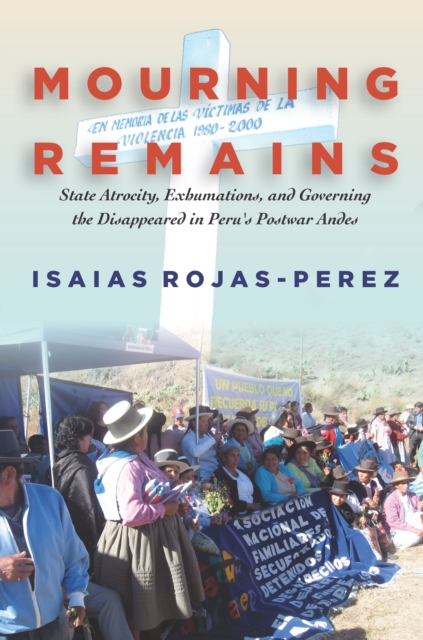
Mourning Remains examines the attempts to find, recover, and identify the bodies of Peruvians who were disappeared during the 1980s and 1990s counterinsurgency campaign in Peru's central southern Andes.
Although translations and interpretations of the Tao te Ching abound and new editions are released yearly, few accomplish the hard work of linking and bridging the Tao's profound message to the needs of modern readers.
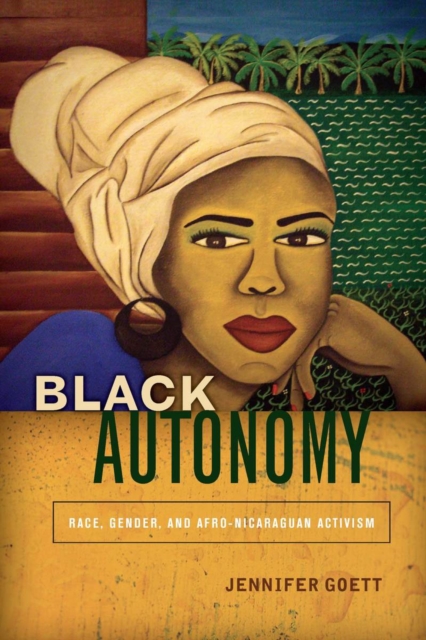
Decades after the first multicultural reforms were introduced in Latin America, Afrodescendant people from the region are still disproportionately impoverished, underserved, policed, and incarcerated.
In Mexican American communities in the central United States, the modern tradition of playing fastpitch softball has been passed from generation to generation.
In the poorest neighborhoods of Santiago, Chile, low-income residents known as pobladores have long lived at the margins-and have long advocated for the right to housing as part of la vida digna (a life with dignity).
An important contribution to the still evolving field of 'urban cultural studies,' Henri Lefebvre and the Spanish Urban Experience is the first book to thoroughly apply the French urban philosopher's thoughts on cities to the culture and literature of Spain.
Women in Fundamentalism examines the striking similarities in three extreme fundamentalist religious communities in their views about and treatment of women.
Introducing readers to debates underpinning the uses of visual technology in educational ethnography, this book takes actual research projects across different country contexts to discuss how research designs can use visual technology in educational ethnography; to show connections between theory, method and research problems.
The Spanish Civil War left a legacy of destruction, resentment and deep ideological divisions in a country that was attempting to recover from economic stagnation and social inequality.
For several decades people have been grappling with how to retain the material safety and cultural richness of indigenous non-capitalist societies and economies, but also gain the health, wealth, education and life opportunities the modern capitalist world offers.
This thirty fourth volume in the REA series contains fourteen chapters by a variety of researchers touching on a wide range of topics in economic anthropology and covering a vast geographical area.