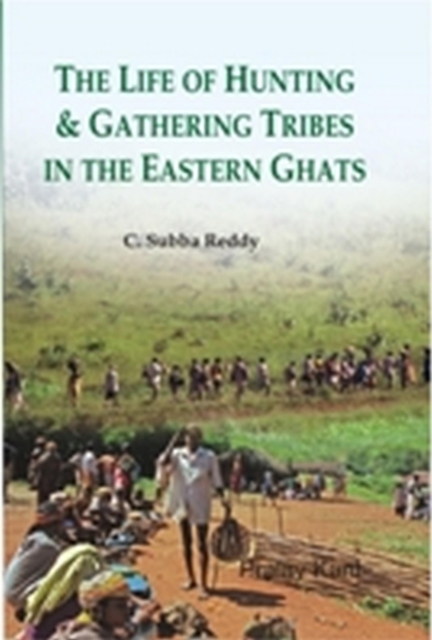
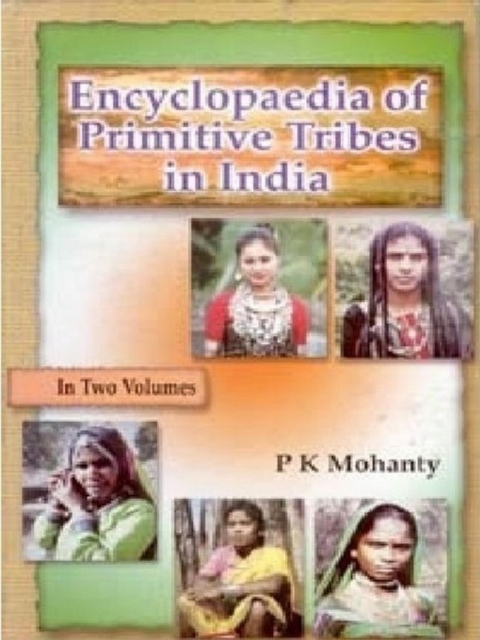
The present study has been conducted among the Chenchu, one of the most primitive hunting and gathering tribes in India, dwelling in the Eastern Ghats of Andhra Pradesh, with a view : (a) to understand the critical features of the physical environment, distribution and seasonal availability of the floral, faunal and water resources, constraits, (b) to understand the knowledge and various uses of the forest produce, the extent of dependence and conservation practices, (c) to estimate the flow of the biomass at Chenchu household level, (d) and the comparison in the usage of biomass between the Chenchu households, and the rural agro-households, (e) to estimate the monitory value of the forest resources used by the Chenchus, (f) to understand the cultural perceptions and traditional knowledge of the Chenchus regarding the world view, forest, living and non-living organisms, (g) and the institutional arrangement in terms of rules and regulations concerning the conservation and utilization of forest resources, property rights, social organization, the territorial rights, the user rights on certain resources in order to prevent the over-exploitation of the resources, (h) and coping mechanisms to the physical constraints.
One interesting feature of tribal history in India is the number of revolts and uprisings that have taken place as a result of the tribal peoples attempts to fight injustice, oppression and exploitation.
The present study has been conducted among the Chenchu, one of the most primitive hunting and gathering tribes in India, dwelling in the Eastern Ghats of Andhra Pradesh, with a view : (a) to understand the critical features of the physical environment, distribution and seasonal availability of the floral, faunal and water resources, constraits, (b) to understand the knowledge and various uses of the forest produce, the extent of dependence and conservation practices, (c) to estimate the flow of the biomass at Chenchu household level, (d) and the comparison in the usage of biomass between the Chenchu households, and the rural agro-households, (e) to estimate the monitory value of the forest resources used by the Chenchus, (f) to understand the cultural perceptions and traditional knowledge of the Chenchus regarding the world view, forest, living and non-living organisms, (g) and the institutional arrangement in terms of rules and regulations concerning the conservation and utilization of forest resources, property rights, social organization, the territorial rights, the user rights on certain resources in order to prevent the over-exploitation of the resources, (h) and coping mechanisms to the physical constraints.
From its prehistory in the biological theories of racial difference formulated in the 1800s to its current position in academic debate, Richard Rees investigates the diverse fields of scholarship from which the multifaceted understanding of the term ethnicity is derived.
One interesting feature of tribal history in India is the number of revolts and uprisings that have taken place as a result of the tribal peoples attempts to fight injustice, oppression and exploitation.
Is anthropology simply a continuation of colonial domination and cultural imperialism by other means, or has it--since its nineteenth-century rebirth as a purportedly scientific discipline--produced reliable knowledge about the cultures it studies?
Is anthropology simply a continuation of colonial domination and cultural imperialism by other means, or has it--since its nineteenth-century rebirth as a purportedly scientific discipline--produced reliable knowledge about the cultures it studies?
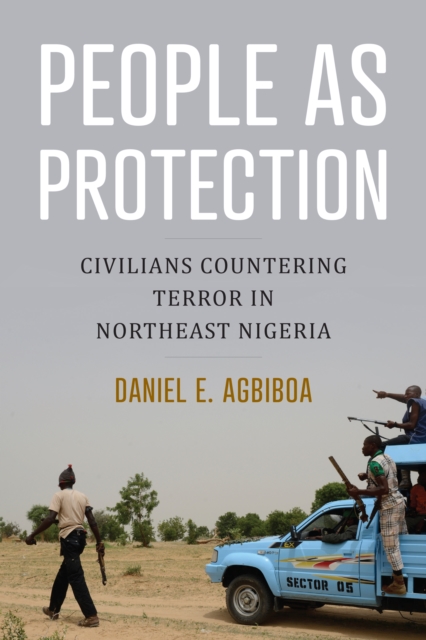
Explores the complex and underappreciated role of civilian self-defense groups in northeastern Nigeria during the Boko Haram insurgencyPeople as Protection is a groundbreaking exploration of the complex and underappreciated role of civilian self-defense groups in northeastern Nigeria during the Boko Haram insurgency, particularly the Civilian Joint Task Force (CJTF).
Explores the complex and underappreciated role of civilian self-defense groups in northeastern Nigeria during the Boko Haram insurgencyPeople as Protection is a groundbreaking exploration of the complex and underappreciated role of civilian self-defense groups in northeastern Nigeria during the Boko Haram insurgency, particularly the Civilian Joint Task Force (CJTF).
The story of extraordinarily ordinary life on Lampedusa, an island in the Mediterranean and the southernmost frontier of undocumented migration to EuropeHope amid Despair tells the story of life on Lampedusa, a small island in the central Mediterranean and the southernmost frontier of irregular and undocumented migration to Europe, or what is often referred to as Europe's "e;refugee crisis.
An intimate meditation on aging and dying in exile among elderly Tibetans in Dharamsala, IndiaIn a Tibetan saying, the journey of life is likened to a climb up to a mountain pass.
Why Muslims in South India observe hierarchical intra-communal relationships despite the egalitarianism of their religionIn Seeking Allah's Hierarchy, P.
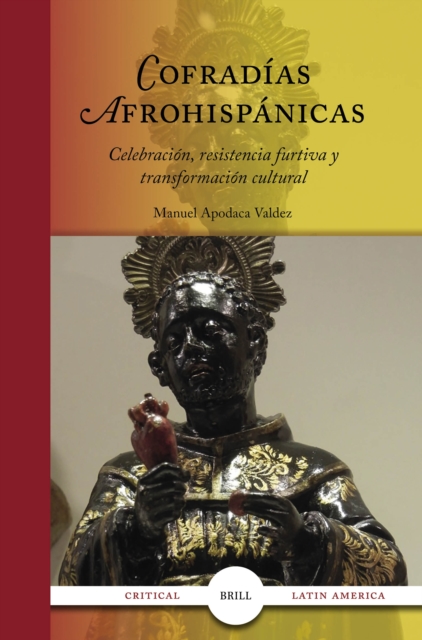
En Cofradias Afrohispanicas: celebracion, resistencia furtiva y transformacion cultural, Manuel Apodaca Valdez ofrece un estudio de 42 cofradias de afrodescendientes del periodo colonial y seis cofradias contemporaneas aun vivas en cuatro zonas geograficas: Espana, Peru, Mexico y Republica Dominicana.
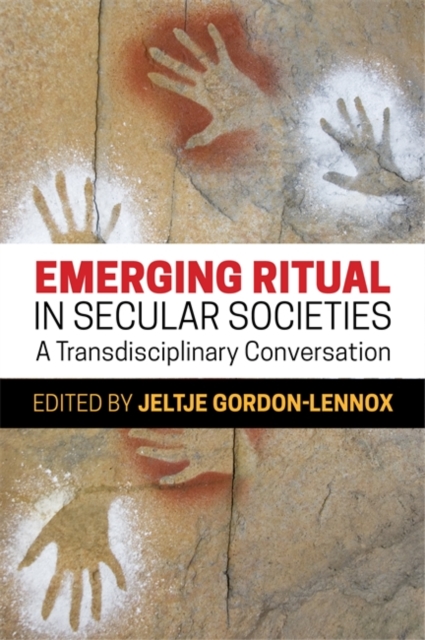
The growing absence of meaningful ritual in contemporary Western societies has led to cohesive research on the history of ritualizing behaviour in different cultures.
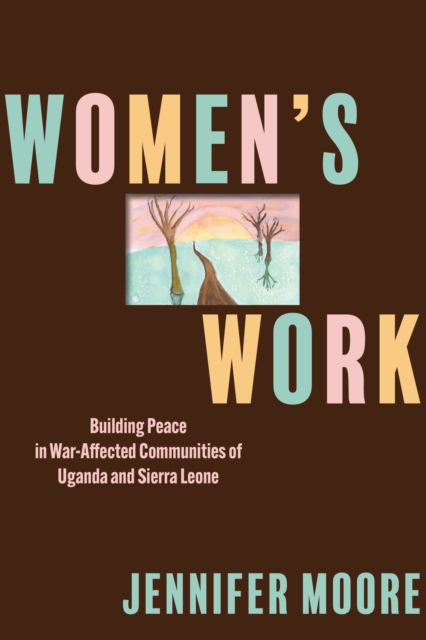
When women have full socioeconomic citizenship as well as equitable and respectful partnerships with men, transformative justice can be sustained in postconflict societiesIn Women's Work, Jennifer Moore presents a reimagined theory of peacebuilding and transformative justice based on the experiences and insights of women farmers and microentrepreneurs who lived through protracted civil conflicts, drawing on seven years of interviews with women activists across ten communities-five in the Acholi region of Northern Uganda and five in the Moyamba and Koinadugu Districts of Sierra Leone.
In this edited collection, institutional ethnographers draw on their field research experiences to address different aspects of institutional ethnographic practice.
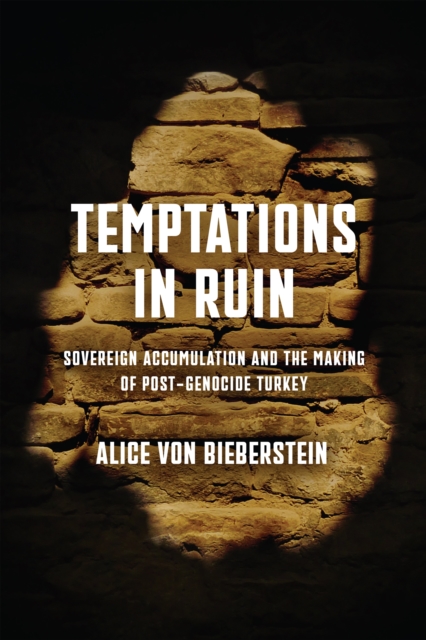
An ethnographic account of the political-economic afterlife of the Armenian genocide in present-day TurkeyTemptations in Ruin examines the political-economic afterlife of the Armenian genocide in present-day Turkey, focusing on the region of Mus (Moush).
The most important classical text of Chinese Medicine, The Yellow Emperor's Classic of Chinese Medicine is often seen as daunting by students who are faced with a variety of different translations, of which some may not be reliable.