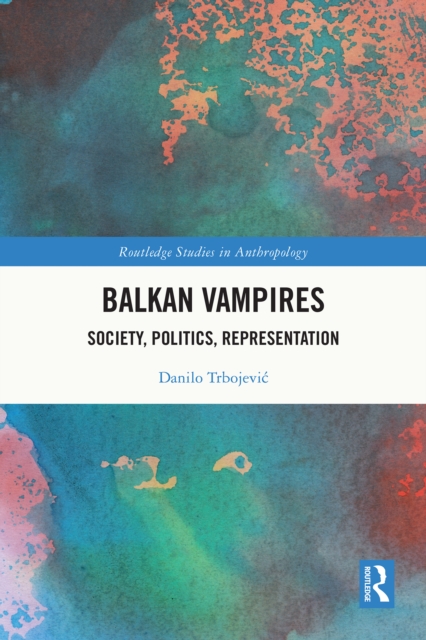
Balkan Vampires examines how vampire motifs from Balkan folklore have permeated modern sociocultural and political realms, exploring their role in rural traditions and transformation under global influences.
Gender, Sexuality, and Traditional Aphrodisiacs: Kayan Mata and Intimate Relationships in Nigeria explores how Nigerian women use traditional aphrodisiacs, known as kayan mata, to navigate intimacy, power, and survival in a rapidly evolving society.
Balkan Vampires examines how vampire motifs from Balkan folklore have permeated modern sociocultural and political realms, exploring their role in rural traditions and transformation under global influences.
Gender, Sexuality, and Traditional Aphrodisiacs: Kayan Mata and Intimate Relationships in Nigeria explores how Nigerian women use traditional aphrodisiacs, known as kayan mata, to navigate intimacy, power, and survival in a rapidly evolving society.
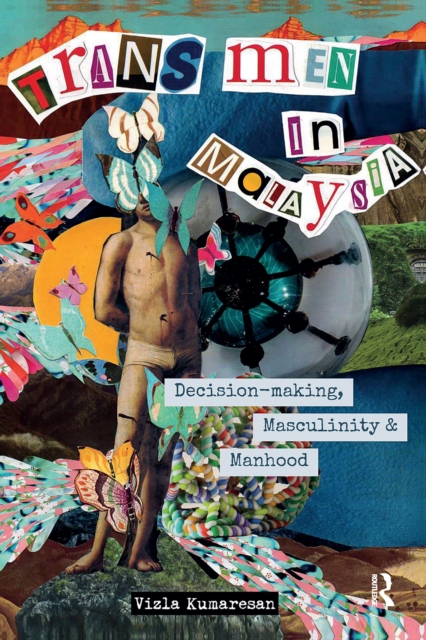
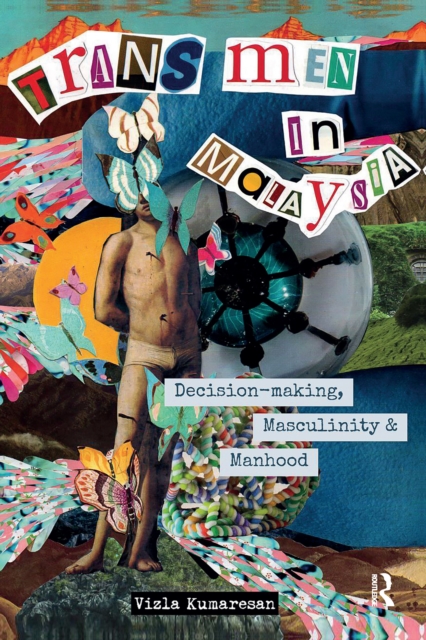
Cutting across the disciplines of trans gender studies and psychology, this book examines the psychological decision-making process behind twenty-three Malaysian trans men's journeys navigating masculinity from childhood through adulthood.
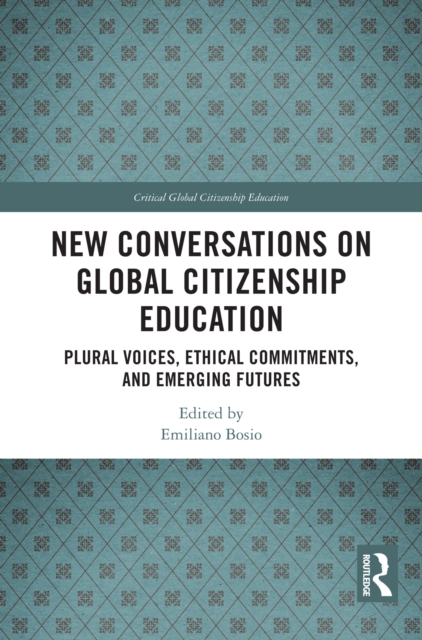
New Conversations on Global Citizenship Education explores the multifaceted aspects of global citizenship education (GCE) in the context of contemporary university research, teaching and learning.
Cutting across the disciplines of trans gender studies and psychology, this book examines the psychological decision-making process behind twenty-three Malaysian trans men's journeys navigating masculinity from childhood through adulthood.
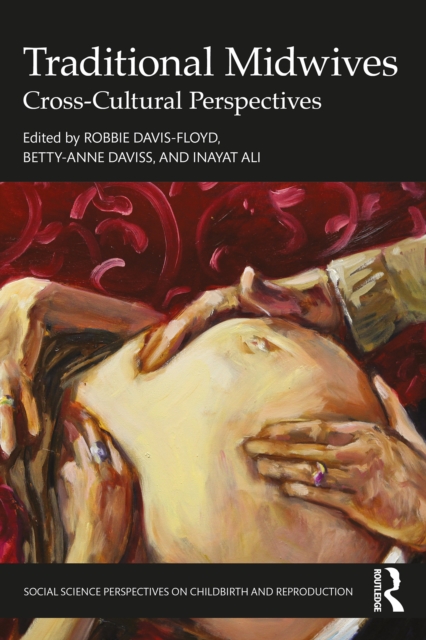
Traditional Midwives: Cross-Cultural Perspectives is a pioneering work that delves deeply into the worlds of traditional midwives, shedding light on their practices, roles, and the immense cultural value they hold within their respective communities wherever they are still allowed to practice.
Traditional Midwives: Cross-Cultural Perspectives is a pioneering work that delves deeply into the worlds of traditional midwives, shedding light on their practices, roles, and the immense cultural value they hold within their respective communities wherever they are still allowed to practice.
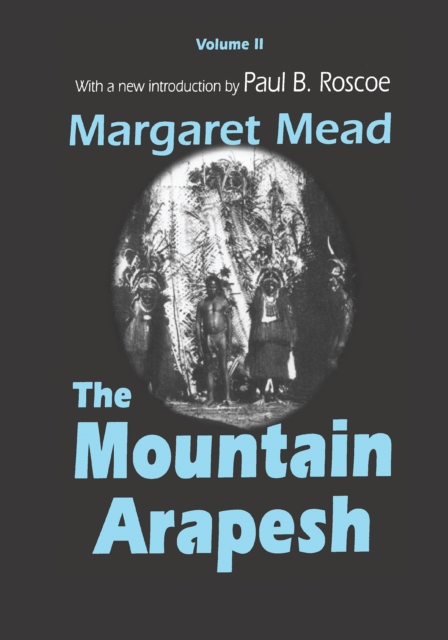
For approximately eight months during 1931-1932, anthropologist Margaret Mead lived with and studied the Mountain Arapesh-a segment of the population of the East Sepik Province, Papua New Guinea.
Amidst rising global inequality, intensifying geopolitical frictions, and the renewed force of colonial logics, this volume offers a critical interrogation of coloniality, decolonial practices, global capitalism, and the technologies of governance that entrench social and environmental injustice.
This timely volume critically examines the influence of compulsory education and high-pressure school environments on the mental well-being of adolescents, using a participatory approach to encourage a deeper understanding of adolescents' real-life experiences of contemporary learning and achievement in schools.
This book examines the varieties of continuity and change evident in the development of contemporary Chinese society's attitudes and practices related to gender, intimacy, and class.
This book examines how members of the South Asian diaspora-one of the world's largest diasporic communities-forge complex, hybrid identities at the intersection of homeland traditions and host society influences.
This book examines how moralities of distribution and redistribution operate and intertwine in everyday African economic life, enhancing current understandings of capitalism on the continent.
Mythistory and Memory in Kaziranga explores the cultural and ecological heritage of Kaziranga National Park through the oral traditions of the Karbi people, centering on the mythical figure of Kajir Ronghangpi.
Quechua, with nearly ten million speakers living primarily across the Andes, stands as the most widely spoken Indigenous language of the Americas today.
For approximately eight months during 1931-1932, anthropologist Margaret Mead lived with and studied the Mountain Arapesh-a segment of the population of the East Sepik Province, Papua New Guinea.
This book explores the multispecies triad of cattle ranching, focusing on how humans, horses, and cattle meet, interact, and shape a common multispecies culture.
Amidst rising global inequality, intensifying geopolitical frictions, and the renewed force of colonial logics, this volume offers a critical interrogation of coloniality, decolonial practices, global capitalism, and the technologies of governance that entrench social and environmental injustice.
Originally published in 1982, Housing and Identity: Cross-Cultural Perspectives represents an attempt by scholars in a number of different disciplines to bring a common social-psychological perspective to bear on the study of the house and its relation to the self and the nature of the social order.
For approximately eight months during 1931-1932, anthropologist Margaret Mead lived with and studied the Mountain Arapesh-a segment of the population of the East Sepik Province, Papua New Guinea.
This book examines the identification choices of a group of biracial college women and explores how these identifications relate to their choices and constructions of different social contexts.
Mi segunda piel, escrito por Alejandro Villanueva Bustos y David Leonardo Quitián Roldán, se presenta como un testimonio polifónico y visual que explora el fenómeno de las barras de fútbol en Colombia y otras regiones latinoamericanas.
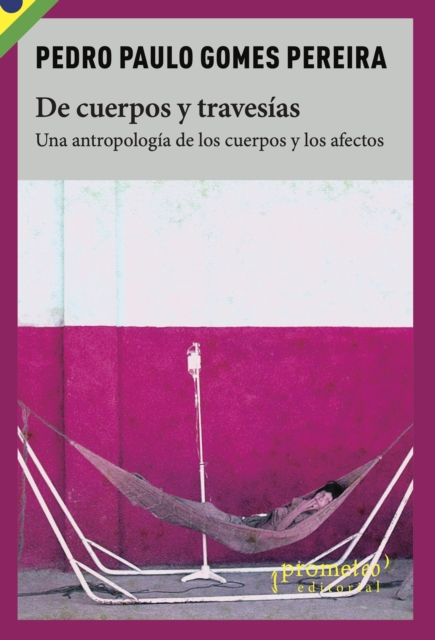
Quiero imaginar De cuerpos y travesías de esta manera: como un libro-experiencia, que revela algo de mis investigaciones en curso, no solo subrayando mis indagaciones y movimientos, sino también registrando las transformaciones por las que pasé; en cierta forma, trazando una cartografía de afecciones y afectos.
This book explores the multispecies triad of cattle ranching, focusing on how humans, horses, and cattle meet, interact, and shape a common multispecies culture.
This book examines how moralities of distribution and redistribution operate and intertwine in everyday African economic life, enhancing current understandings of capitalism on the continent.
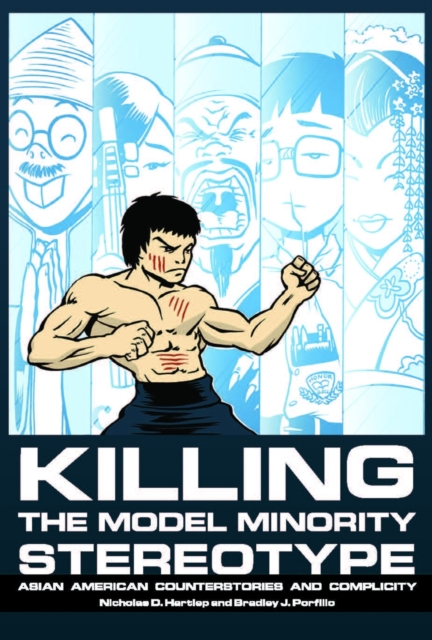
Killing the Model Minority Stereotype comprehensively explores the complex permutations of the Asian model minority myth, exposing the ways in which stereotypes of Asian/Americans operate in the service of racism.
Filipino Americans have a long and rich history with and within the United States, and they are currently the second largest Asian group in the country.
This book examines the identification choices of a group of biracial college women and explores how these identifications relate to their choices and constructions of different social contexts.