Addressing broad issues of production, distribution, and consumption, the seven essays in this volume introduce readers to anthropological work in food policy.
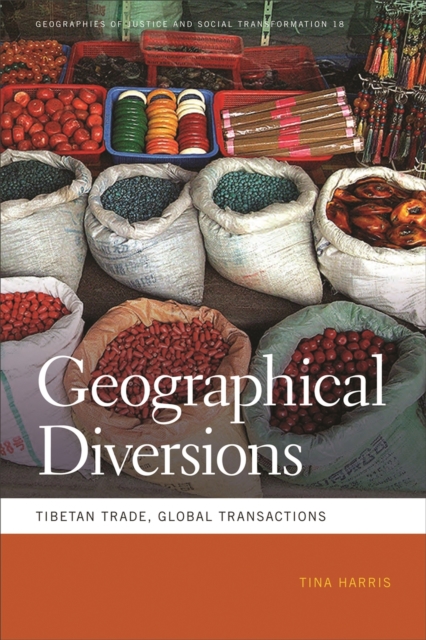
Working at the intersections of cultural anthropology, human geography, and material culture, Tina Harris explores the social and economic transformations taking place along one trade route that winds its way across China, Nepal, Tibet, and India.
This book aims at explaining romantic love between straight adults through literary texts of the western canon from the nineteenth and twentieth century.
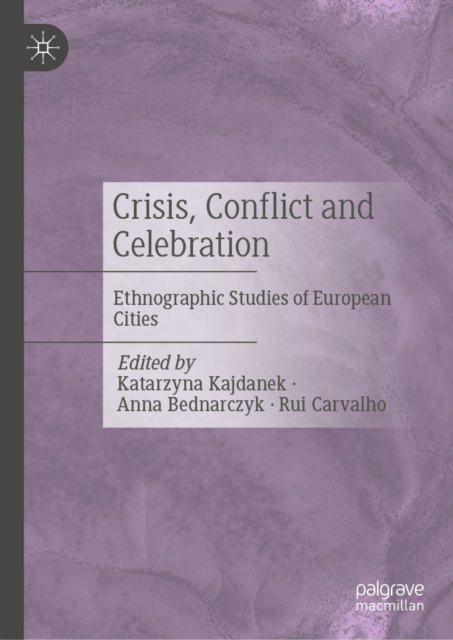
This book illuminates how the profound challenges faced by contemporary societies over the past few decades, encompassing climate change and other environmental risks, global health threats, warfare, and mass migration, manifest themselves in European cities.
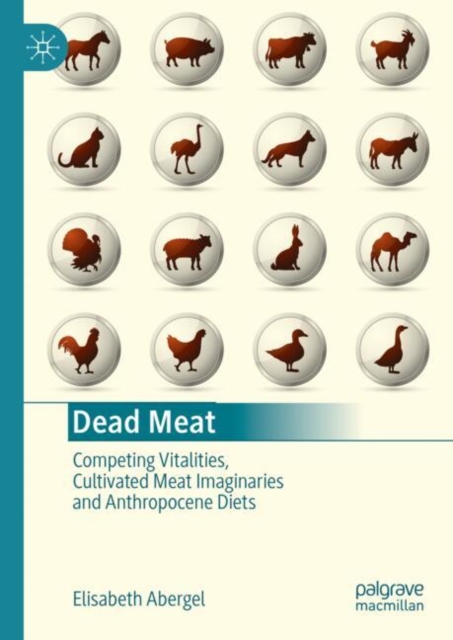
As we confront the environmental challenges of the Anthropocene, cellular agriculture has emerged as a revolutionary technology promising to reshape global food systems.
Taking the Goki-Shichido (Five Home Provinces and Seven Circuits of Ancient Japan) as a theoretical framework, this book examines shrinking Japan from a regional variation perspective by municipality along the ancient Sannyodo, which comprises eight provinces and four prefectures today.
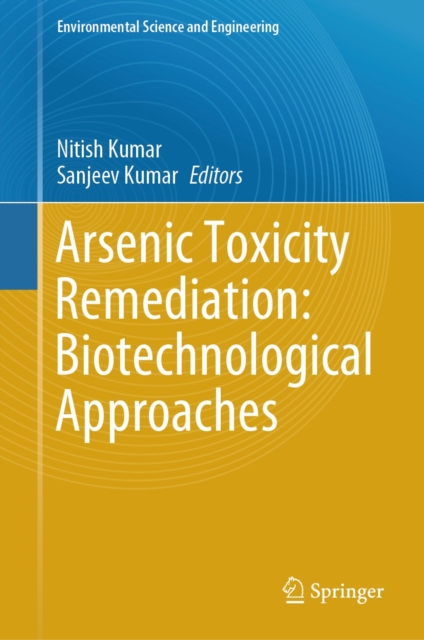
This edited book brings together a diverse group of environmental science, sustainability, and health researchers to address the challenges posed by global mass poisoning caused by chromium contamination of soil and plants.
Spatial Futures invites readers to imagine power and freedom through the lens of the 'Black Outdoors', a transdisciplinary spatial concept that operates beyond the planetary, stratigraphic confines of the 'Anthropocene'.
This book explores the enduring significance of sacred landscapes in an increasingly globalized world, with a particular focus on the Christian sacred landscape and its connection to pilgrimage and rituals.
This book explores the concepts and practices of participation and community engagement in cultural heritage, examining the impact of the participatory turn in the heritage sector and the key opportunities and challenges it presents.
In a compelling scholarly journey, this book unfolds the intricate narratives of human progress and its environmental repercussions catalyzed by the Industrial Revolution.
This book offers a political anthropological discussion of our contemporary situation regarding sceptical attitudes towards scientific expertise and authority, and the increasing role of power and politics.
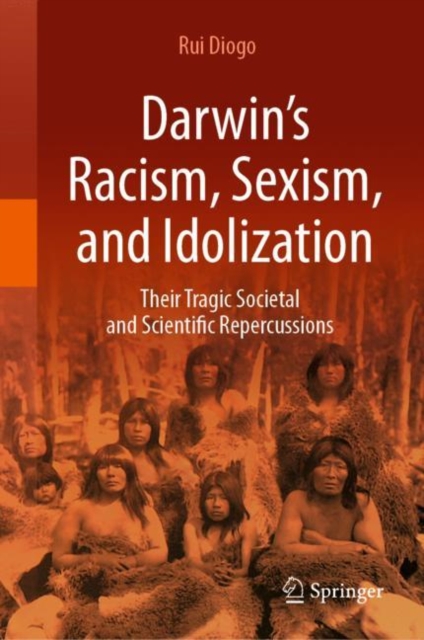
In this book Diogo, a renowned biologist and anthropologist, addresses a question that is critical for the understanding of science, beliefs, idolization, systemic racism and sexism, and our societies in general: why has Darwin been idolized in such a unique way, particularly by Western scholars?
In this book Diogo, a renowned biologist and anthropologist, addresses a question that is critical for the understanding of science, beliefs, idolization, systemic racism and sexism, and our societies in general: why has Darwin been idolized in such a unique way, particularly by Western scholars?
Philosophical thinking allows itself to be nourished by seemingly non-committal exercises of thought but at the same time seeks forms of irrefutable knowledge.
This book addresses the health status of both mothers and children, highlighting acute malnutrition through anthropometric indices such as weight-for-height, weight-for-age, height-for-age, and BMI.
This book delivers an outline to graduate, undergraduate students, and researchers, as well as academicians who are working on lead toxicity with respect to remediation.
La magia, como un elemento disruptivo, que ensancha el marco perceptivo, epistemico o cognoscitivo del hombre, ha estado presente tambien en sus manifestaciones artisticas.
This book provides an account of the origins and development of iconic and symbolic representations in our evolutionary lineage, the hominis, and of the cognitive capacities and brain structures that support such a development.
Decolonization as World Counterculture captures the underlying conditions of the rise of post- and decolonial theories by asking how we arrived at this moment when decolonial arguments seem to be everywhere and yet not enough.
This book offers an unprecedented exploration of Greece's immigration detention system, uncovering its hidden histories, systemic violence, and the struggles of those confined within its walls.
This book offers a cross-civilizational and interdisciplinary approach to the Belt and Road Initiative (BRI) research to mitigate the problematiques of extant literature.
How to Craft Autoethnography is a comprehensive and engaging guide to the art and science of autoethnography, a qualitative research method that blends personal narrative with cultural analysis.
How to Craft Autoethnography is a comprehensive and engaging guide to the art and science of autoethnography, a qualitative research method that blends personal narrative with cultural analysis.