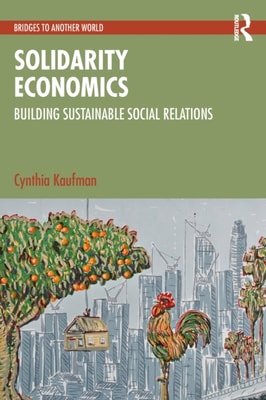
The writings of Karl Marx (1818-1883) have left an indelible mark not only on the understanding of economics and political thought but on the lives of millions of people who lived in regimes that claimed (wrongly) his influence.
First published in 1984, Human Nature and Biocultural Evolution aims to delineate a theory of human nature, viewed as an interrelated set of genetically programmed behavioral predispositions, and a theory of biocultural evolution.
This book situates sociological research as a vital tool for understanding, and responding to, the multispecies entanglements that cause, inform and arise from states of crisis involving the environment, climate and zoonotic disease transmission.
This fourth volume of The Class Structure of Capitalist Societies finishes the series by exploring how class infuses people's past and present efforts to juggle family, work and leisure.
Inequalities of opportunity affect a person's life expectancy and access to basic services and human rights through discrimination, abuse, and lack of access to justice.
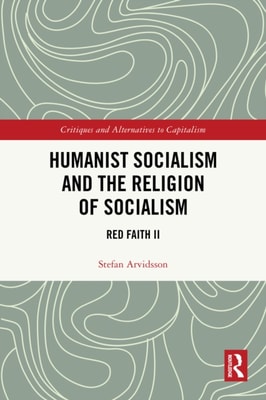
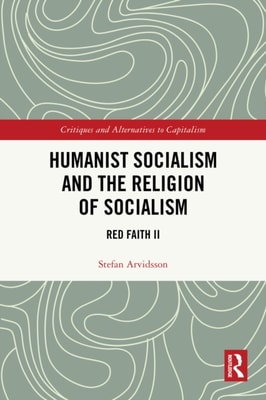
This book explores the historical relationships between socialist ideologies and religious or secular beliefs and cultures that shape the modern socialist.
This book proposes a new approach to the sociology of knowledge, providing a cross-section of some of the major theories that have influenced and continue to influence the field.
This book proposes a new approach to the sociology of knowledge, providing a cross-section of some of the major theories that have influenced and continue to influence the field.
The Therapeutic Afterlife: Spirituality and the New Sacred provides a compelling and original analysis of how contemporary self-help literature is transforming our ideas about God, the soul, and life after death.
Trade Fetishism argues that "e;trade"e; not only meets material goals, but also simultaneously works as a fantasy that seeks to satisfy and soothe our unconscious desires and anxieties.
This book explores the historical relationships between socialist ideologies and religious or secular beliefs and cultures that shape the modern socialist.
The Therapeutic Afterlife: Spirituality and the New Sacred provides a compelling and original analysis of how contemporary self-help literature is transforming our ideas about God, the soul, and life after death.
Trade Fetishism argues that "e;trade"e; not only meets material goals, but also simultaneously works as a fantasy that seeks to satisfy and soothe our unconscious desires and anxieties.
This book is in honour of the late sociologist Ken Plummer - a remarkable scholar whose work transformed several fields, from his early writing on symbolic interactionism, stigma, and sexualities, through methodological innovations that have underpinned the 'narrative turn', to his explorations of citizenship and humanism.
This book highlights and explores in depth the moral and conceptual problems invoked by the continued use of "e;blackness"e; and "e;black"e; as modern identity realities for continental and diaspora Africans (CADA).
This book highlights and explores in depth the moral and conceptual problems invoked by the continued use of "e;blackness"e; and "e;black"e; as modern identity realities for continental and diaspora Africans (CADA).
This book is in honour of the late sociologist Ken Plummer - a remarkable scholar whose work transformed several fields, from his early writing on symbolic interactionism, stigma, and sexualities, through methodological innovations that have underpinned the 'narrative turn', to his explorations of citizenship and humanism.
This is not a conventional biography but an attempt to explore the motives and intentions that underpin Talcott Parsons' published work by exploring the reasoning Parsons shares with his readers in the pages of his many published works and the possible links between Parsons' academic outputs and the social, economic and political situations in which Parsons found himself during the course of his life.
This is not a conventional biography but an attempt to explore the motives and intentions that underpin Talcott Parsons' published work by exploring the reasoning Parsons shares with his readers in the pages of his many published works and the possible links between Parsons' academic outputs and the social, economic and political situations in which Parsons found himself during the course of his life.
Originally published in 1981, The Problem of Human Needs and the Critique of Civilisation is a sociological and philosophical exploration of how human needs are understood and addressed within the framework of civilization.
Originally published in 1981, The Problem of Human Needs and the Critique of Civilisation is a sociological and philosophical exploration of how human needs are understood and addressed within the framework of civilization.
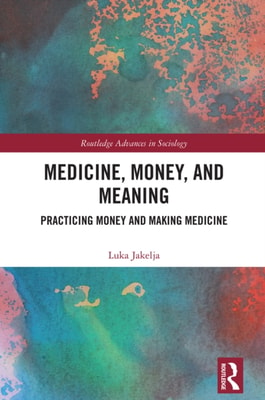
This book explores the tension between money and medicine: how it emerges, how doctors of different medical disciplines deal with it in various contexts, and what its respective consequences are.
This book explores the tension between money and medicine: how it emerges, how doctors of different medical disciplines deal with it in various contexts, and what its respective consequences are.