To date, mourning has not featured prominently in studies of ancient Roman society, and this book redresses this by presenting a comprehensive analysis of who mourners were and what mourners did, as well as investigating the social, cultural and ritual significance of mourning.
AN OPRAH BOOK CLUB PICKTHE #1 NEW YORK TIMES BESTSELLER -- FROM THE AUTHOR OF THE INTERNATIONAL BESTSELLER QUIET: THE POWER OF INTROVERTS IN A WORLD THAT CAN'T STOP TALKING"e;Amazing and profound .
THE SUNDAY TIMES BESTSELLER'Essential, clever and kind' Alain de Botton'I am a huge admirer of Julia's work' Elizabeth Day____________________In her bestselling follow-up to Grief Works and This Too Shall Pass, much-loved psychotherapist Julia Samuel invites us into her sessions as she explores the relationships that have the power to touch us and hurt us most: those with our family.
A SUNDAY TIMES, NEW STATESMAN AND FINANCIAL TIMES BOOK OF THE YEAR'Essential reading about love, life and care' Kate Mosse'Nobody has written on dementia as well as Nicci Gerrard in this new book' Andrew Marr'Dementia is all around us, in our families and in our genes; perhaps in our own futures.
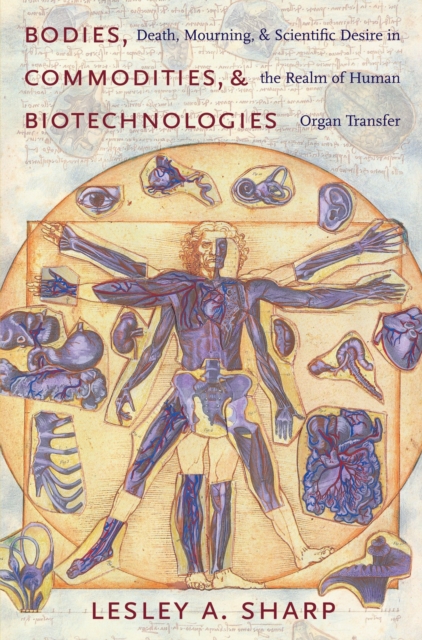
In the United States today, the human body defines a lucrative site of reusable parts, ranging from whole organs to minuscule and even microscopic tissues.
In this remarkable book psychologist Marie de Hennezel draws upon her personal experience of working with the terminally ill in a palliative care unit in Paris.
This is the story of an award-winning psychiatrist and neuroscientist who was diagnosed with a brain tumour by his own MRI machine at the age of thirty.
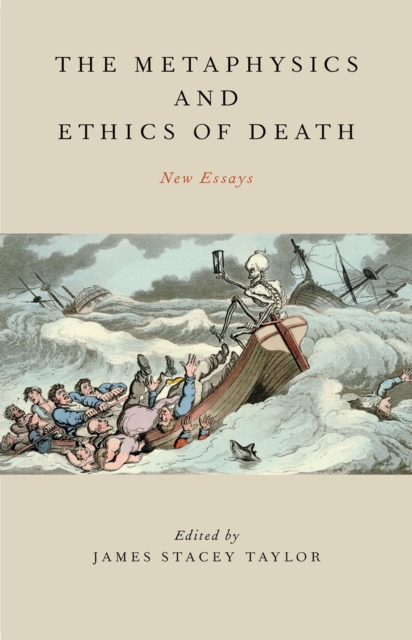
Suppose you knew that, though you yourself would live your life to its natural end, the earth and all its inhabitants would be destroyed thirty days after your death.
Suppose you knew that, though you yourself would live your life to its natural end, the earth and all its inhabitants would be destroyed thirty days after your death.
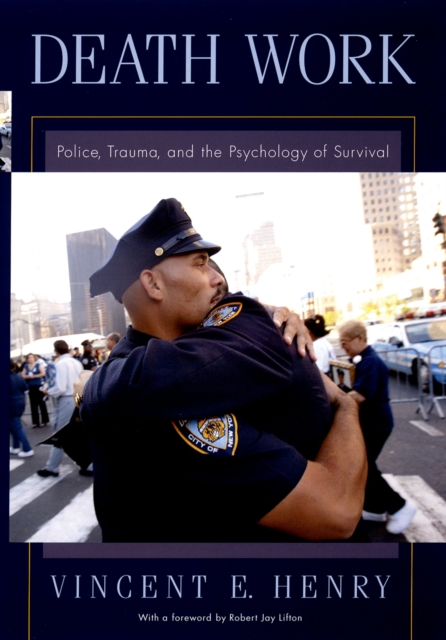
In this fascinating new book, Vincent Henry (a 21-year veteran of the NYPD who recently retired to become a university professor) explores the psychological transformations and adaptations that result from police officers' encounters with death.
In spite of society's wish to protect and insulate children from death, the experience of loss is unavoidable and there is surprisingly little guidance on how to help children cope with grief and bereavement.
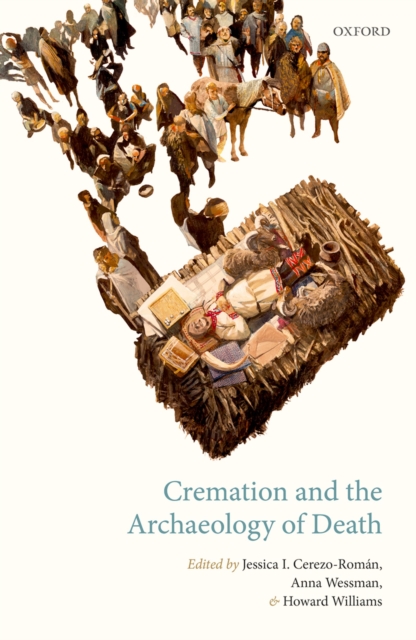
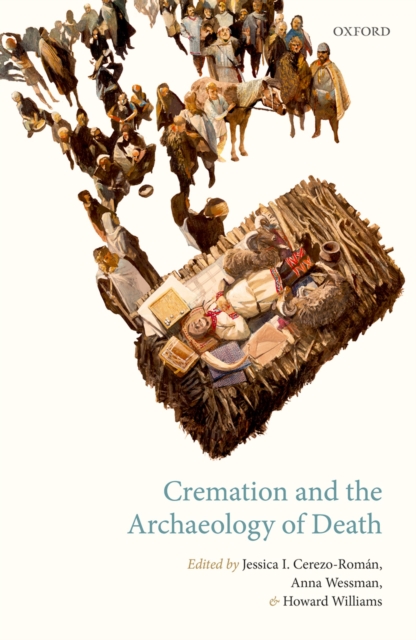
The fiery transformation of the dead is replete in our popular culture and Western modernity's death ways, and yet it is increasingly evident how little this disposal method is understood by archaeologists and students of cognate disciplines in the humanities and social sciences.
The fiery transformation of the dead is replete in our popular culture and Western modernity's death ways, and yet it is increasingly evident how little this disposal method is understood by archaeologists and students of cognate disciplines in the humanities and social sciences.
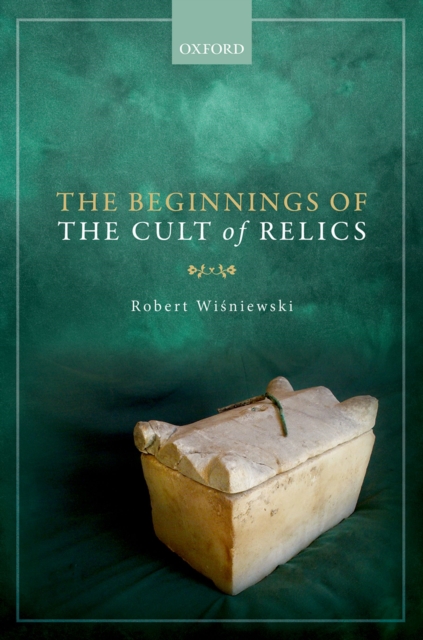
Christians have often admired and venerated the martyrs who died for their faith, but for a long time thought that the bodies of martyrs should remain undisturbed in their graves.
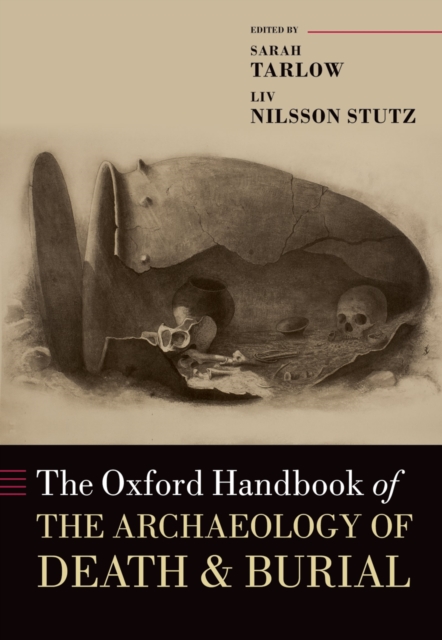
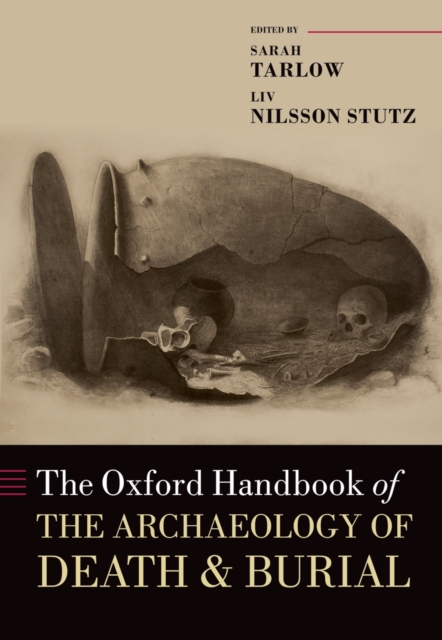
The Oxford Handbook of the Archaeology of Death and Burial reviews the current state of mortuary archaeology and its practice, highlighting its often contentious place in the modern socio-politics of archaeology.
The Oxford Handbook of the Archaeology of Death and Burial reviews the current state of mortuary archaeology and its practice, highlighting its often contentious place in the modern socio-politics of archaeology.
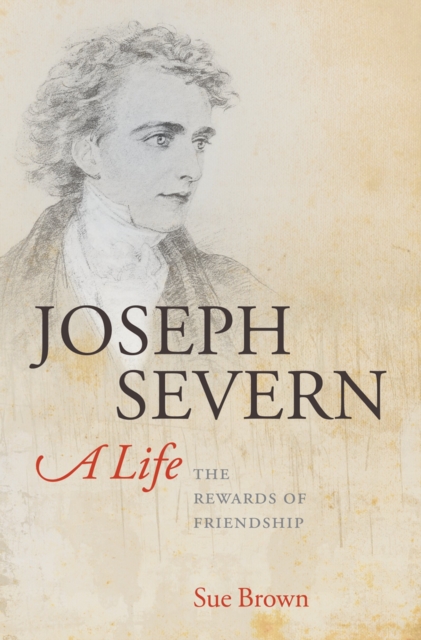
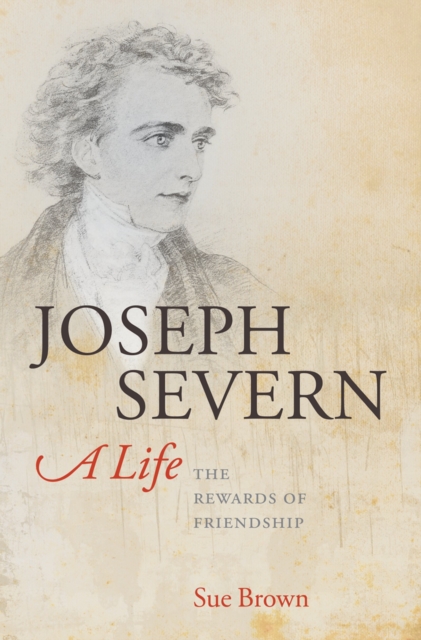
This biography of Joseph Severn (1793-1879), the best known but most controversial of Keats's friends, is based on a mass of newly discovered information, much of it still in private hands.
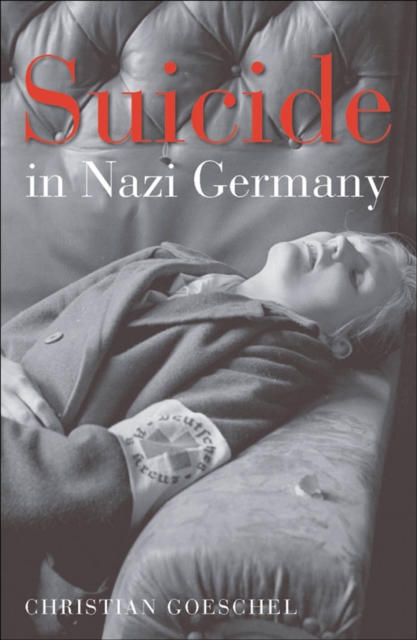
The suicides of Hitler, Goebbels, Bormann, Himmler, and later Goering at the end of World War II were only the most prominent in a suicide epidemic that has no historical parallel and that can tell us much about the Third Reich's peculiar self-destructiveness and the depths of Nazi fanaticism.
This biography of Joseph Severn (1793-1879), the best known but most controversial of Keats's friends, is based on a mass of newly discovered information, much of it still in private hands.