Learn how conflict is created, how to respond to it, and how to manage it more effectively so that your team can get back to doing what it does best: producing top results for your organization.
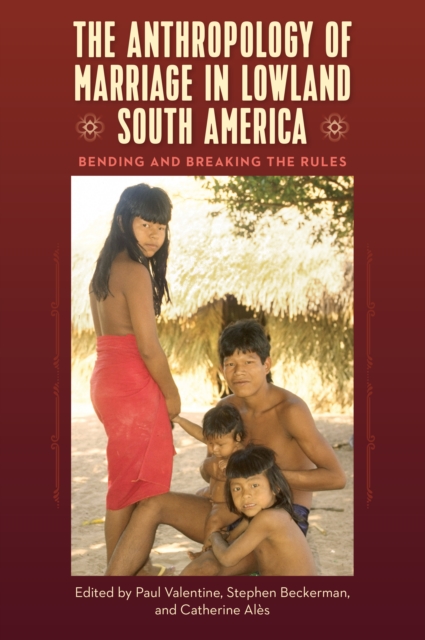
"e;Foremost scholars of indigenous Amazonia explore the vast and interesting gap between rules and practice, demonstrating how sociocultural systems endure and even prosper due to the flexibility, creativity, and resilience of the people within them.
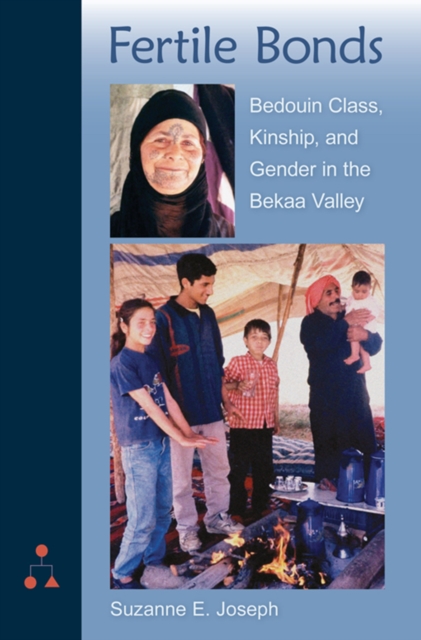
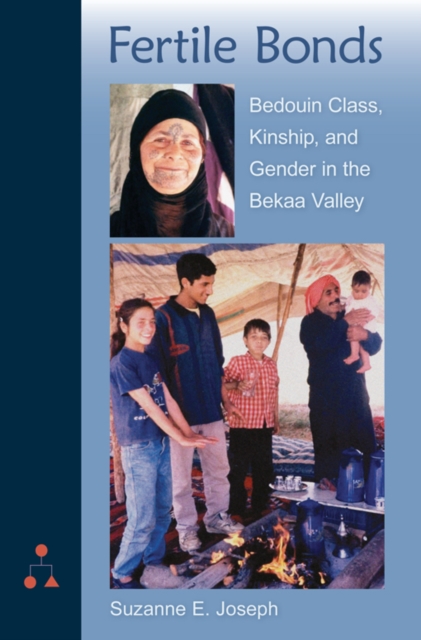
With an average of over nine children per family, older cohorts of Bedouin in the Bekaa Valley of Lebanon have one of the highest fertility rates in the world.
Every year migrants across the globe send more than $500 billion to relatives in their home countries, and this circulation of money has important personal, cultural, and emotional implications for the immigrants and their family members alike.
Birth in the Age of AIDS is a vivid and poignant portrayal of the experiences of HIV-positive women in India during pregnancy, birth, and motherhood at the beginning of the 21st century.
For many Egyptians in the early twentieth century, the biggest national problem was not British domination or the Great Depression but a "e;marriage crisis"e; heralded in the press as a devastating rise in the number of middle-class men refraining from marriage.
In Dividing the Domestic, leading international scholars roll up their sleeves to investigate how culture and country characteristics permeate our households and our private lives.
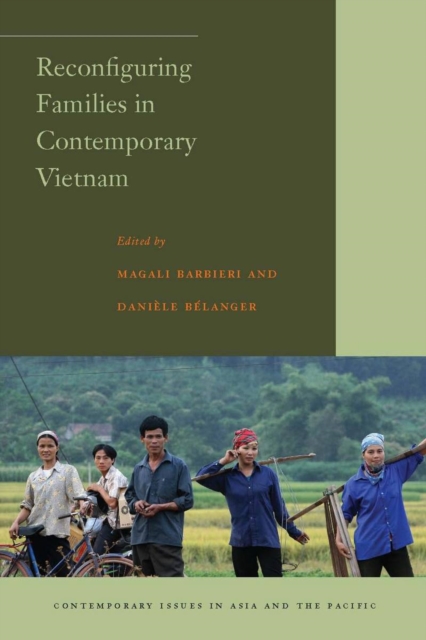
Reconfiguring Families in Contemporary Vietnam chronicles and analyzes the most significant change for families in Vietnam's recent past - the transition to a market economy, referred to as Doi Moi in Vietnamese and generally translated as the "e;renovation"e;.
No matter your profession (attorney, clinician, family therapist) or skill level (seasoned professional or novice), The Handbook of Family Dispute Resolution is an invaluable resource that outlines the most effective mediation approaches, techniques, and skills.
A modern, practical, and inspiring guide to creating deep heart connections with kids by regularly creating new experiences and intentional adventures together.
In custody battles over the children of separated parents, the prevailing standard of evaluating what is in the "e;best interests of the child"e; has been scrutinized because of the discretionary nature of what is "e;best"e; and because of the bias in favour of the child residing in one "e;primary residence.
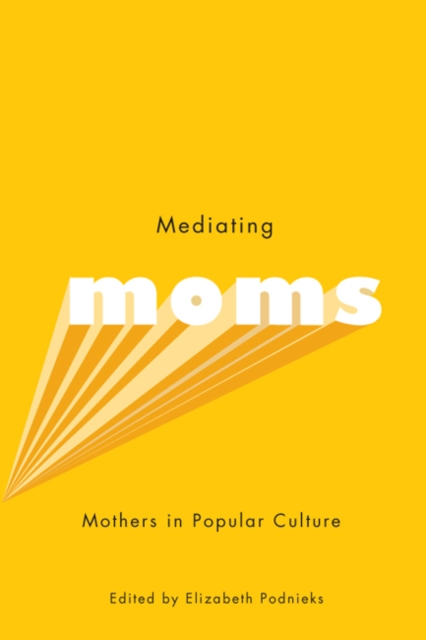
In recent decades, popular culture - from television and film to newspapers, magazines, and best-selling fiction - has focused an enormous amount of attention on mothers.
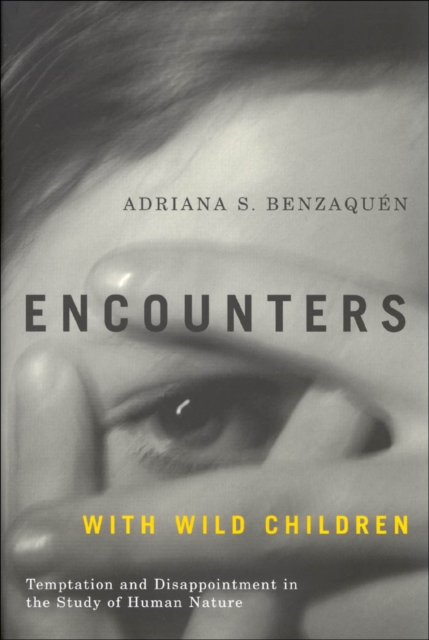
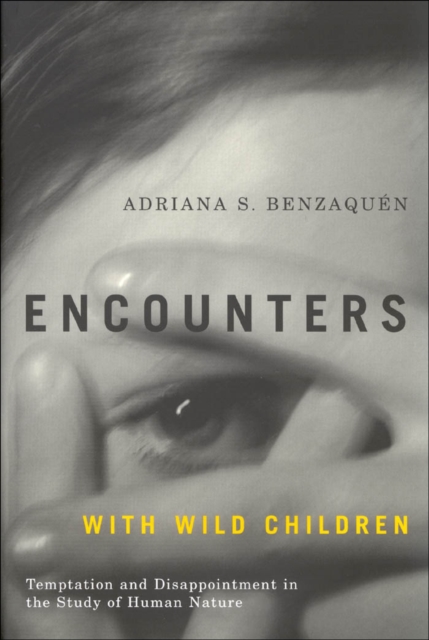
Through detailed readings of a wide variety of accounts, debates, and representations, Encounters with Wild Children explores the many different meanings these children were given and the varied responses they elicited.
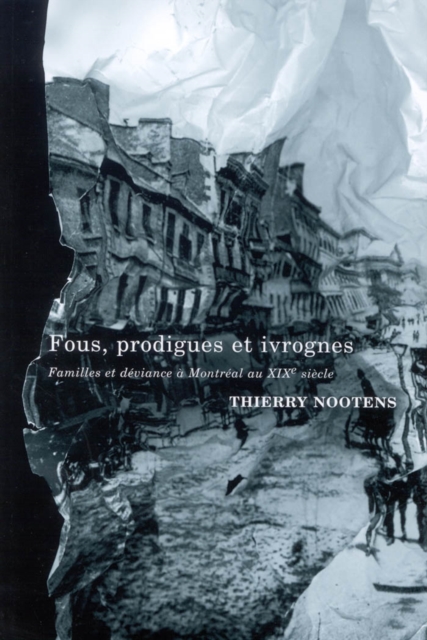
À travers l’analyse de près de 500 procédures d’interdiction engagées entre 1820 et 1895, Fous, prodigues et ivrognes examine les interactions entre les acteurs impliqués dans la régulation de la déviance : familles, système judiciaire, institutions asilaires et médecins.
Through detailed readings of a wide variety of accounts, debates, and representations, Encounters with Wild Children explores the many different meanings these children were given and the varied responses they elicited.
Contributors include Denyse Baillargeon (Universite de Montreal), Bettina Bradbury (York University), Josette Brun (Universite Laval), Nancy Christie (Hamilton), Gwendolyn Davies (University of New Brunswick), Michael Gauvreau (McMaster University), Peter Gossage (Universite de Sherbrooke), Ollivier Hubert (Universite de Montreal), Jack Little (Simon Fraser University), James Moran (University of Prince Edward Island), Suzanne Morton (McGill University), Matt Savelli (McMaster University), Michele Stairs (York University), James Struthers (Trent University), and David Wright (McMaster University).
Filling a void in feminist studies of women and war, Women in Zones of Conflict challenges the traditional view, which suggests a natural connection between women and pacifism, based on the feminine qualities of caring, cooperation, and empathy.
Written for a broad readership, Divorcing Marriage sheds light on three central questions: How did Canada come to the point of proposing a redefinition of marriage?
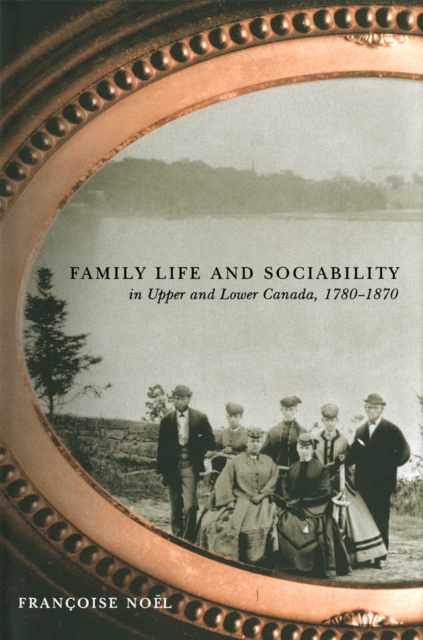
She notes that courtship usually took place within the social network of interactions with kin and neighbours and shows that family life was located in a broad social space that included people of various ages.
In 1973 Marie and Rod Adams, brimming with idealism and keenly aware of the plight of disadvantaged aboriginal children, adopted Tim, a young Cree boy, two and one half years old.
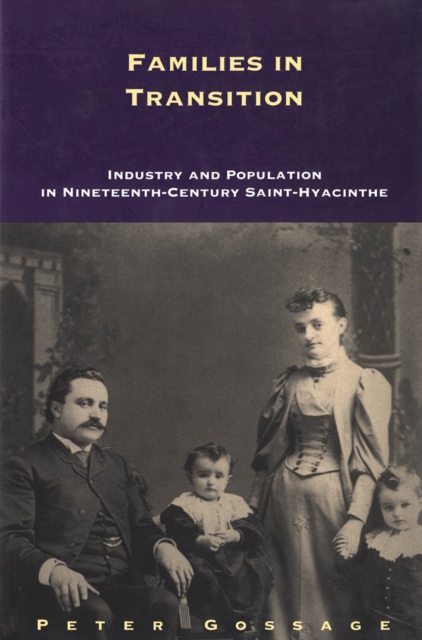
Gossage uses a family-reconstitution method, drawing on local parish registers and manuscript-census schedules, to focus on marriage, household organization, and family size in this context of social and economic change.
The anthropologist Marcel Mauss, in his famous exploration of the gift in "e;primitive"e; and archaic societies, showed that the essential aspect of the exchange of presents involved the establishment of a social tie that bound the parties together above and beyond any material value of the objects exchanged.
Noivo examines how the intersection of migration and family projects affect kin ties, analyses the multiple burdens generated by migration, class, gender, generation, and minority status, and discusses the interplay between family and economic life.
Bonner analyses historical contributions to the urban-rural debate by Karl Marx, Ferdinand Tonnies, Max Weber, Georg Simmel, Louis Wirth, and Robert Redfield, as well as contributions by contemporary theorists, such as Ray Pahl, Anthony Giddens, and Peter Berger.
Burtch examines the transformation of the role of the midwife, particularly the international resurgence of the midwifery movement over the past twenty years.
Courtship, love, and marriage are seen today as very private affairs, and historians have generally concluded that after the late eighteenth century young people began to enjoy great autonomy in courtship and decisions about marriage.
À travers l’analyse de près de 500 procédures d’interdiction engagées entre 1820 et 1895, Fous, prodigues et ivrognes examine les interactions entre les acteurs impliqués dans la régulation de la déviance : familles, système judiciaire, institutions asilaires et médecins.
Psychologists John and Linda Friel have written an enormously readable and infinitely practical book that digs into some of the worst mistakes that parents make, with suggestions on how parents can change immediately.
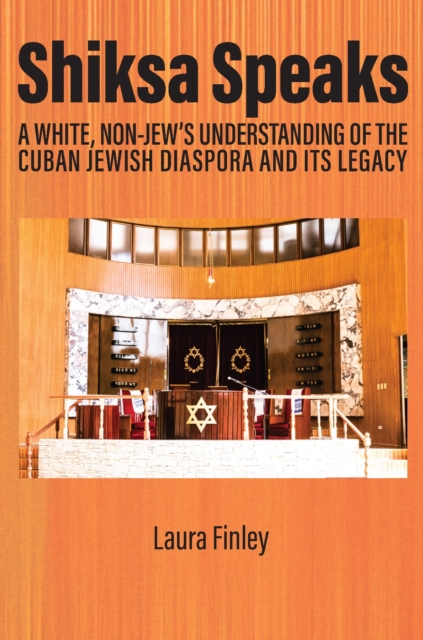
Shiksa Speaks: A White, Non-Jew's Understanding of the Cuban Jewish Diaspora and Its Legacy focuses on Cuban Jews, or Jewbans, whose family emigrated from Eastern Europe to the island in the 1920s then again to the US after the 1959 revolution in which Fidel Castro took power.