The detective story, focused on inquiries, and in its wake the spy novel, built around conspiracies, developed as genres in the late nineteenth and early twentieth centuries.
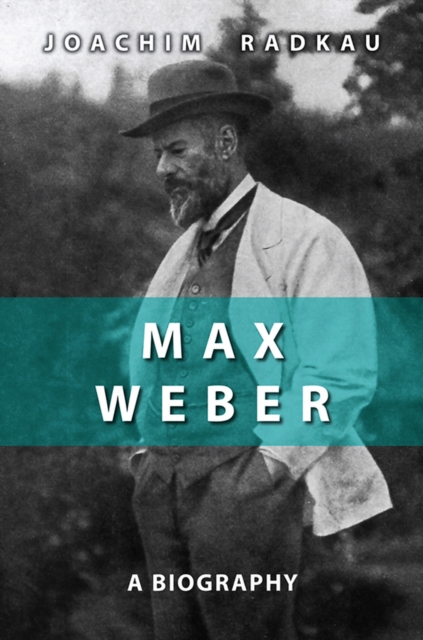
Max Weber (1864-1920) is recognized throughout the world as the most important classic thinker in the social sciences there is simply no one in the history of the social sciences who has been more influential.
Twenty years ago Ulrich Beck published Risk Society, a book that called our attention to the dangers of environmental catastrophes and changed the way we think about contemporary societies.
There has been a lively debate amongst political theorists about whether certain liberal concepts of democracy are so idealized that they lack relevance to real politics.
This text provides for the first time in book form an exploration of the communicative aspects of the darker side of family life, ranging from, for example, severe acts of violence to more subtle forms of conflict.
Marital Communication provides insight into healthy relationships for those who want to better understand key communication processes between long-term, committed, romantic partners.
This book provides a critical overview of the myriad literatures on work, viewed not only as a product of the marketplace but also as a social and political construct.
Research consistently shows how through the years more of our time gets spent using media, how multitasking our media has become a regular feature of everyday life, and that consuming media for most people increasingly takes place alongside producing media.
This engaging new text uses a feminist lens to crack open the often hidden worlds of gender and work, addressing enduring questions about how structural inequalities are produced and why they persist.
This book is the first major study of the history of environmentalism, from its origins in romanticism and the nature cults of the late 18th century to the global environmental movements of today.
New media, development and globalization are the key terms through which the future is being imagined and performed in governance, development initiatives and public and political discourse.
It is commonly assumed that the best way to help the poor out of their misery is to allow the rich to get richer, that if the rich pay less taxes then all the rest of us will be better off, and that in the final analysis the richness of the few benefits us all.
Michel Foucault is recognized as one of the twentieth century's most influential thinkers, however the authors in this volume contend that more use can be made of Foucault than has yet been done and that some of the uses to which Foucault has so far been put run the risk of and occasionally simply amount to misuse.
It is commonly assumed that we live in an age of unbridled individualism, but in this important new book Montserrat Guibernau argues that the need to belong to a group or community - from peer groups and local communities to ethnic groups and nations - is a pervasive and enduring feature of modern social life.
All the great ideals that gave life meaning in earlier societies - God, the nation, revolution, freedom, democracy - are in disarray today, questioned by many and rejected by those who have lost faith in them.
Bruno Latour s long term project is to compare the felicity and infelicity conditions of the different values dearest to the heart of those who have never been modern .
Sociology began as a historical discipline, created by Marx, Weber and others, to explain the emergence and consequences of rational, capitalist society.
A tension between the desire to be respected as an equal and the desire to distinguish oneself as a unique person lies at the heart of the modern social order.
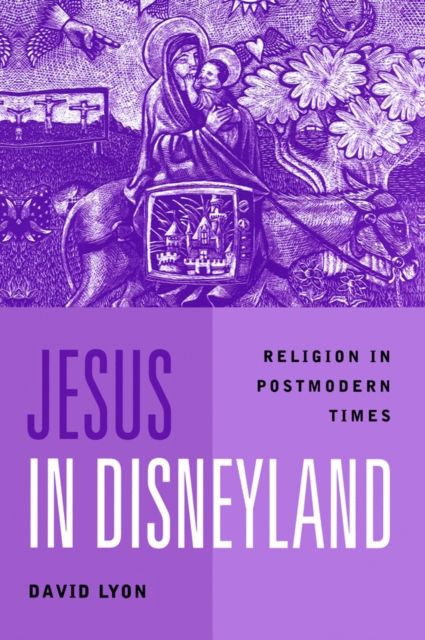
In this lively and accessible study, David Lyon explores the relationship between religion and postmodernity, through the central metaphor of 'Jesus in Disneyland.
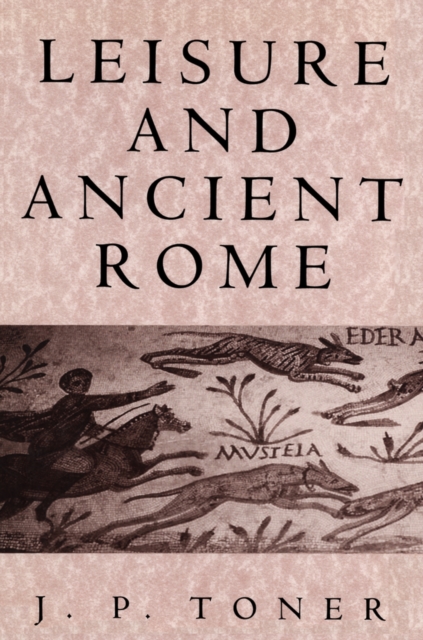
In this book Toner offers a new way of looking at Roman society at all levels, not just among the elite, by examining the imperial games and the baths as well as gambling, the taverns, theatre and carnivals.
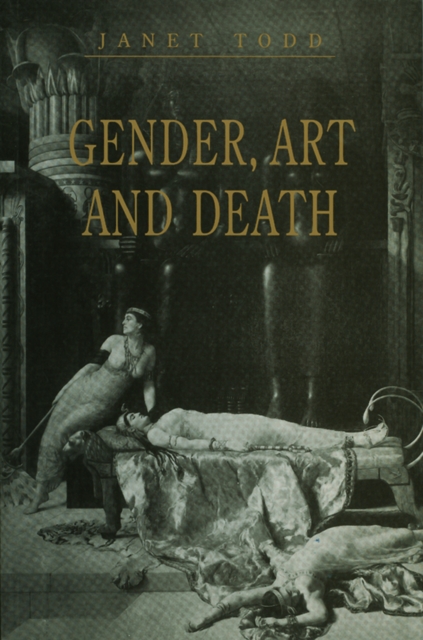
In this book, Janet Todd, one of the leading authorities on seventeenth- and eighteenth century women writers, discusses gender issues from the Restoration to Romanticism investigating women authors and the fascination with culturally privileged art and with heroic death.