In Come Hell or High Water: Feminism and the Legacy of Armed Conflict in Central America, Tine Destrooper analyzes the political projects of feminist activists in light of their experience as former revolutionaries.
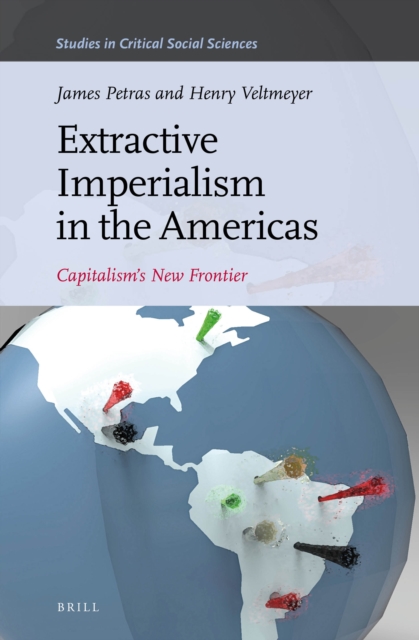
Recent changes in the global economy, which include a growing demand for energy and natural resources such as industrial minerals and agro-food products, have brought about a massive devastating pillage of resources in the developing world by multinational corporations as well as states with energy and food security concerns-and concerns about a system (global capitalism) in the throes of a global crisis.
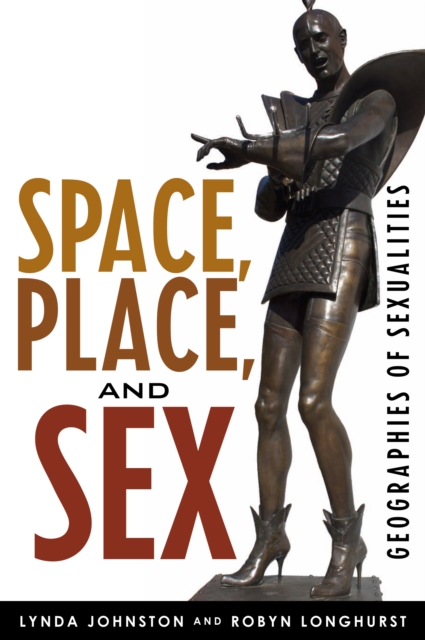
This accessible and engaging book explores the ways that "e;space, place, and sex"e; are inextricably linked from the micro to the macro level, from the individual body to the globe.
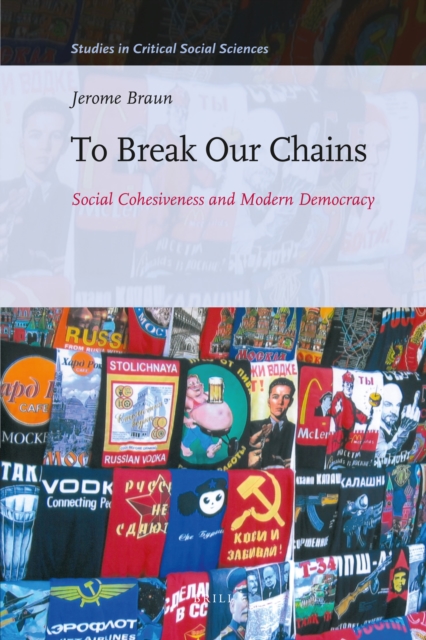
Jerome Braun, known for his writings in interdisciplinary social science, in this book provides a concrete reference for such abstract issues of social theory as democracy from a cross-cultural perspective, alienation in modern society, and the relation between social cohesiveness and political democracy.
More than perhaps anybody else in the world, the Swedish political scientist and sociologist Bjorn Wittrock has contributed - both on the intellectual and institutional level - to making a truly global social science possible.
The African American experience since the 19th century has included the resettlement of people from slavery to freedom, agriculture to industry, South to North, and rural to urban centers.
In a work centred on Marx's harsh biography of Simon Bolivar, Jose Arico examines why Latin America was apparently 'excluded' from Marx's thought, challenging the allegation that this expressed some 'Eurocentric' prejudice.
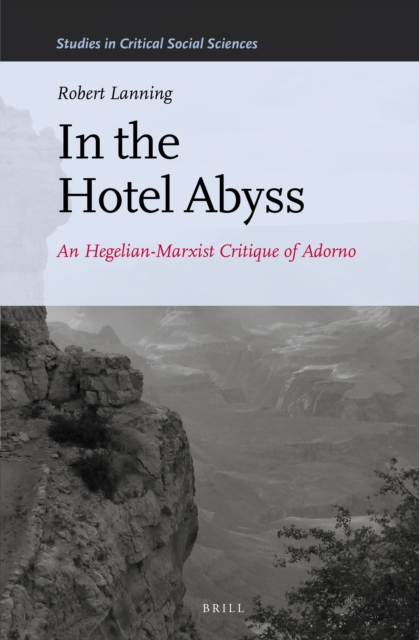
This book is a critical analysis of a selection of Adorno's work framed by four essential concerns: 1) Adorno's method of analysis; 2) the absence of a theory of social change; 3) the relationship of his approach to the dialectics of Hegel and Marx, particularly, to others in and around the Frankfurt School (Benjamin, Kracauer, Marcuse), and in contrast to scholars such as Lukacs and Bloch; and 4) Adorno's use of his approach with respect to jazz, popular music, radio and pro-fascist propaganda of the 1930s and 40s as an instrument to disparage the working class.
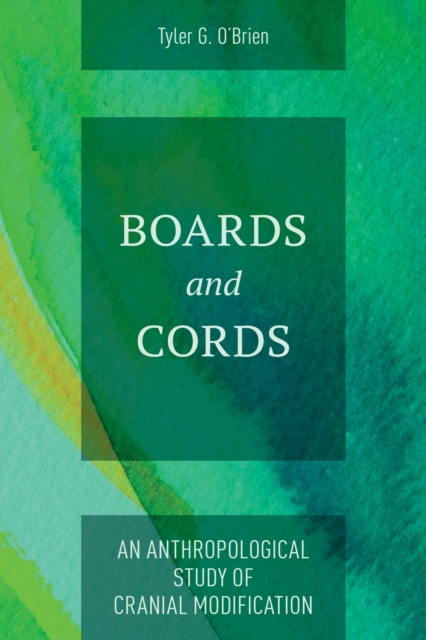
Archaeological evidence and ethnohistoric accounts document ancient groups from around the world intentionally binding their infants' head in one of two manners.
In Global Political Economy and the Modern State System Tobias ten Brink contributes to an understanding of the modern state system, its conflicts, and its transformation.
Andy Blunden presents a critical review of theories of Concepts in cognitive psychology, analytical philosophy, linguistics, conceptual change theory and other disciplines.
In Migration and Membership Regimes editors Ulbe Bosma, Gijs Kessler and Leo Lucassen bring together ten essays in an analytical framework which looks beyond the Transatlantic migration of the nineteenth and twentieth centuries in a deliberate attempt to incorporate the experience of earlier periods and other continents into historical migration studies.
Though generally associated with the Italian Marxist Antonio Gramsci, the idea of hegemony had a crucial history in revolutionary Russia where it was used to conceptualize the dynamics of political and cultural leadership.
For the first time, this book presents to Western readers a current in the late Soviet philosophy of the 1960s and 1970s known as the 'activity approach'.
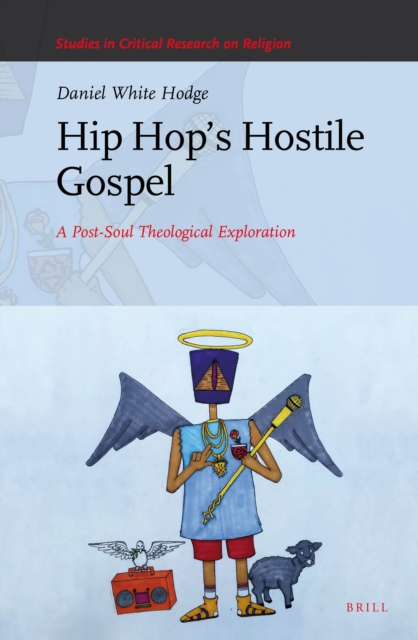
In this book, Hodge takes into account the Christological, theological, and ecclesiological ruminations of a selected group of Hip Hop and rap song lyrics, interviews, and interviews from those defined as Hip Hoppers.
In Lenin and the Logic of Hegemony, by means of a careful textual and contextual analysis of the writings of Lenin and his Marxist contemporaries, Alan Shandro traces the contours of the '(anti-) metaphysical event' identified by Gramsci in Lenin's political practice and theory, the emergence of the 'philosophical fact' of hegemony.
In Dialectics of the Ideal: Evald Ilyenkov and Creative Soviet Marxism Levant and Oittinen provide a window into the subterranean tradition of 'creative' Soviet Marxism, which developed on the margins of the Soviet academe and remains largely outside the orbit of contemporary theory in the West.
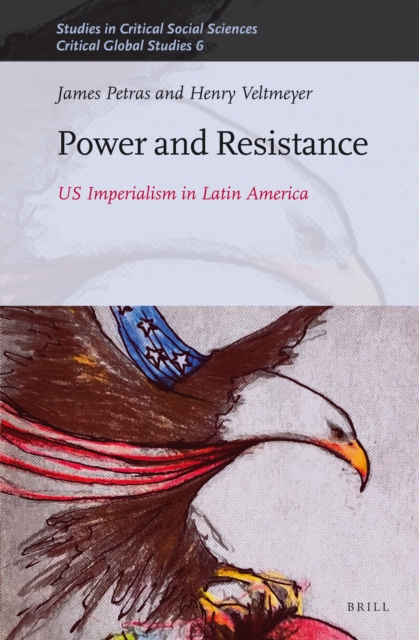
This book concerns the form taken today by US imperialism in Latin America, with reference to the projection of US state power as a means of both advancing the economic interests of the US capitalist class in the region and maintaining its hegemony over the world capitalist system.
Reading Gramsci is a collection of essays by Francisco Fernandez Buey with a unifying theme: the enduring relevance of Gramsci's political, philosophical and personal reflections for those who wish to understand and transform 'the vast and terrible world' of capital.
In Countering Contemporary Antisemitism in Britain, Sarah Cardaun presents a thorough scholarly analysis of responses to present-day antisemitism in the UK.
In Religious Fundamentalism in the Middle East, Moaddel and Karabenick analyze fundamentalist beliefs and attitudes across nations (Egypt, Iran, Lebanon, and Saudi Arabia), faith (Christianity and Islam), and ethnicity (Azari-Turks, Kurds, and Persians among Iranians), using comparative survey data.
Global Society and Human Rights tries to grasp and reconstruct the processes of global unification and the shaping of a common feeling of humanity: the conviction, in different cultural contexts, of the unity of mankind and the existence of inalienable human rights.
Marx and Singularity by Luca Basso attempts to understand the development of Marx's thought, from the early writings to the Grundrisse, as a search for individual realisation.