This book chronicles the transformation of the holistic health movement over the past three decades, as it increasingly influences the delivery of health care in America.
Prominent sociologist Dorothy Smith outlines a method of inquiry that uses everyday experience as a lens to examine social relations and social institutions.
Moving the Rock portrays several generations of African American women whose families migrated from the South to the Pacific Northwest in the 1940s and 1950s.
The San/Bushmen are one of the most studied people in anthropology, subjects of research going back one hundred years, of documentaries, and even of popular movies (The Gods Must Be Crazy).
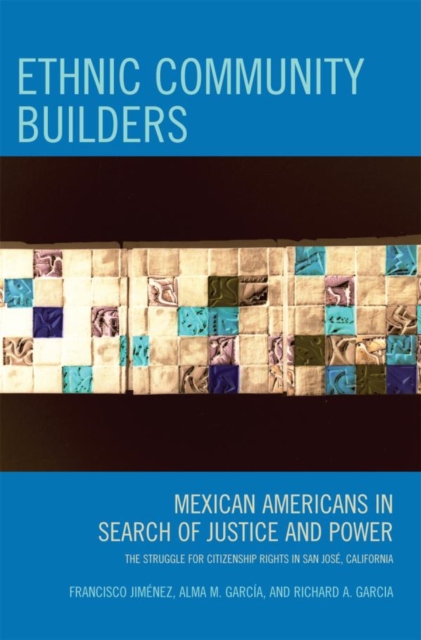
Ethnic Community Builders: Mexican-Americans in Search of Justice and Power is an oral history of Mexican-American activism in San JosZ, California, over the last half century.
This revised and updated second edition of The Rules of Sociological Method and Selected Texts on Sociology and its Method represents Durkheim's manifesto for sociology.
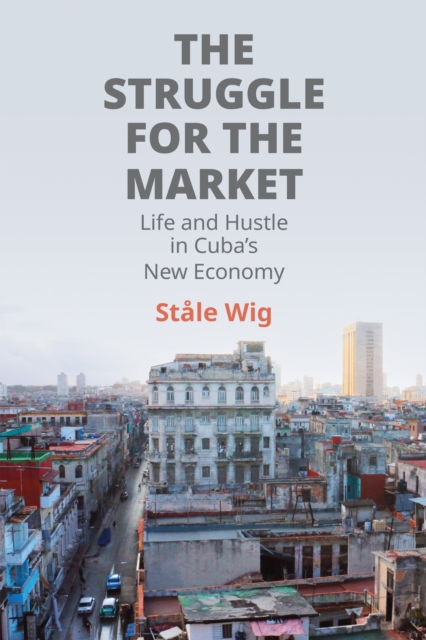
A firsthand look at how business owners in Havana navigate the changing Cuban market and stateThe Struggle for the Market tells the story of Cuba's economic reforms in the 2010s, focusing on the experiences a group of small business owners known as cuentapropistas.
A fascinating look at how coffee tied the economic future of the early United States to the wider Atlantic worldCoffee is among the most common goods traded and consumed worldwide, and so omnipresent its popularity is often taken for granted.
Hospitality as a cultural trait has been associated with the South for well over two centuries, but the origins of this association and the reasons for its perseverance of-ten seem unclear.
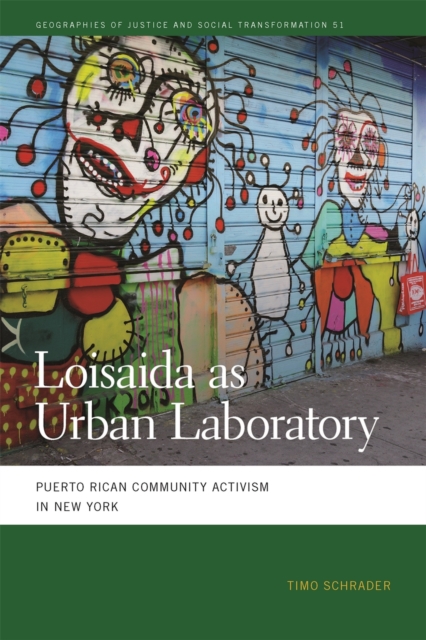
Loisaida as Urban Laboratory is the first in-depth analysis of the network of Puerto Rican community activism in New York City's Lower East Side from 1964 to 2001.
Underdogs looks into the rapidly growing initiative to provide veterinary care to underserved communities in North Carolina and Costa Rica and how those living in or near poverty respond to these forms of care.
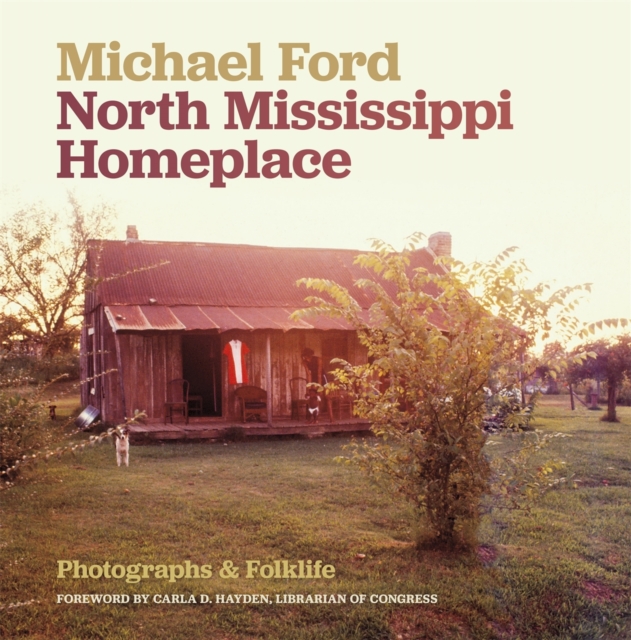
In the early 1970s photographer and documentary filmmaker Michael Ford left graduate school and a college teaching position in Boston, Massachusetts, packed his young family into a van, and headed to rural Mississippi, where he spent the next four years recording everyday life through interviews, still photographs, and film.
Anthropologists, psychologists, feminists, and sociologists have long studied the "e;everyday,"e; the quotidian, the taken-for-granted; however, geographers have lagged behind in engaging with this slippery aspect of reality.
Hospitality as a cultural trait has been associated with the South for well over two centuries, but the origins of this association and the reasons for its perseverance of-ten seem unclear.
This book explores major shifts and reorientations in the recent history of American Anthropology, reflecting the author's vision of what anthropology is and what it has the potential to become.