This latest volume in the New Naturalist series provides a comprehensive study of wildlife conservation in Britain, concentrating on events in the last 30 years.
For the quality of its research and the clarity of its synthesis, The Rise of Respectable Society will gain a reputation as an outstanding reinterpretation of the Victorian period.
Invaluable in providing vivid illustrations of the strengths and needs of young parents who have been 'looked after' and, therefore of their children at the start of their lives.
Self-harm in adolescents is an increasingly recognized problem, and there is growing awareness of the important role schools and health services can play in detecting and supporting those at risk.
This book examines the risk factors surrounding children at risk of experiencing and perpetrating violence, and looks at the positive role that children's rights can play in their protection.
Understanding Looked After Children is an accessible guide to understanding the mental health needs of children in foster care and the role of foster carers and support networks in helping these children.
This book draws on a wide range of evidence to explore the facts about the relationship between substance misuse and domestic violence and their effect on children, and examines the response of children's services when there are concerns about the safety and welfare of children.
Empowering Children through Art and Expression examines the successful use of arts and expressive therapies with children, and in particular those whose lives have been disrupted by forced relocation with their families to a different culture or community.
` Combining educational and clinical perspectives, and with extensive use of case studies, the authors present recent research into the mental health problems associated with school refusal, such as anxiety and panic attacks, as well as the role that parental support plays in their children's school life.
Research into children and domestic violence in recent years has emphasized the importance of giving positive support to a non-abusive parent for effective child protection.
Understanding the roots of anger and encouraging appropriate and acceptable ways of expressing this are essential skills for anyone working with young people.
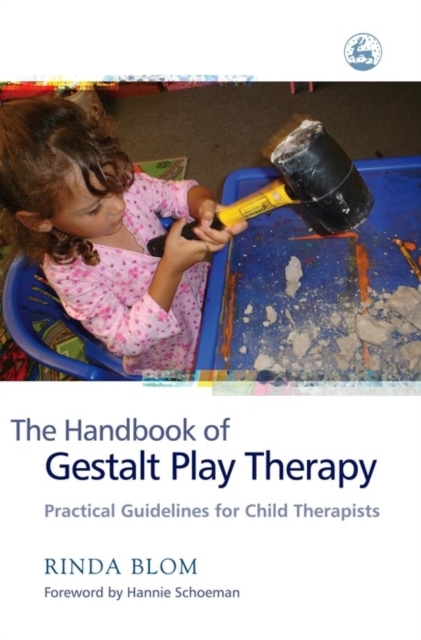
This book sets out a clear theoretical framework for Gestalt Play Therapy, giving examples of questions the therapists might ask the child at certain stages, and offering the whole gamut of play therapy and travelling through the therapeutic journey.
Based on a qualitative study of child protection practices this book takes a detailed look at what professionals actually 'do', contrasting the relatively straightforward process illustrated in procedural guidance with the uncertainty of the 'real world' of child protection work.
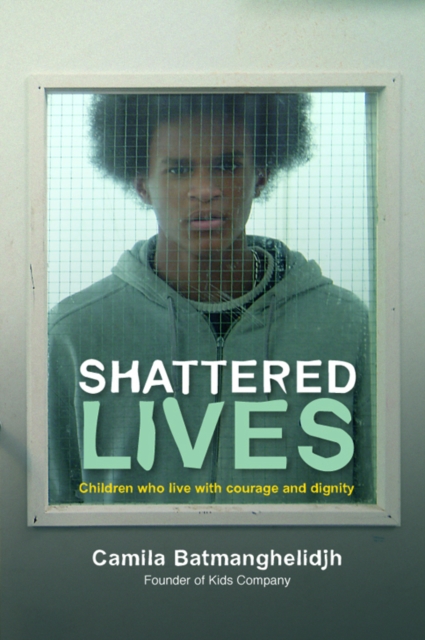
*Shortlisted for the Young Minds Book Prize 2006*Shattered Lives bears witness to the lives of children who have experienced abuse and neglect, and highlights the effects of early traumatic episodes.
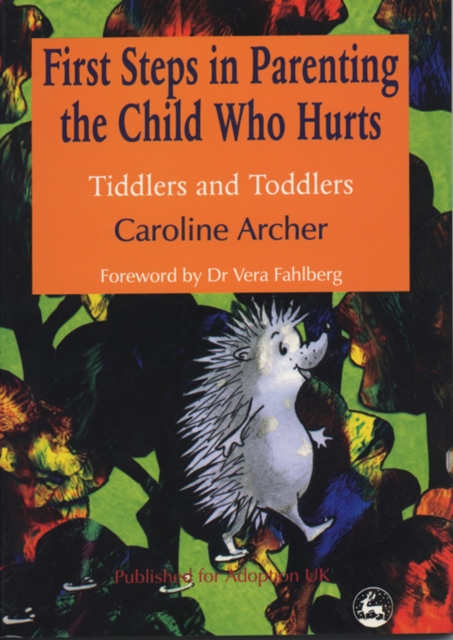
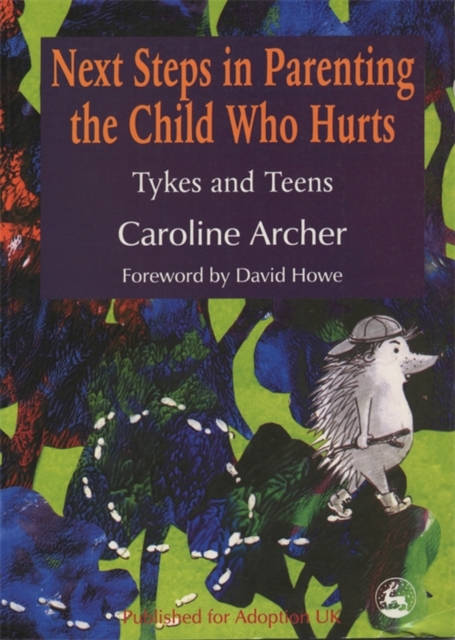
Written by an experienced adoptive parent, this clear, sensitive and practical handbook is designed to encourage and support adoptive and long-term foster parents, their children and adolescents.
Dyslogical children are commonly labelled as having one or more of a mix of conditions that include Attention Deficit/Hyperactivity Disorder, Conduct Disorder, Bipolar Disorder and Oppositional Defiant Disorder.
Supporting the Child and the Family in Paediatric Palliative Care provides a comprehensive overview of good practice in caring for terminally-ill children, young people and their families.
Drawing on a three-year multidisciplinary study of children of divorced parents, the authors, leading academics in their fields, present a much-needed guide to understanding the experience of children who are experiencing parental separation.
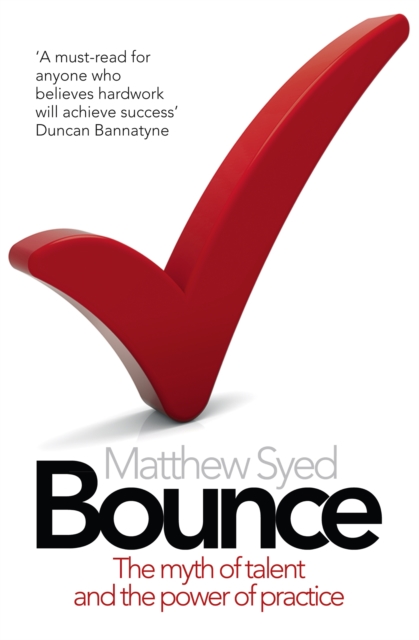
From the author of You Are Awesome: Find Your Confidence and Dare to be Brilliant at (Almost) AnythingEssential reading for an astounding summer of sport; If you've ever wondered what makes a champion, Bounce has the answer.
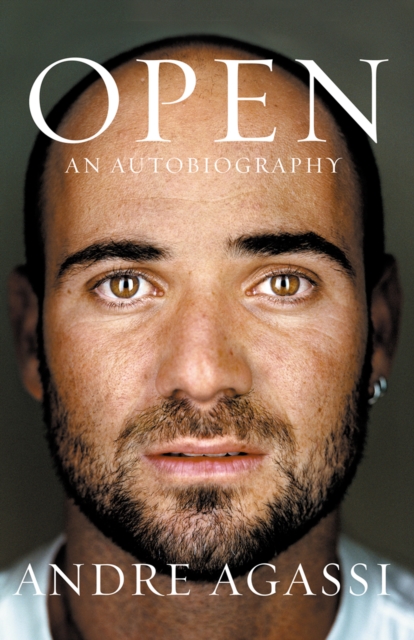
He is one of the most beloved athletes in history and one of the most gifted men ever to step onto a tennis court - but from early childhood Andre Agassi hated the game.
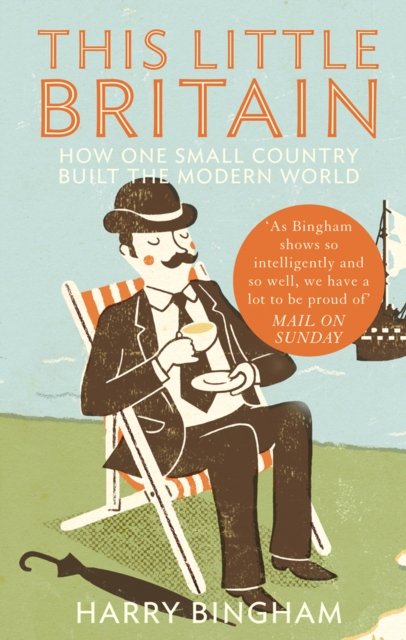
Celebratory, witty and incredibly insightful, Harry Bingham explores the eccentricities and customs of the British nation in a bid to answer a question which has everyone debating - Who are we?
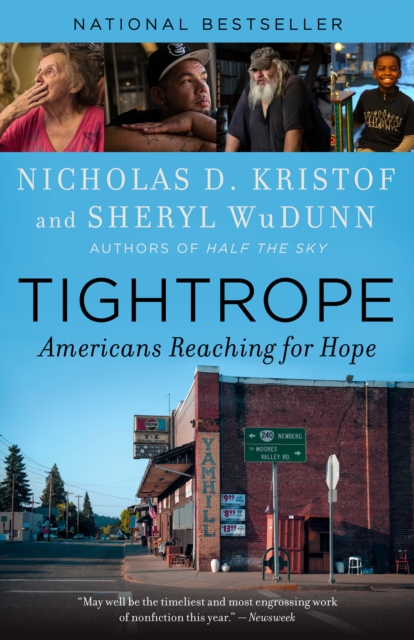
The Pulitzer Prize-winning authors of the acclaimed, best-selling Half the Sky now issue a plea--deeply personal and told through the lives of real Americans--to address the crisis in working-class America, while focusing on solutions to mend a half century of governmental failure.
This book exposes how a coalition of political, religious, and civic leaders are using the issue of sex to frighten, misinform, and bully Americans-paving the way for dramatic new public policies that are already restricting everyone's rights.
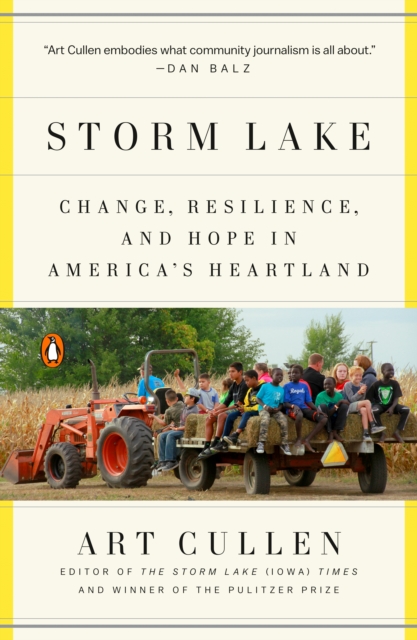
From a 2017 Pulitzer-winning newspaperman, an unsentimental ode to America''s heartland as seen in small-town Iowa--a story of reinvention and resilience, environmental and economic struggle, and surprising diversity and hope.