Durante la ultima decada, la investigacion comparada sobre las elites ha visibilizado tanto la elevada concentracion de la riqueza como los mecanismos para su transmision intergeneracional.
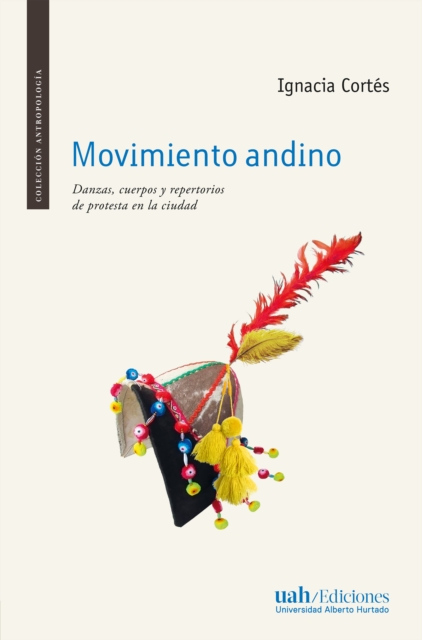
Este libro invita a un recorrido que va desde la fiesta a la protesta y viceversa: con el rigor de quien comprende las epistemologías americanas y, a la vez, con la pericia de quien conoce la calle, Ignacia Cortés reconstruye la trama de afectos, cuerpos y voces de aquellos que, en los años de la transición, decidieron enfrentar la alienación con tinku y con huayno, siempre, ¡bailando!
The Palgrave Handbook of Critical Thinking in Higher Education provides a single compendium on the nature, function, and applications of critical thinking.
This book the improvements in the circular economy are discussed, and a multidisciplinary approach is taken to examine developments in the recovery of value in CSCM.
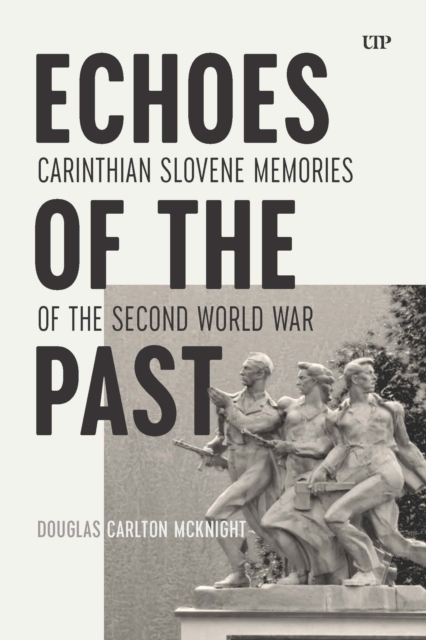
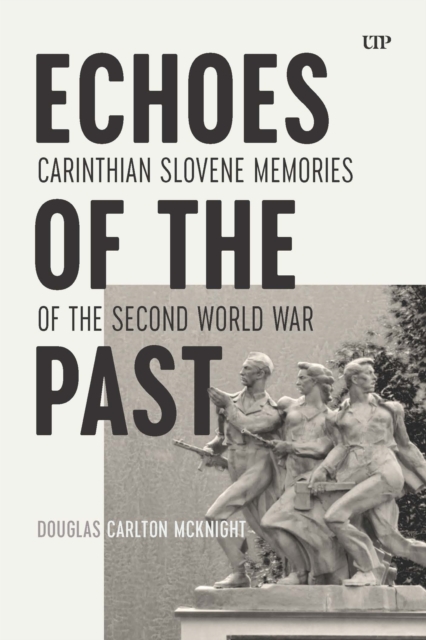
Echoes of the Past delves into the collective remembrance practices of the Carinthian Slovene community since the end of the Second World War, offering a nuanced analysis of museums, memorials, civic institutions, and literature created by Carinthian Slovene artists and activists.
Ethnobiology and Development in Asia: The Belt and Road Initiative offers a groundbreaking perspective on the interplay between traditional knowledge, cultural practices, and biological resources along historical and contemporary trade routes across Asia.
This edited collection is an essential resource for understanding contemporary Indigenous-settler relations across three major settler colonial contexts, bringing together First Nations and settler scholars, practitioners, artists and community organisations from Australia, Aotearoa New Zealand, and the USA.
This book brings together perspectives from the social sciences and humanities on how soils and subsoils are increasingly mobilized to tackle climate change and ecological issues.
Putting Institutional Theory to Work During Times of Crisis addresses a persistent challenge in management research: bridging the gap between rigorous theory and practical application.
This book examines Nigerian women’s experiences of migration, work and mobility across European borders through a unique problematisation of the boundary between madams and victims.
This book examines Nigerian women’s experiences of migration, work and mobility across European borders through a unique problematisation of the boundary between madams and victims.
This edited book brings together novel studies that address the real-world challenges young vocational students and teachers face as they navigate the complexities of education and work.
Echoes of the Past delves into the collective remembrance practices of the Carinthian Slovene community since the end of the Second World War, offering a nuanced analysis of museums, memorials, civic institutions, and literature created by Carinthian Slovene artists and activists.
The purpose of this book is to explore practical information and insights from a group of Canadian centenarians to assist health care professionals and researchers who administer care to the oldest of adults, known as “Centenarians.
This book examines environmental law enforcement in the 21st century, tackling urgent challenges such as climate change, biodiversity loss, and transnational environmental crimes.
This book examines environmental law enforcement in the 21st century, tackling urgent challenges such as climate change, biodiversity loss, and transnational environmental crimes.
This volume, written by 25 experts from industry and research, provides a comprehensive overview of commercially important and environmentally mobile organosilicon materials.
The field of endocrine disruption or endocrine active compounds (EACs), which is just emerging and still controversial, is comprehensively covered by leading experts in Volume 3, Subvolumes L (Part I) and M (the present volume, Part II).