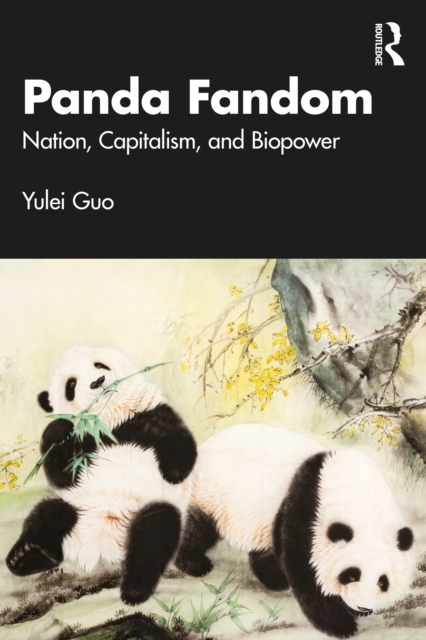
This book provides the first exploration of panda fandom, a term denoting the community built upon the deep and intimate emotional connections between fans and giant pandas.
We live in a period when more people are migrating from the countryside to the city, from city to city, and from country to country than at nearly anytime in human history.
Trade Fetishism argues that "e;trade"e; not only meets material goals, but also simultaneously works as a fantasy that seeks to satisfy and soothe our unconscious desires and anxieties.
This book provides an in-depth exploration of the evolving trends in South-South international migration to the Gulf Cooperation Council (GCC) countries.
This book provides an in-depth exploration of the evolving trends in South-South international migration to the Gulf Cooperation Council (GCC) countries.
Health Care in the European Community (1975) analyses the finance and provision of health care in the nine member countries of the European Economic Community.
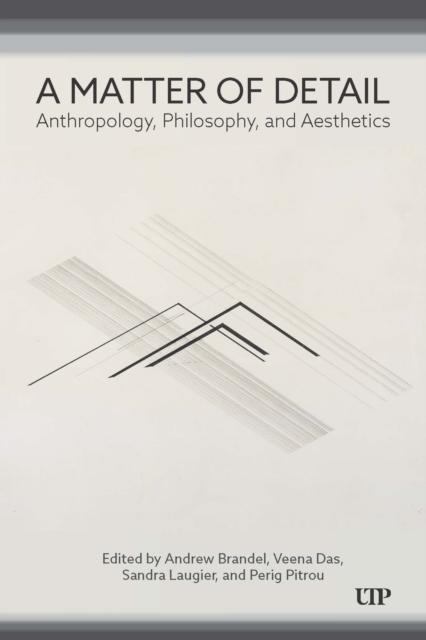
A Matter of Detail inspires new ways of thinking about detail by bringing anthropology, philosophy, art history, and aesthetics into direct conversation.
In an age of rising authoritarianism, political polarization, and democratic backsliding, Democracy in Ten Questions offers a timely and thought-provoking exploration of the enduring debates over the value of democracy.
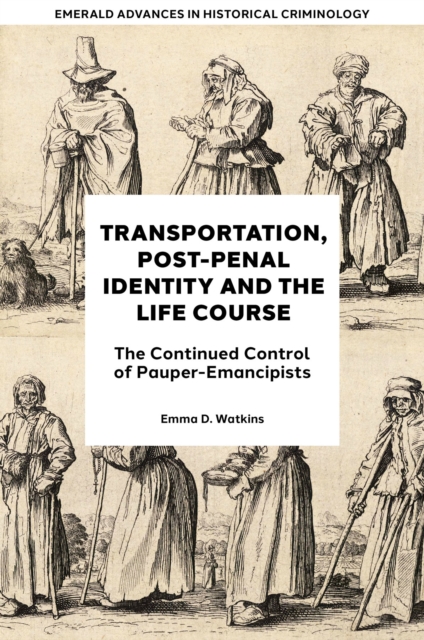
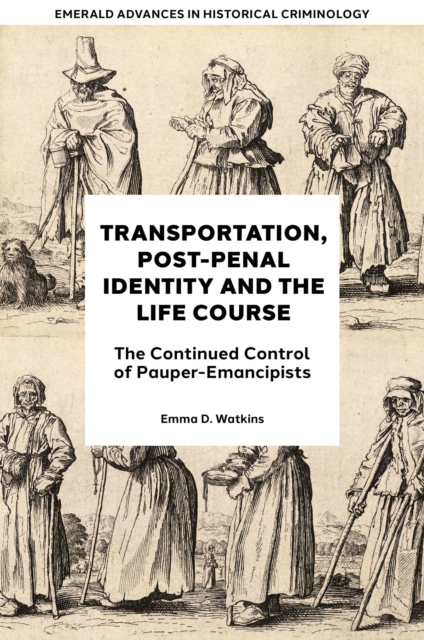
Transportation, Post-Penal Identity and the Life Course explores the life-courses of convicts who, after being transported to Van Diemen's Land, now Tasmania, and released from servitude, died in pauper establishments.
In an age of rising authoritarianism, political polarization, and democratic backsliding, Democracy in Ten Questions offers a timely and thought-provoking exploration of the enduring debates over the value of democracy.
Bioanthropology: The Basics offers an engaging and accessible introduction to the science of biological anthropology, exploring human origins, evolution, and the biological dimensions of what it means to be human.
This book explores how Earth Sciences including Geosciences can be reimagined to serve people in a world increasingly shaped by planetary-scale anthropogenic change (PSAC), commonly referred to as the ‘Anthropocene’.
Originally published in 1993, Applying the Children Act (1989) in Boarding and Residential Environments identifies many of the key issues which arise in caring for children away from home.
First published in 1969, The Role of the Teacher demonstrates how the modes of description and analysis employed by sociologists of education can shed light on the teacher's role in the classroom, school, and society.
This book offers a critical historical analysis of the People’s Health Movement in West Bengal, India, situating it within the broader context of health policy and public health developments in the region.
This book offers a critical historical analysis of the People’s Health Movement in West Bengal, India, situating it within the broader context of health policy and public health developments in the region.
First published in 1969, The Role of the Teacher demonstrates how the modes of description and analysis employed by sociologists of education can shed light on the teacher's role in the classroom, school, and society.
Nursing in the European Community (1980) explains the content and implications of the EEC Nursing Directives in relation to the situation in each of the nine member states, and the context of directives for the other major health professions.
Transportation, Post-Penal Identity and the Life Course explores the life-courses of convicts who, after being transported to Van Diemen's Land, now Tasmania, and released from servitude, died in pauper establishments.
Bioanthropology: The Basics offers an engaging and accessible introduction to the science of biological anthropology, exploring human origins, evolution, and the biological dimensions of what it means to be human.
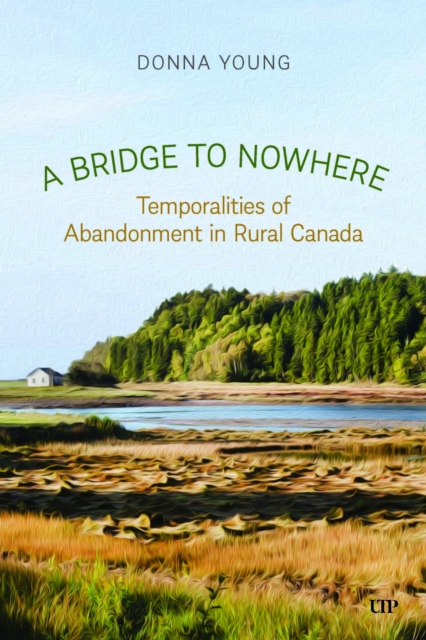
Artfully written and meticulously crafted, A Bridge to Nowhere explores the lives of men and women in isolated settlements across Canada, examining how their experiences are shaped by memory, precarity, and poverty.
A hard-hitting exploration of how state policy displaces and isolates Black communities and how collective resistance creates spaces for working-class people of color to identify the true cause of conflict as capitalism and white supremacyMarginalized communities often become understandably preoccupied with a city s structured attempt to deem them disposable, making it difficult to see people experiencing the same suffering as potential comrades in struggle.