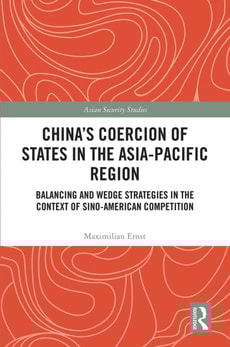
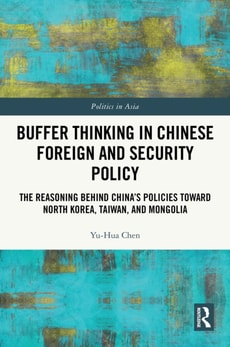
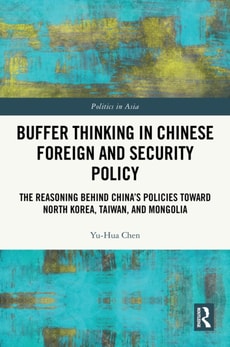
This book explains why China chooses to coerce Asia-Pacific regional states, despite the risk of such actions creating a backlash and complicating its strategic calculus.
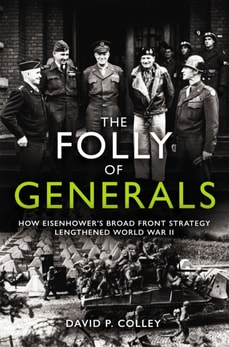
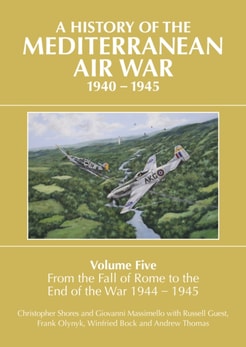
The author of The Road to Victory delivers "e;a well-written, easy to read, and concise summary of the options available to Eisenhower and the Allies"e; (Journal of Military History).
The author of The Road to Victory delivers "e;a well-written, easy to read, and concise summary of the options available to Eisenhower and the Allies"e; (Journal of Military History).
This book looks at the history of the US Air Force through the lens of its (lack of) preparedness for major wars, which is shown to be a result of its organizational culture.
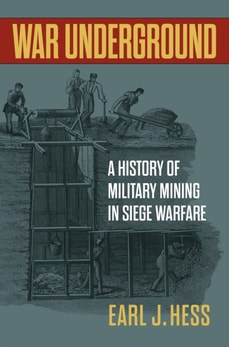
Renowned military historian Earl Hess offers the first book dedicated to the history of underground tactics and strategy in warfare from antiquity to the present.
This book examines the role of French-German cooperation within European military cooperation and European defence, and particularly the CSDP (Common Security and Defence Policy).
Following the Japanese invasion of the islands in 1942, North Luzon was the staging area for several Filipino-American guerrilla bands who sought to gather intelligence and to destroy enemy military installations or supplies.
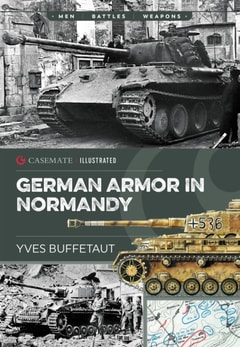
Throughout the Second World War, a shift occurred in the composition of the large armored units of armies which lead to an increase in the power of their tanks in particular.
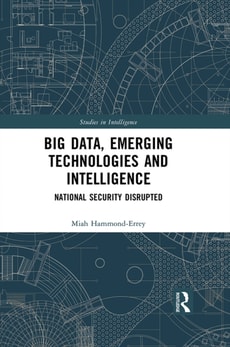
This book sets out the big data landscape, comprising data abundance, digital connectivity and ubiquitous technology, and shows how the big data landscape and the emerging technologies it fuels are impacting national security.
This book examines the intersection of military intelligence and corporate influence in modern warfare exploring private military companies, technological advancements in intelligence gathering, cyber warfare threats, and economic dimensions of conflict.
This book examines the intersection of military intelligence and corporate influence in modern warfare exploring private military companies, technological advancements in intelligence gathering, cyber warfare threats, and economic dimensions of conflict.
The Russian invasion of Ukraine in February 2022 produced not only military and humanitarian responses but also scholarly and artistic ones from Ukrainians looking to the future of their country.