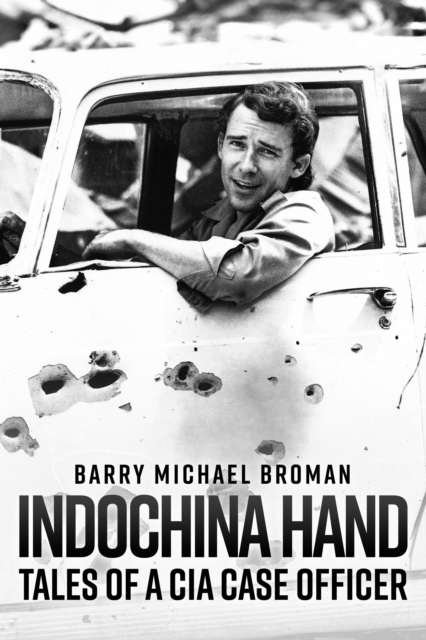
"e;The chronicle of [Broman's] Cold War CIA career bounces around the globe with his own recollections of running agents and other espionage derring-do, as well as stories told to him by friends and colleagues.
This handbook provides a comprehensive survey of the development and importance of the North Atlantic Treaty Organisation (NATO), its role in international relations and its influence on history.
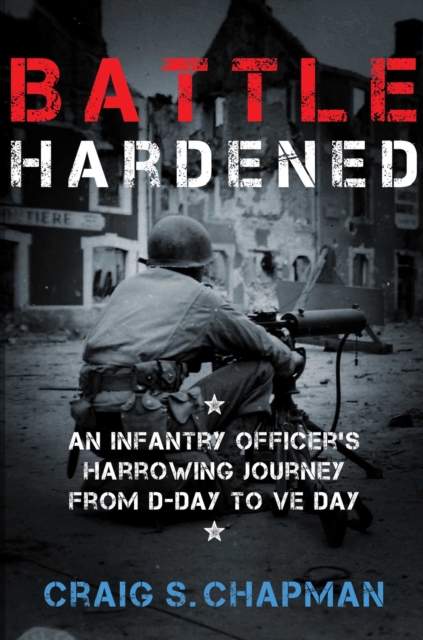
Battle-Hardened: An Infantry Officer's Harrowing Journey from D-Day to VE-Day tells the story of an American soldier's growth from a 2nd Lieutenant eager to prove his worth in battle to a skilled and resolute commander over the course of the Northern European Campaign.
Thucydides' 'The History of the Peloponnesian War' is a seminal work in the field of ancient Greek literature, providing a detailed account of the conflict between Athens and Sparta in the 5th century BC.
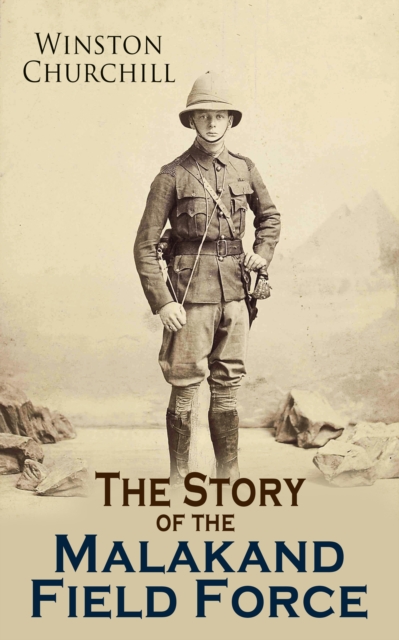
The Story of the Malakand Field Force is a historical account written by Winston Churchill and it describes a military campaign by the British army on the North West Frontier (now western Pakistan and eastern Afghanistan) in 1897, and Churchill's part in it.
Albert Manucy's 'Artillery Through the Ages (Illustrated Edition)' is a comprehensive exploration of the evolution of artillery weapons and tactics from ancient times to modern warfare.
Translated into English for the first time, this is a fascinating history of intelligence practices and their impact on great power rivalries in the early modern eraIn the sixteenth century, an intense rivalry between the Ottoman Empire and the Spanish Habsburg Empire and its allies spurred the creation of early modern intelligence.
Biological and chemical weapons are a growing terrorist threat to the United States and other nations and countermeasures continue to evolve as a national and global priority issue.
First published in 1986, Military Technology, Military Strategy and the Arms Race argues that a principal factor contributing to the arms race is the military research and development (R and D) sector.
In a world where public trust is hard-won and easily lost, "e;The Agile Government: Blueprint for Modern Public Administration"e; by Charlotte Hastings emerges as a vital guide for transforming public administration through agility and innovation.
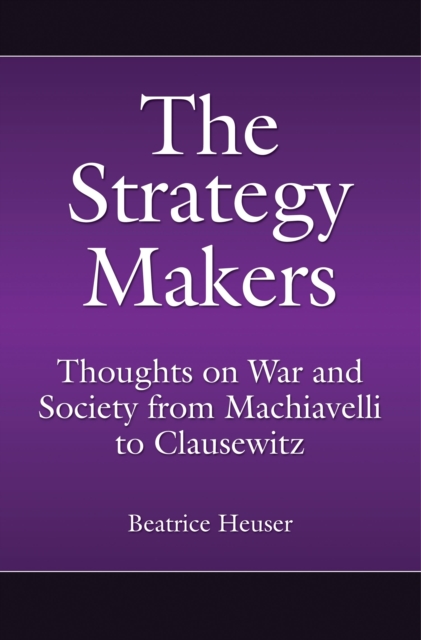
This book reintroduces readers to the lives and writings of the greatest military minds of the modern era, writers whose ideas and teachings continue to shape the conduct of war in the 21st century.
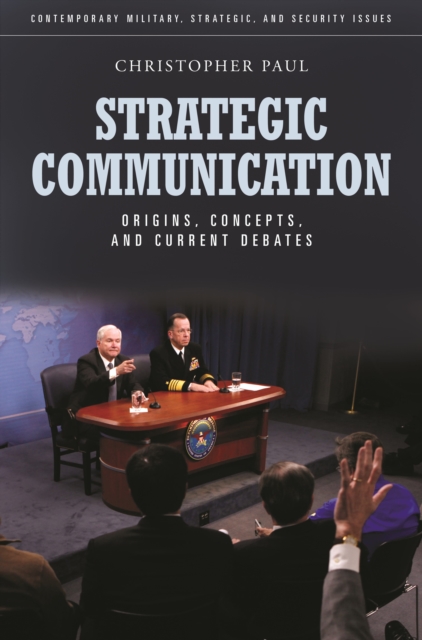
This volume in the Contemporary Military, Strategic, and Security Issues series presents a concise introduction to the evolution, key concepts, discourse, and future options for improved strategic communication in today's U.
Demonstrating that none of the various perspectives under review has emerged as the clear winner in the struggle for theoretical hegemony in security studies, this book shows that eclectic perspectives, like democratic realist institutionalism, can better explain peace and security in the Asian Pacific.
This superb introduction to NATO is written for the national security novice, yet is full of insights for the more seasoned hand interested in how and why NATO reached its current state.
An original study on the strategic dimensions of Kenya encompasses in-depth examinations of the Kenya Armed Forces, political and military relations with key neighboring countries, and Kenya's crucial strategic relationship with the United States.
Firsthand accounts of war in the Pacific theater from an intrepid reporter of World War II combatWar Is Not Just for Heroes rescues the incredible true stories of US Marine Corps.
Firsthand accounts of war in the Pacific theater from an intrepid reporter of World War II combatWar Is Not Just for Heroes rescues the incredible true stories of US Marine Corps.
Soviet Socialism (1987) is based on the author's specialized knowledge of many aspects of Soviet politics, including local government, the Communist Party and the Soviet intelligentsia.
Soviet Socialism (1987) is based on the author's specialized knowledge of many aspects of Soviet politics, including local government, the Communist Party and the Soviet intelligentsia.
When Secretary of State Hillary Clinton published "e;America's Pacific Century"e; in Foreign Policy magazine in November 2011, the administration was clearly indicating to domestic and international audiences that the United States is beginning a pivot toward the Asia-Pacific.
Communism in Transition (1993) examines the mainstays of Communist ideology, and goes on to look at the collapse of Communism in the Soviet Union, and in Eastern Europe.
Communism in Transition (1993) examines the mainstays of Communist ideology, and goes on to look at the collapse of Communism in the Soviet Union, and in Eastern Europe.
Ask an American intelligence officer to tell you when the country started doing modern intelligence and you will probably hear something about the Office of Strategic Services in World War II or the National Security Act of 1947 and the formation of the Central Intelligence Agency.