The Holy War - John Bunyan - The Holy War Made by King Shaddai Upon Diabolus, to Regain the Metropolis of the World, Or, The Losing and Taking Again of the Town of Mansoul, is a work of Christian fiction by John Bunyan, first published in 1682.
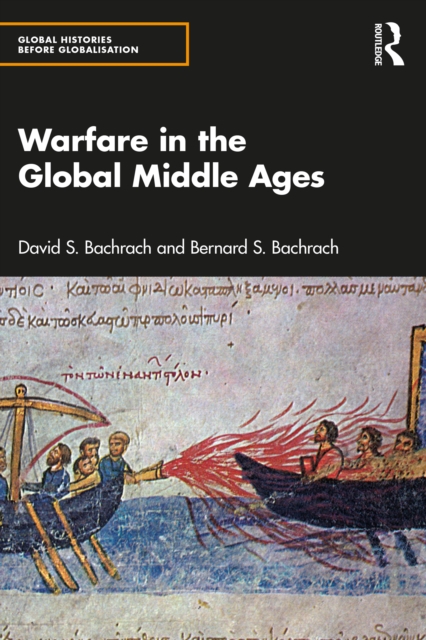
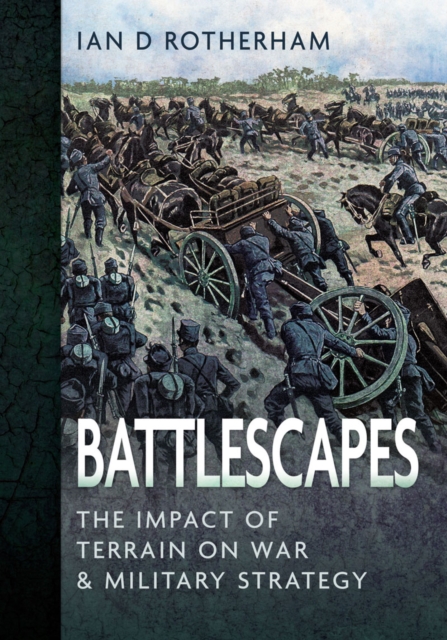
War, preparation for war, and dealing with war's aftermath consumed the greater part of the surplus resources of societies around the globe throughout the pre-modern period.
The inspiring true story of US elite special operations veterans fighting for freedom in Ukraine and discovering the power of faith, sacrifice, and hope.
This book provides a comprehensive analysis of Russia's foreign policy in gray zone conflicts, with a particular focus on its interventions in Ukraine.
This book offers an exploration of ballistic missile proliferation in the Middle East and also delves into the geopolitical landscape to unveil a narrative of contemporary Middle Eastern history.
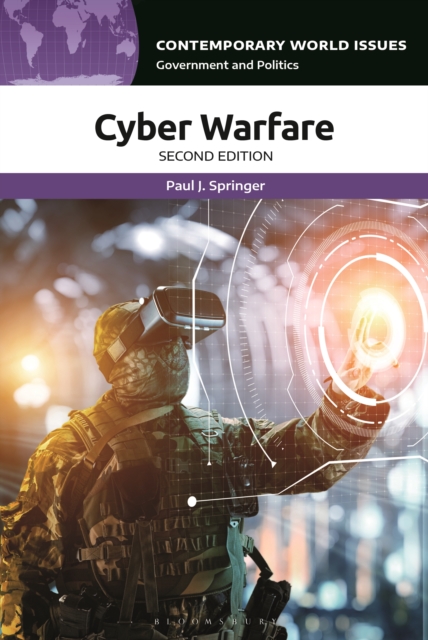
Cyber warfare, a term that encompasses a wide range of computer-based attacks on targeted enemy states, has emerged as one of the most pressing national security concerns of the 21st century.
First published in 1977, British Defence Policy in a Changing World provides an analysis of the changes which have taken place in Britain's security policies since the Second World War.
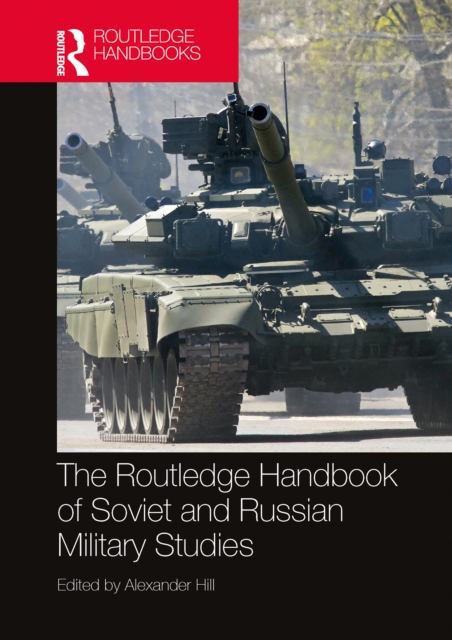
This handbook brings together historical and contemporary essays about Soviet and Russian military studies, to offer a comprehensive volume on the topic.
This book examines the newly emergent field of military design thinking, how it has been developed inside and outside of military doctrine, and the paradigms that underlie its key thinkers and methodologies.
An ambitious look at how the twentieth century's great powers devised their military strategies and what their implications mean for military competition between the United States and China How will the United States and China evolve militarily in the years ahead?
This book examines key concerns in South Asian security through a fine-grained history of the accidental firing of a missile and its aftermath between two nuclear-armed states-India and Pakistan-with tense relations in March 2022.
Changes in domestic economic and political conditions, together with a loss of confidence in the United States leadership produced serious problems within the Atlantic Alliance.
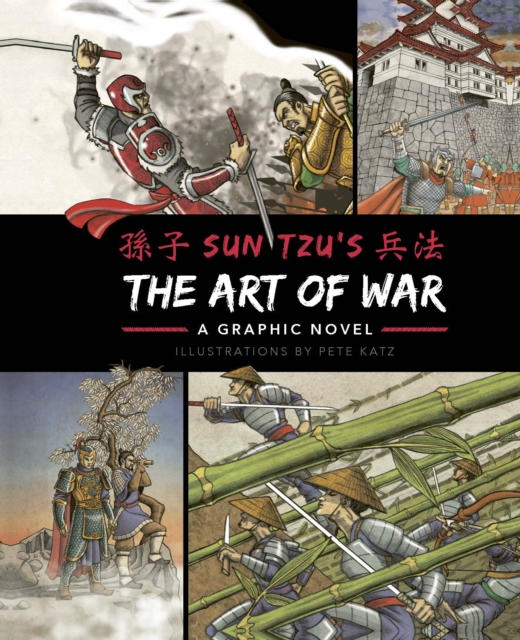
The Art of Waris an entertaining and visually stunning graphic adaptation of the oldest military treatise in the world and a masterpiece of Chinese literature.
The transformation from traditional war between nation-states to conflict between nation-states and nonstate actors requires decision makers, policy analysts, military commanders, intelligence officials, and legislators to answer the question: is there a strategy for an unwinnable conflict?
This volume consists of major books written in the English language on NATO as well as an extensive listing of journal articles that deal with various aspects of the Alliance.
This book analyses the origins, experiences, and challenges of total defence in Europe and comprises a broad spectrum of national case studies as well as one international organisation - NATO.
During World War II, the United States earned the nickname "e;the arsenal of democracy"e; due to its sheer productive output, which included over 3,000,000 trucks and jeeps, 86,000 tanks, 6,750 naval platforms, 300,000 aircraft of all types.
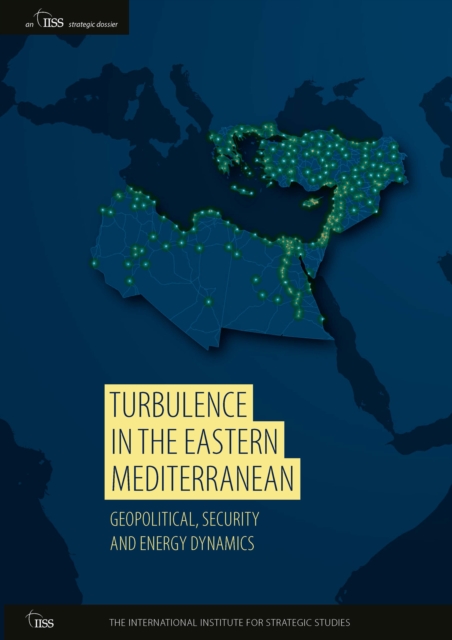
The IISS Strategic Dossier Turbulence in the Eastern Mediterranean: Geopolitical, Security and Energy Dynamics surveys the geopolitical landscape, defence dynamics and energy prospects of the region that spans Cyprus, Egypt, Greece, Israel and the Occupied Palestinian Territories, Lebanon, Libya, Syria and Turkiye.
Their Finest Hour covers the period in World War 2 after the fall of France when Britain stood alone, with victorious Germany and Italy engaged in mortal attack upon them, with Soviet Russia a hostile neutral actively aiding Hitler, and Japan an unknowable menace.
Cyber warfare, a term that encompasses a wide range of computer-based attacks on targeted enemy states, has emerged as one of the most pressing national security concerns of the 21st century.
Hans Delbrücks "Geschichte der Kriegskunst im Rahmen der politischen Geschichte" ist eine bahnbrechende Arbeit, die in vier Bänden die Entwicklung der Kriegsführung von der Antike bis zur Neuzeit beleuchtet.