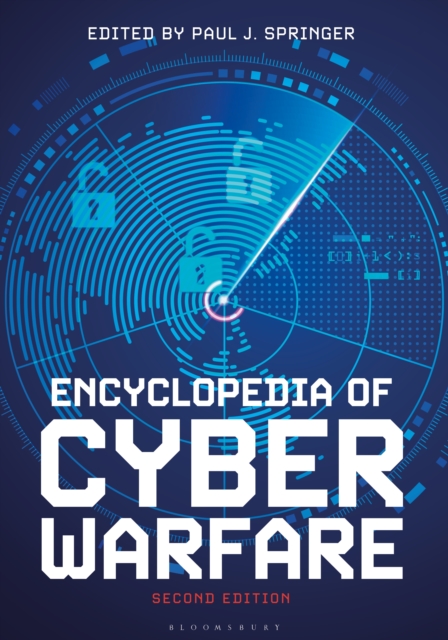
This volume offers a concise overview of cyber warfare, providing historical context and an examination of its rapid development into a potent technological weapon of the 21st century.
This book pays particular attention to the experiences of younger child survivors of the Holocaust, considering how they kept in touch with one another, and how they integrated into larger cohorts of survivors settling in postwar Britain.
This book pays particular attention to the experiences of younger child survivors of the Holocaust, considering how they kept in touch with one another, and how they integrated into larger cohorts of survivors settling in postwar Britain.
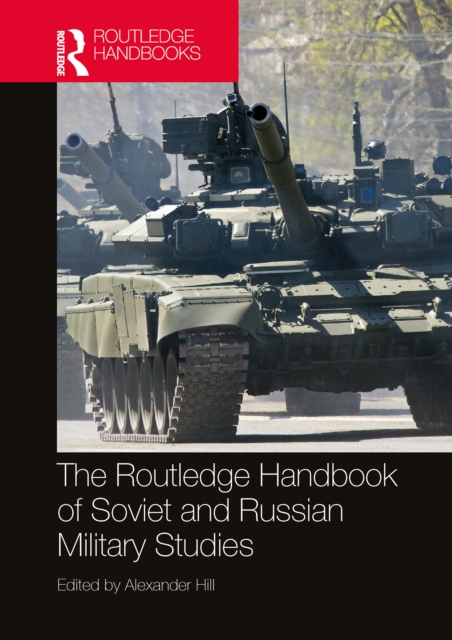
This handbook brings together historical and contemporary essays about Soviet and Russian military studies, to offer a comprehensive volume on the topic.
Raised in the rural Appalachian town of Erwin, Tennessee, John David Goodin was a tank commander in one of the most notorious and prestigious regiments in World War II, the 3rd Armored "e;Spearhead"e; Division, the 32nd Armored Regiment.
Raised in the rural Appalachian town of Erwin, Tennessee, John David Goodin was a tank commander in one of the most notorious and prestigious regiments in World War II, the 3rd Armored "e;Spearhead"e; Division, the 32nd Armored Regiment.
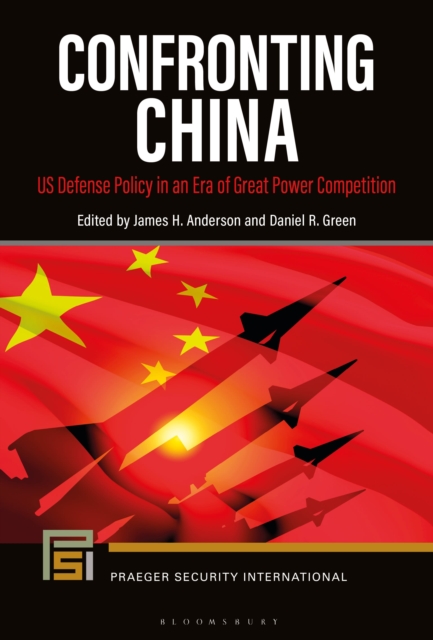
Informed by senior policymakers with extensive expertise in defense policy, this book provides a comprehensive regional and functional perspective on US policy toward the People's Republic of China.
First published in 1977, Arms Control and Technological Innovation is primarily concerned with three subjects: the causes of the arms race; the consequences of the arms race to the world; and the control of the arms race.
This volume brings together academics from the USA and across Europe to examine the nature, representations and perceptions of the figure of the spy in Europe between 1815 and 1914.
A Book of the Year in the Daily Telegraph and Economist LONGLISTED for the CWA ALCS Gold Dagger for Non-Fiction 2026'This book reads like a spy novel' FINANICAL TIMES'Entertaining and vivid' OBSERVER------------------------------------The astonishing story of the ten million books that were smuggled across the Iron Curtain during the Cold War.
In this book, a former US Department of State senior arms control official critically analyses two pivotal nuclear arms control treaties: the established Treaty on the Non-Proliferation of Nuclear Weapons (NPT) and the rising Treaty on the Prohibition of Nuclear Weapons (TPNW).
With the US-China geostrategic competition heating up, it is an opportune time for South Korea, ASEAN and India to draw on their middle power status to bolster regional security and economic cooperation to protect their interests from any potential superpower fallout.
In this memoir, Eric Newhall traces his life and political evolution with a particular focus on his time inside Lompoc Federal Correctional Institution, where he was incarcerated for refusing to participate in the Vietnam War.
In this memoir, Eric Newhall traces his life and political evolution with a particular focus on his time inside Lompoc Federal Correctional Institution, where he was incarcerated for refusing to participate in the Vietnam War.
First published in 1977, British Defence Policy in a Changing World provides an analysis of the changes which have taken place in Britain's security policies since the Second World War.
This volume consists of major books written in the English language on NATO as well as an extensive listing of journal articles that deal with various aspects of the Alliance.
Changes in domestic economic and political conditions, together with a loss of confidence in the United States leadership produced serious problems within the Atlantic Alliance.
This book explains why China chooses to coerce Asia-Pacific regional states, despite the risk of such actions creating a backlash and complicating its strategic calculus.
The relationship of the United States and Great Britain has been the subject of numerous studies with a particular emphasis on the idea of a special relationship based on traditional common ties of language, history, and political affinity.
This book focuses on the aural and musical sphere of fictional audio-visual reconstructions of the Holocaust, a defining event in the history of the 20th century.
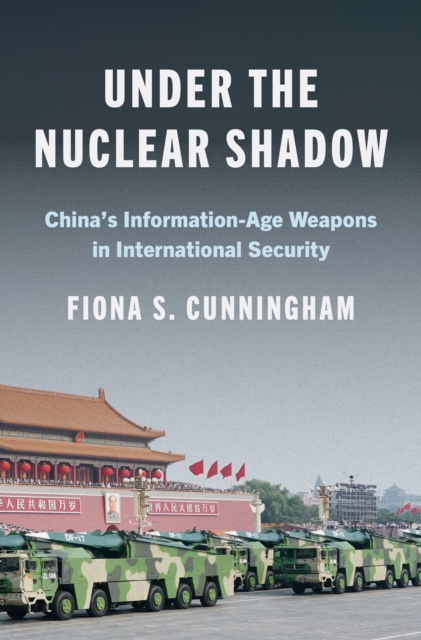
How and why China has pursued information-age weapons to gain leverage against its adversariesHow can states use military force to achieve their political aims without triggering a catastrophic nuclear war?
This volume offers a concise overview of cyber warfare, providing historical context and an examination of its rapid development into a potent technological weapon of the 21st century.
In this book, a former US Department of State senior arms control official critically analyses two pivotal nuclear arms control treaties: the established Treaty on the Non-Proliferation of Nuclear Weapons (NPT) and the rising Treaty on the Prohibition of Nuclear Weapons (TPNW).
This volume brings together academics from the USA and across Europe to examine the nature, representations and perceptions of the figure of the spy in Europe between 1815 and 1914.
This book examines the newly emergent field of military design thinking, how it has been developed inside and outside of military doctrine, and the paradigms that underlie its key thinkers and methodologies.
This book examines key concerns in South Asian security through a fine-grained history of the accidental firing of a missile and its aftermath between two nuclear-armed states-India and Pakistan-with tense relations in March 2022.
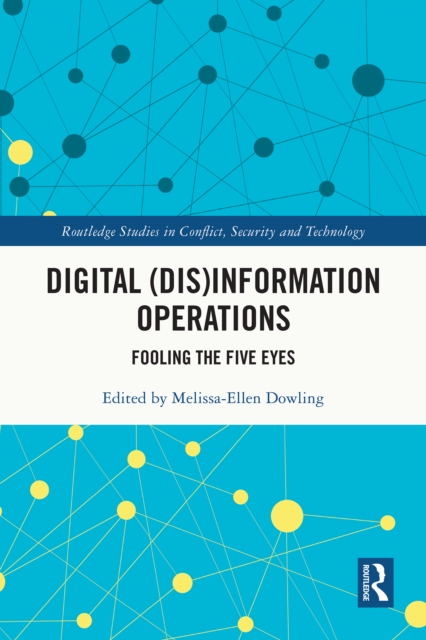
This book offers an interdisciplinary insight into the key debates around information warfare in the digital age and argues that transnational cooperation can mitigate the threat.
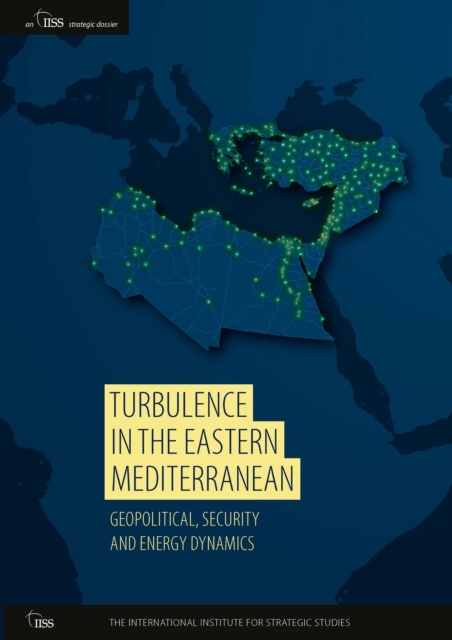
The IISS Strategic Dossier Turbulence in the Eastern Mediterranean: Geopolitical, Security and Energy Dynamics surveys the geopolitical landscape, defence dynamics and energy prospects of the region that spans Cyprus, Egypt, Greece, Israel and the Occupied Palestinian Territories, Lebanon, Libya, Syria and Turkiye.
Informed by senior policymakers with extensive expertise in defense policy, this book provides a comprehensive regional and functional perspective on US policy toward the People's Republic of China.
First published in 1977, Arms Control and Technological Innovation is primarily concerned with three subjects: the causes of the arms race; the consequences of the arms race to the world; and the control of the arms race.