PRAISE FOR THE FIRST EDITION: Millen reminds me of Erwin Rommel, George Patton, and Dwight Eisenhower, who also put their concentration as junior officers on the small units.
Fought under the cover of elaborate deceptions and ruthless lies, the deadly intelligence operations of World War II produced victories and defeats that were often as important as any reached on the battlefield.
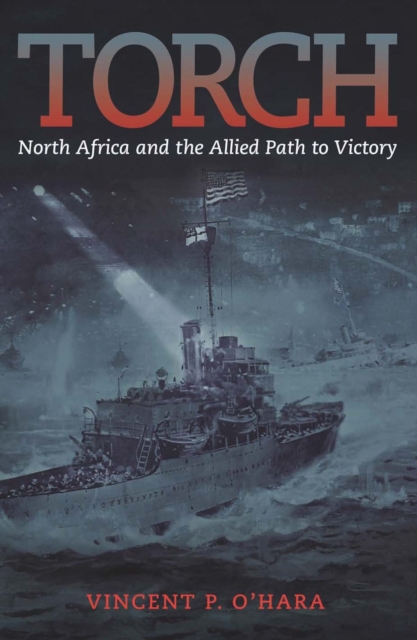
World War II had many superlatives, but none like Operation Torch-a series of simultaneous amphibious landings, audacious commando and paratroop assaults, and the Atlantic's biggest naval battle, fought across a two thousand mile span of coastline in French North Africa.
This book focuses on the aural and musical sphere of fictional audio-visual reconstructions of the Holocaust, a defining event in the history of the 20th century.
Best known in the USA as a former colony and exotic tourist location, the Republic of the Philippines has seen civil unrest, insurgencies and separatism movements ever since independence in 1946.
In the 2010 federal election, independent candidate Andrew Wilkie grabbed headlines after winning the seat of Denison, and with it a key role in deciding who would form the next government of Australia.
While the first volume in this mini-series spanned the first decade of confrontations between Libya and several of its neighbors, but foremost the USA and France, between 1973 and 1985, the second is to cover the period of less than a year – between mid-1985 and March 1986, when this confrontation reached its first climax.
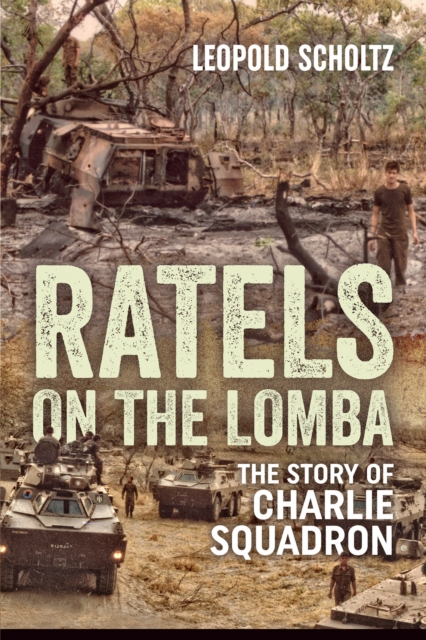
Charlie Squadron – the iron fist of the South African Defense Force’s 61 Mechanised Battalion Group – led the way on 3 October 1987 during the climactic battle on the Lomba River in Southern Angola.
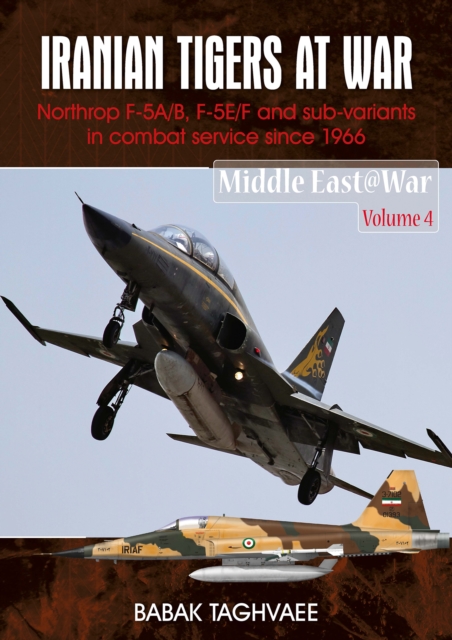
The development of the F-5 lightweight supersonic fighter in the mid 1950s was almost a gamble for the Northrop Corporation, but ultimately resulted in one of most commercially successful combat aircraft in modern history.
This book analyses the film industries and cinema cultures of Nazi-occupied countries (1939-1945) from the point of view of individuals: local captains of industry, cinema managers, those working for film studios and officials authorized to navigate film policy.
This book offers a re-interpretation of the political history of Macau from 1937 to 1945, during which Japan and China were engulfed in the Second World War.
This book takes a timely look at histories of radical Jewish movements, their modes of Holocaust memorialisation, and their relationships with broader anti-colonial and anti-racist struggles.
The Death of Transcendence presents a clear and compelling close reading and interpretation of the five essays included in Jean Amery's At the Mind's Limits, describing them as one continuous and progressing argument on the possibility of human society in the wake of the Holocaust.
Die vorliegende Studie ist die erste, die den Erinnerungsspuren nachgeht, die Jehovas Zeugen (Bibelforscher) in den Erzähltexten Überlebender des Nationalsozialismus hinterlassen haben.
Mehr als 70 Jahre nach dem Ende des Nationalsozialismus prägt die wachsende zeitliche Distanz zum historischen Geschehen die Auseinandersetzung mit diesem.
In diesem Buch wird das Rezeptionsverhalten von Zuschauer(inne)n erforscht, welche Amateurtheaterprojekte zu ‚Holocaust und Nationalsozialismus‘ besuchen.
Addressing the complexities of radicalisation, resilience, cyber, and homeland security, State, Society and National Security: Challenges and Opportunities in the 21st Century aims to shed light on what has changed in recent years security discourse, what has worked (as well as what has not), and what the potential further evolutions within each domain might be.
This book examines the origins of the US Navy's 2007 Maritime Strategy, the formation of the US government's "e;Pivot to Asia"e; strategy, and the most recent revisions to this strategy that focus more specifically on China.
This book examines the origins of the US Navy's 2007 Maritime Strategy, the formation of the US government's "e;Pivot to Asia"e; strategy, and the most recent revisions to this strategy that focus more specifically on China.
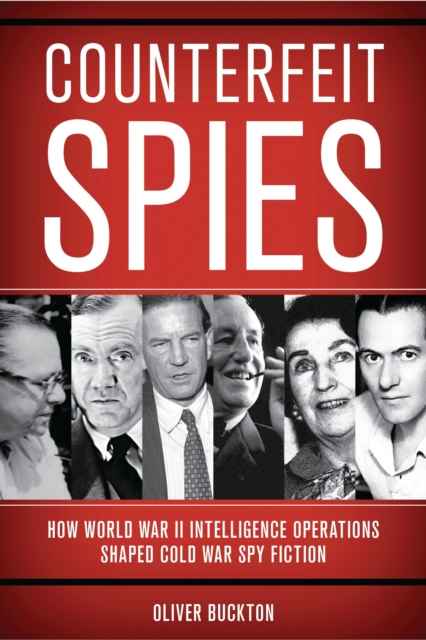
A "e;savvy study"e; (Publishers Weekly) and a fascinating exploration of the roles many spy novelists played during World War II and the influence of intelligence work on their writing.
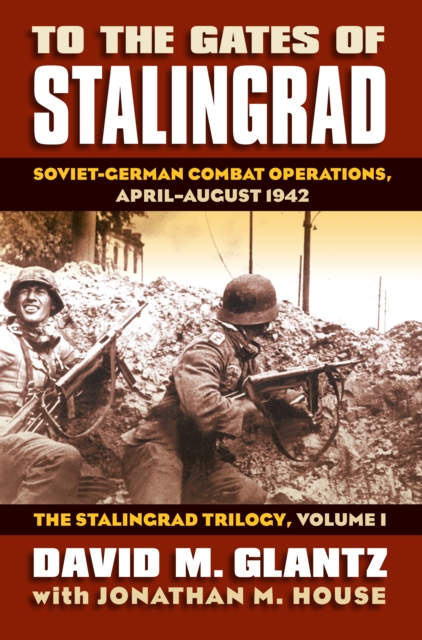
The confrontation between German and Soviet forces at Stalingrad was a titanic clash of armies on an unprecedented scalea campaign that was both a turning point in World War II and a lasting symbol of that wars power and devastation.
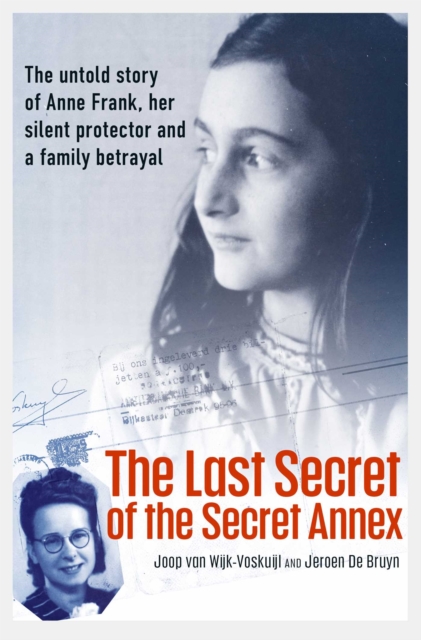
Devastating and compellingDAILY MAILPoignant TIMES LITERARY SUPPLEMENT____________________________________________________________________________________________ The extraordinary story of Bep Voskuijl, Anne Frank's closest friend during the 761 days she spent in the Secret Annex.