A Man Could Stand Up Ford Madox Ford - A Man Could Stand Up is the third novel of Ford Madox Ford's highly regarded sequence of four novels known collectively as Parade's End.
Metropolis - Thea von Harbou - The classic twentieth-century science fiction novel by the screenwriter of the Fritz Lang film, the famed director's wife and collaborator.
Eine dramatische Geschichte über Vergessen und SchuldIn der Potsdamer Pirschheide wird ein Mann durch eine Weltkriegsbombe getötet, kurz darauf gibt es weitere Tote.
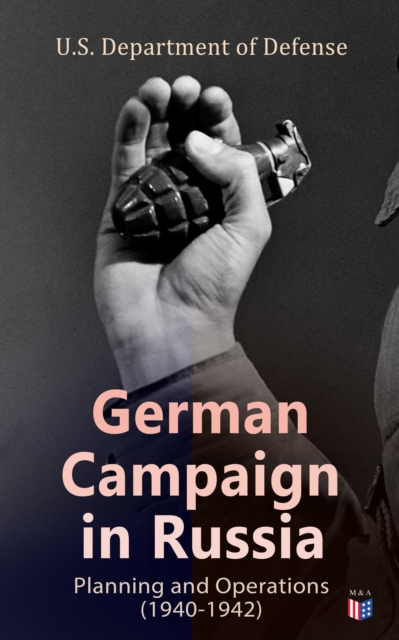
The aim of this edition is to present in a comprehensive way the strategy and military operations of the German army in the attack on Russia in World War 2.
This book focuses on strategic special operations and how these have led to the achievement of major foreign policy goals, which is illustrated by six case studies.
The Vietnam War ended nearly fifty years ago but the central paradox of the struggle endures: how did the worlds strongest nation fail to secure freedom for the Republic of Vietnam?
This book focuses on strategic special operations and how these have led to the achievement of major foreign policy goals, which is illustrated by six case studies.
Le katana, symbole de la culture japonaise et des arts martiaux, n'est pas simplement une simple épée mais un reflet de l'histoire, de la philosophie et du savoir-faire du Japon.
Die vorliegende Studie ist die erste, die den Erinnerungsspuren nachgeht, die Jehovas Zeugen (Bibelforscher) in den Erzähltexten Überlebender des Nationalsozialismus hinterlassen haben.
Mehr als 70 Jahre nach dem Ende des Nationalsozialismus prägt die wachsende zeitliche Distanz zum historischen Geschehen die Auseinandersetzung mit diesem.
In diesem Buch wird das Rezeptionsverhalten von Zuschauer(inne)n erforscht, welche Amateurtheaterprojekte zu ‚Holocaust und Nationalsozialismus‘ besuchen.
How and why China has pursued information-age weapons to gain leverage against its adversariesHow can states use military force to achieve their political aims without triggering a catastrophic nuclear war?
Since culture, the media and the arts deal with the perception and the processing of catastrophe, what kind of social knowledge does this process produce and how does it contribute to the sustainable development of societies?
Since culture, the media and the arts deal with the perception and the processing of catastrophe, what kind of social knowledge does this process produce and how does it contribute to the sustainable development of societies?
This book takes a timely look at histories of radical Jewish movements, their modes of Holocaust memorialisation, and their relationships with broader anti-colonial and anti-racist struggles.