Bringing together proponents and opponents of the Strategic Defense Initiative, this book includes original essays by leading experts on every aspect of the issue.
The contributors to this book explore a variety of issues concerned with mainland China's political processes, military structure, and economic development, among them changes in both the ideological superstructure and the organizational base of Chinese politics; the problem of succession; military strategies and civil-military relations; the use o
This book assesses the dynamics of Europeanization within the Western Alliance in the 1980s, that is, the process of change whereby the key West European states have come to play a growing role within the Alliance.
As the nations of the Pacific Ocean region experience rapid economic growth, they have begun to recognize the vast potential benefits of regional interdependence.
Military Strategy of Middle Powers explores to what degree twenty-first-century middle powers adjust their military strategies due to changes in the international order, such as the decline in US power.
Military Strategy of Middle Powers explores to what degree twenty-first-century middle powers adjust their military strategies due to changes in the international order, such as the decline in US power.
Originally published in 1987, The Logic of Nuclear Terror presented a much-needed critical review of the premises, concepts, and policy prescriptions of deterrence theories and doctrines at the time.
Originally published in 1985, this book explores the nuclear confrontation between East and West in Europe: where we stand, how we got there and what the future may hold.
Originally published in 1977, the purpose of this book was to analyse the relationship between the security of two states mutually undergoing strategic disarmament at the time and the need for safeguarding their security by means of a verification system.
Originally published in 1977, the purpose of this book was to analyse the relationship between the security of two states mutually undergoing strategic disarmament at the time and the need for safeguarding their security by means of a verification system.
Originally published in 1987, The Logic of Nuclear Terror presented a much-needed critical review of the premises, concepts, and policy prescriptions of deterrence theories and doctrines at the time.
Originally published in 1985, this book explores the nuclear confrontation between East and West in Europe: where we stand, how we got there and what the future may hold.
Originally published in 1985, Deterrence in the 1980s offers analyses by leading American and Canadian scholars and decision-makers in the field of strategic studies of the current problems and dilemmas of contemporary international security with deterrence, nuclear and conventional, as the unifying conceptual theme.
Originally published in 1985, Deterrence in the 1980s offers analyses by leading American and Canadian scholars and decision-makers in the field of strategic studies of the current problems and dilemmas of contemporary international security with deterrence, nuclear and conventional, as the unifying conceptual theme.
While the US-Japan alliance has strengthened since the end of the Cold War, Japan has, almost unnoticed, been building security ties with other partners, in the process reducing the centrality of the US in Japan's security.
While the US-Japan alliance has strengthened since the end of the Cold War, Japan has, almost unnoticed, been building security ties with other partners, in the process reducing the centrality of the US in Japan's security.
Debates on security became more intense following the unanticipated end of the Cold War conflict and took on added force after the terrorist attacks on the US on September 11, 2001.
Debates on security became more intense following the unanticipated end of the Cold War conflict and took on added force after the terrorist attacks on the US on September 11, 2001.
The Katana, a symbol of Japanese culture and martial arts, is not merely a simple sword but a reflection of Japan's history, philosophy, and craftsmanship.
This book examines the drivers behind great power security competition in space to determine whether realistic strategic alternatives exist to further militarization.
This book examines the drivers behind great power security competition in space to determine whether realistic strategic alternatives exist to further militarization.
This book examines the security dynamics of the Indian Ocean and the Western Pacific, concentrating upon an analysis and evaluation of the air power capabilities of the various powers active in the two regions.
This book examines the security dynamics of the Indian Ocean and the Western Pacific, concentrating upon an analysis and evaluation of the air power capabilities of the various powers active in the two regions.
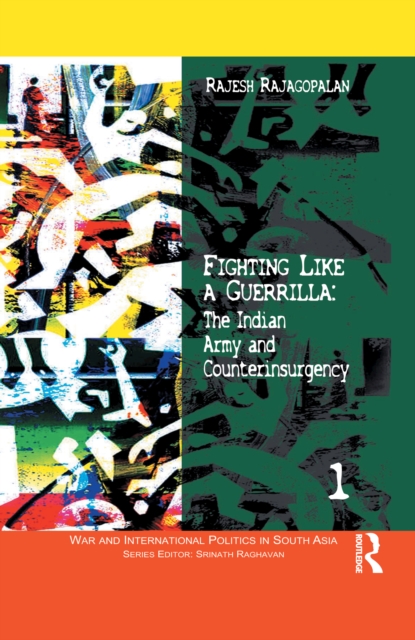
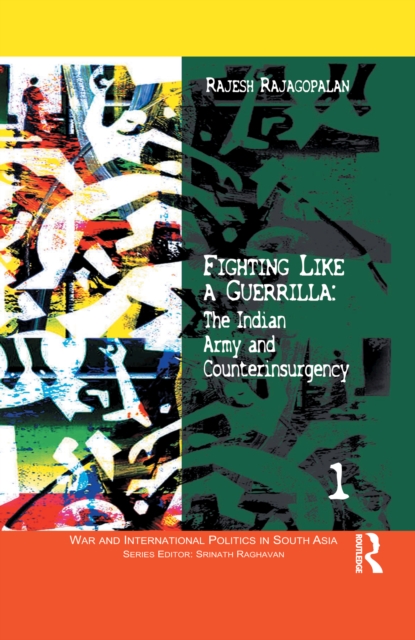
This book deals with two significant issues: the peculiar and paradoxical question of why regular armies, better suited to fighting conventional high-intensity wars, adopt inappropriate measures when fighting guerilla wars; and the evolution of the Indian army's counterinsurgency doctrine over the last decade.
This book deals with two significant issues: the peculiar and paradoxical question of why regular armies, better suited to fighting conventional high-intensity wars, adopt inappropriate measures when fighting guerilla wars; and the evolution of the Indian army's counterinsurgency doctrine over the last decade.
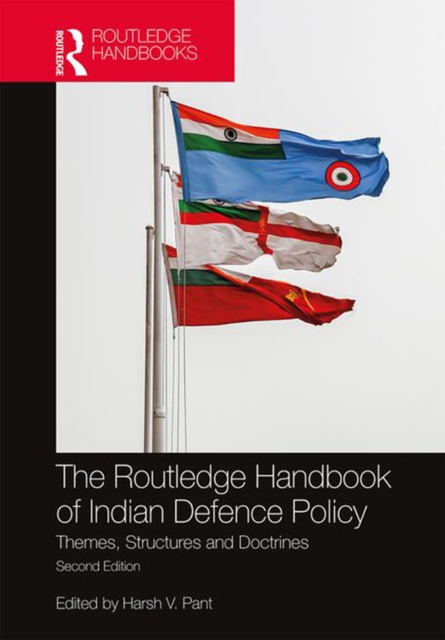
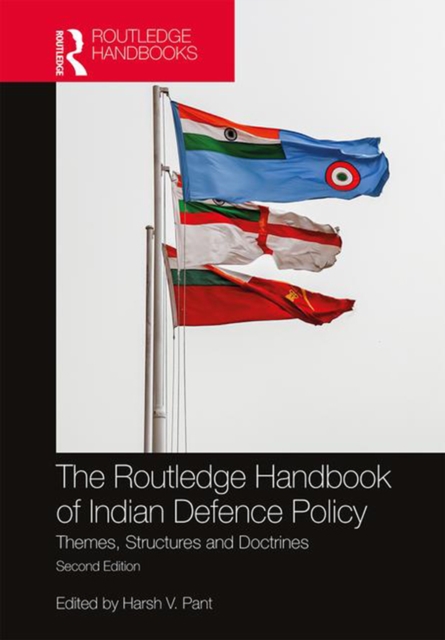
The Routledge Handbook of Indian Defence Policy brings together the most eminent scholarship in South Asia on India's defence policy and contemporary military history.
The Routledge Handbook of Indian Defence Policy brings together the most eminent scholarship in South Asia on India's defence policy and contemporary military history.
This book examines terrorist and insurgent organisations and seeks to understand how such groups persist for so long, while introducing a new strategic doctrine for countering these organisations.
This book examines terrorist and insurgent organisations and seeks to understand how such groups persist for so long, while introducing a new strategic doctrine for countering these organisations.