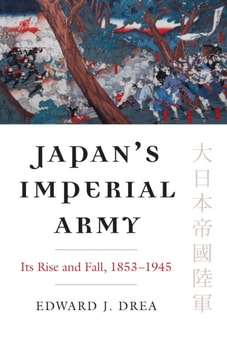
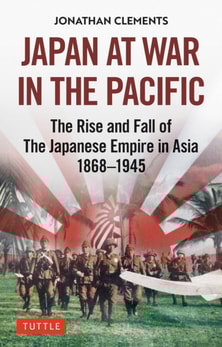
Winner: Society for Military History Distinguished Book AwardPopular impressions of the imperial Japanese army still promote images of suicidal banzai charges and fanatical leaders blindly devoted to their emperor.
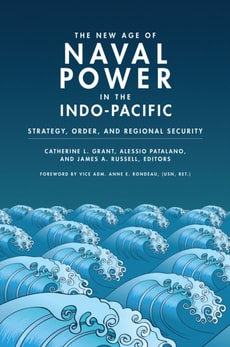
A new framework contextualizes crucial international security issues at sea in the Indo-PacificCompetition at sea is once again a central issue of international security.
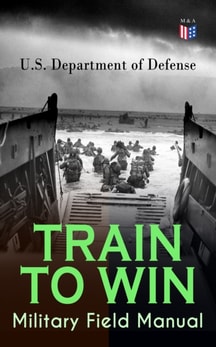
This book describes in detail how the Army trains to win in diverse situations and on different terrains, to overcome strenuous environments and avert all types of attacks.
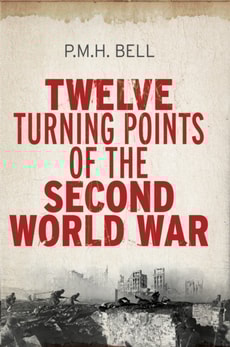
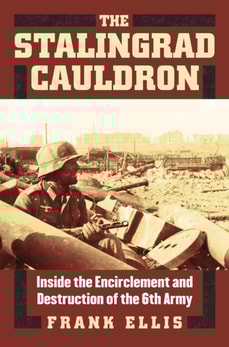
The encirclement of the German 6th Army at Stalingrad in mid-November 1942 and its final collapse in February 1943 was a signature defeat for Hitler, as more than 100,000 of his soldiers were marched off into captivity.
"e;A lucid history of the rise and fall of militarism in Japan"e; New York Journal of BooksJapan at War in the Pacific recounts the dramatic story of Japan's transformation from a Samurai-led feudal society to a modern military-industrial empire in the space of a few decadesand the many wars it fought along the way.
The author of Shot Down in the Drink shares photos and anecdotes detailing the history of the World War II fighter plane and its crews across the globe.
Military campaigns, pivotal battles and extraordinary leaders have collectively shaped the course of history and in this fascinating book, author Tom Quinn examines some of the most remarkable campaigns, incidents and characters from the earliest recorded histories to the second Gulf war.
This book critically analyzes US political-military strategy by arguing that freedom of the seas discourse is fundamentally unfit for an era of maritime great power competition.
This textbook anthology of selected readings on pressing Middle East security concerns serves as an invaluable single-volume assessment of critical security issues in nations such as Afghanistan, Egypt, Iran, Iraq, Israel, Lebanon, Syria, and Yemen.
This updated new edition of Understanding Naval Warfare offers the reader an accessible introduction to the study of modern naval warfare, providing a thorough grounding in the vocabulary, concepts, issues and debates, set within the context of relevant history.
This updated new edition of Understanding Naval Warfare offers the reader an accessible introduction to the study of modern naval warfare, providing a thorough grounding in the vocabulary, concepts, issues and debates, set within the context of relevant history.
This textbook anthology of selected readings on pressing Middle East security concerns serves as an invaluable single-volume assessment of critical security issues in nations such as Afghanistan, Egypt, Iran, Iraq, Israel, Lebanon, Syria, and Yemen.
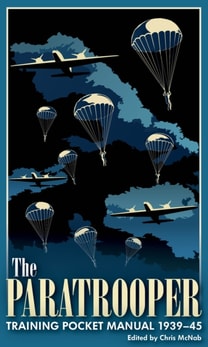
During World War II, it quickly became apparent that the physical and tactical demands placed upon paratroopers required men of exceptional stamina, courage and intelligence.
This book explains why China chooses to coerce Asia-Pacific regional states, despite the risk of such actions creating a backlash and complicating its strategic calculus.
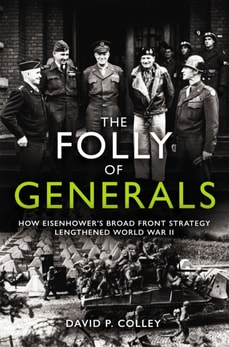
The author of The Road to Victory delivers "e;a well-written, easy to read, and concise summary of the options available to Eisenhower and the Allies"e; (Journal of Military History).
The author of The Road to Victory delivers "e;a well-written, easy to read, and concise summary of the options available to Eisenhower and the Allies"e; (Journal of Military History).
This book looks at the history of the US Air Force through the lens of its (lack of) preparedness for major wars, which is shown to be a result of its organizational culture.
Renowned military historian Earl Hess offers the first book dedicated to the history of underground tactics and strategy in warfare from antiquity to the present.
This book examines the role of French-German cooperation within European military cooperation and European defence, and particularly the CSDP (Common Security and Defence Policy).
Following the Japanese invasion of the islands in 1942, North Luzon was the staging area for several Filipino-American guerrilla bands who sought to gather intelligence and to destroy enemy military installations or supplies.
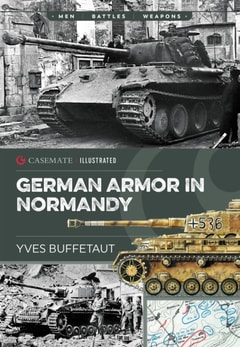
Throughout the Second World War, a shift occurred in the composition of the large armored units of armies which lead to an increase in the power of their tanks in particular.
This book sets out the big data landscape, comprising data abundance, digital connectivity and ubiquitous technology, and shows how the big data landscape and the emerging technologies it fuels are impacting national security.
This book examines the intersection of military intelligence and corporate influence in modern warfare exploring private military companies, technological advancements in intelligence gathering, cyber warfare threats, and economic dimensions of conflict.
This book examines the intersection of military intelligence and corporate influence in modern warfare exploring private military companies, technological advancements in intelligence gathering, cyber warfare threats, and economic dimensions of conflict.